Matching worksheets activities for Ages 3-8 - Page 4
82 filtered results
-
From - To
 Assign to My Students
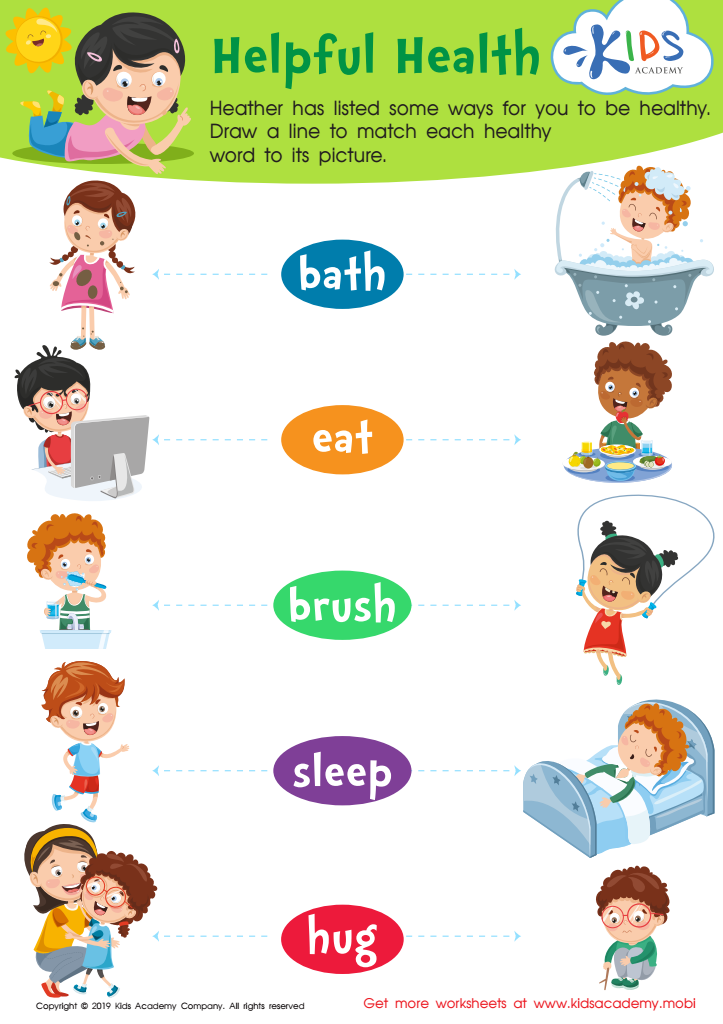
Helpful Health Worksheet
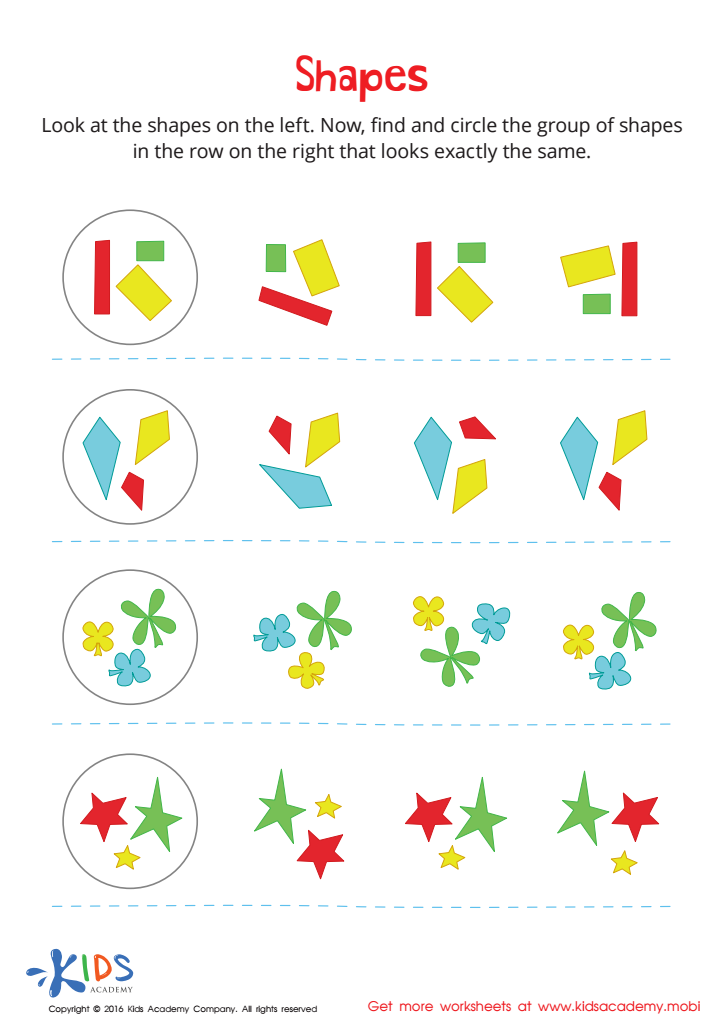
Shapes Worksheet
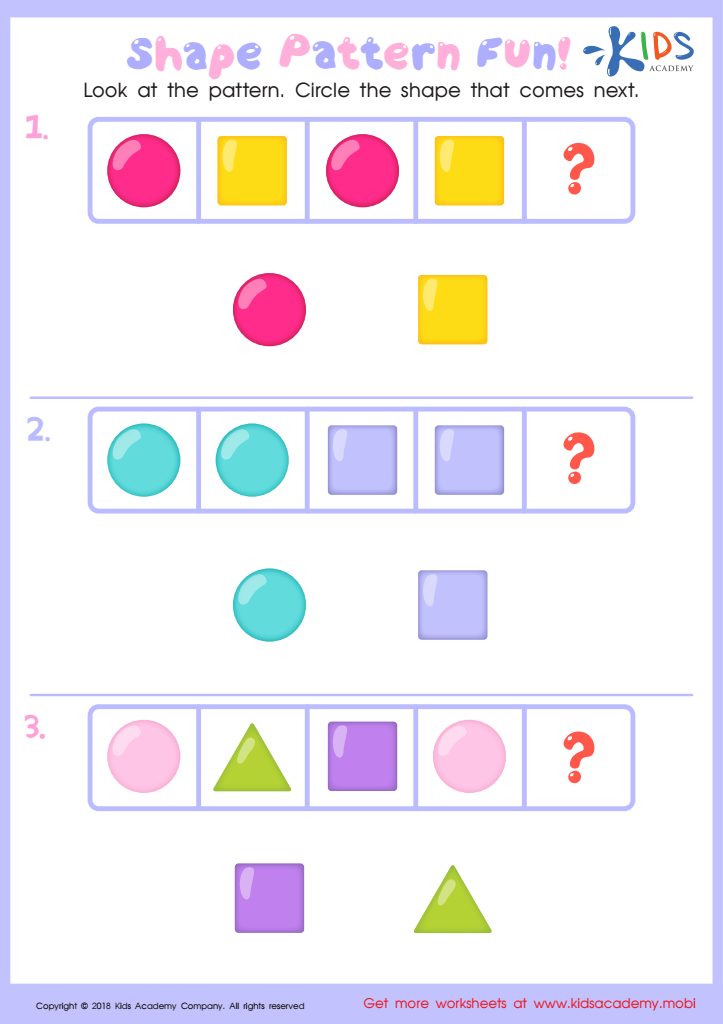
Shape Pattern Fun Worksheet
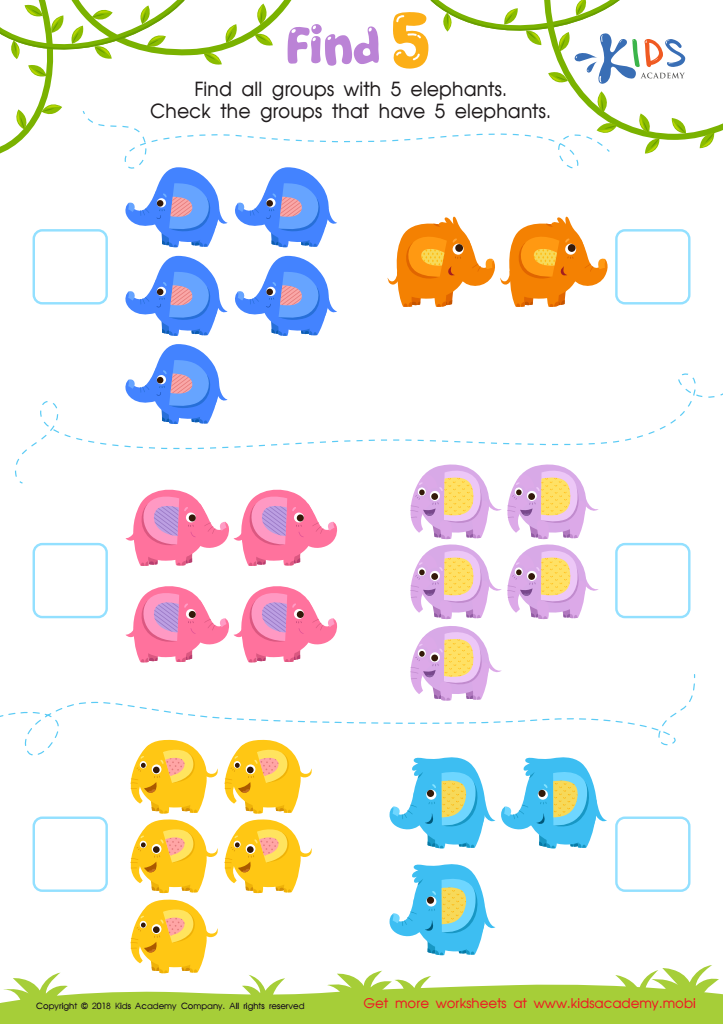
Find 5 Worksheet
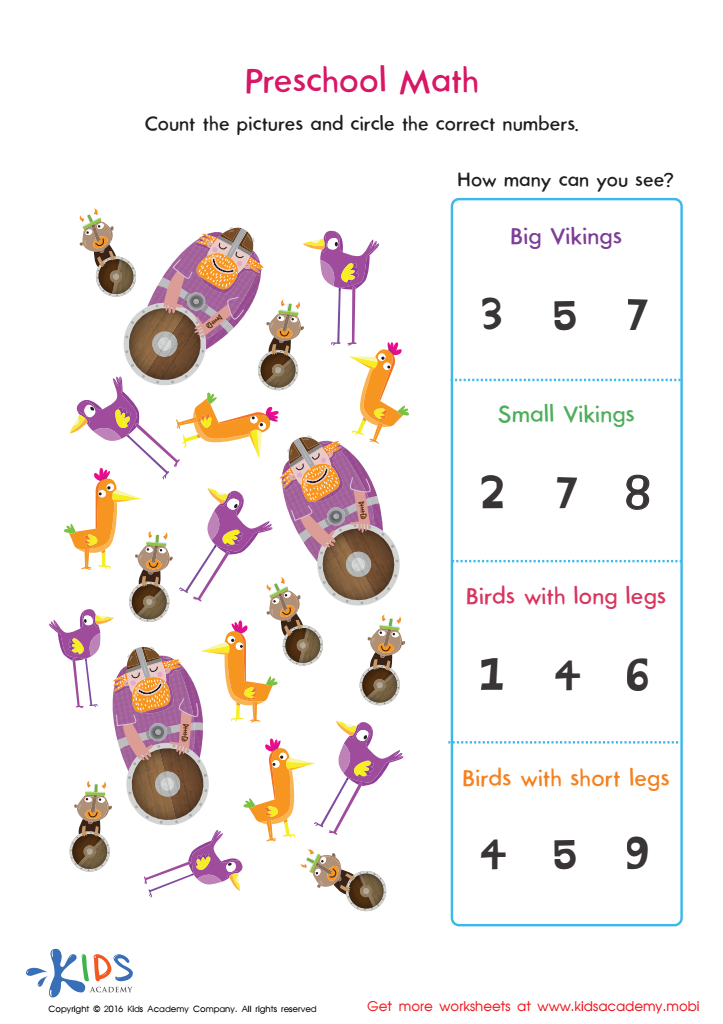
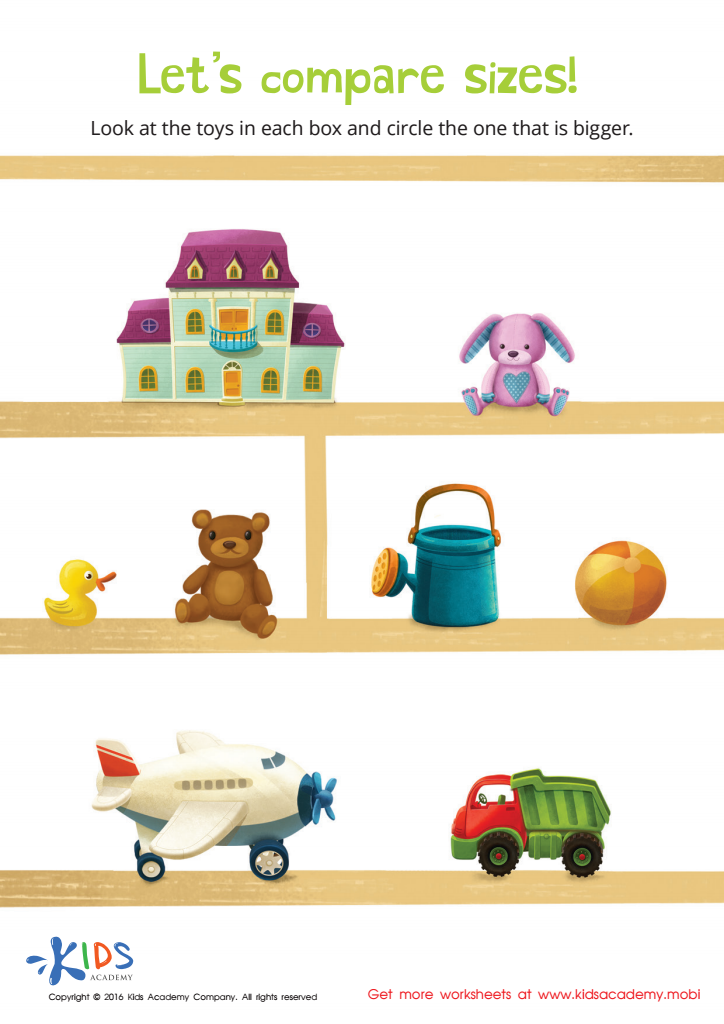
Classifying by Size Sorting Worksheet
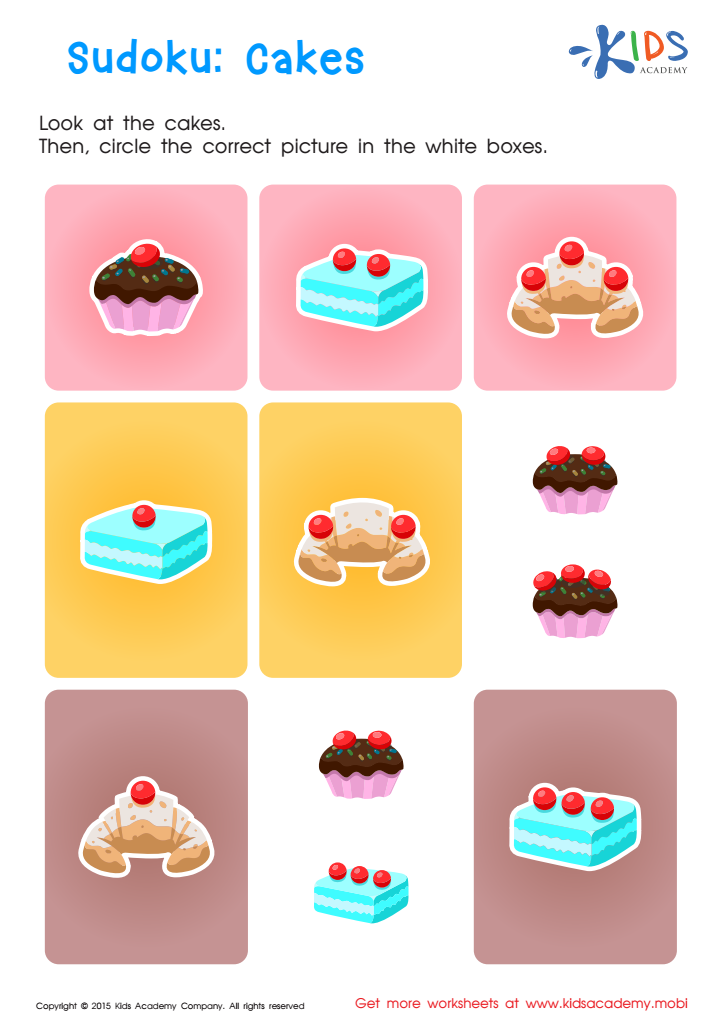
Sudoku Worksheet
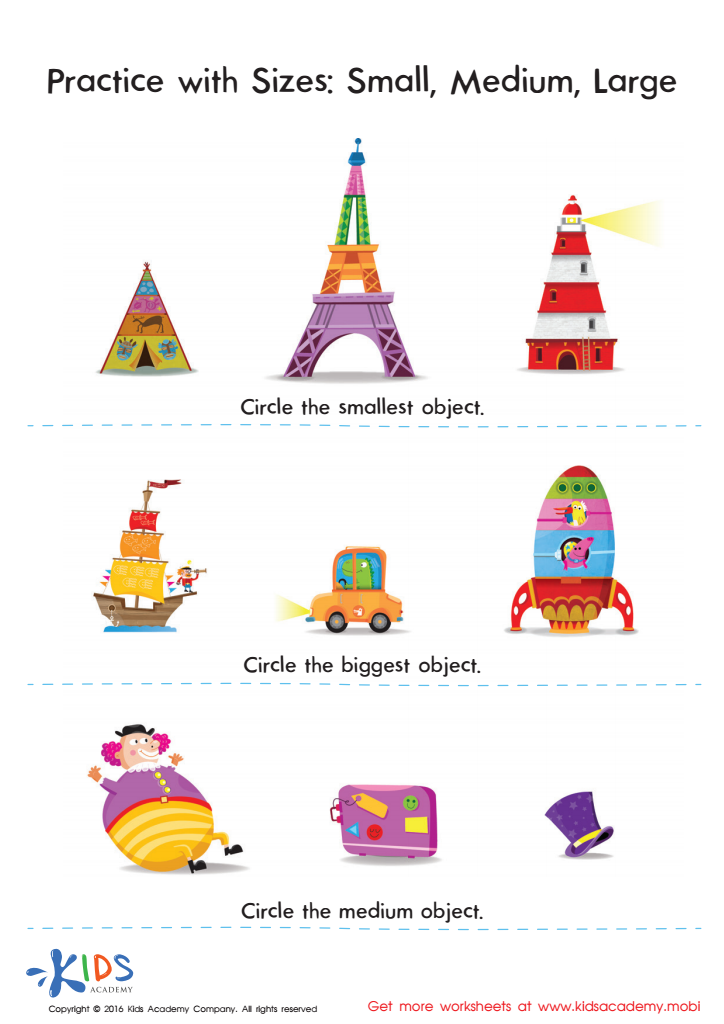






.jpg)
Matching activities for children ages 3-8 play an essential role in early childhood development, making them vital for parents and teachers. At this age, children are rapidly developing cognitive, motor, and social skills. Engaging in matching games encourages critical cognitive abilities like pattern recognition, memory enhancement, and problem-solving skills. When children match objects, letters, numbers, or images, they actively process information and strengthen neural connections that form the basis for more complex learning later.
Moreover, these activities promote fine motor skills as children manipulate objects, identify similarities, and refine their hand-eye coordination. Socially, matching games can foster collaboration and teamwork when played in groups, teaching children how to share, take turns, and communicate effectively.
For parents, implementing matching activities can create quality bonding moments that reinforce learning in a fun and engaging environment. For teachers, integrating these activities into lesson plans can enrich the classroom experience and align with educational standards.
In short, matching activities are not just games; they are foundational experiences that support holistic upbringing, laying the groundwork for future learning and social behavior, reinforcing why both parents and teachers should prioritize them in child development.








