Tracing Letters worksheets activities for Ages 3-8 - Page 3
57 filtered results
-
From - To
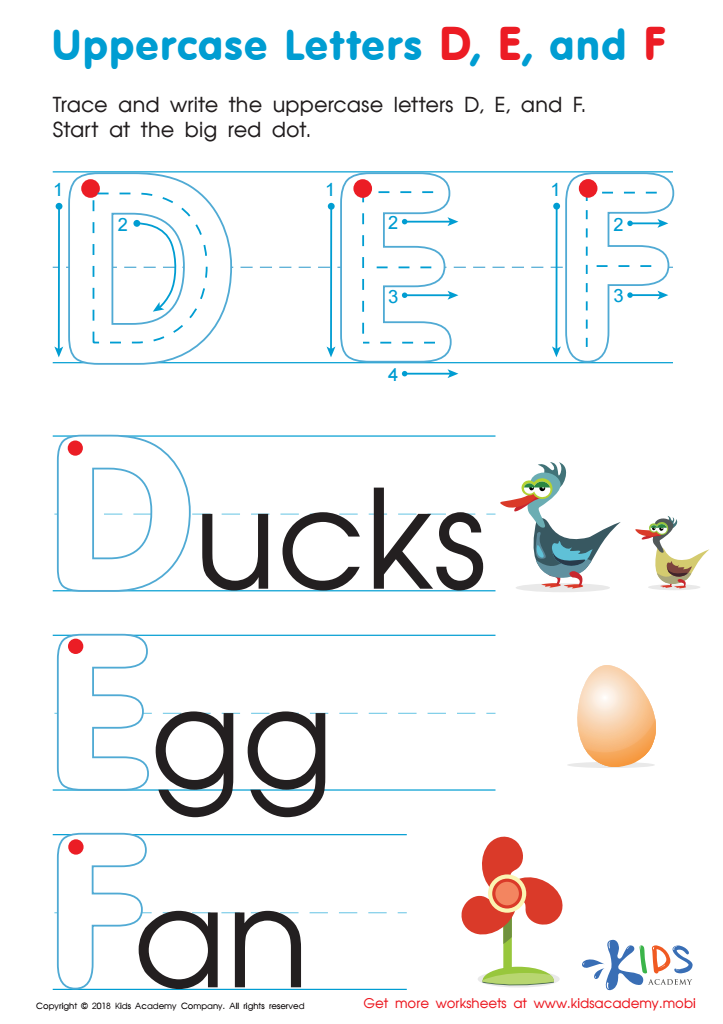
Uppercase Letters D, E, and F Worksheet
 Assign to My Students
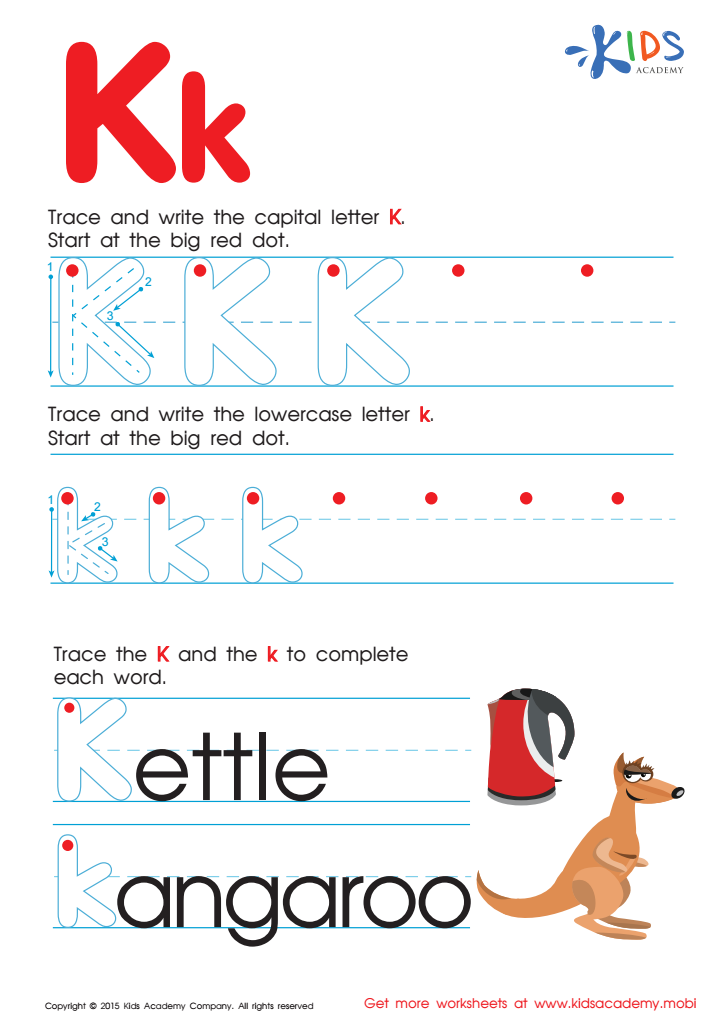
Letter K Tracing Page
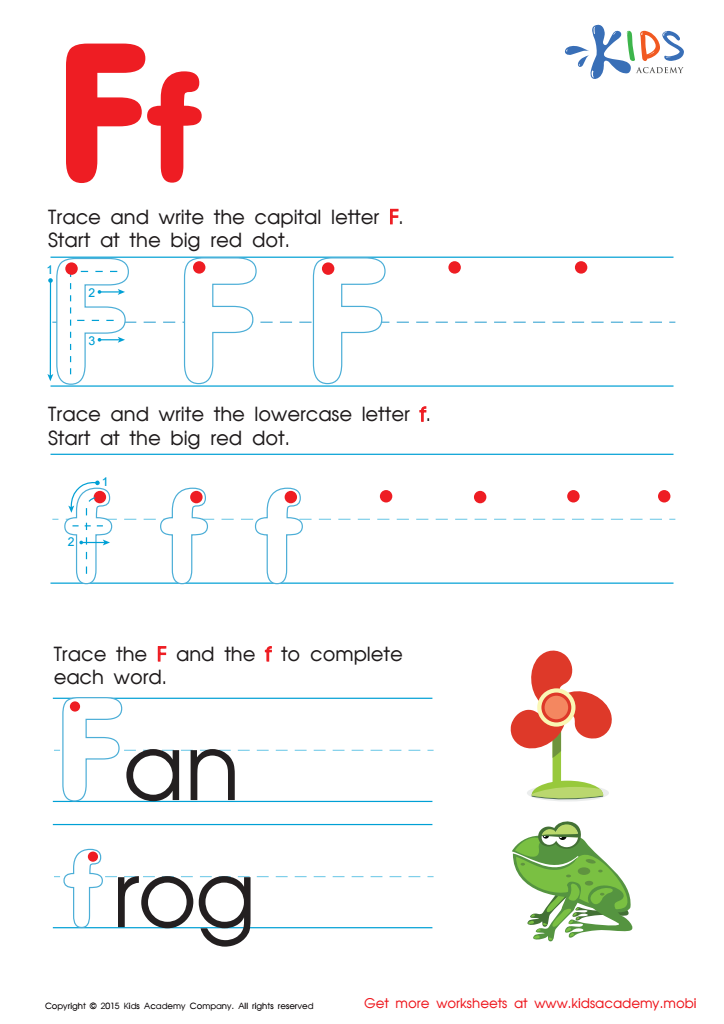
Letter F Tracing Page
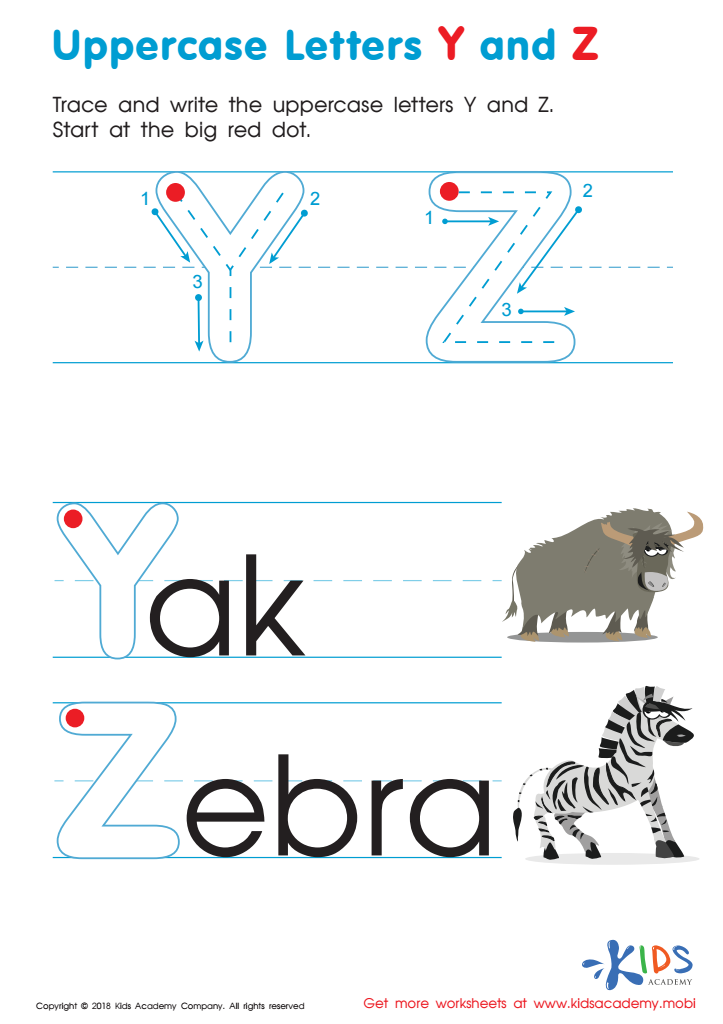
Uppercase Letters Y Z Worksheet
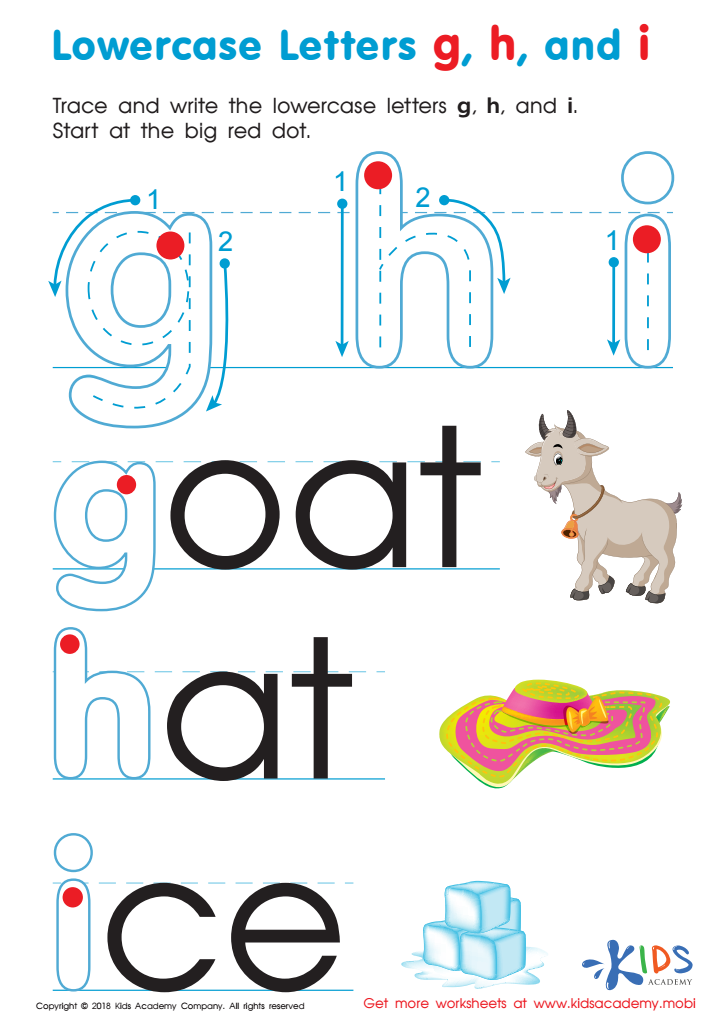
Lowercase Letters g h i Worksheet
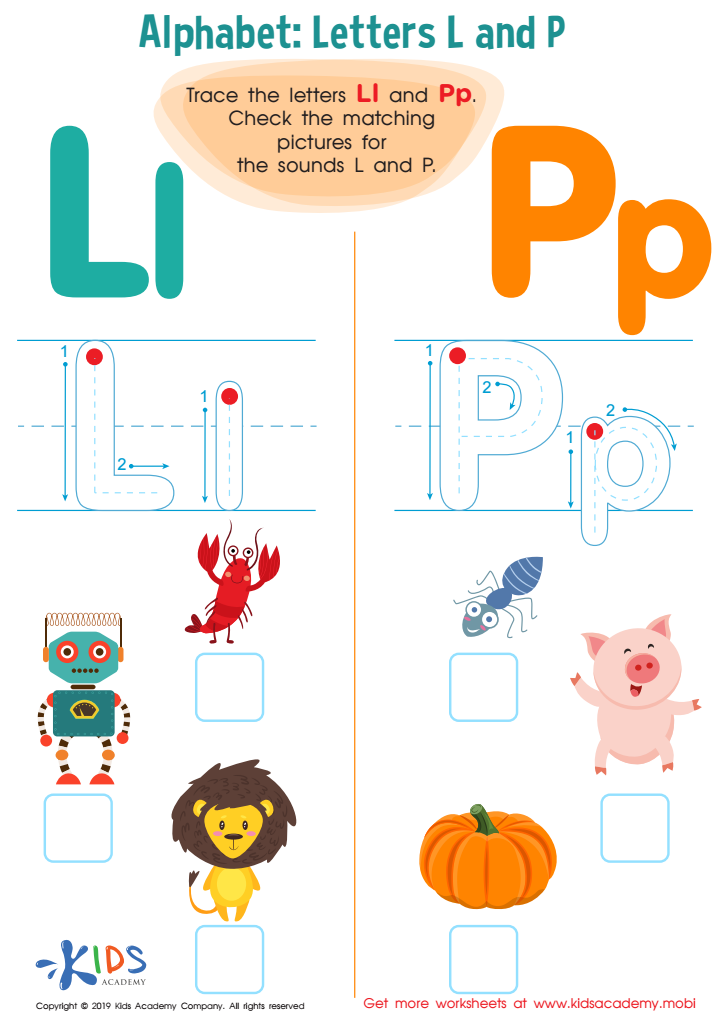
Letter L and P Tracing Worksheet
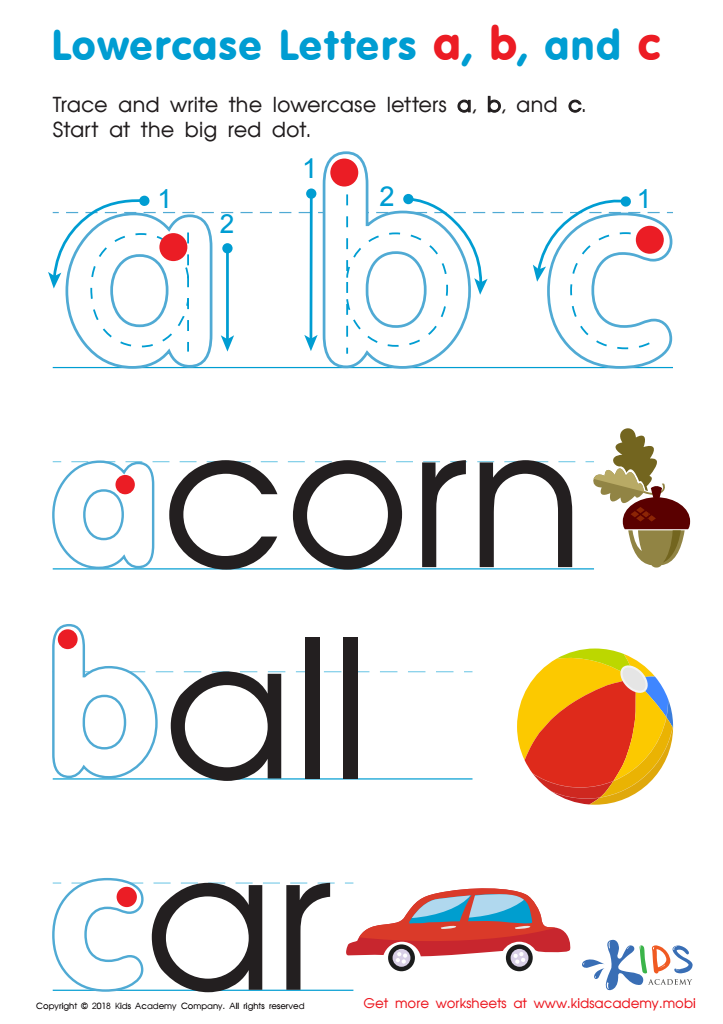
Lowercase Letters a b c Worksheet
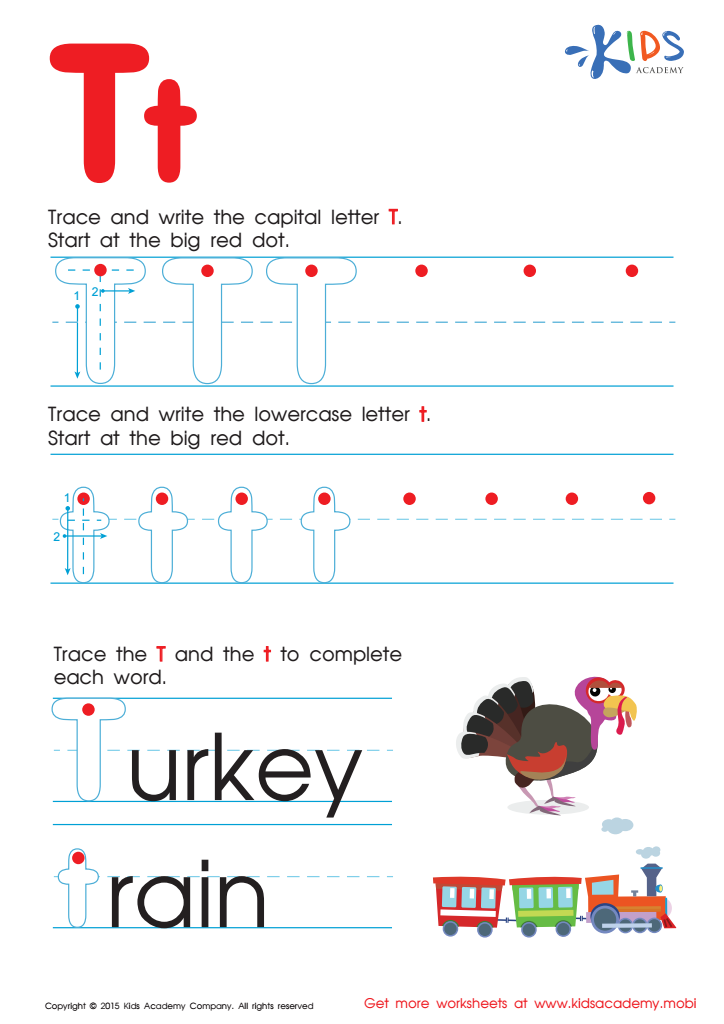
Letter T Tracing Page
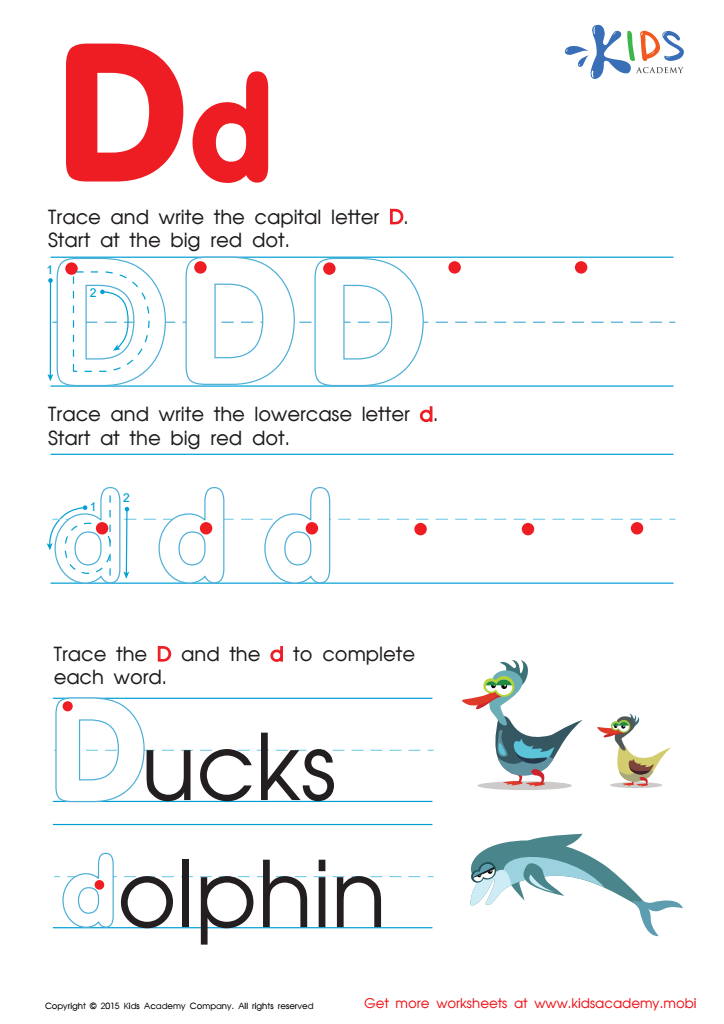
Letter D Tracing Page







Tracing letters activities for ages 3-8 are essential in fostering early literacy skills and motor development. First, these activities help children develop fine motor skills, which are crucial for writing. Tracing encourages the use of hand muscles and improves hand-eye coordination, laying a strong foundation for future writing tasks.
Furthermore, tracing letters builds letter recognition, which is vital for reading. As children follow the shapes of letters, they become familiar with their structure and sound association. This early exposure supports phonemic awareness, a critical component in learning to read.
Additionally, tracing activities can enhance focus and patience. Engaging children in structured tracing tasks helps them practice self-regulation and attention span, enabling better readiness for more complex learning activities down the line.
For parents and teachers, incorporating tracing letters into daily routines can be pleasurable and educational. This method allows them to bond with children through fun, hands-on learning experiences. Tracing activities can also be tailored to suit each child's interests—be it animals, nature, or favorite characters—making learning more engaging. Thus, caring about tracing letters activities is pivotal for cultivating literacy development, fine motor skills, and a love for learning, setting the stage for future academic success.








