Reading Fiction worksheets activities for Ages 4-8
11 filtered results
-
From - To
Explore our engaging Reading Fiction worksheets for children ages 4-8, designed to spark imagination and enhance literacy skills! Our activities are thoughtfully crafted to help young readers develop comprehension, vocabulary, and critical thinking through fun, interactive tasks. Kids will enjoy exploring relatable characters, settings, and plots while practicing essential reading strategies. Each worksheet encourages creativity and nurtures a love for storytelling. Perfect for classrooms or homeschooling, these resources make learning enjoyable and effective. Dive into the world of fiction with our comprehensive worksheets and set your child on a path to becoming a confident and passionate reader!
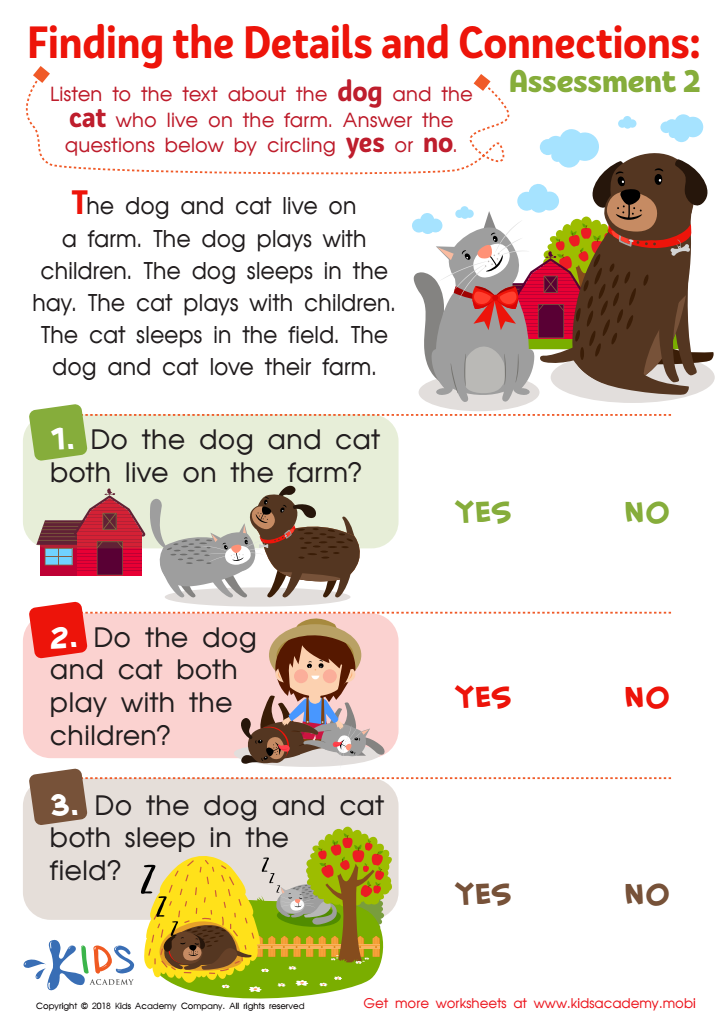
Finding the Details and Connections: Assessment 2 Worksheet
 Assign to My Students
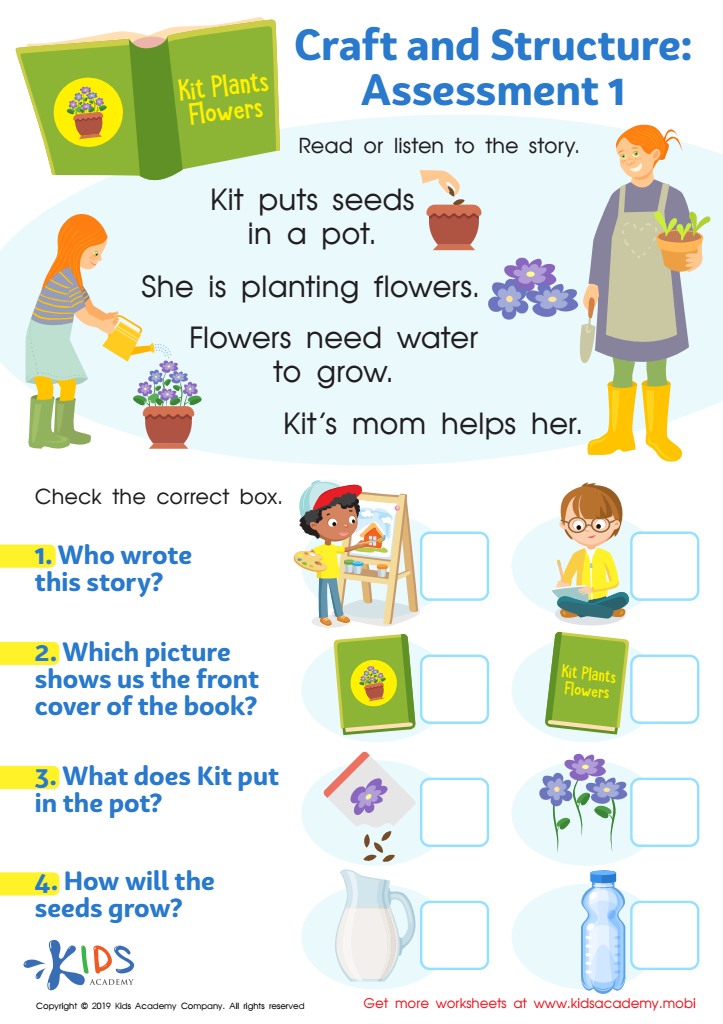
Craft and Structure: Assessment 1 Worksheet
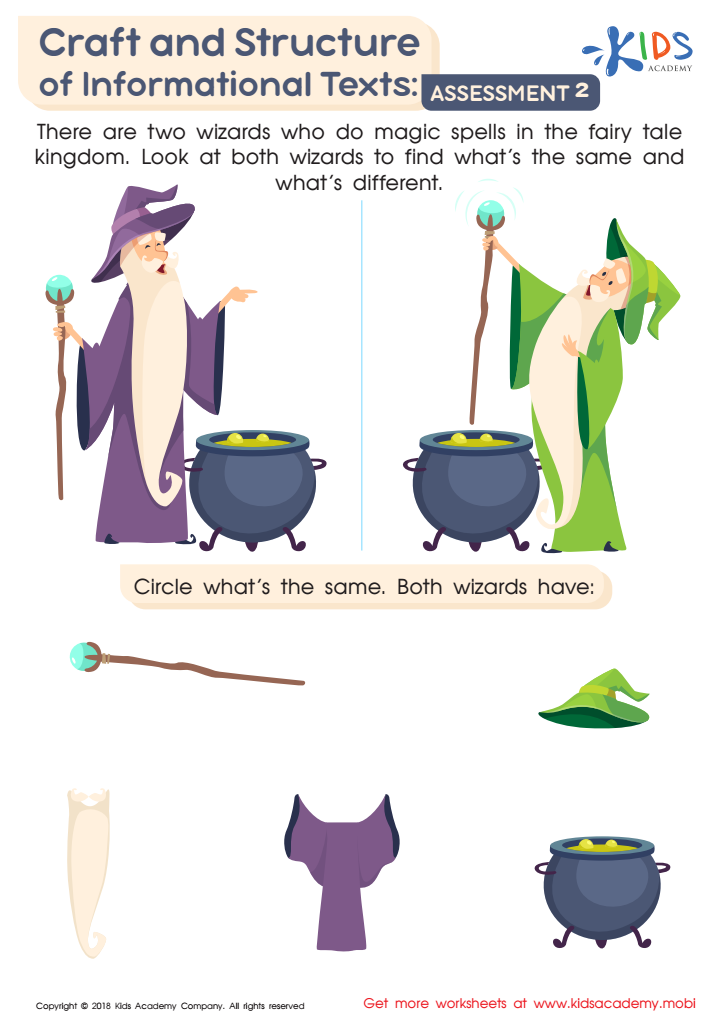
Craft and Structure of Informational Texts: Assessment 2 Worksheet
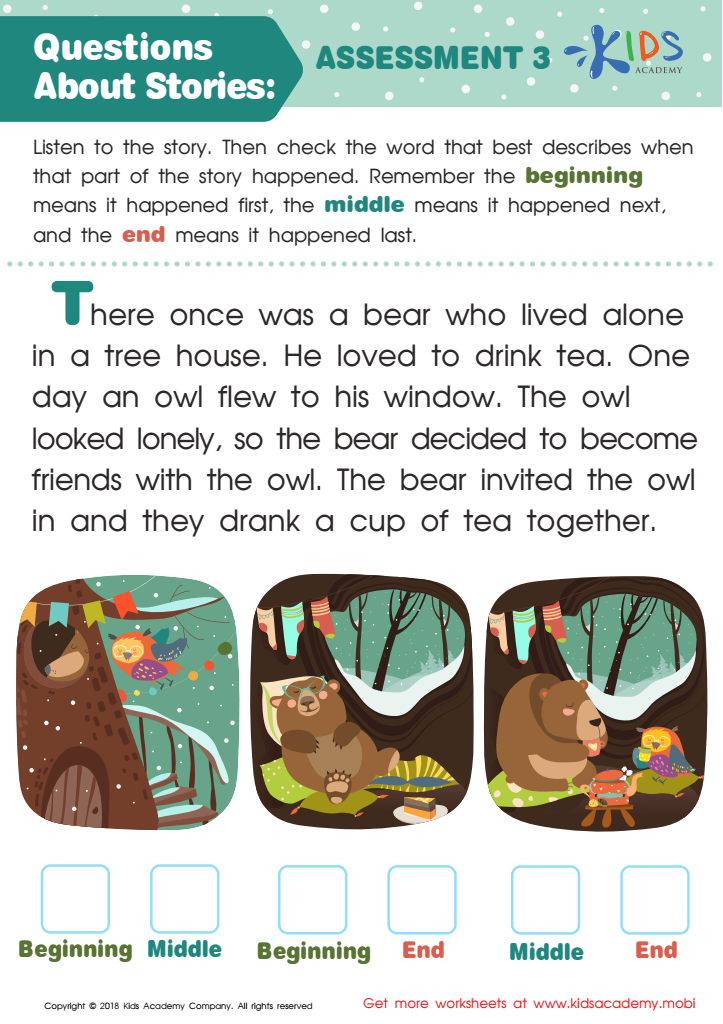
Questions About Stories: Assessment 3 Worksheet
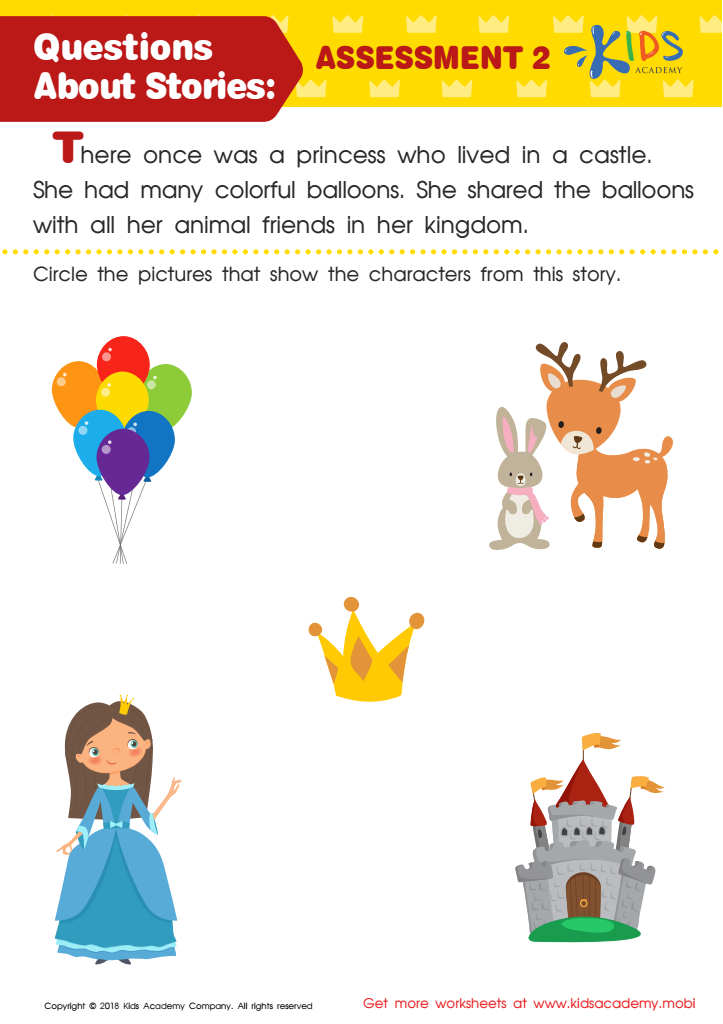
Questions About Stories: Assessment 2 Worksheet
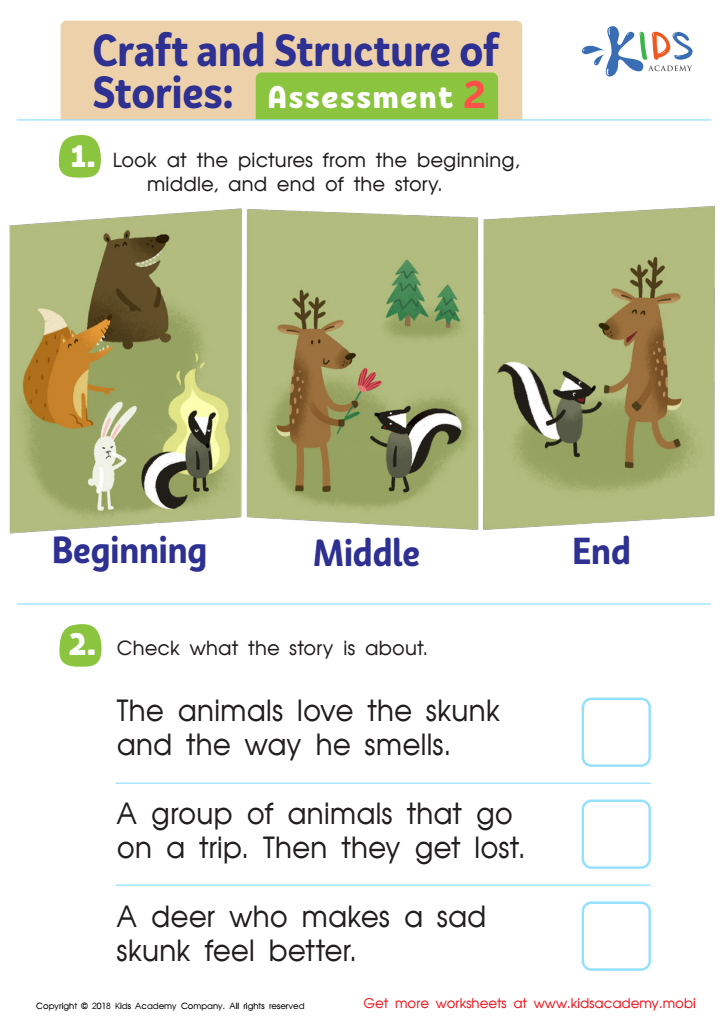
Craft and Structure of Stories: Assessment 2 Worksheet
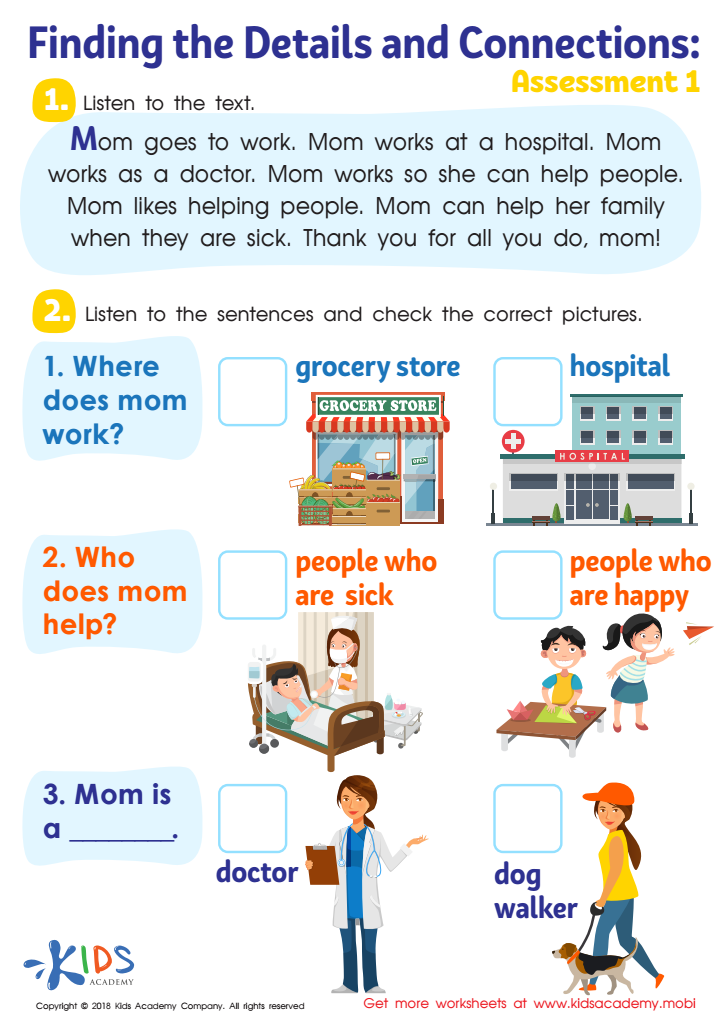
Finding the Details and Connections: Assessment 1 Worksheet
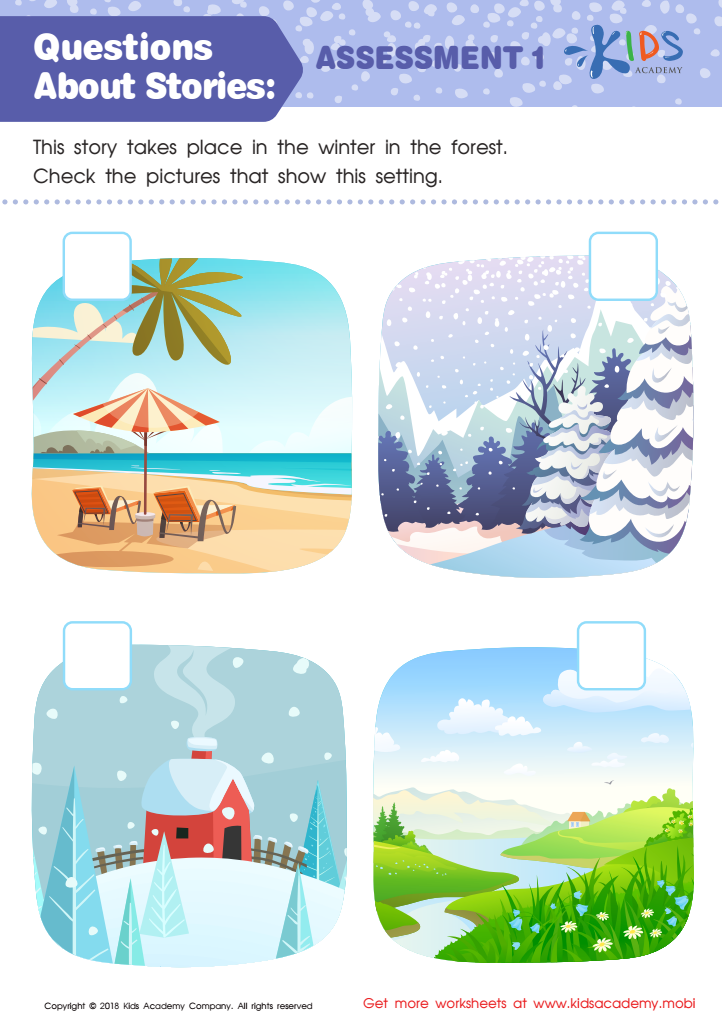
Questions About Stories: Assessment 1 Worksheet
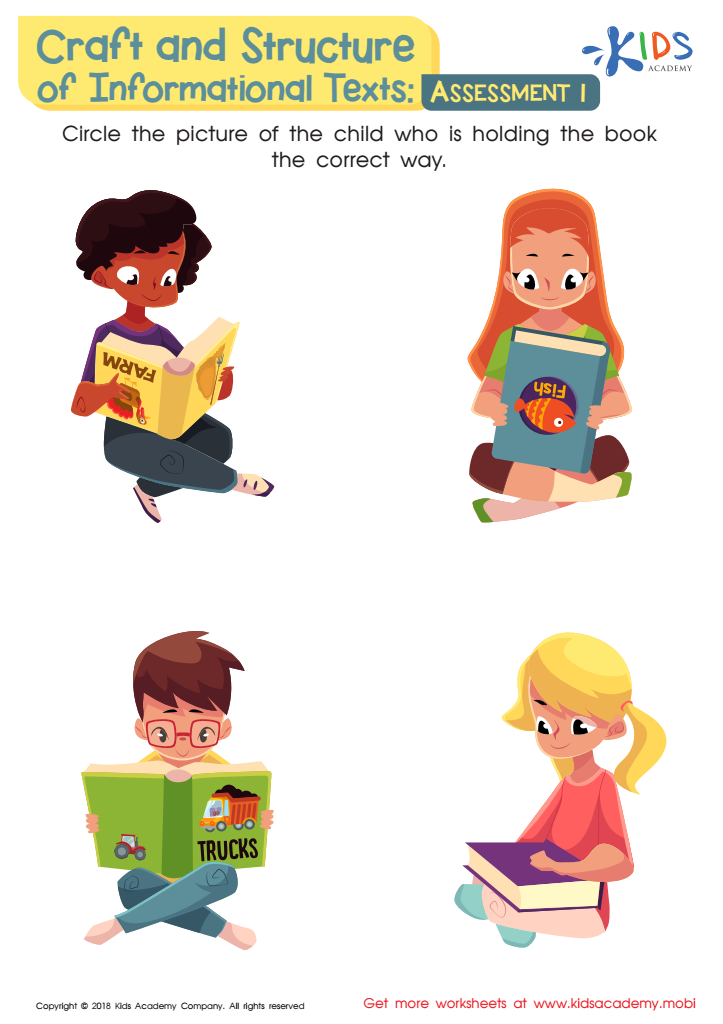
Craft and Structure of Informational Texts: Assessment 1 Worksheet
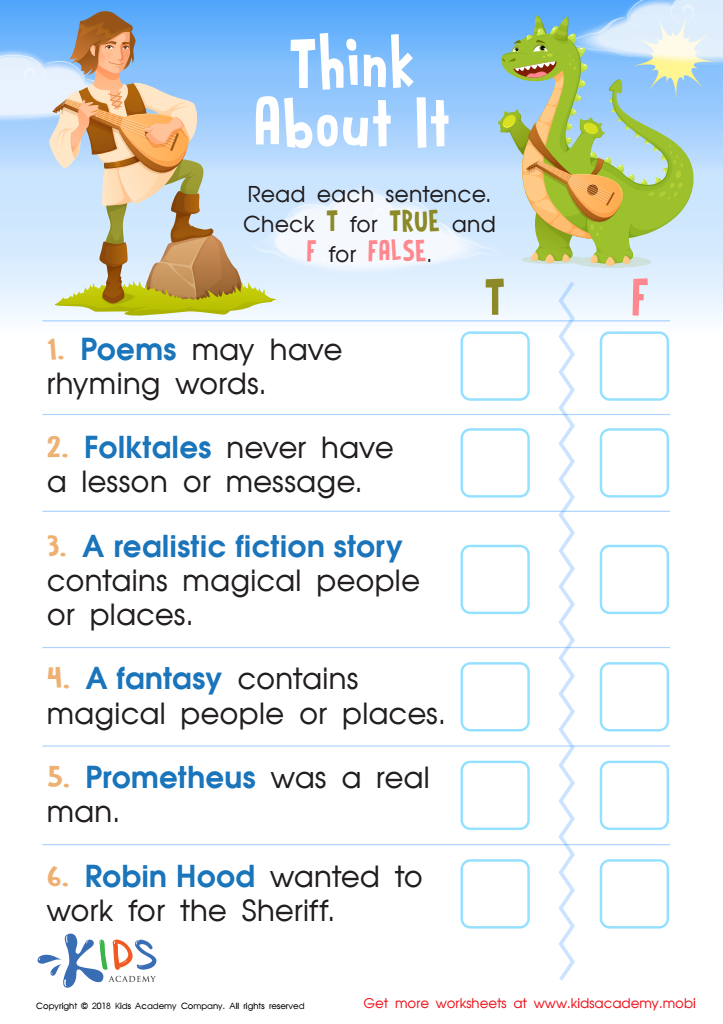
Think About It: Assessment Worksheet
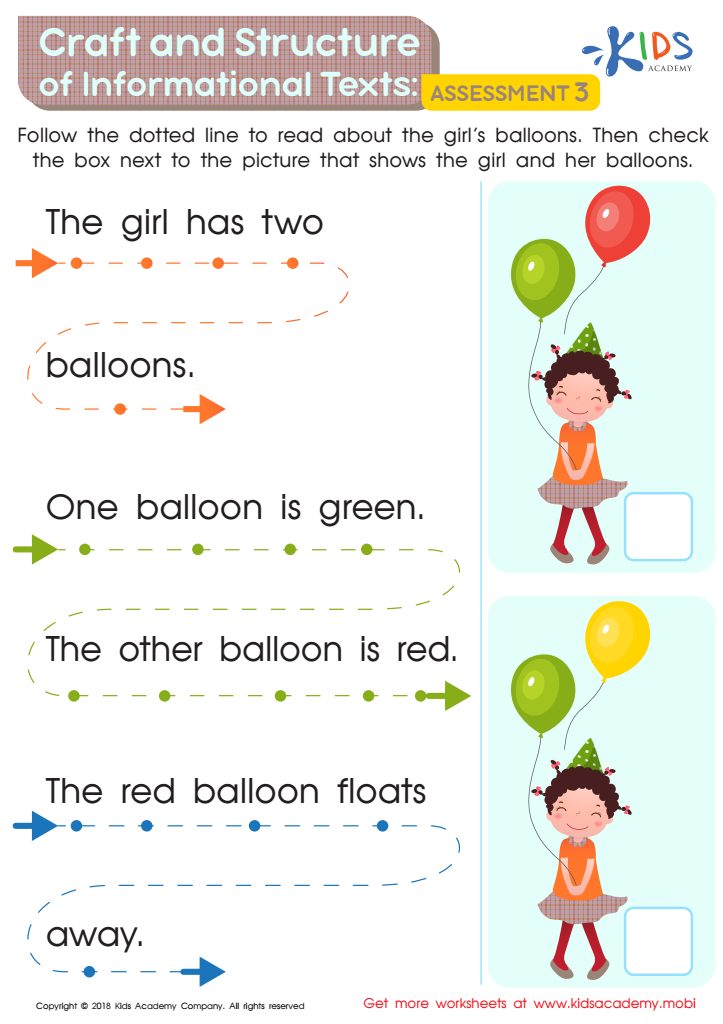
Craft and Structure of Informational Texts: Assessment 3 Worksheet







.jpg)
Reading fiction to children aged 4-8 is essential for their cognitive, emotional, and social development. During these formative years, children are naturally curious and imaginative. Engaging with fictional stories fosters creativity, allowing them to explore different worlds and perspectives. This engagement is also pivotal for language development; hearing diverse vocabulary and sentence structures boosts their linguistic skills and enhances their ability to communicate effectively.
Additionally, fiction nurtures empathy and emotional understanding. As children follow characters through their adventures, they learn to relate to others’ feelings, struggles, and triumphs. This helps cultivate emotional intelligence, important for forming healthy relationships as they grow.
Moreover, reading fiction hones critical thinking skills. As children discuss stories, ask questions, and predict outcomes, they develop analytical abilities that serve them well in academic settings and beyond. Furthermore, shared reading experiences with parents or teachers strengthen bonds and promote a love for reading, setting a foundation for lifelong literacy.
In summary, reading fiction activities enrich children's lives in multiple dimensions, enhancing language, empathy, critical thinking, and bonding with adults—making it vital for parents and teachers to prioritize these experiences in early education.








