Tracing Letters worksheets activities for Ages 5-9 - Page 3
57 filtered results
-
From - To
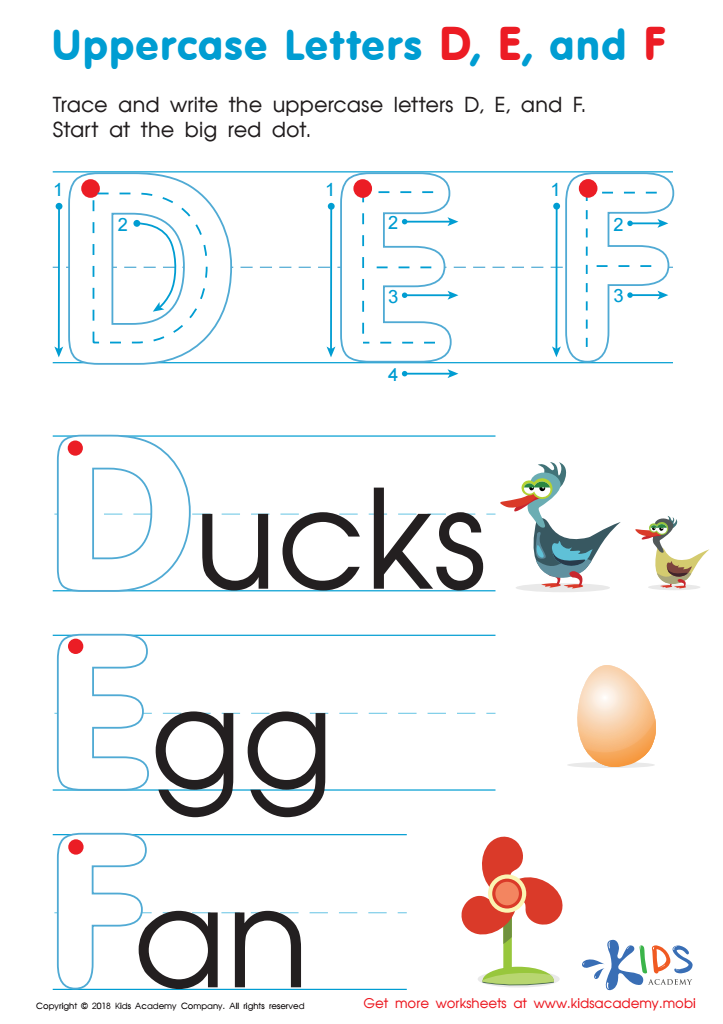
Uppercase Letters D, E, and F Worksheet
 Assign to My Students
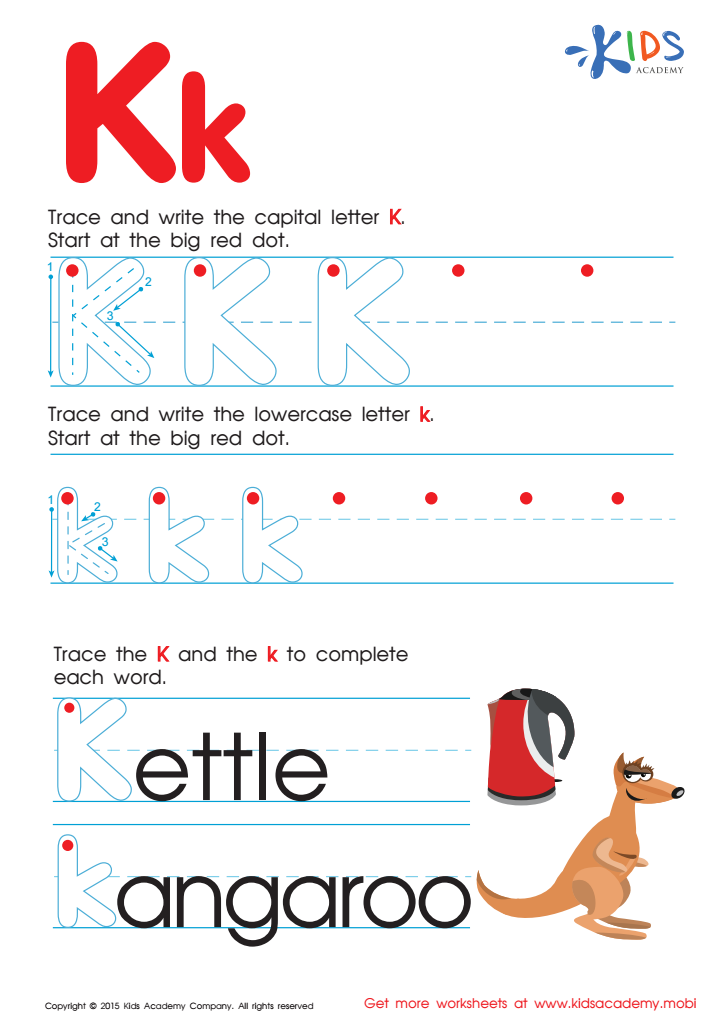
Letter K Tracing Page
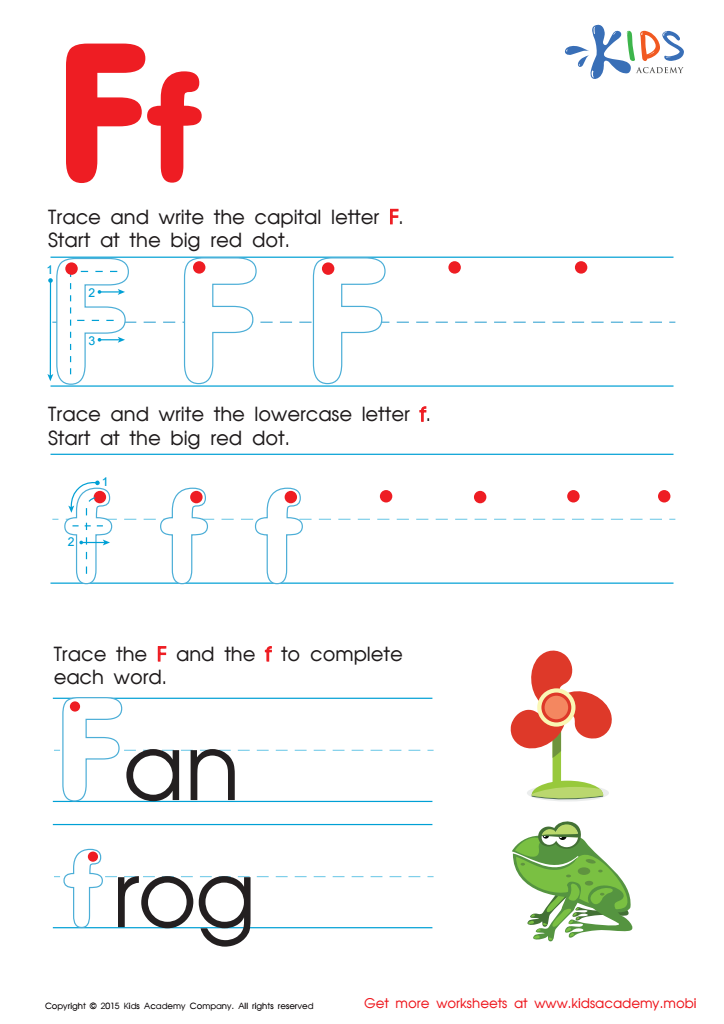
Letter F Tracing Page
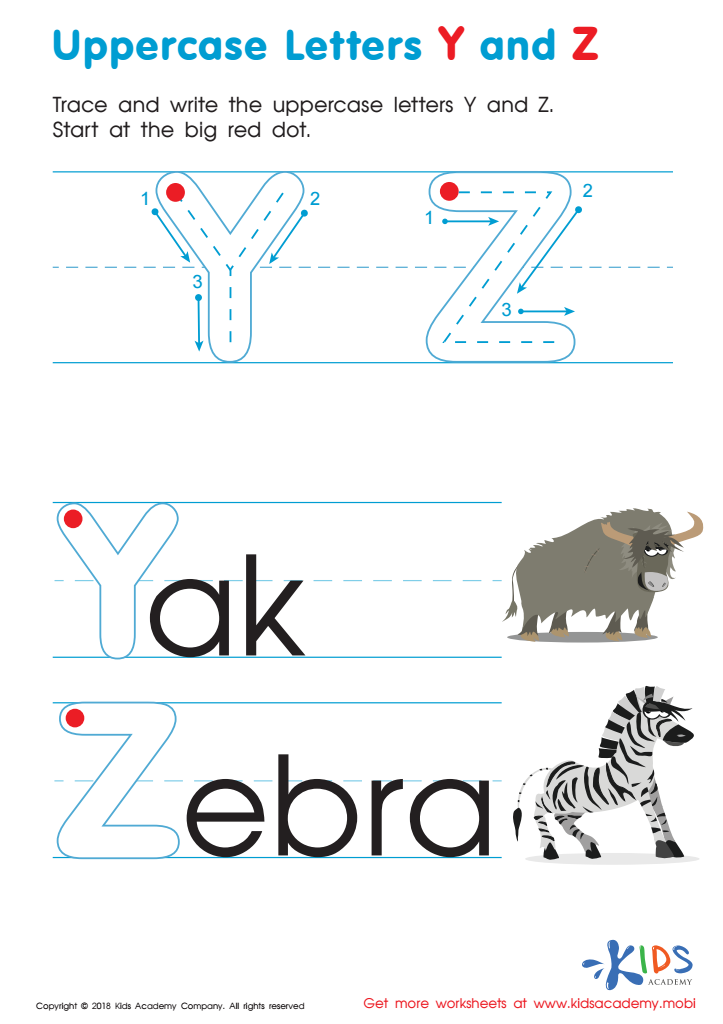
Uppercase Letters Y Z Worksheet
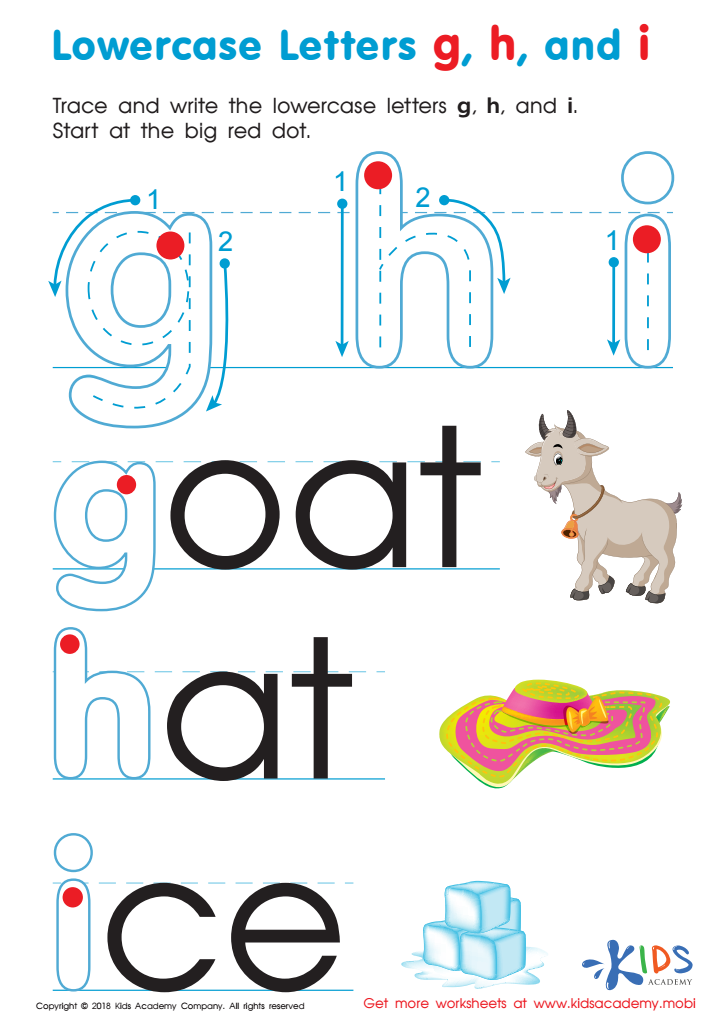
Lowercase Letters g h i Worksheet
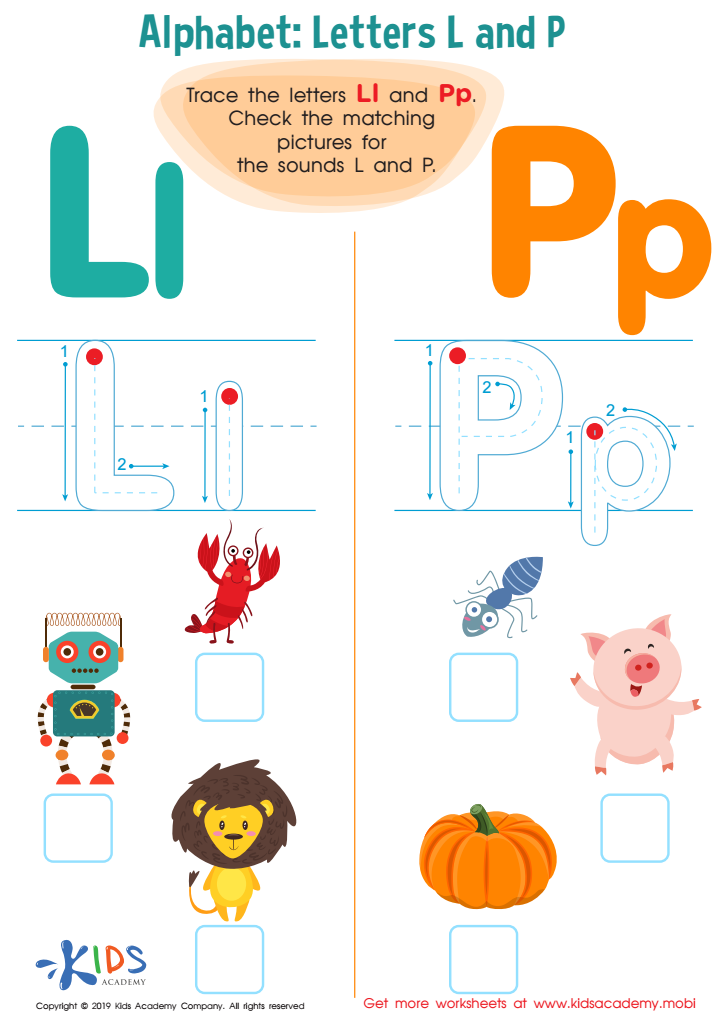
Letter L and P Tracing Worksheet
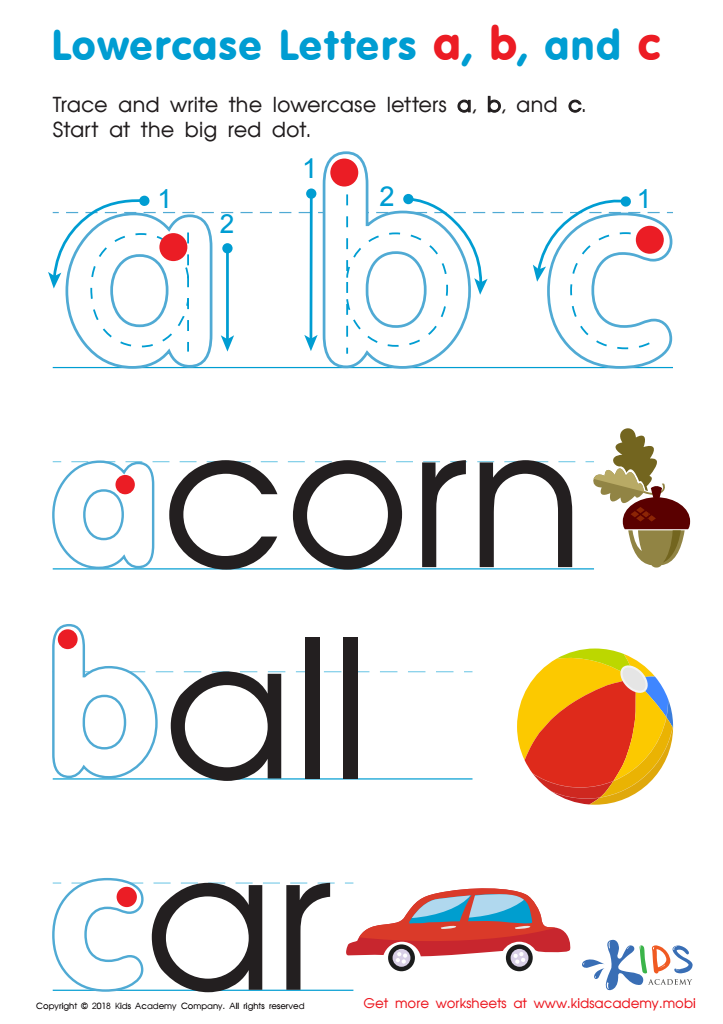
Lowercase Letters a b c Worksheet
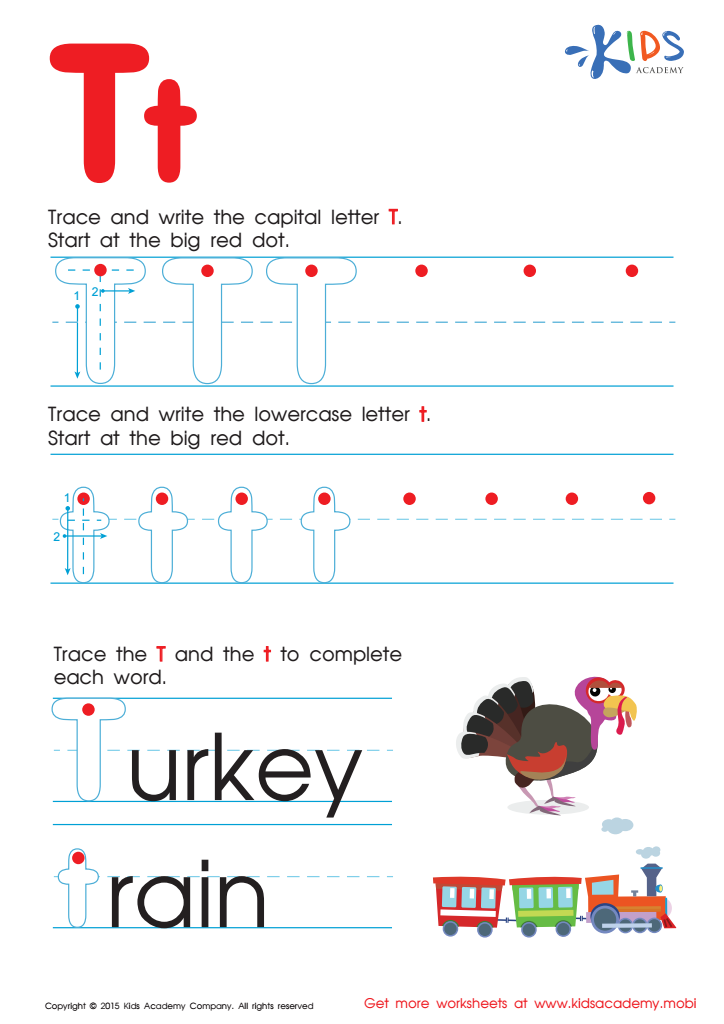
Letter T Tracing Page

Letter D Tracing Page








Tracing letters is a vital activity for children ages 5-9, playing a crucial role in their early literacy development. For parents and teachers, fostering this skill holds significant importance for several reasons. Firstly, tracing helps children develop fine motor skills, essential for writing. As they practice controlling their grip and hand movements, they gain the muscle memory needed for forming letters independently.
Moreover, tracing letters enhances letter recognition and reinforces phonemic awareness. As children trace, they learn the shapes and sounds of letters, building a foundation for reading and spelling. This activity also encourages focus and concentration, skills that are beneficial not only in literacy but across all areas of learning.
Additionally, tracing can be an enjoyable and interactive way for parents and teachers to engage with children, allowing for positive reinforcement and support. It fosters a love for writing by making the process enjoyable, setting the stage for confident writers in the future.
Overall, incorporating tracing letters into daily activities provides essential building blocks for literacy, boosts self-esteem, and strengthens the bond between children and their caregivers, making it a worthwhile endeavor for both parents and teachers.








