Mazes worksheets activities for Ages 6-8 - Page 4
80 filtered results
-
From - To
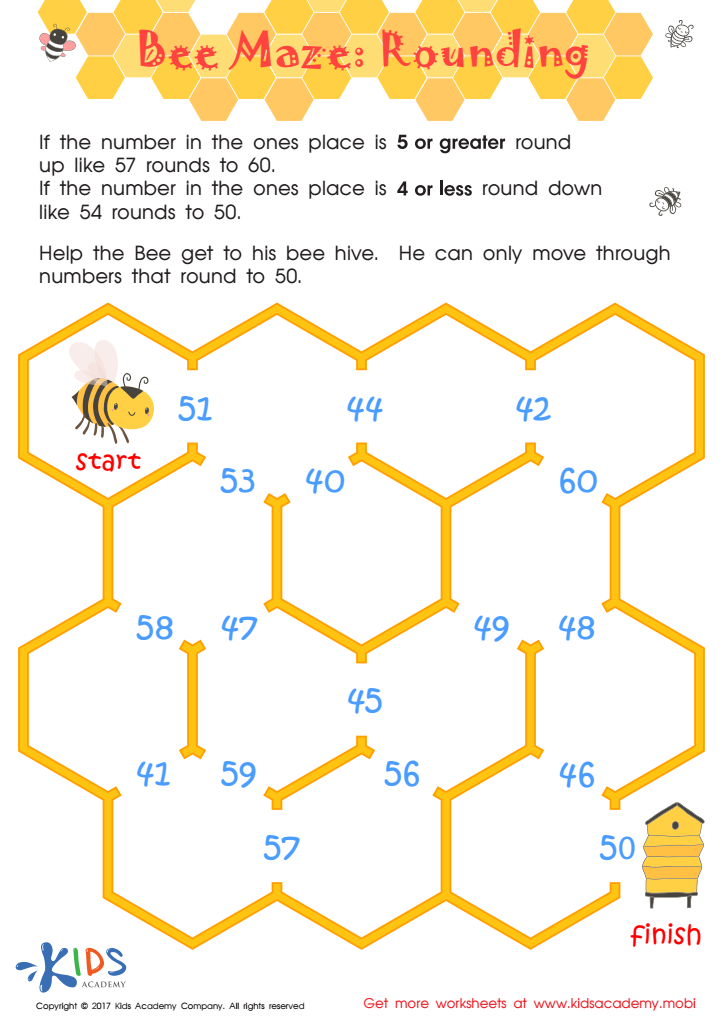
Bee Maze Worksheet
 Assign to My Students
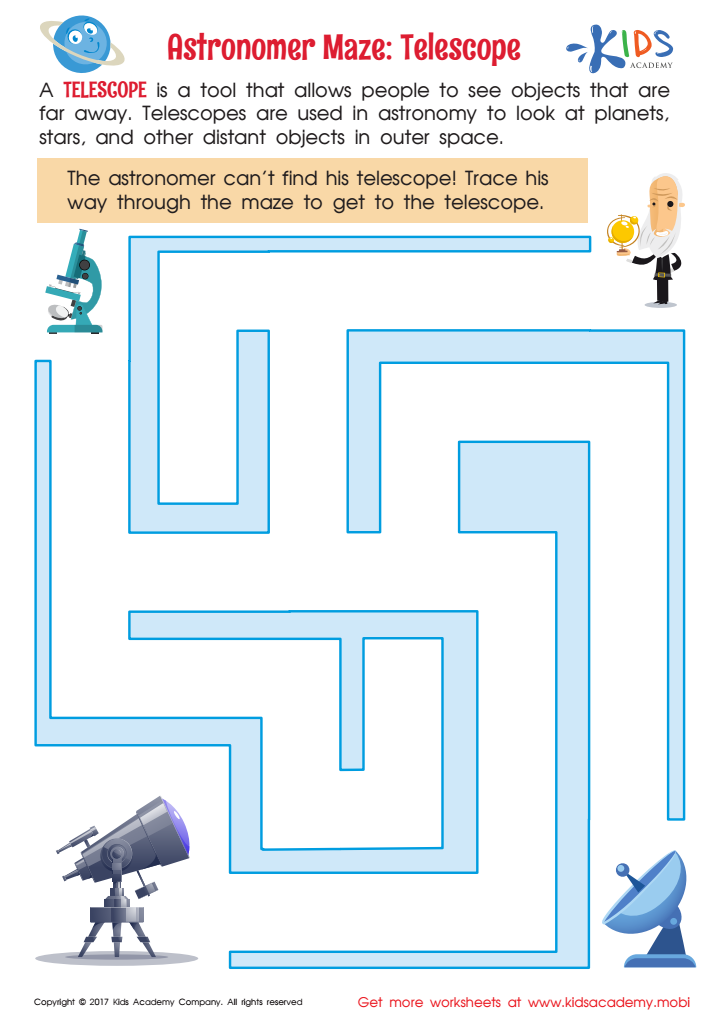
Astronomer Maze: Telescope Worksheet
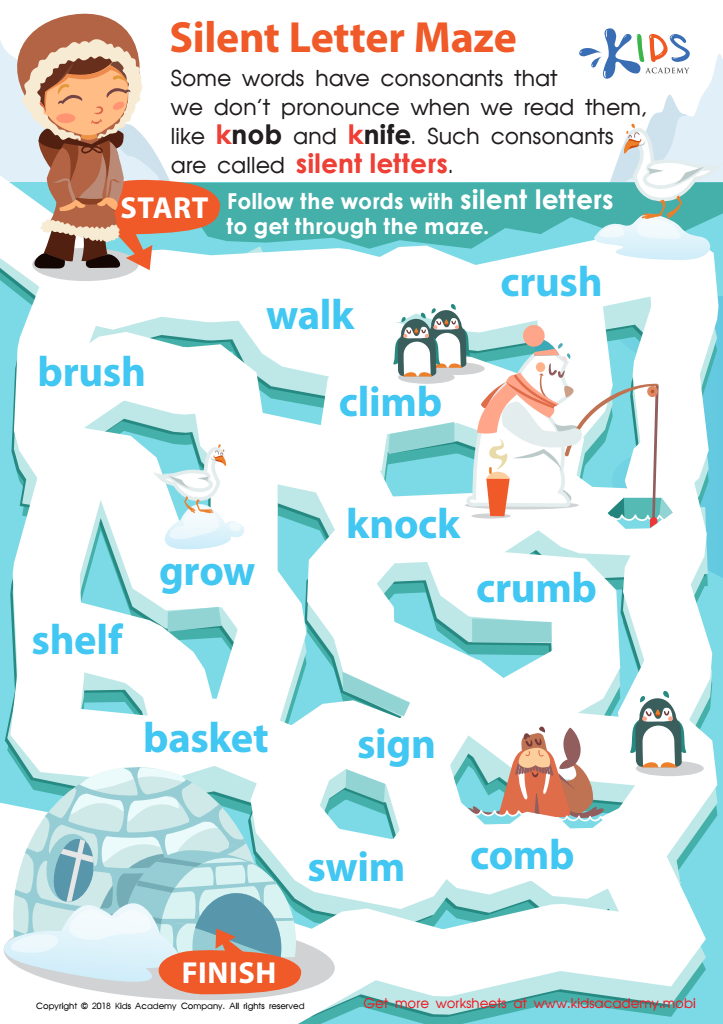
Silent Letter Maze Worksheet
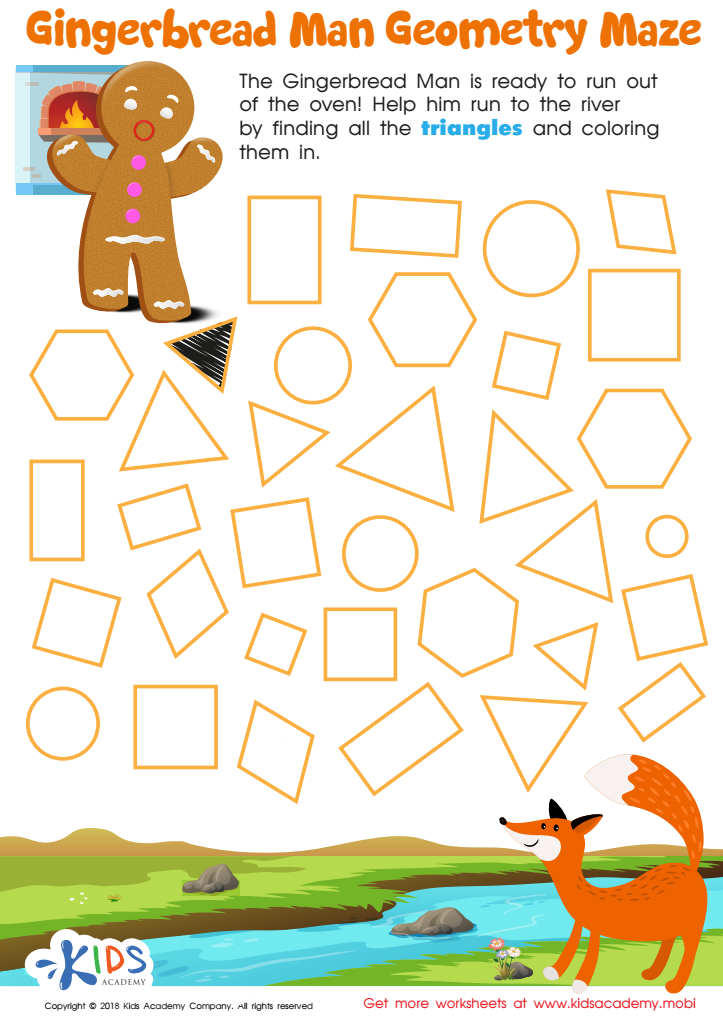
Gingerbread Man Geometry Maze Worksheet
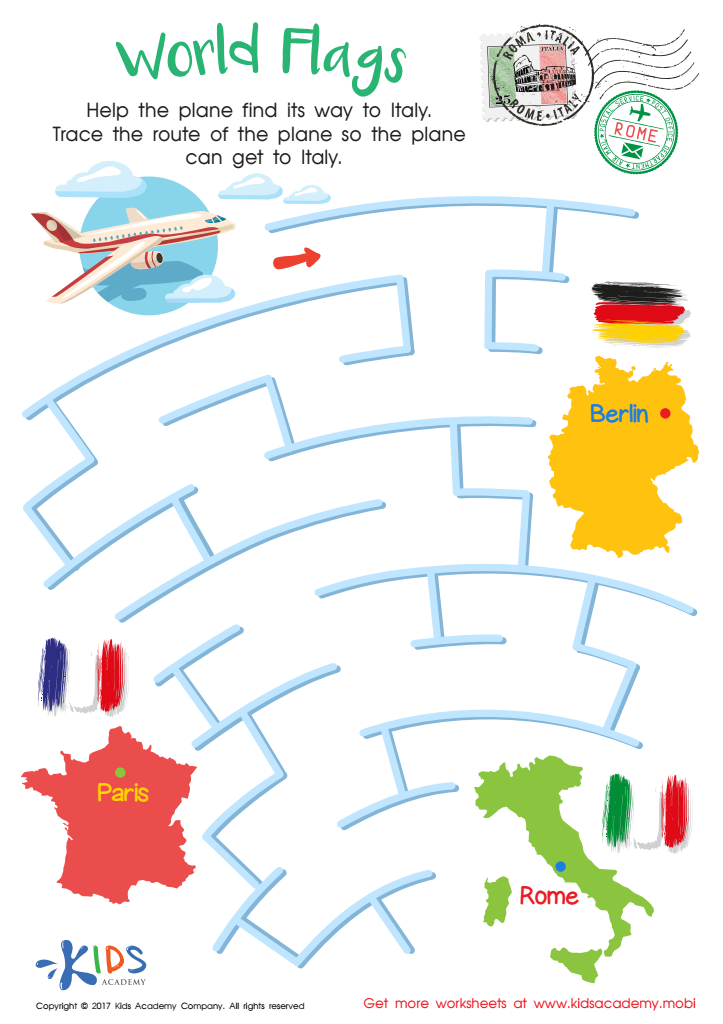
World Flags Maze Worksheet
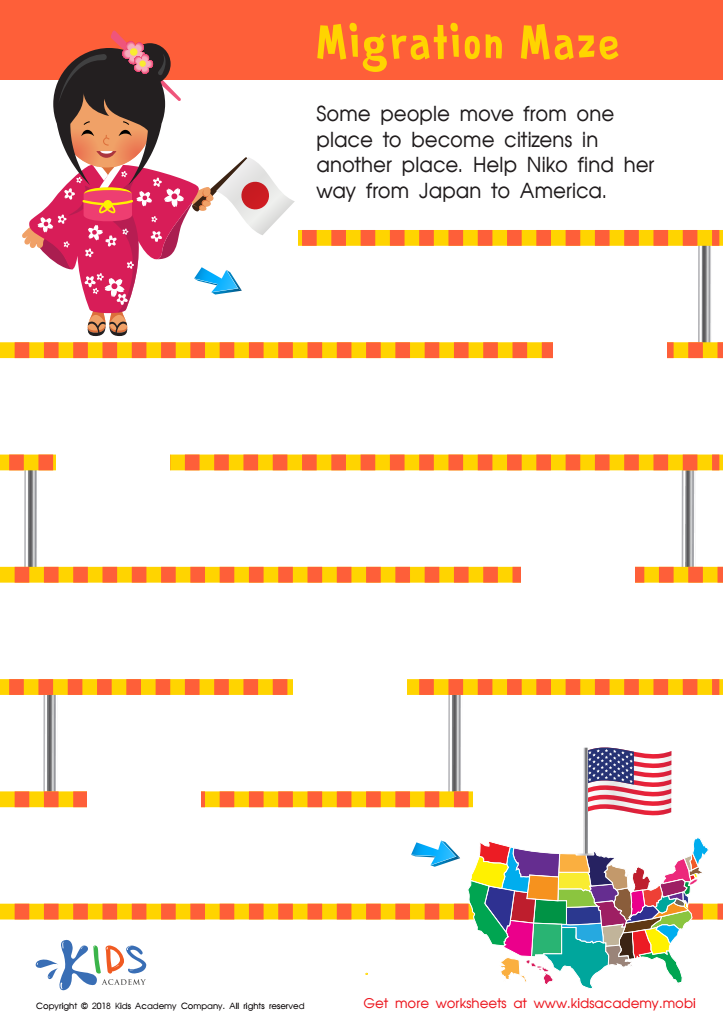
Migration Maze Worksheet
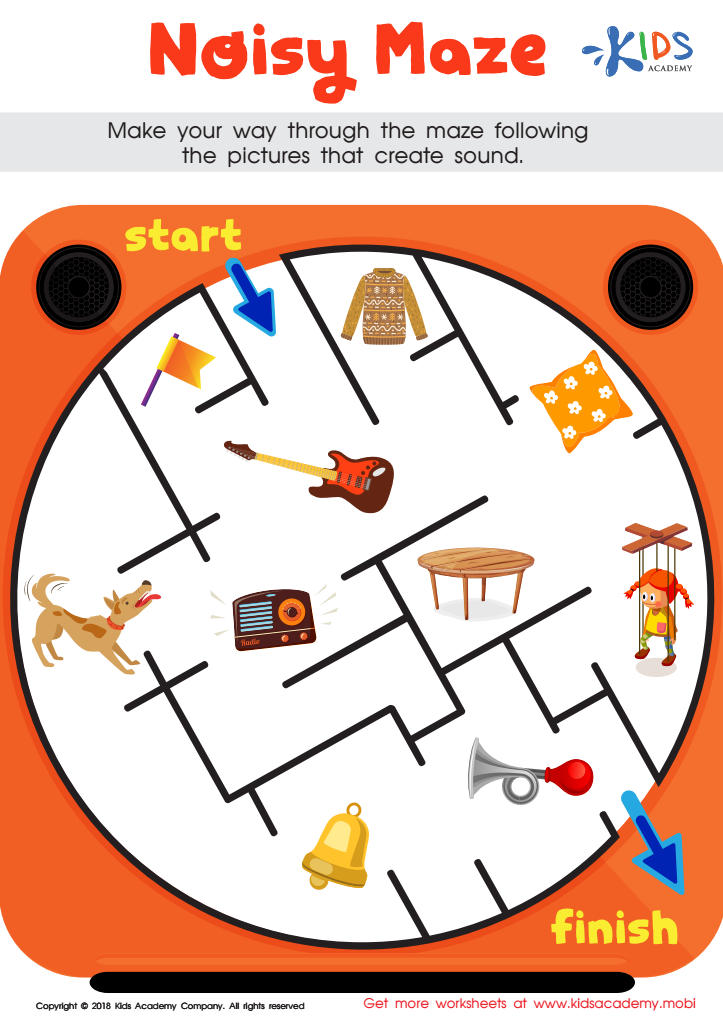
Noisy Maze Worksheet
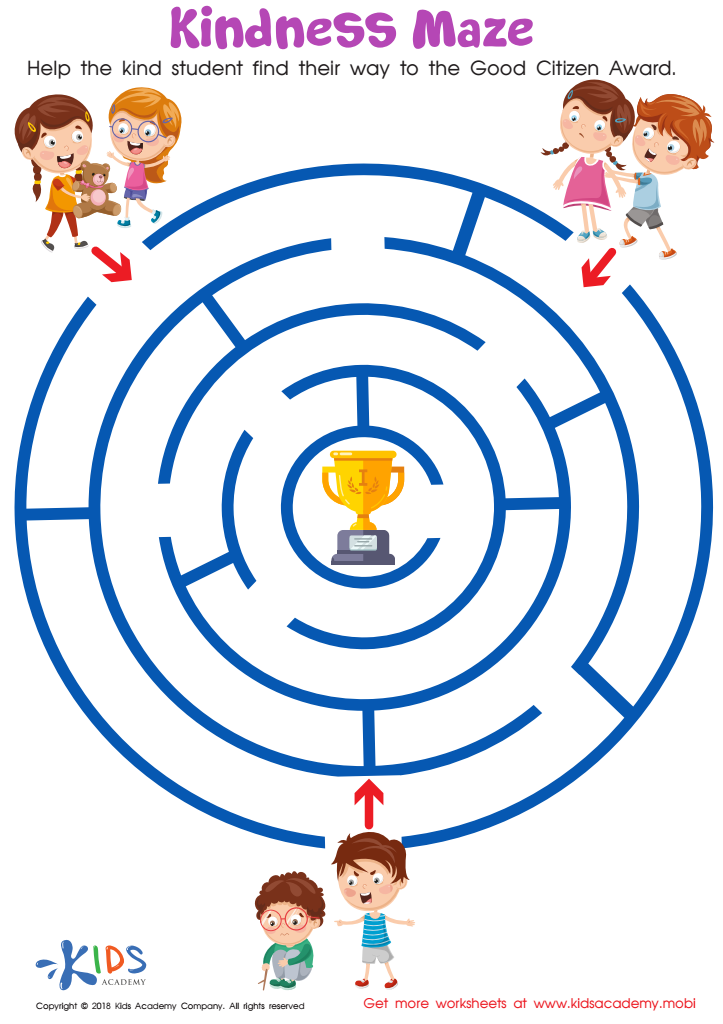
Kindness Maze Worksheet





Mazes activities for children aged 6-8 offer a multitude of educational benefits that both parents and teachers should prioritize. Firstly, these activities enhance critical thinking and problem-solving skills. As children navigate mazes, they learn to devise strategies, assess different paths, and make decisions, which are vital cognitive abilities that will serve them well in all areas of learning.
Additionally, maze activities promote hand-eye coordination and fine motor skills as children manipulate pens or pencils to trace their paths. This physical engagement supports their overall development, which is crucial during these formative years. Mazes can foster resilience, as children encounter challenges and learn to persevere in finding solutions.
Mazes also provide an excellent opportunity for language development. For example, discussing strategies or following written instructions engages their verbal and comprehension skills. They often use reasoning skills to explain their choices and thought processes, enhancing their communication abilities.
Furthermore, mazes can be a fun and engaging way to instill a love for learning. Integrating educational themes into maze design can also reinforce subjects like math and geography, making learning interactive. By incorporating mazes into educational settings, parents and teachers can nurture essential skills in an enjoyable context, contributing significantly to overall childhood development.








