Cursive Writing worksheets activities for Ages 6-8 - Page 2
26 filtered results
-
From - To
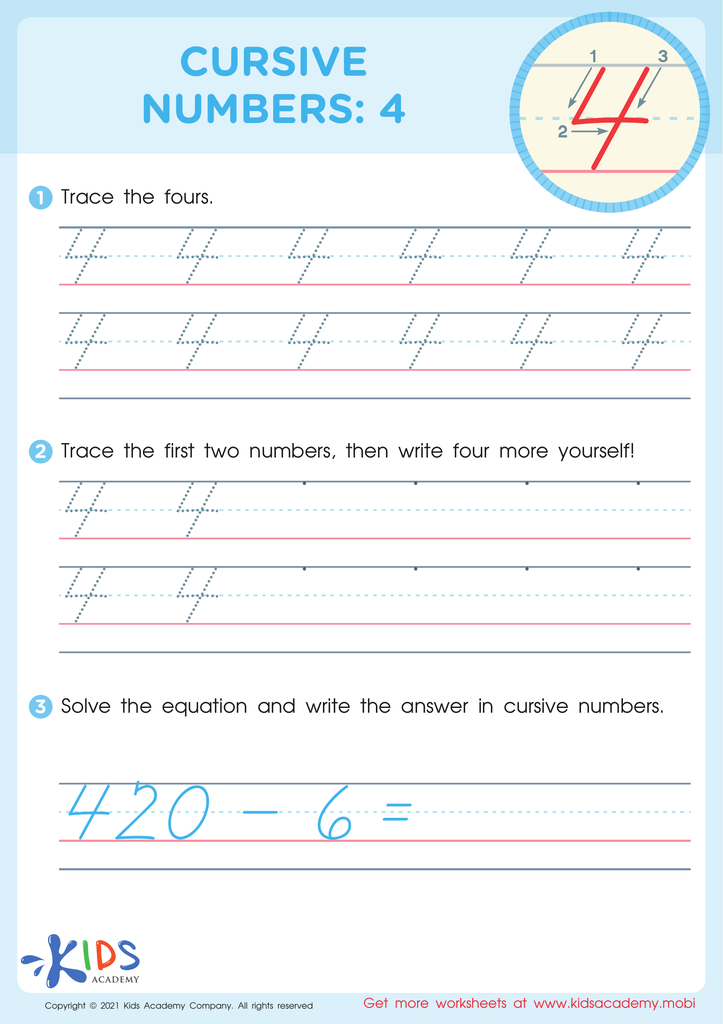
Cursive Numbers: 4 Worksheet
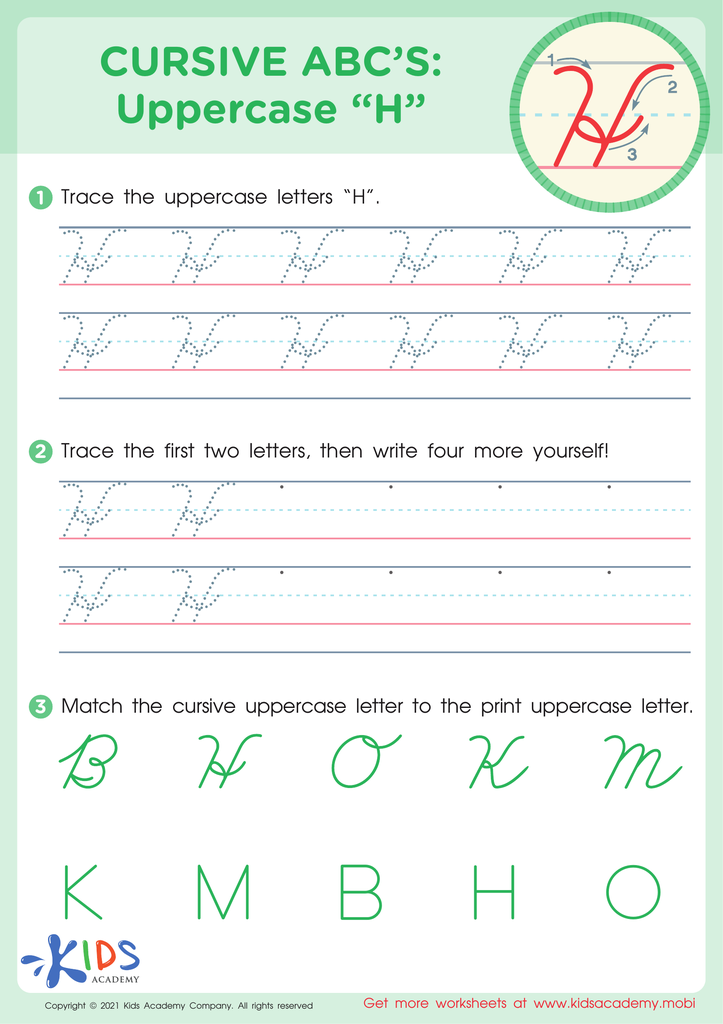
Cursive ABCs: Uppercase H






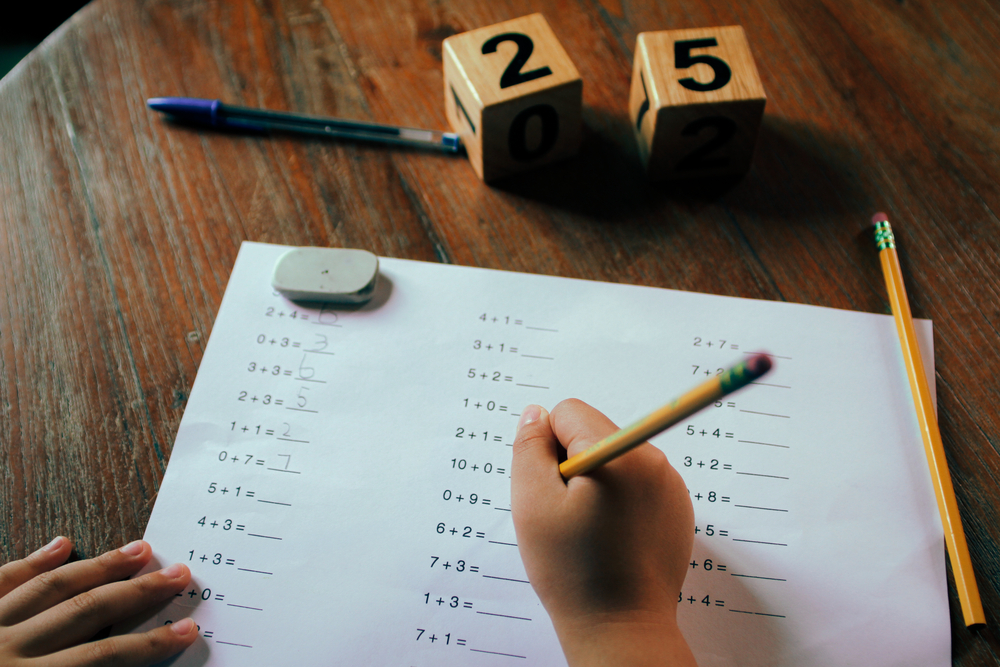

Cursive writing offers significant benefits for children aged 6-8, making it an essential focus for both parents and teachers. First, it enhances fine motor skills. The fluid motion required for cursive helps children develop precise hand-eye coordination, which is crucial for various daily tasks. Secondly, learning cursive supports cognitive development. The act of forming letters in a continuous flow encourages engagement and memory retention, making writing more manageable and quicker for young learners.
Furthermore, cursive writing fosters individuality and creativity. Students can develop their personal style, which boosts their confidence and encourages self-expression. It also solidifies their understanding of letter formation, leading to improved overall writing skills. Importantly, cursive writing plays a role in literacy development; the connection between letters can promote better phonemic awareness, helping young learners decode and construct words.
Lastly, in our increasingly digital world, the ability to write in cursive remains valuable. It enhances signature skills, promotes the comprehension of historical texts, and provides a deeper connection to writing as an art form. Recognizing these advantages will help parents and teachers prioritize cursive writing activities, ensuring children are well-equipped for both academic success and personal expression.








