Normal Mazes worksheets activities for Ages 5-9 - Page 2
33 filtered results
-
From - To
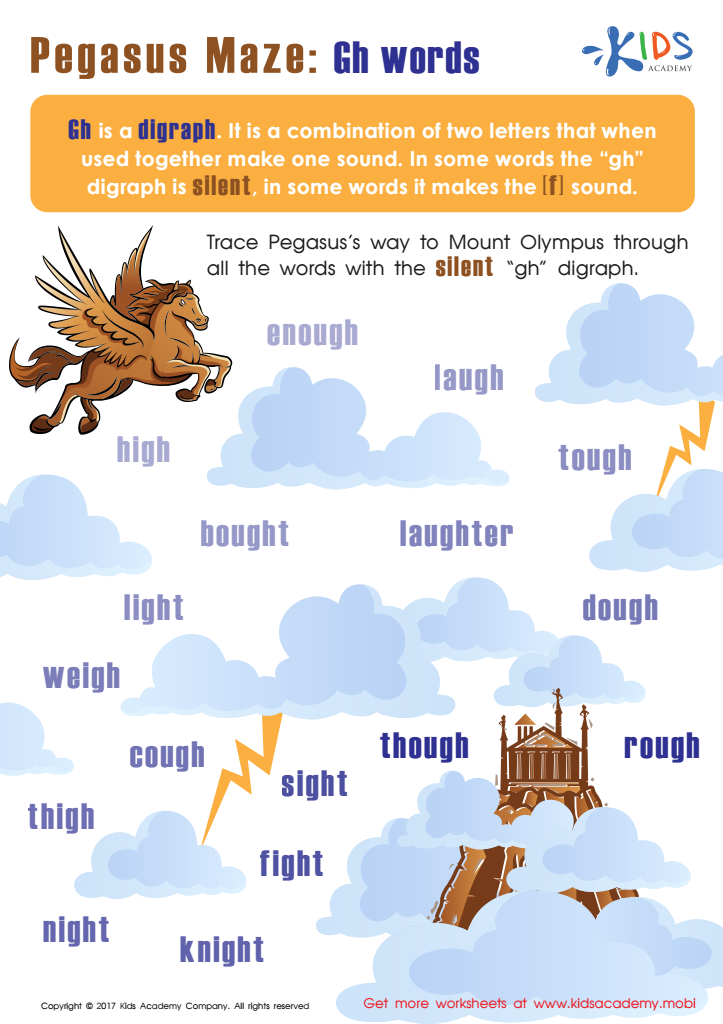
Pegasus Maze: GH Words Worksheet
 Assign to My Students
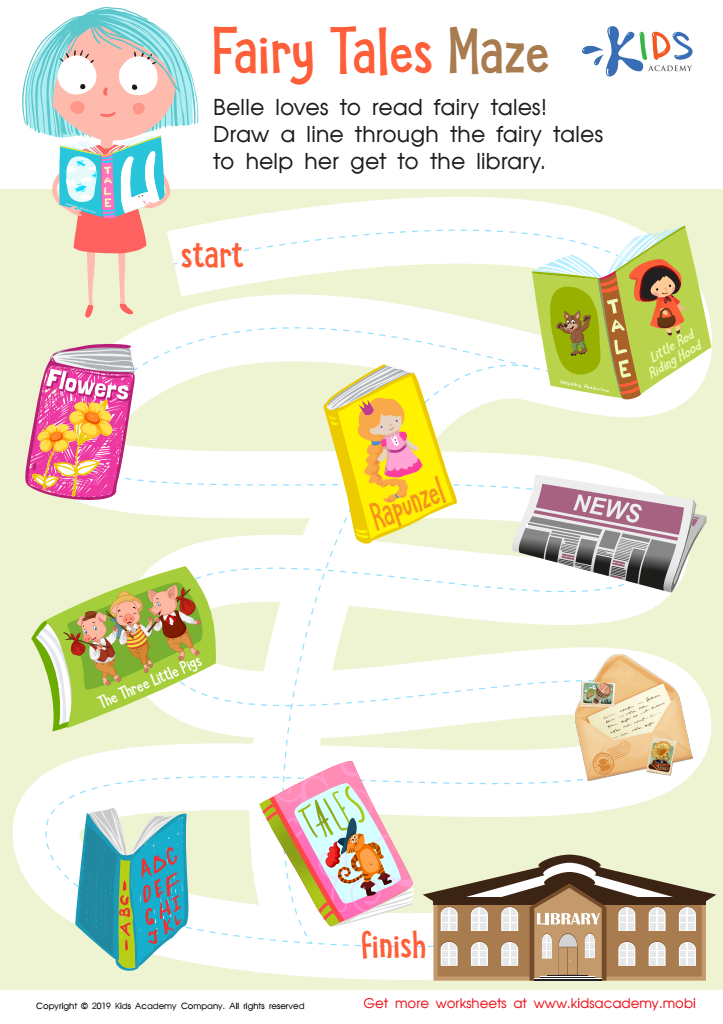
Fairy Tales Maze Worksheet
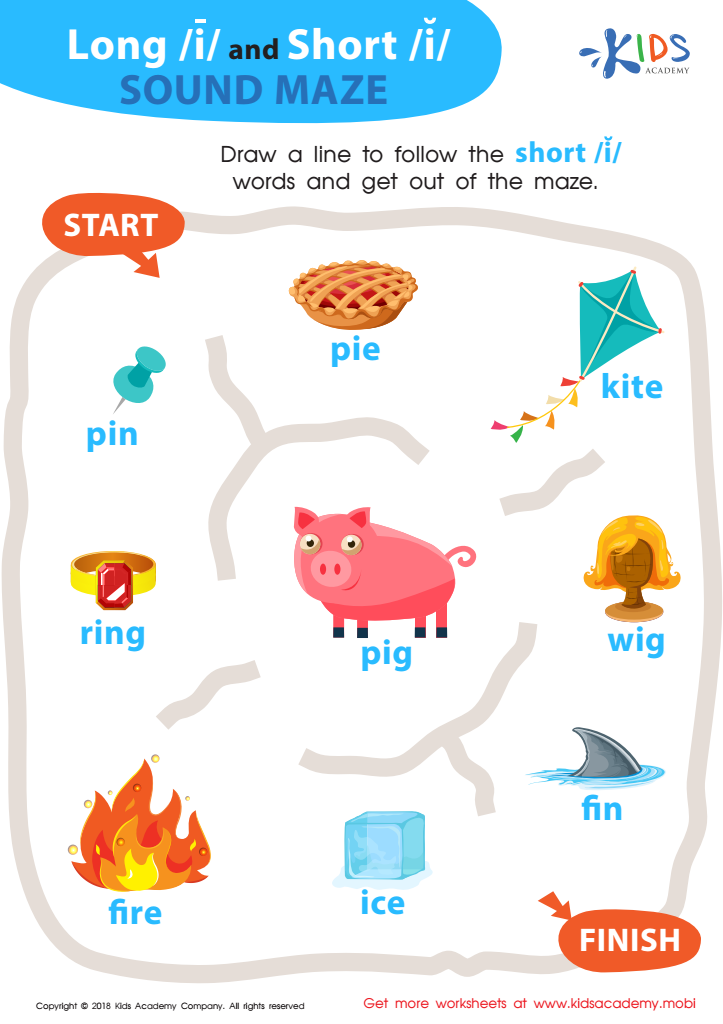
Reading: Long I and Short I Sound Maze Worksheet
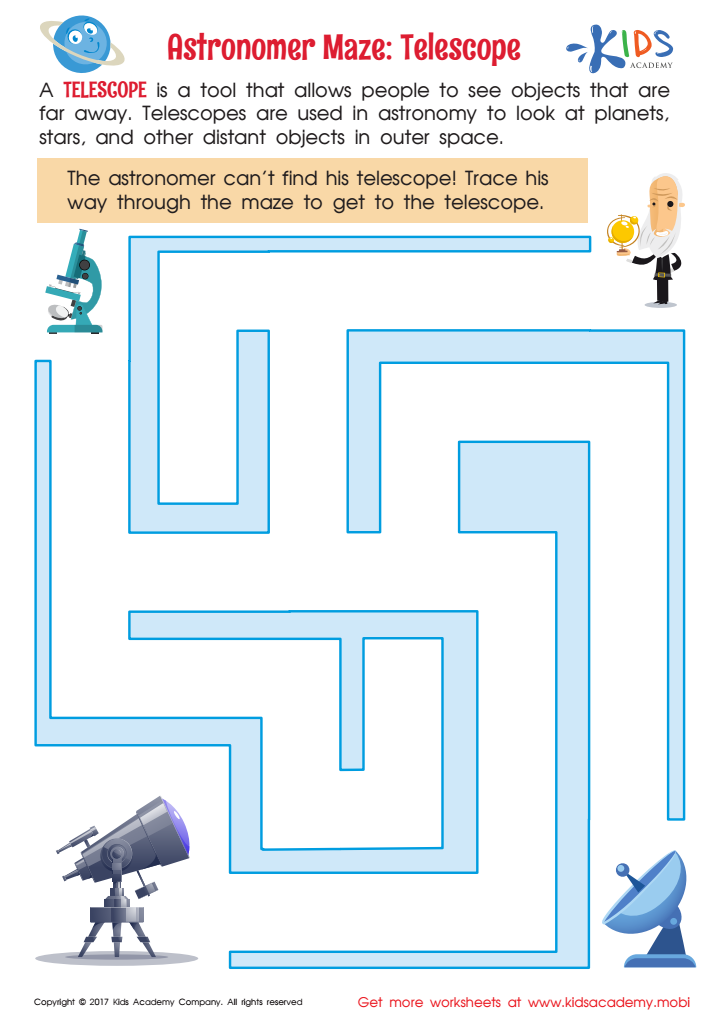
Astronomer Maze: Telescope Worksheet
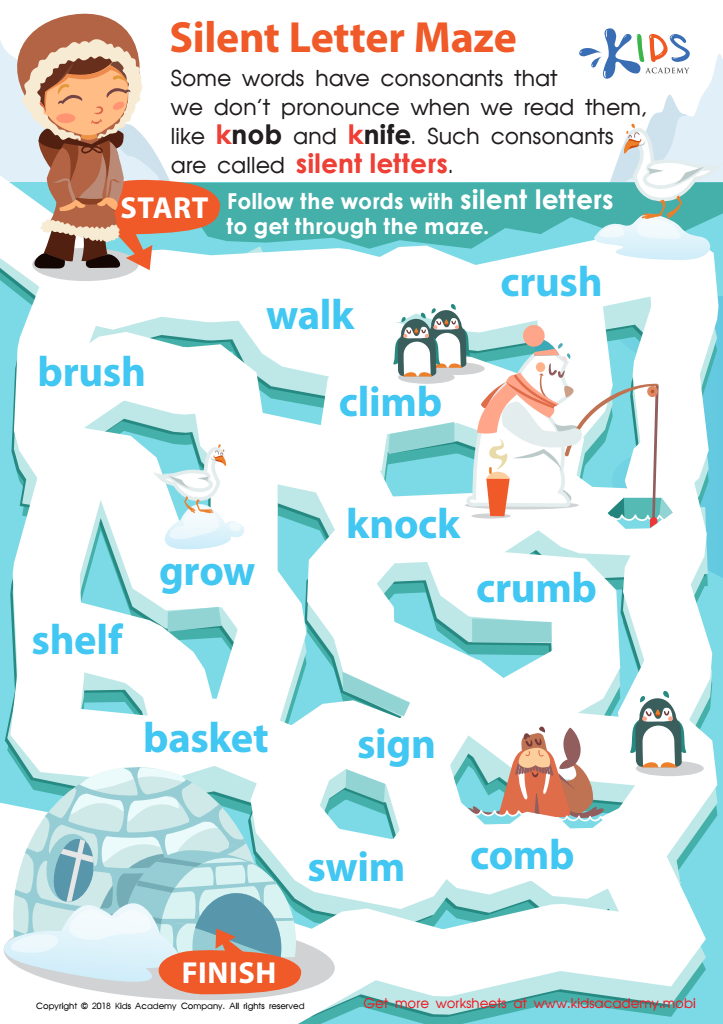
Silent Letter Maze Worksheet
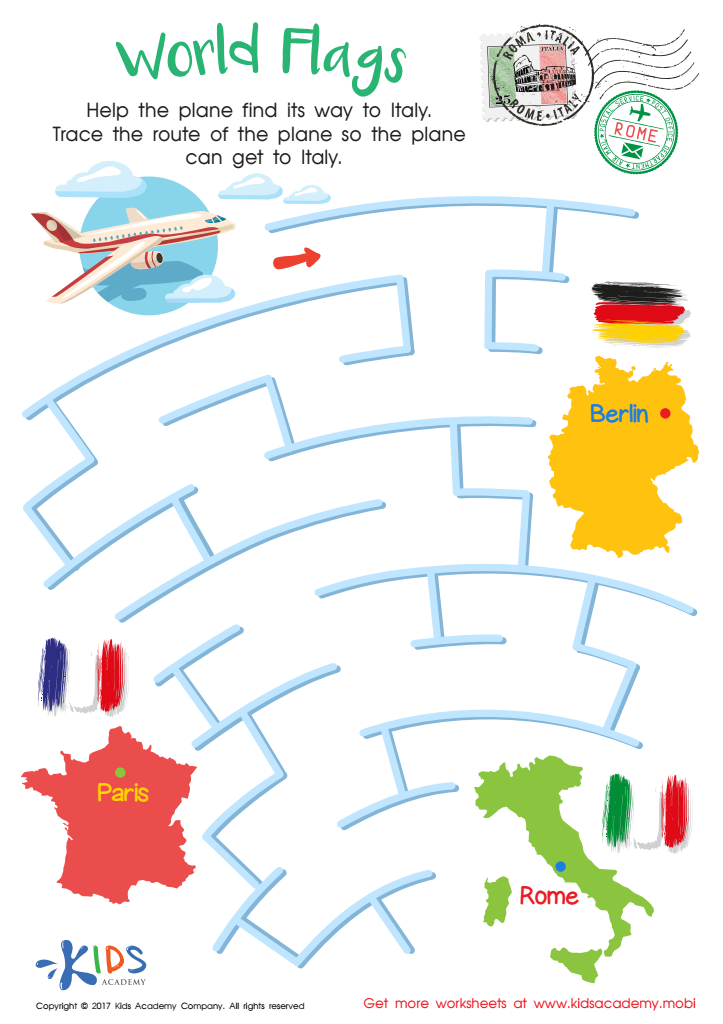
World Flags Maze Worksheet
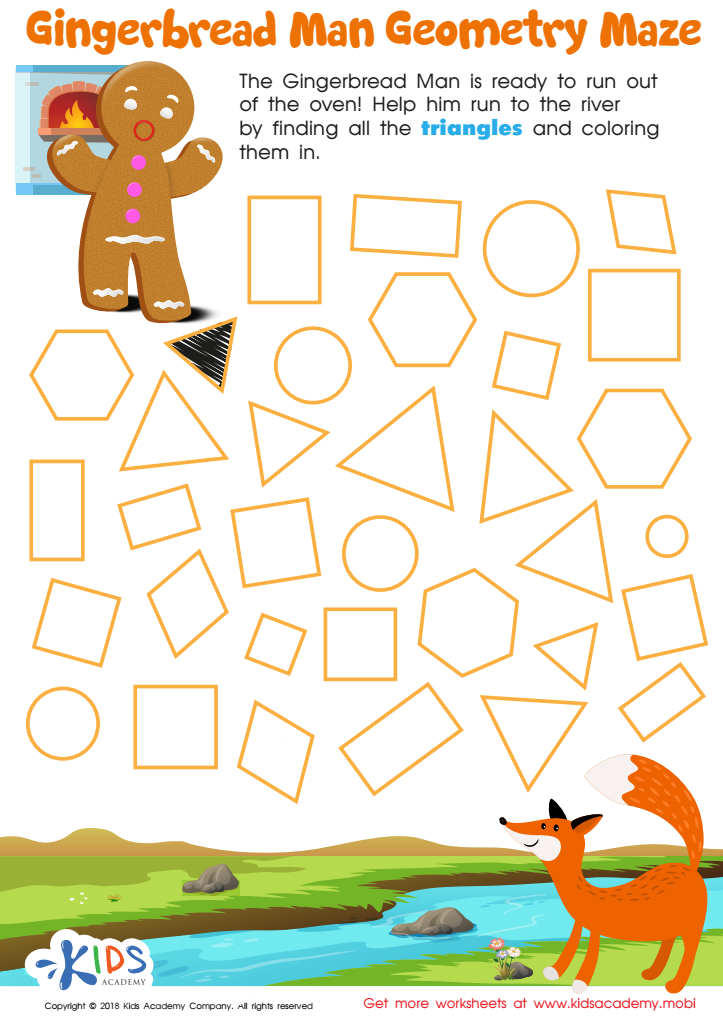
Gingerbread Man Geometry Maze Worksheet
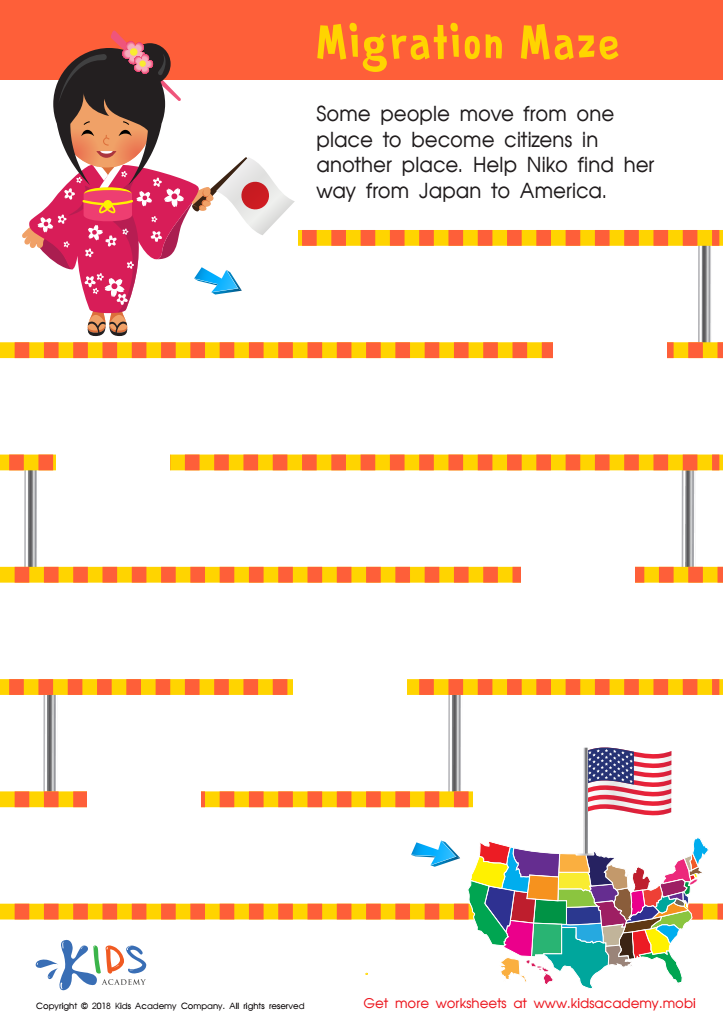
Migration Maze Worksheet
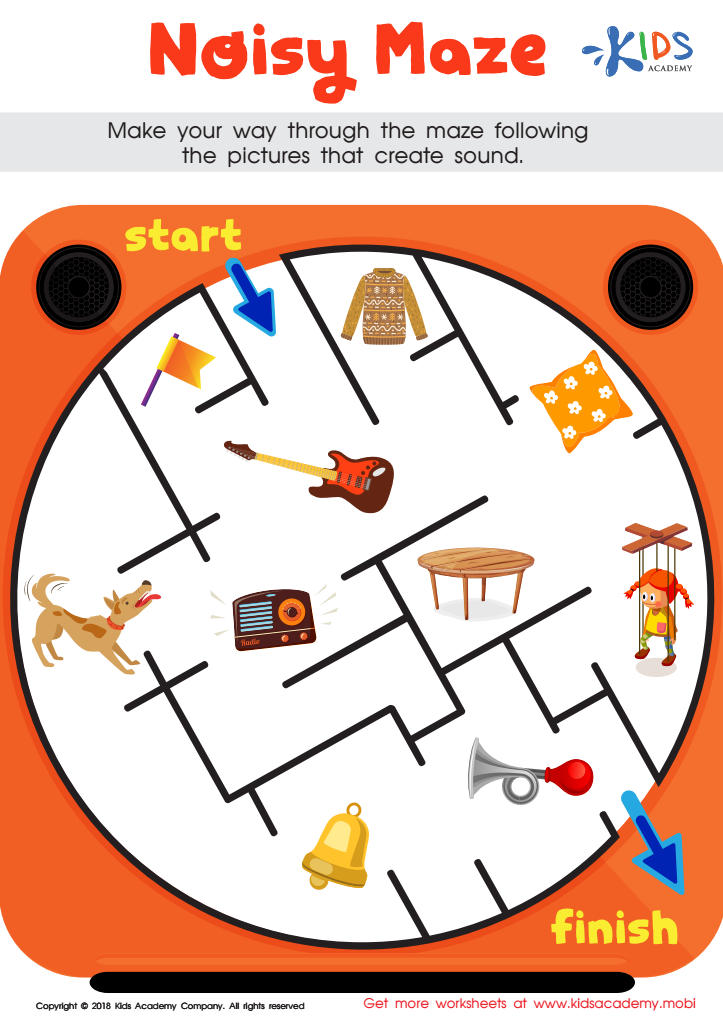
Noisy Maze Worksheet








Normal Mazes activities for ages 5-9 provide numerous developmental benefits essential for young children. First and foremost, these activities hone critical cognitive skills, such as problem-solving and logical thinking. As children navigate through mazes, they learn to plan their routes and make decisions, fostering independence and analytical skills.
Moreover, mazes promote fine motor skills as children use pencils or crayons to trace paths, enhancing their hand-eye coordination and dexterity. This practice is particularly important for preparing young learners for writing tasks and other academic activities.
Additionally, Normal Mazes can stimulate a child's creativity and imagination. Each maze presents a unique challenge that engages their curiosity and encourages perseverance, both vital traits for academic success. They also help in developing spatial awareness as children visualize and understand directions, which are fundamental skills in math and science.
For parents and teachers, incorporating maze activities into learning time blends fun with education, making it a valuable tool for engagement and motivation. Moreover, these activities can be easily adapted for varying skill levels, allowing for personalized learning experiences. Overall, embracing Normal Mazes in educational settings nurtures a well-rounded foundation for children.








