Normal Tracing worksheets activities for Ages 5-9 - Page 5
98 filtered results
-
From - To
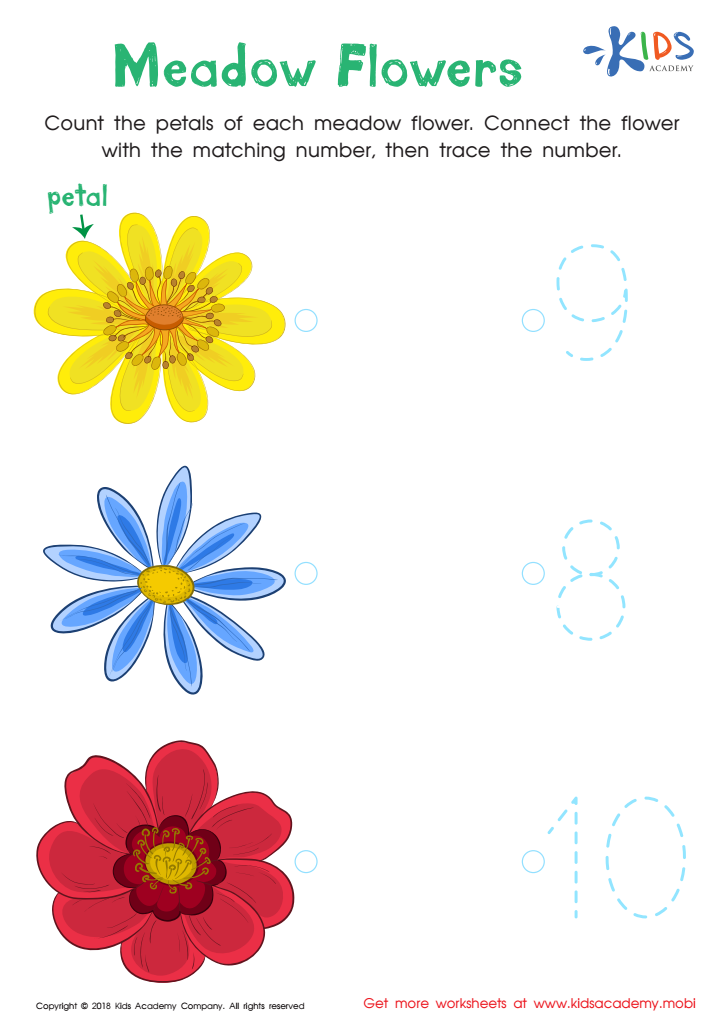
Kindergarten Number Tracing: Medow Flowers Worksheet
 Assign to My Students
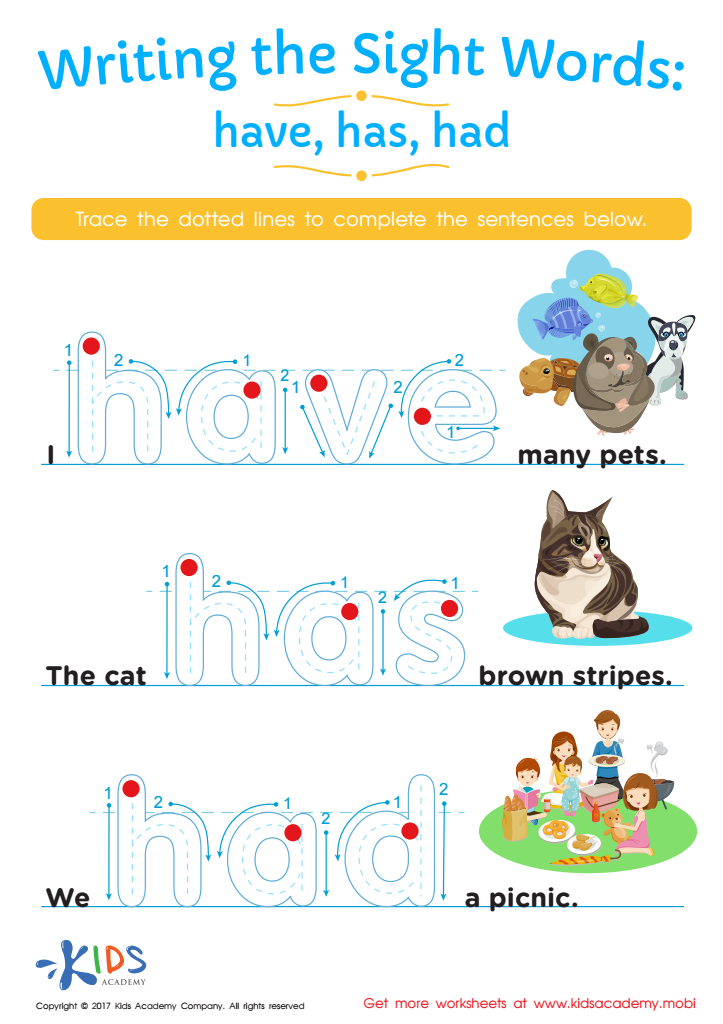
Have, Has, Had Worksheet Sight Words Worksheet



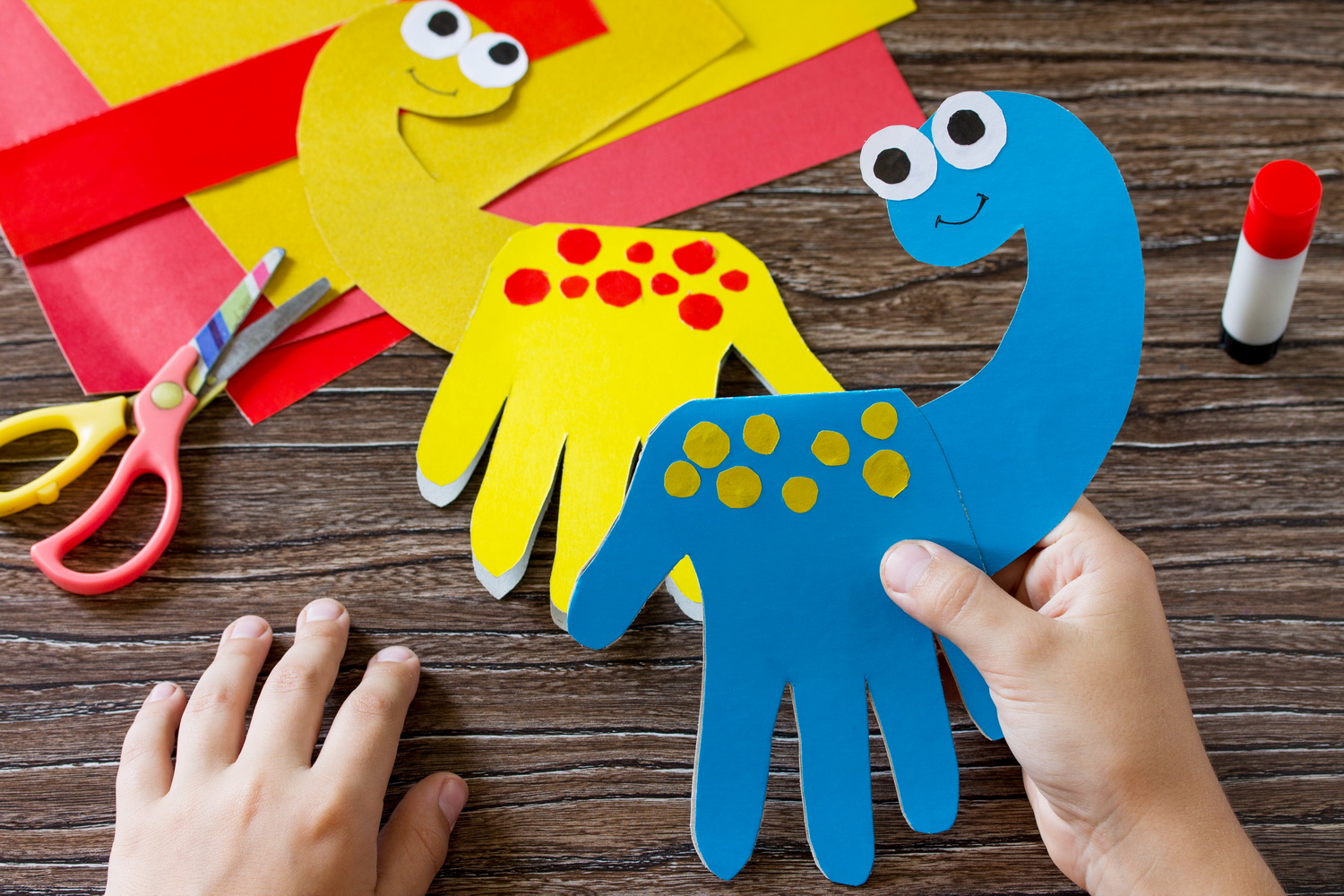




Normal Tracing activities for children aged 5-9 play a crucial role in their early development, making them vital for parents and teachers alike. These activities foster fine motor skills essential for handwriting and other daily tasks, enabling children to gain better control over writing instruments and tools. As children trace letters, numbers, and various shapes, they also enhance their hand-eye coordination, which is foundational for numerous physical actions.
Moreover, Normal Tracing activities cultivate cognitive abilities, including visual perception and pattern recognition. While engaging in tracing, children learn to distinguish between different shapes, letters, and patterns, which boosts their overall literacy and numeracy skills. These activities often incorporate colors and creativity, allowing children to express themselves artistically, which enhances their self-confidence and emotional development.
Additionally, tracing can instill a love for learning, often creating a playful and educational experience. This keeps children engaged, reducing resistance to providing effort in their learning journey. For parents and teachers, promoting Normal Tracing activities is an opportunity to support holistic development and foster independent learning in young children, preparing them for more complex skills in the future. Supporting these foundations can ensure children have a smoother transition into formal education and daily tasks.








