Alphabet Recognition ABC Letters Worksheets for Ages 3-4 - Page 2
31 filtered results
-
From - To
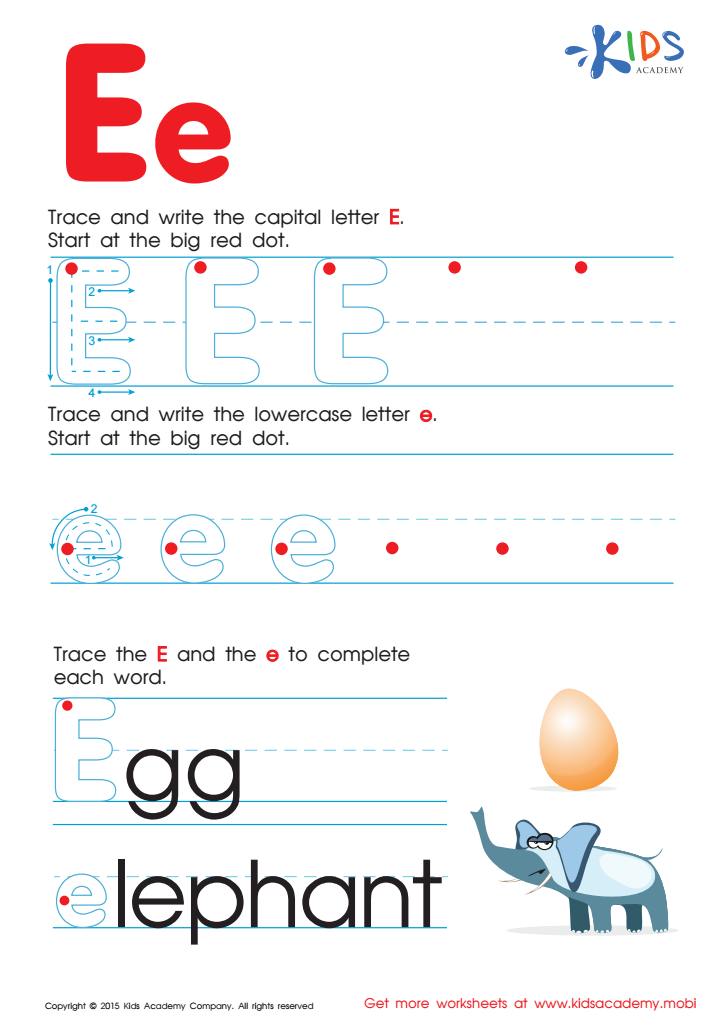
Letter E Tracing Page







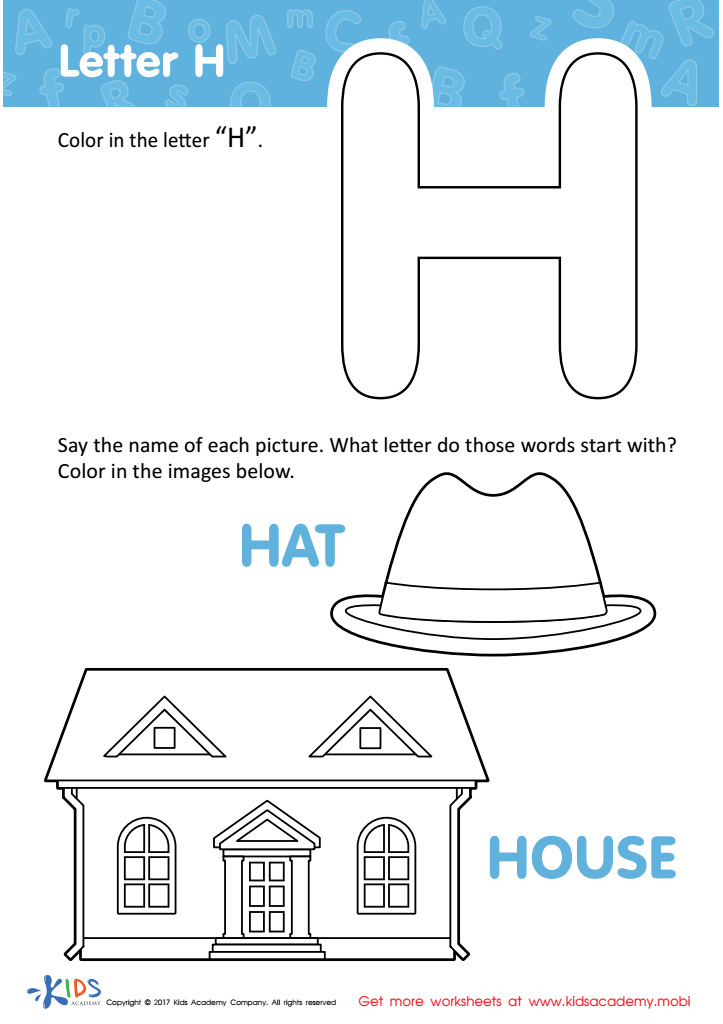
Letter H Coloring Sheet
 Assign to My Students
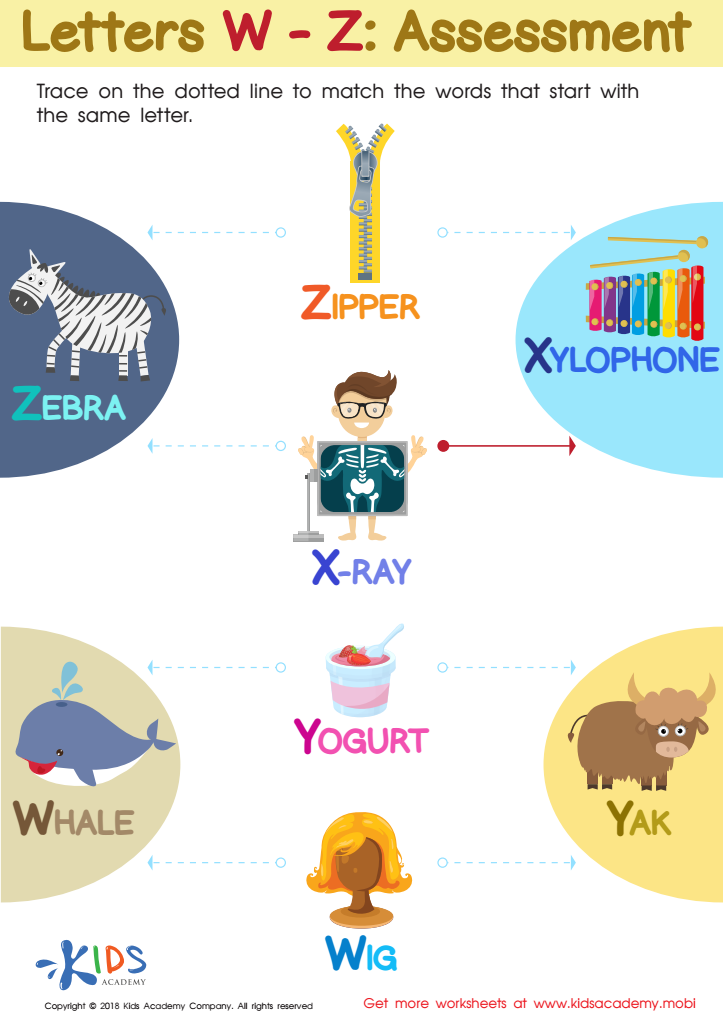
Letters W–Z Tracing Worksheet
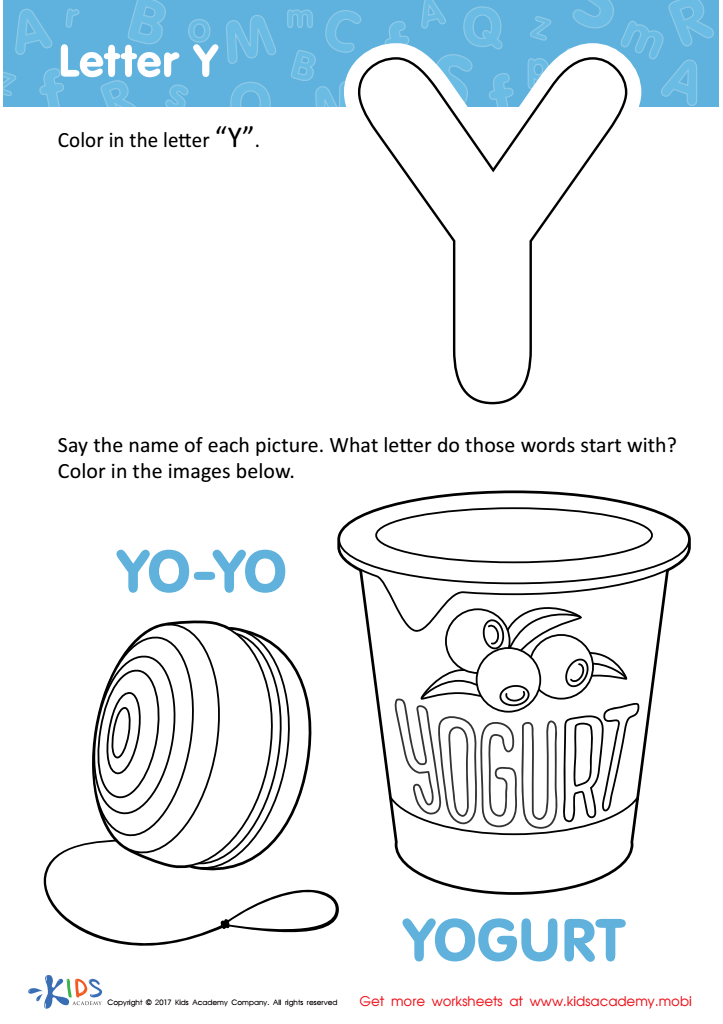
Letter Y Coloring Sheet
Assign to My Students
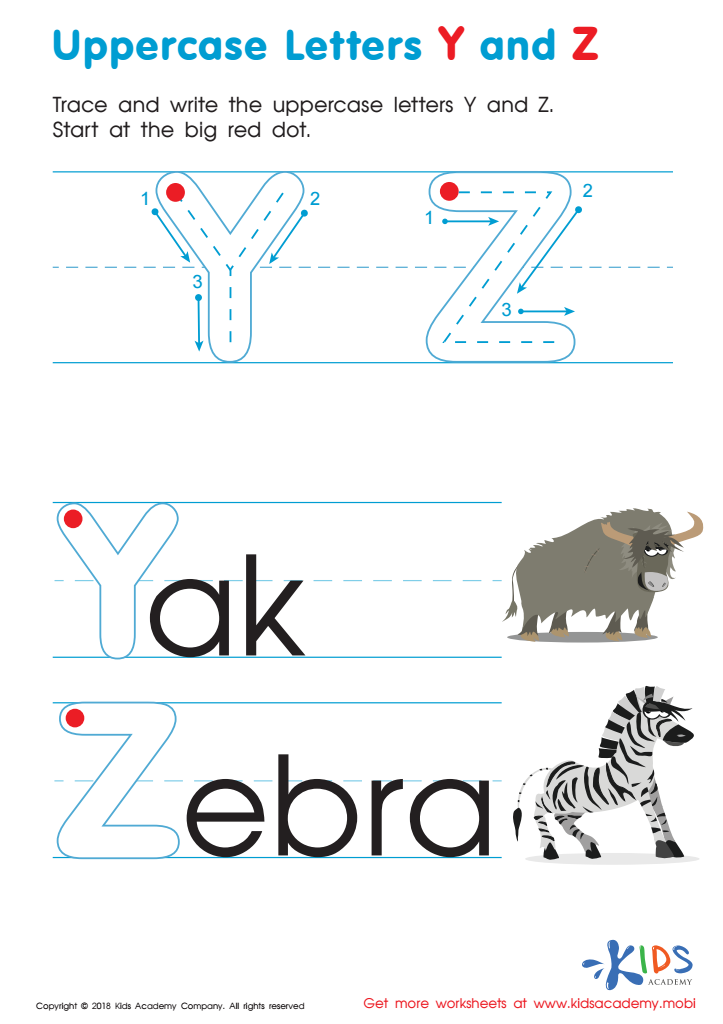
Uppercase Letters Y Z Worksheet
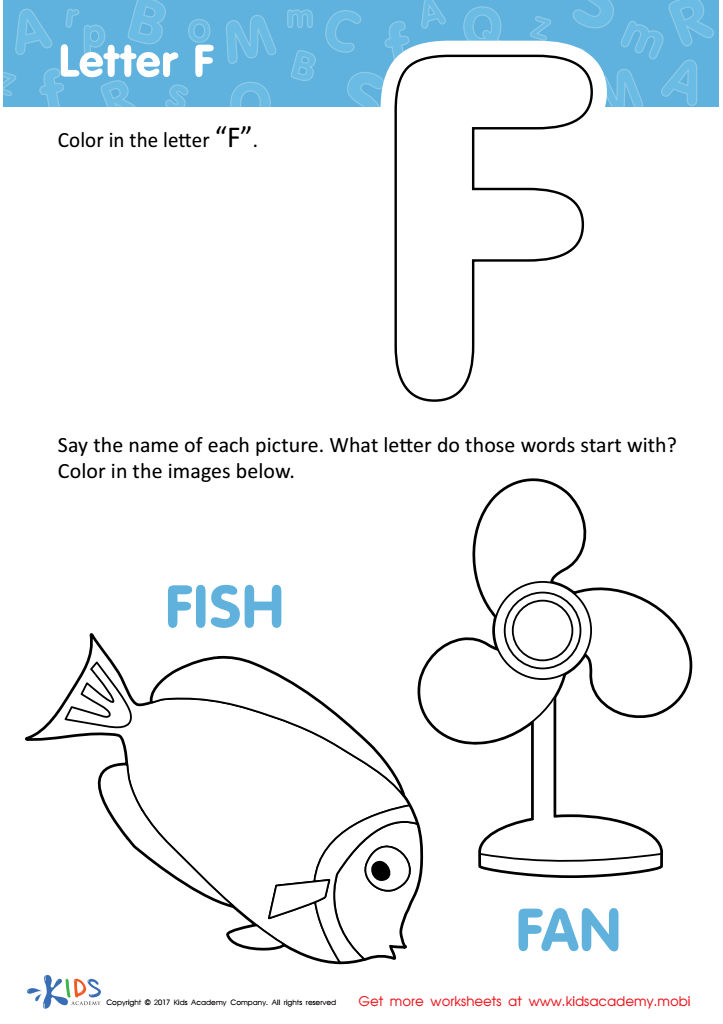
Letter F Coloring Sheet
Assign to My Students
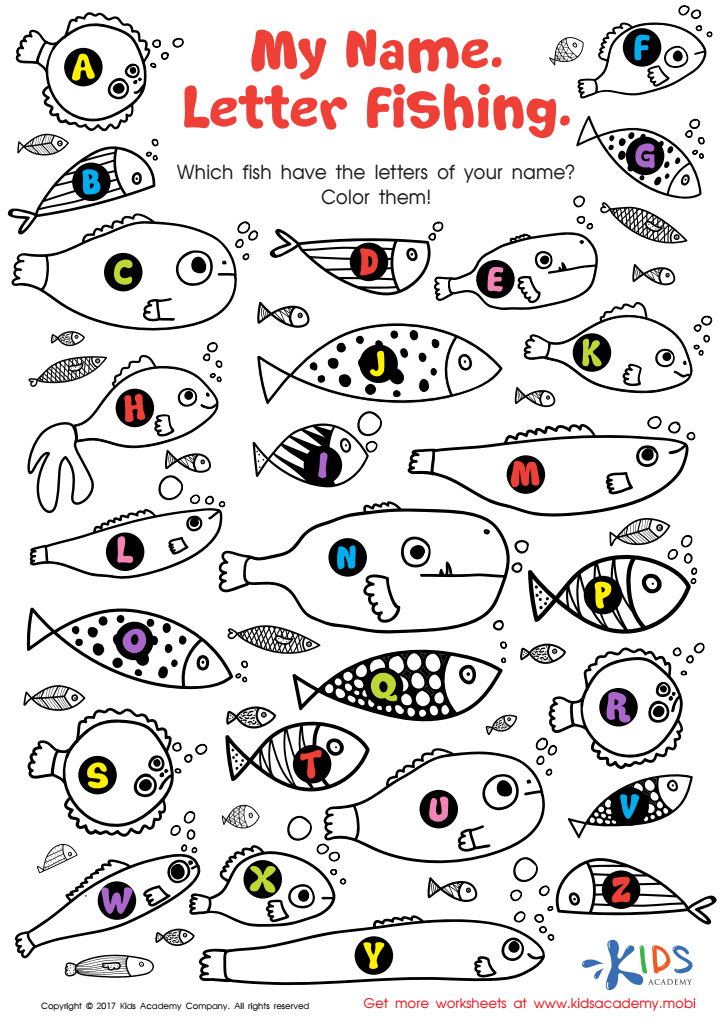
My Name: Letter Fishing Worksheet
Assign to My Students








Alphabet recognition is a crucial foundational step in early literacy development, particularly for children ages 3-4. By understanding and recognizing the ABCs, young learners develop essential skills that pave the way for reading and writing. For parents and teachers, fostering letter recognition helps children make sense of the world around them and nurtures their curiosity about language.
During these formative years, children are highly responsive to their environments. Engaging them with fun and interactive activities around letters promotes cognitive development and strengthens their memory. Recognizing letters also supports phonemic awareness—an understanding of the sounds associated with each letter—which is vital for language acquisition and reading proficiency later.
Moreover, early alphabet recognition builds confidence and a love for learning. Children who can identify letters often feel a sense of accomplishment, encouraging them to explore further. Support from parents and teachers is essential in creating a positive learning atmosphere. As a strong early literacy foundation is built, children are better prepared to transition into more complex language skills, ultimately fostering a lifelong love for reading and learning. In summary, supporting alphabet recognition not only enhances language skills but also cultivates a supportive environment that encourages curiosity and motivation in young children.







