Letter recognition Elementary Phonics Worksheets for Ages 3-4
5 filtered results
-
From - To
Introduce the joy of learning letters to your early reader with our "Letter Recognition Elementary Phonics Worksheets" tailored for ages 3-4. These engaging sheets are designed to strengthen foundational skills in letter identification, phonemic awareness, and early literacy. Packed with interactive activities, our worksheets make learning entertaining and effective. Through colorful visuals and fun exercises, kids will build confidence as they master both uppercase and lowercase letters. Perfect for preschoolers, these resources will support your child's journey towards becoming a proficient and enthusiastic reader. Start exploring today to inspire a love for reading from the very beginning!
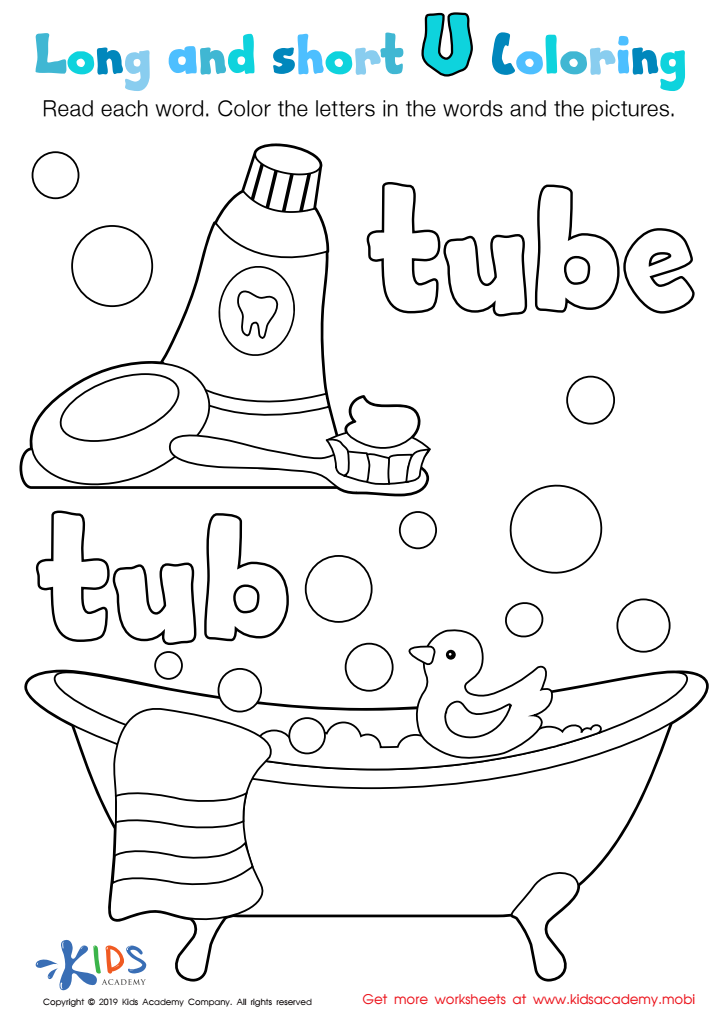
Long and Short U Worksheet
 Assign to My Students
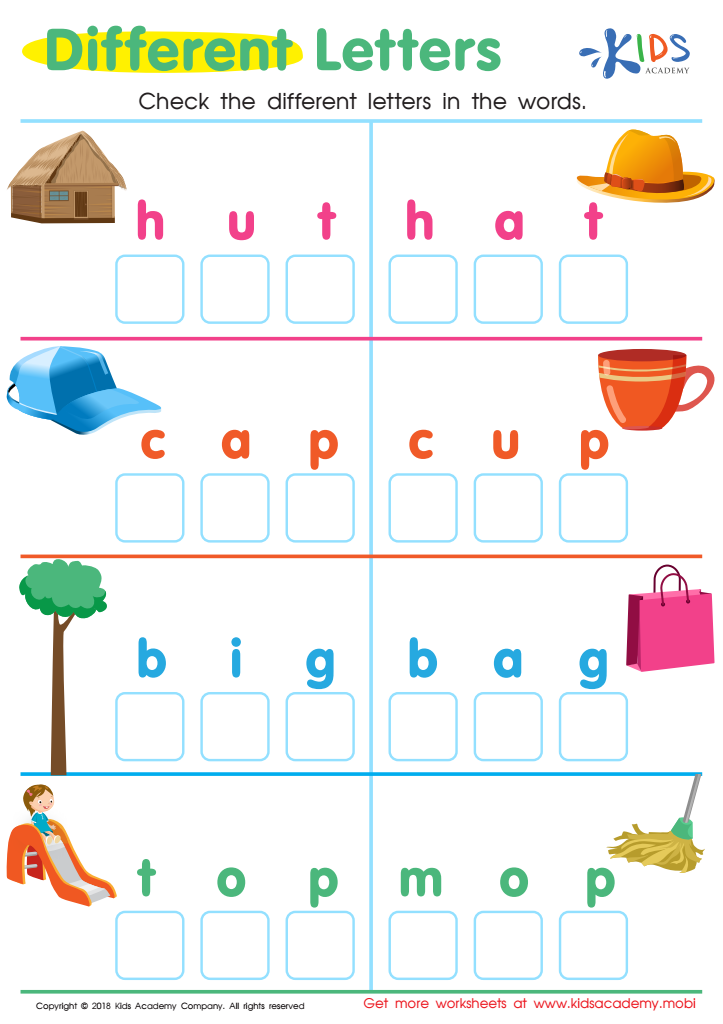
Different Letters Reading Worksheet
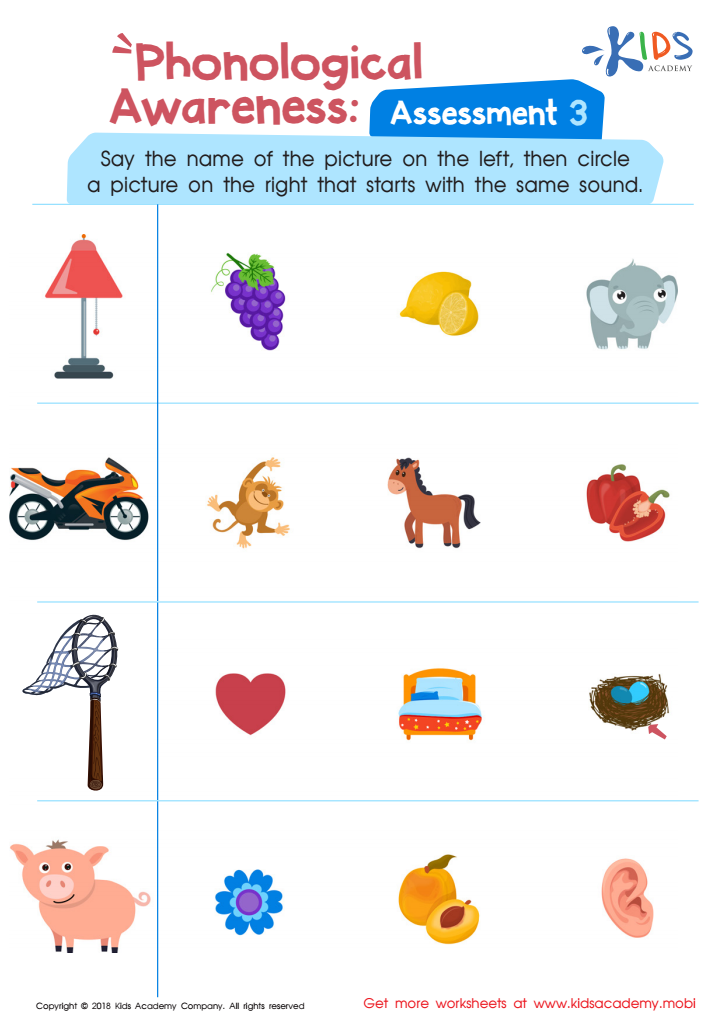
Phonological Awareness: Assessment 3 Worksheet
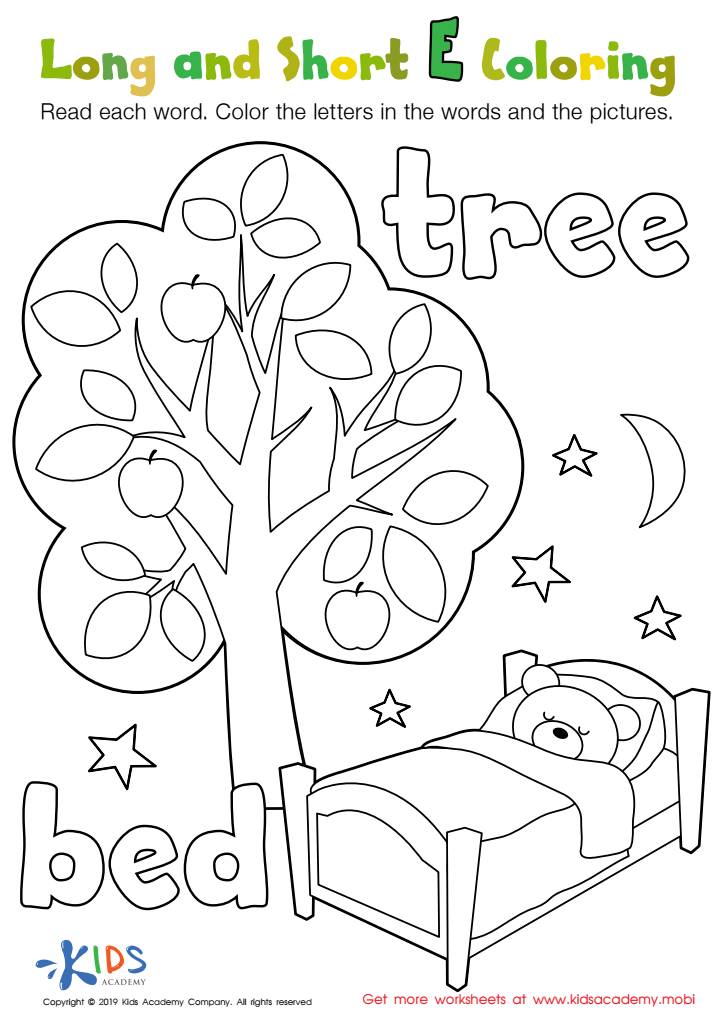
Long and Short E Worksheet
Assign to My Students
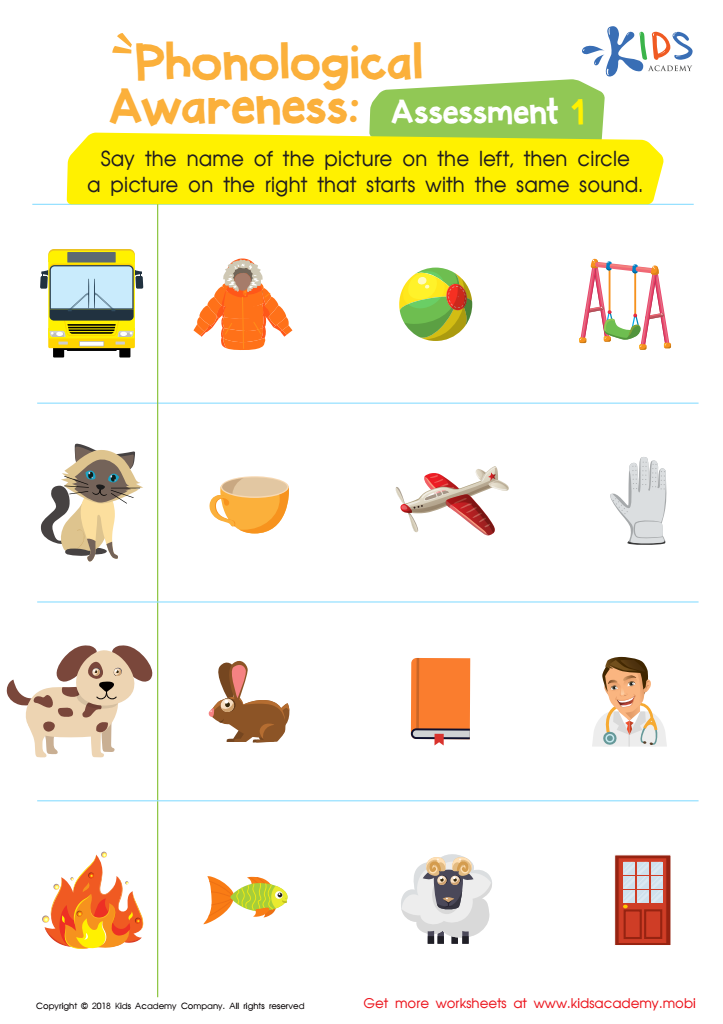
Phonological Awareness: Assessment 1 Worksheet




Letter recognition and elementary phonics are foundational skills crucial for young learners aged 3-4, setting the stage for their future reading and writing abilities. Understanding these basics early on allows children to build confidence and interest in literacy, facilitating smoother transitions as they progress through school.
Letter recognition involves identifying the letters of the alphabet, both uppercase and lowercase. This skill lays the groundwork for phonetic awareness, where children learn the sounds each letter represents. When toddlers recognize letters easily, they can better focus on the next step—blending those sounds to form simple words. Phonics is essential: it bridges the gap between spoken and written language, enabling children to decode new words, which empowers them as readers.
For parents and teachers, emphasizing these skills supports cognitive development, comprehension, and communication skills. Effective early literacy instruction not only promotes academic success but also instills a love for reading, fostering lifelong learning. Furthermore, early competency in these areas correlates with better outcomes in other subjects, as reading comprehension becomes crucial for mastering various educational milestones.
Investing in letter recognition and phonics at this tender age proves crucial for holistic development, making it every parent and teacher's pathway to nurturing curious, confident, and capable young learners.







