Letter-sound correlation Alphabet Worksheets for Ages 3-4
6 filtered results
-
From - To
Enhance your child's early literacy skills with our engaging Letter-sound Correlation Alphabet Worksheets designed specifically for ages 3-4. These worksheets provide interactive activities that help young learners connect letters with their corresponding sounds, laying the foundation for reading and phonics. With colorful illustrations and fun exercises, children will enjoy practicing letter recognition and sound identification in a playful manner. Our materials foster creativity and critical thinking while keeping learning enjoyable. Perfect for home or classroom use, these worksheets ensure that your little ones are well-equipped for future academic success. Start your child's literacy journey today with our alphabet worksheets!
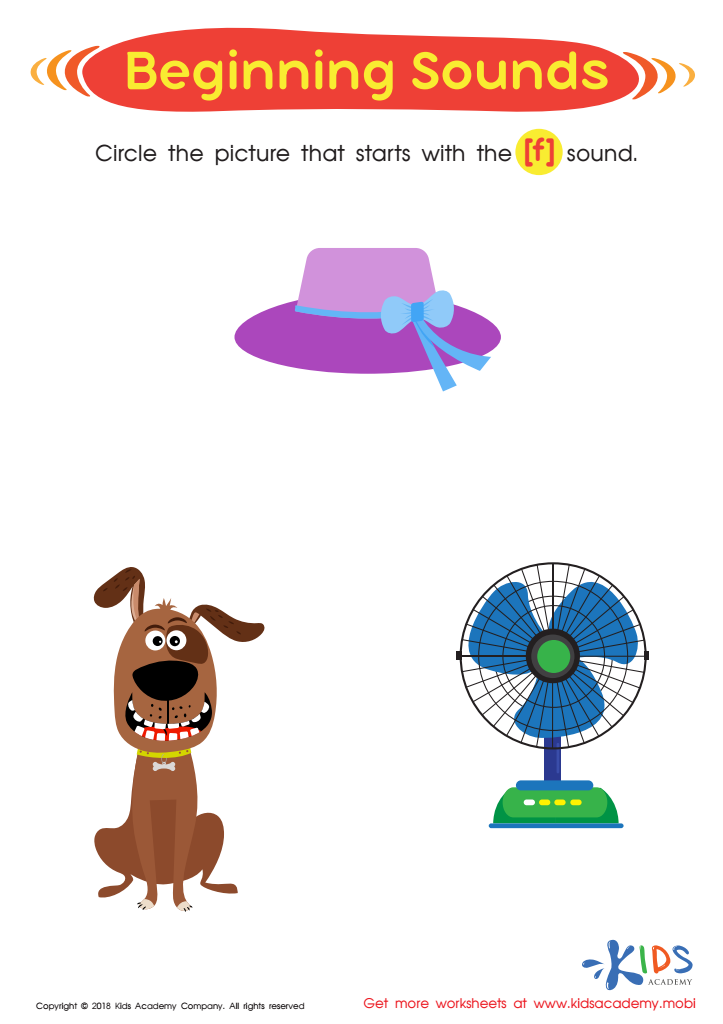
Beginning Sounds Assessment Printable
 Assign to My Students
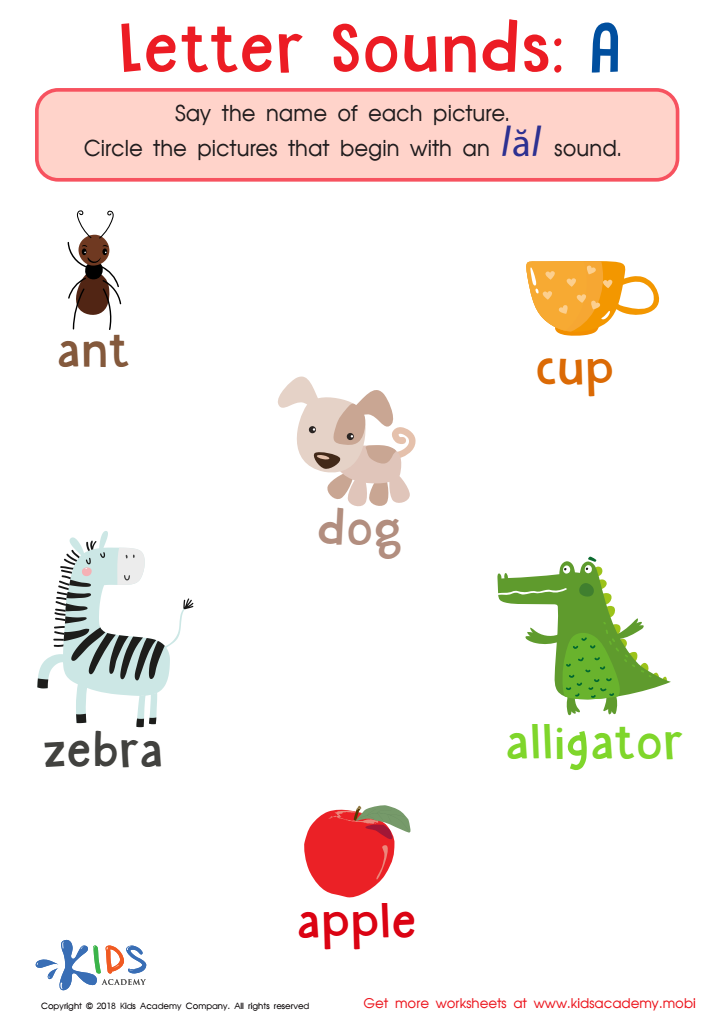
Letter A Sounds Worksheet
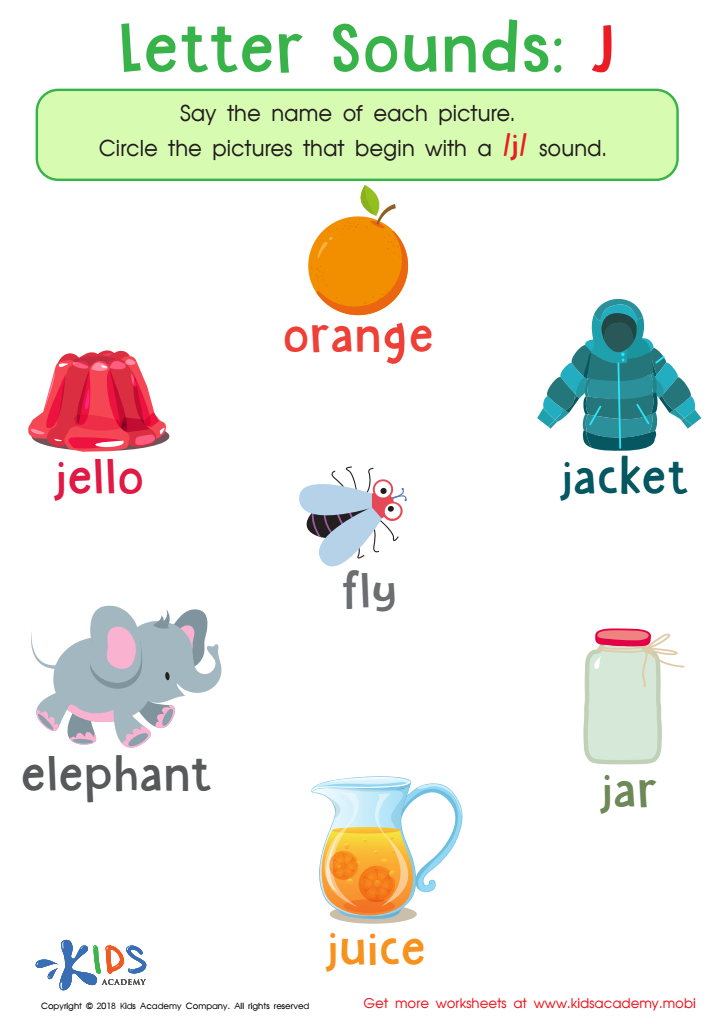
Letter Sounds: J Printable Worksheet
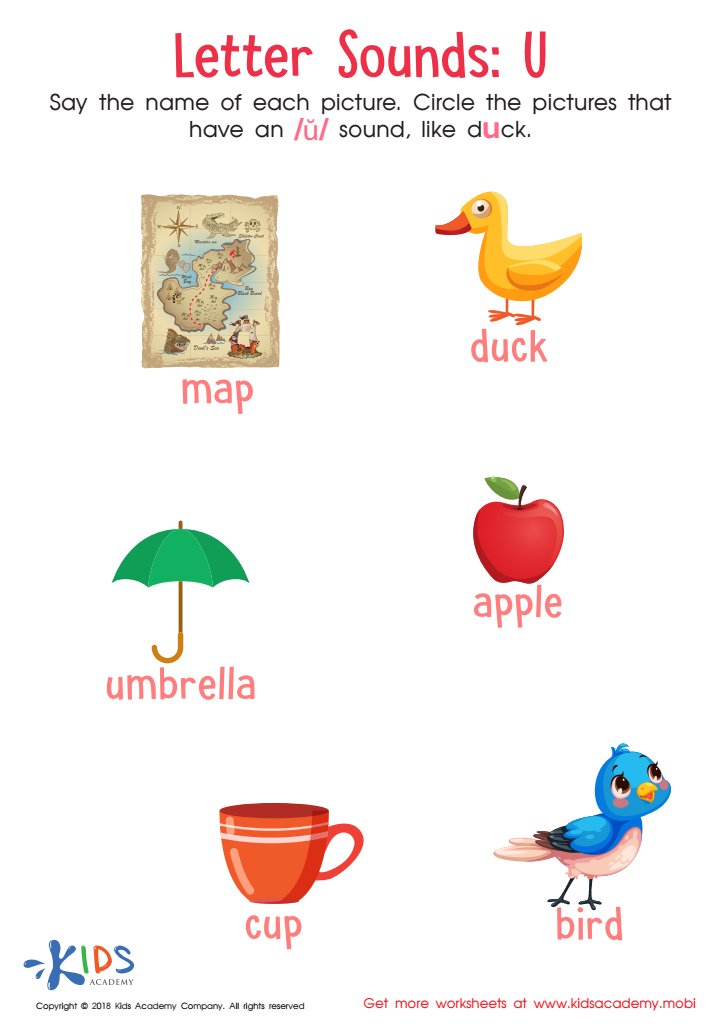
Letter U Sounds Worksheet
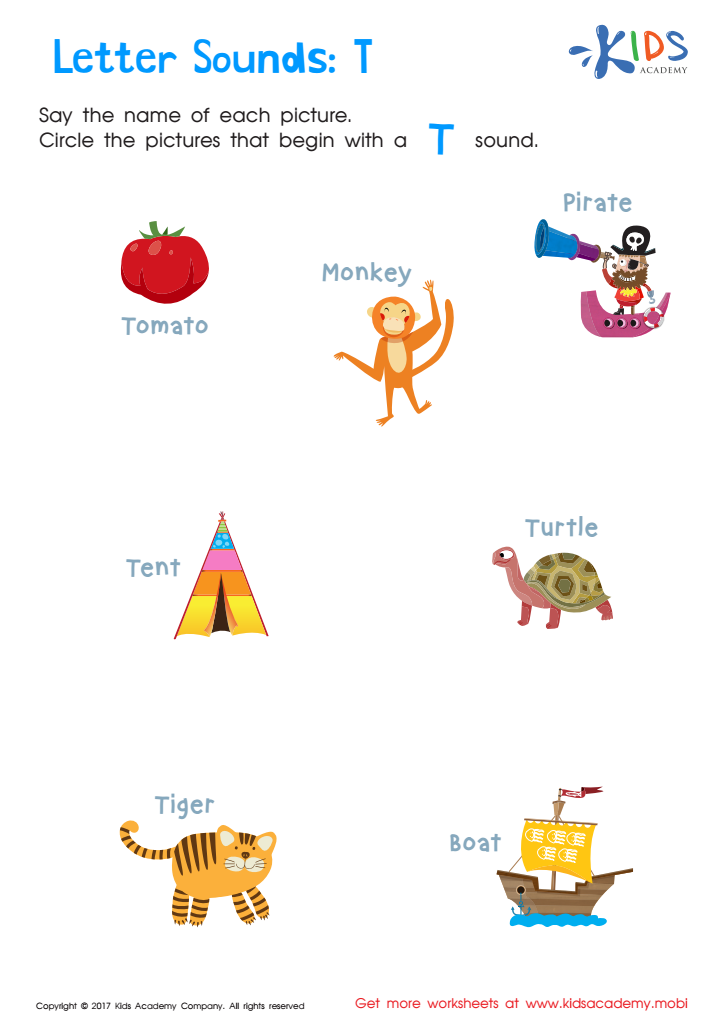
Letter T Sounds Worksheet
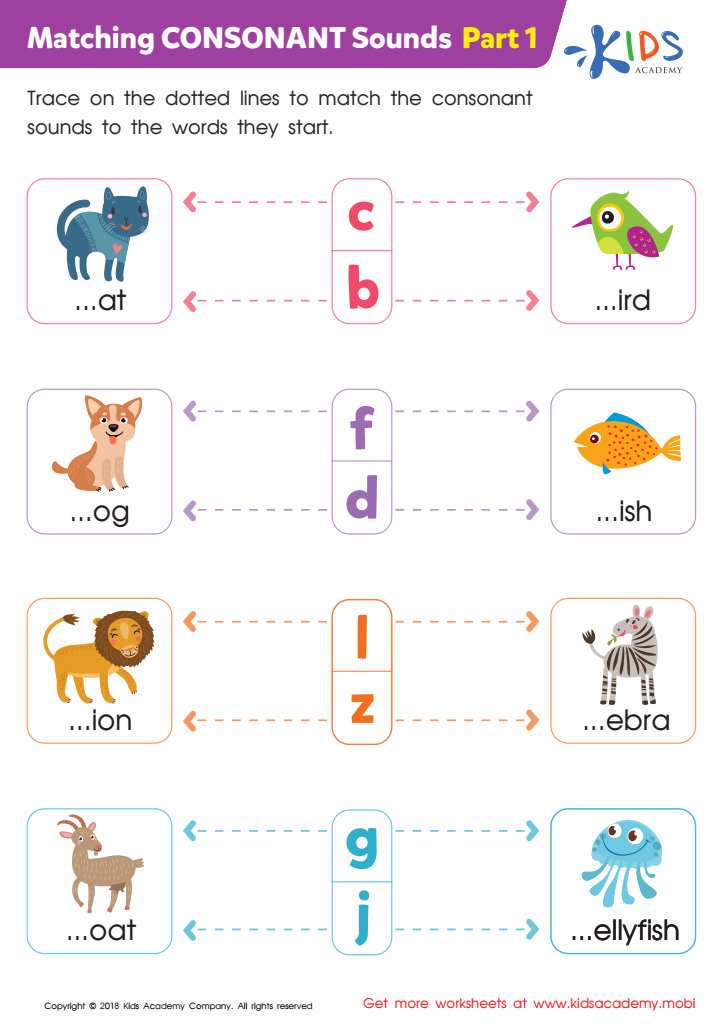
Matching Consonant Sounds: Part 1 Worksheet







Letter-sound correlation, or phonics, is crucial for children aged 3-4 as it lays the foundation for reading and literacy skills. At this early stage, children are developing the ability to understand the relationship between letters and their corresponding sounds. This understanding is key to building word recognition, spelling, and overall language comprehension.
Parents and teachers should care about this correlation because it aids in the development of essential cognitive and linguistic skills. Children who grasp letter-sound relationships are better equipped to decode words, which enhances their confidence and motivation when learning to read. Introducing this concept early helps make reading a more accessible and enjoyable experience.
Engaging in activities that promote letter-sound knowledge, such as songs, rhymes, and interactive games, fosters a positive learning environment. It also encourages a love for books and storytelling, which are fundamental for developing a lifelong interest in reading.
Moreover, a strong foundation in phonics can help identify any necessary interventions early, ensuring that children receive the support they need to thrive. Ultimately, prioritizing letter-sound correlation equips young learners with the vital tools they need for academic success and effective communication later in life.







