Sound Association Letter Sounds Worksheets for Ages 3-4
16 filtered results
-
From - To
Discover our engaging Sound Association Letter Sounds Worksheets designed specifically for children ages 3-4. These worksheets help young learners develop essential phonemic awareness by associating sounds with corresponding letters. Through vibrant illustrations and interactive activities, children will explore the alphabet while honing their listening skills and enhancing letter recognition. Each worksheet focuses on fun, age-appropriate exercises that motivate kids to connect letter sounds to familiar words and images, making learning exciting. Ideal for at-home learning or classroom settings, these resources provide a solid foundation for early literacy development. Start your child's phonics journey today with our expertly crafted worksheets!
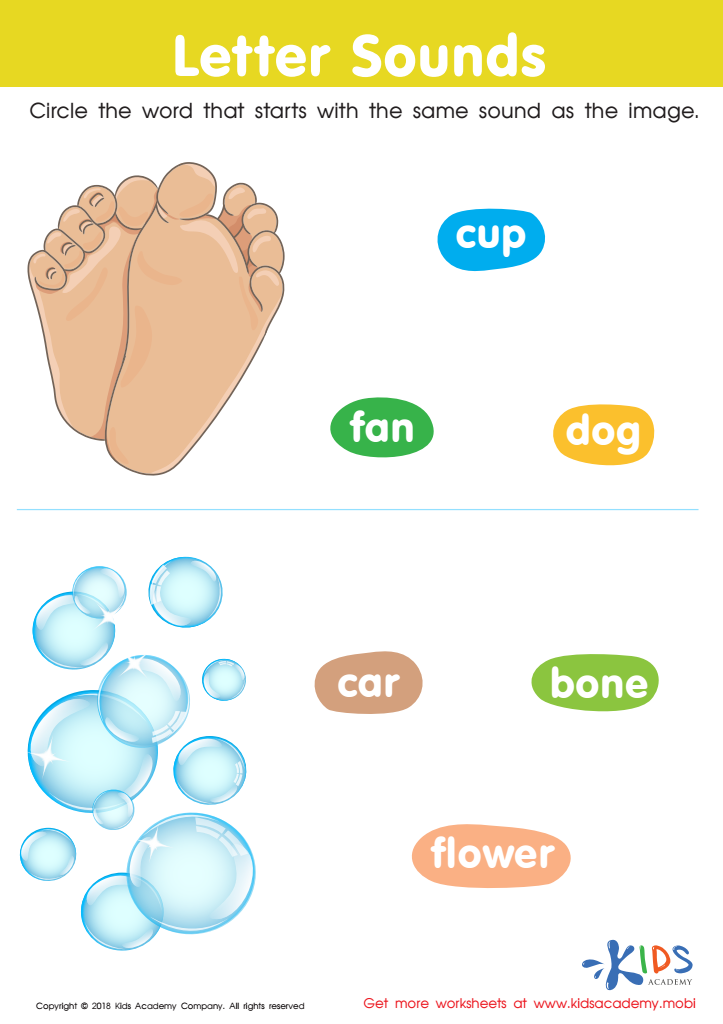
letter sounds Worksheet
 Assign to My Students
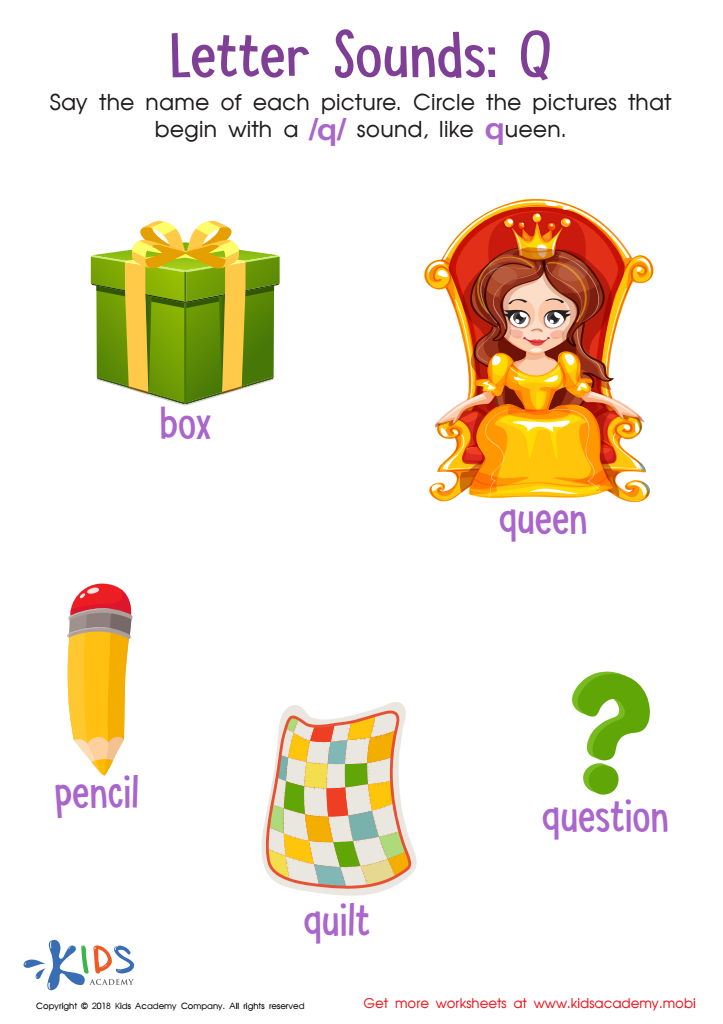
Letter Q Sounds Worksheet
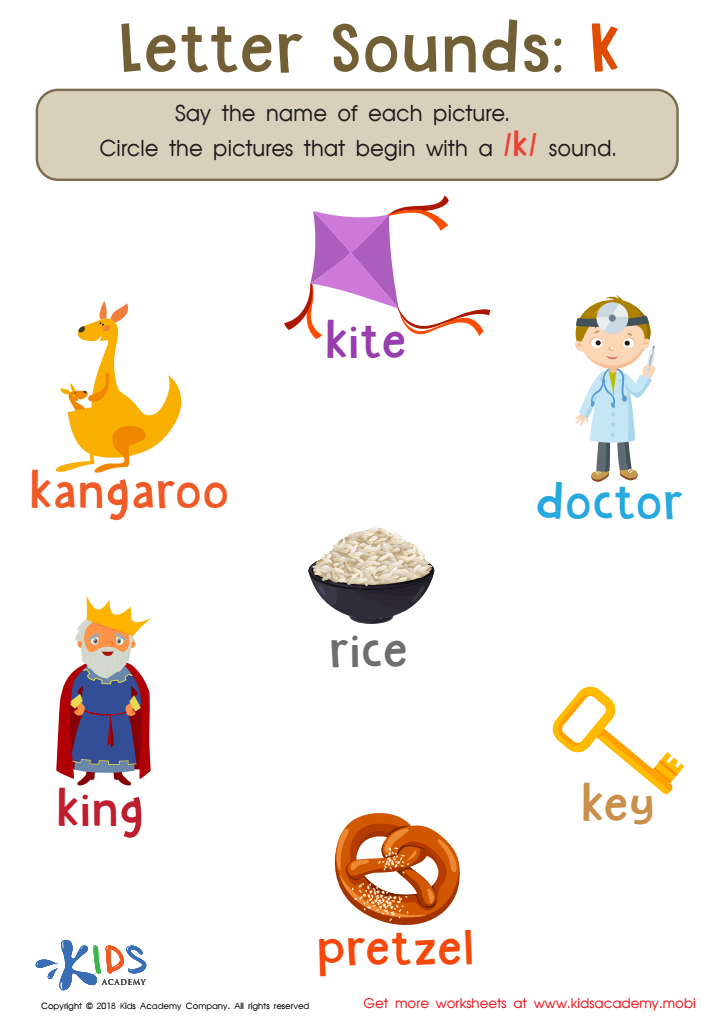
Letter K Sounds Worksheet
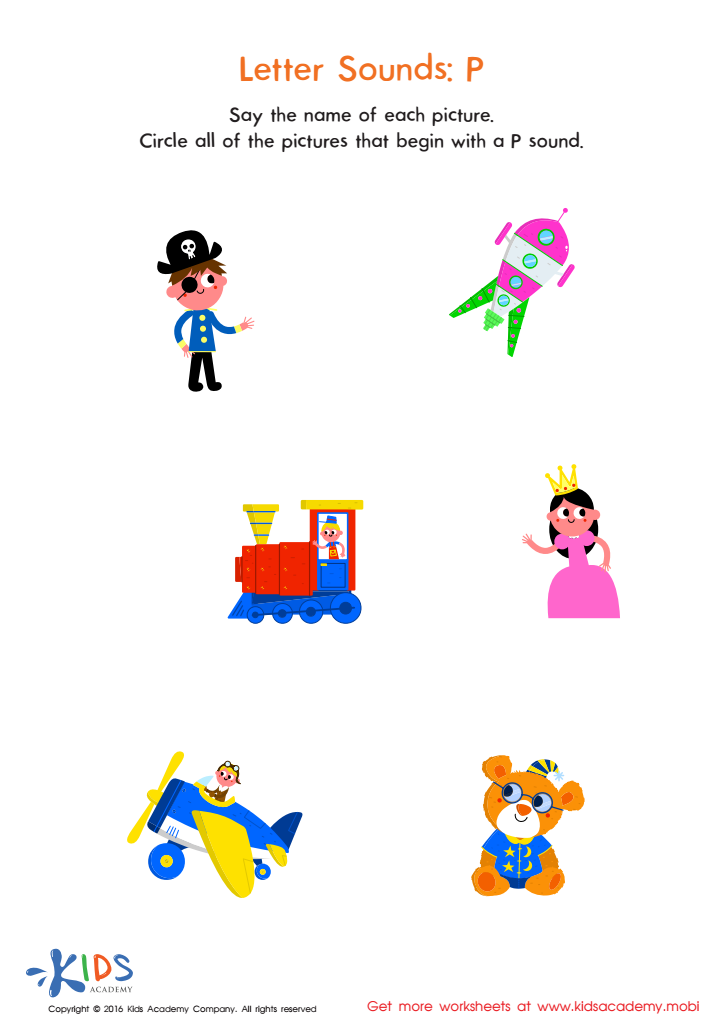
Letter P Sound Worksheet
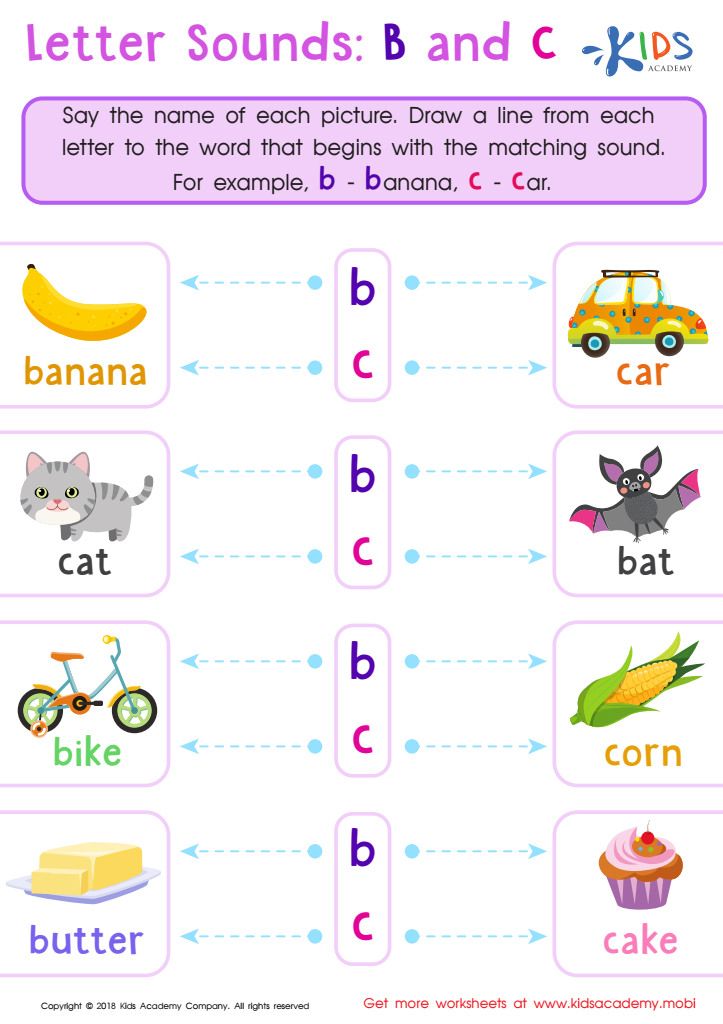
Letter B and C Sounds Worksheet
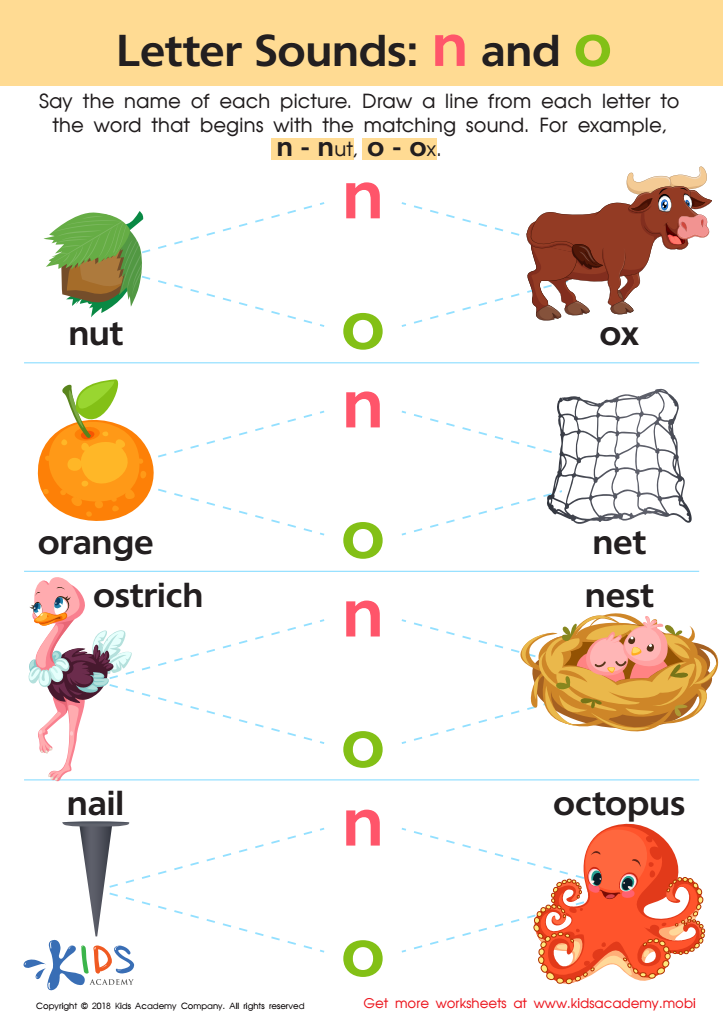
Letter N and O Sounds Worksheet
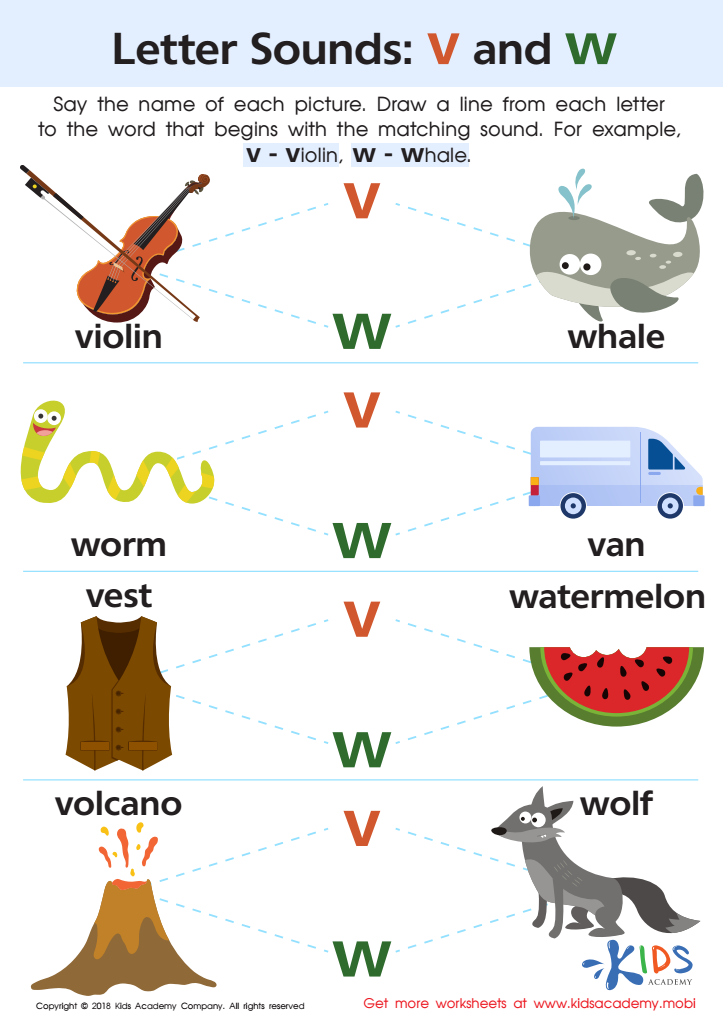
Letter V and W Sounds Worksheet
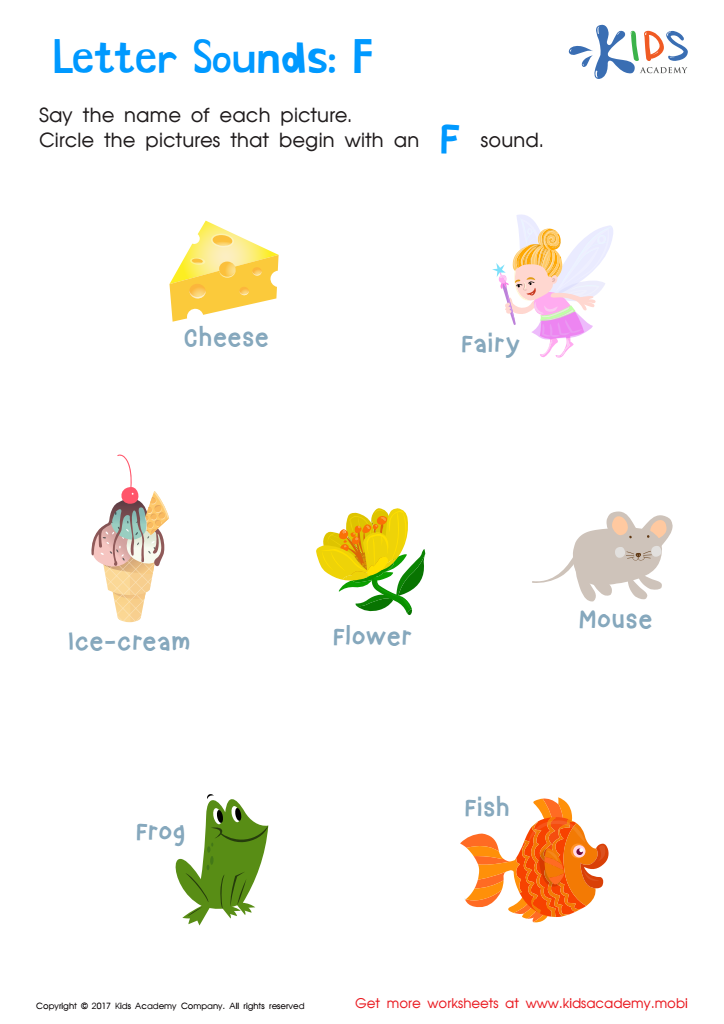
Letter F Sounds Worksheet
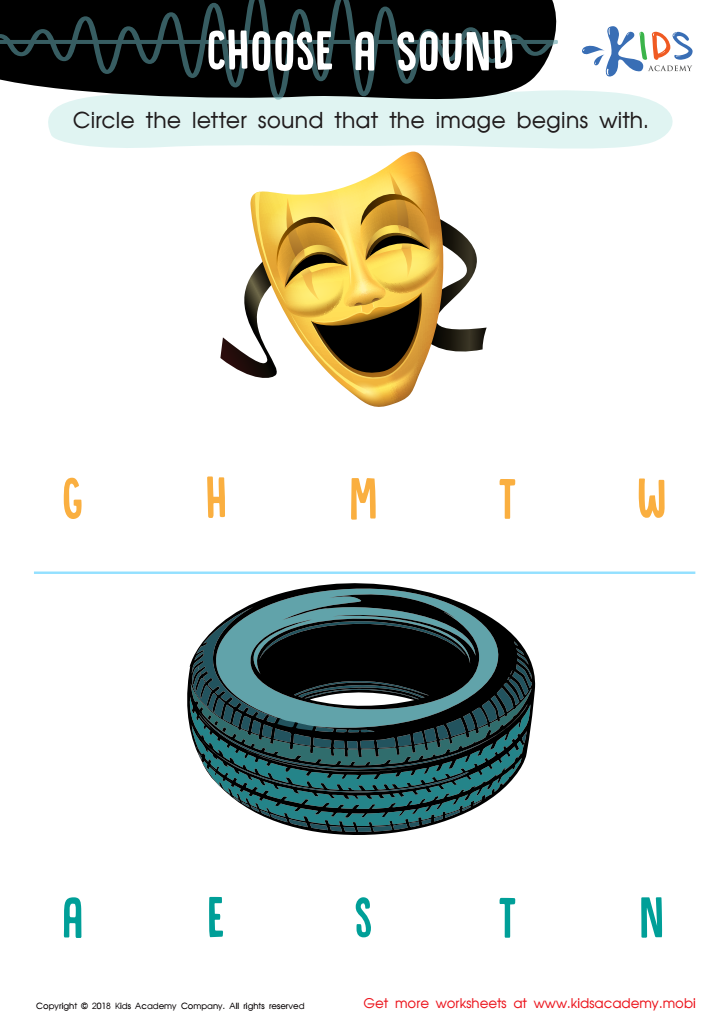
Choose a Sound Worksheet
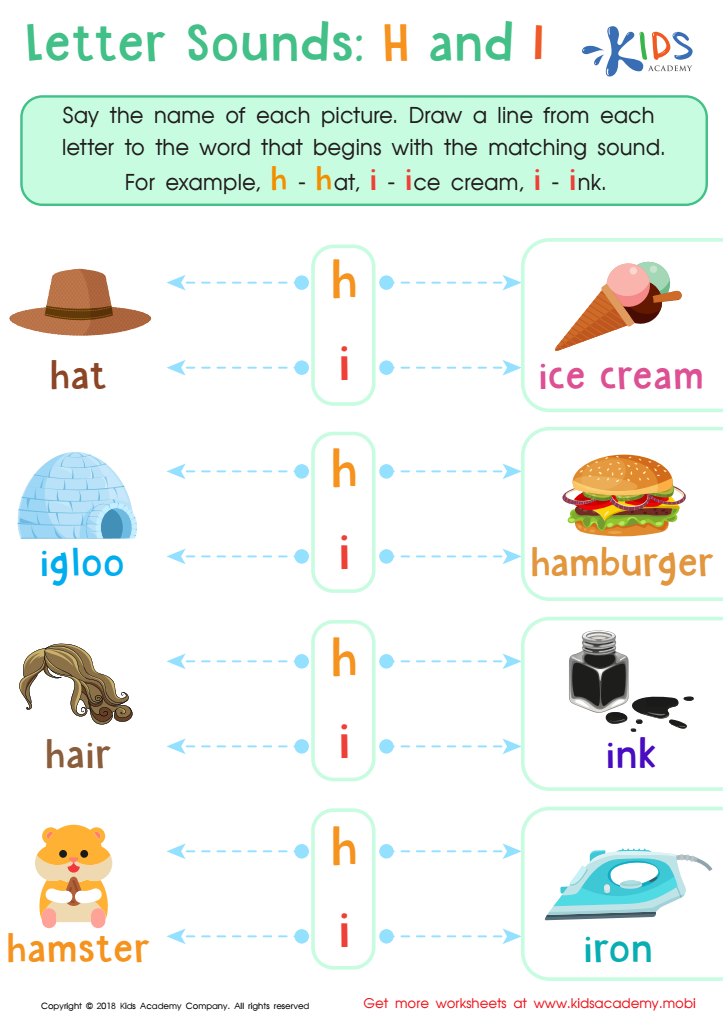
Letter H and I Sounds Worksheet
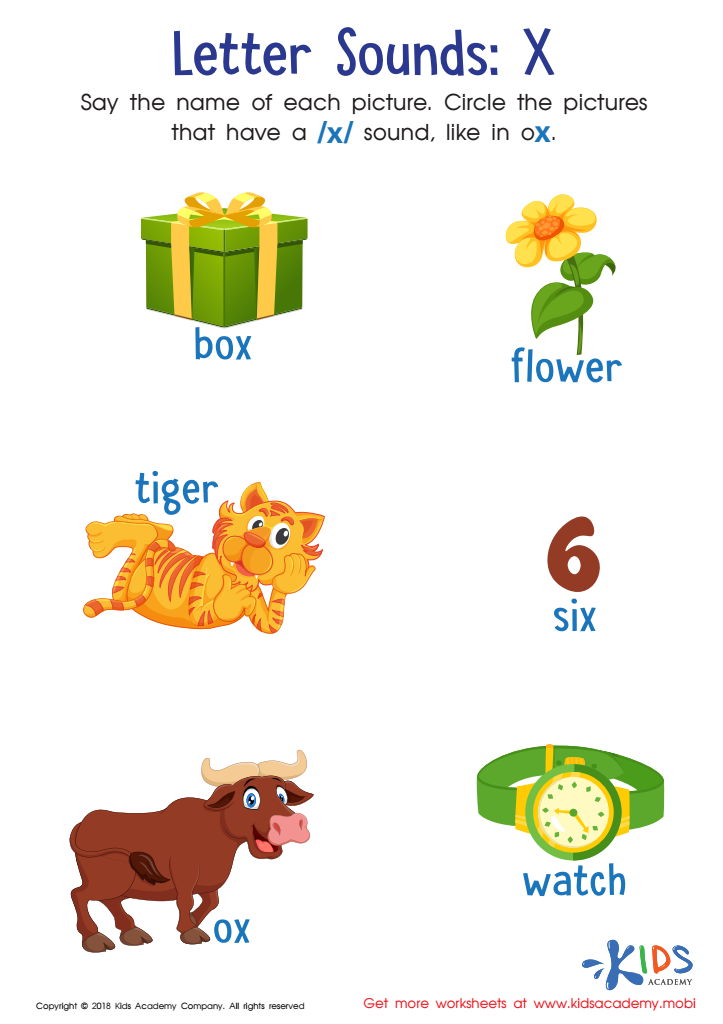
Letter X Sounds Worksheet
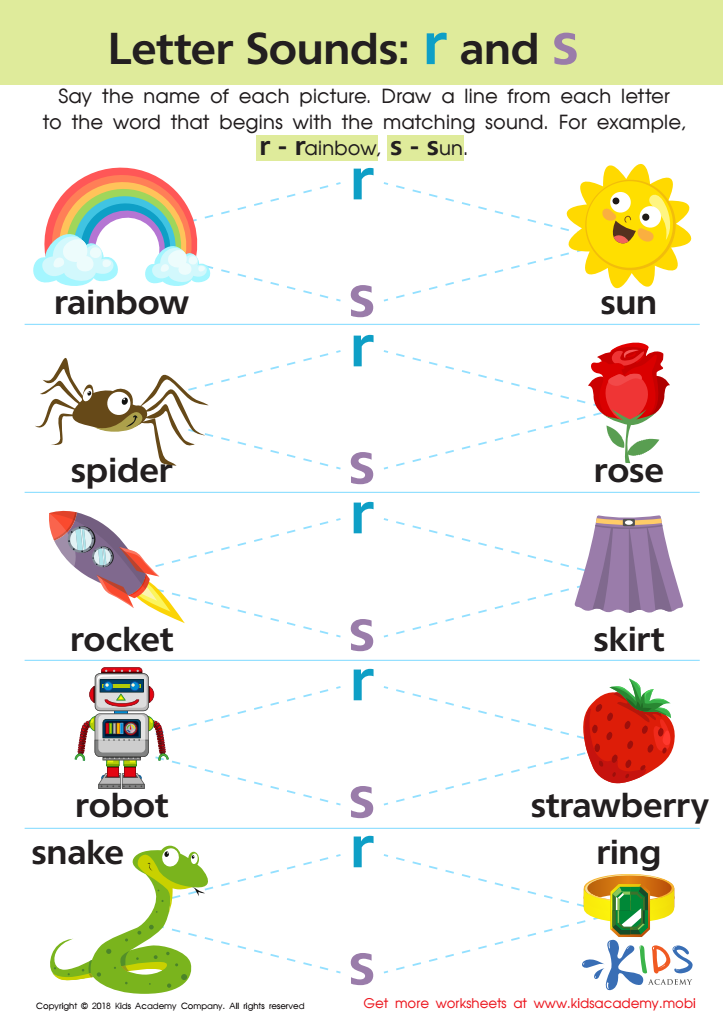
Letter R and S Sounds Worksheet
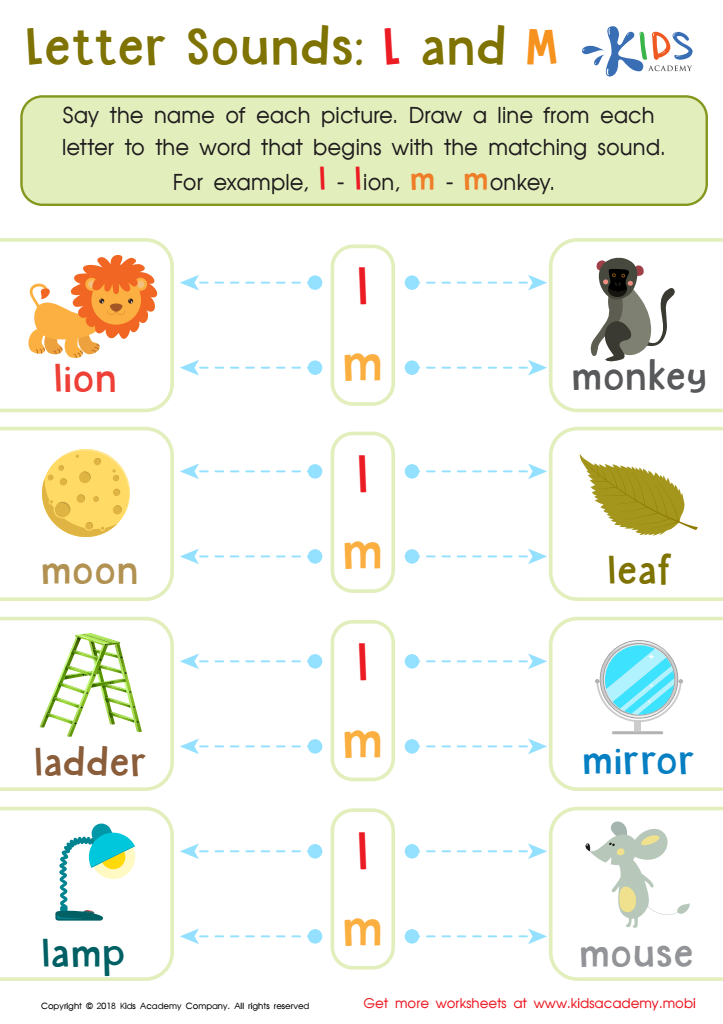
Letter l and M Sounds Worksheet
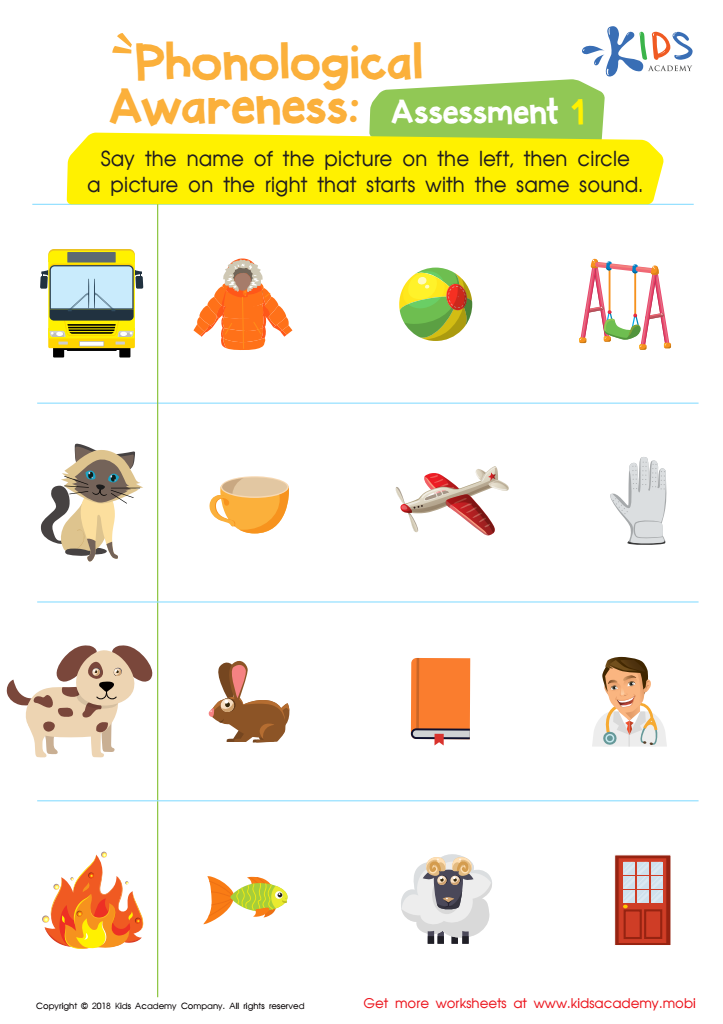
Phonological Awareness: Assessment 1 Worksheet
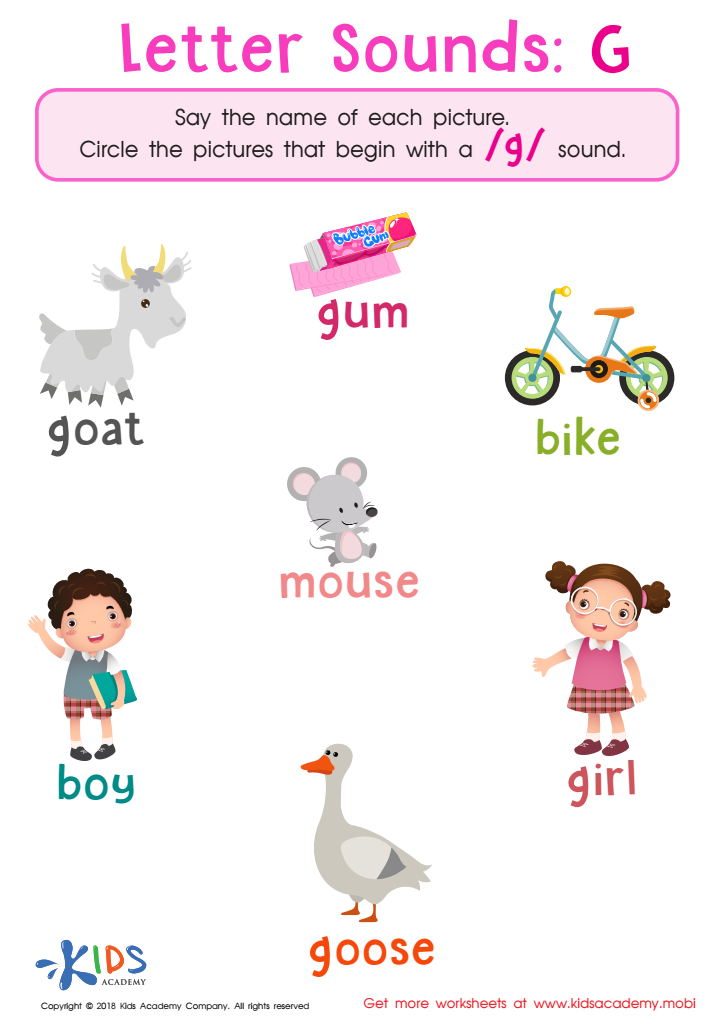
Letter G Sounds Worksheet
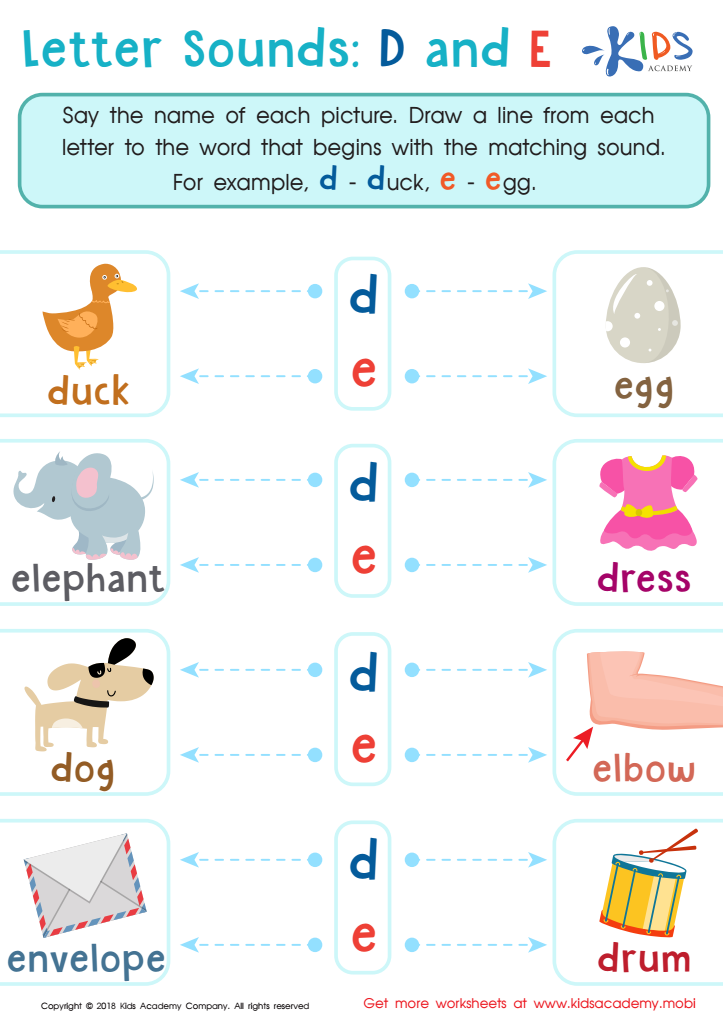
Letter D and E Sounds Worksheet








Sound association letter sounds are crucial for early childhood development, particularly for children aged 3-4. At this age, kids are rapidly developing their language skills, and understanding the relationship between sounds and letters lays the foundation for reading and writing. By introducing sound associations, parents and teachers can help children build phonemic awareness, which is the ability to hear, identify, and manipulate individual sounds in spoken words.
This skill is instrumental in developing literacy, as it enables children to decode and encode language. For instance, when children learn that the letter "b" corresponds to the sound /b/, they can begin to sound out simple words like "bat" or "big." Engaging children with fun activities, such as singing songs or playing rhyming games, not only enhances their pronunciation and vocabulary but also makes learning enjoyable.
Moreover, early sound association enriches cognitive development, encouraging critical thinking as children start to connect letters with their respective sounds. This foundational skill sets the stage for a smooth transition to formal reading instruction, helping to reduce future learning delays and fostering a lifelong love for reading. Therefore, it is essential for both parents and teachers to prioritize sound association in early education.







