Phonics Skills Phonics Worksheets for Ages 3-4 - Page 2
26 filtered results
-
From - To
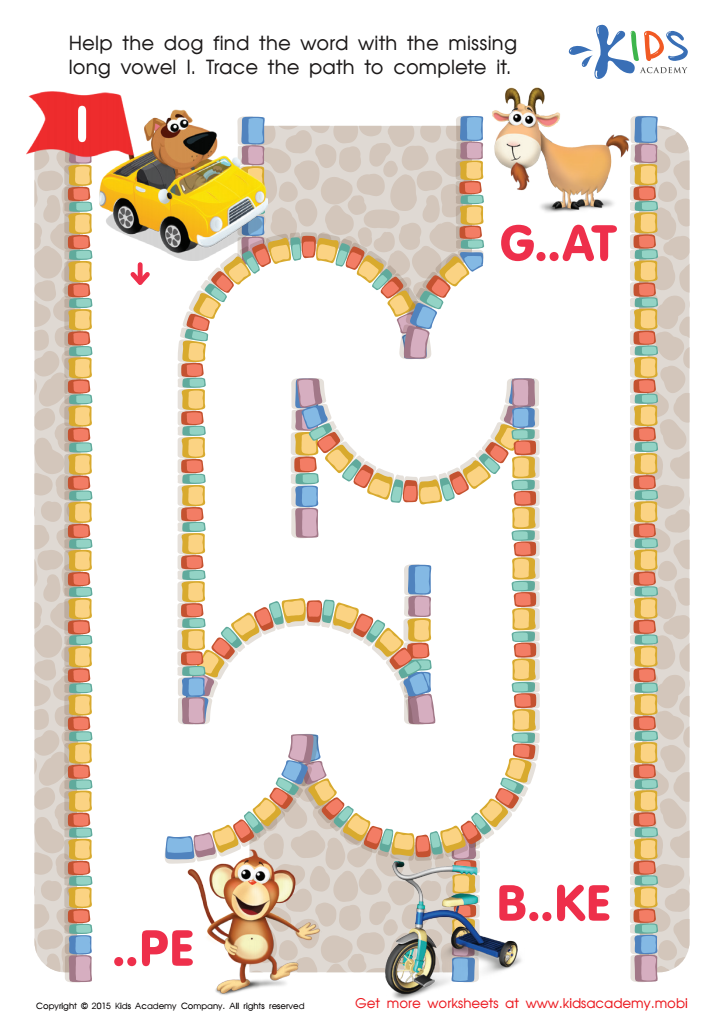
Long Vowel Sound I Worksheet
 Assign to My Students
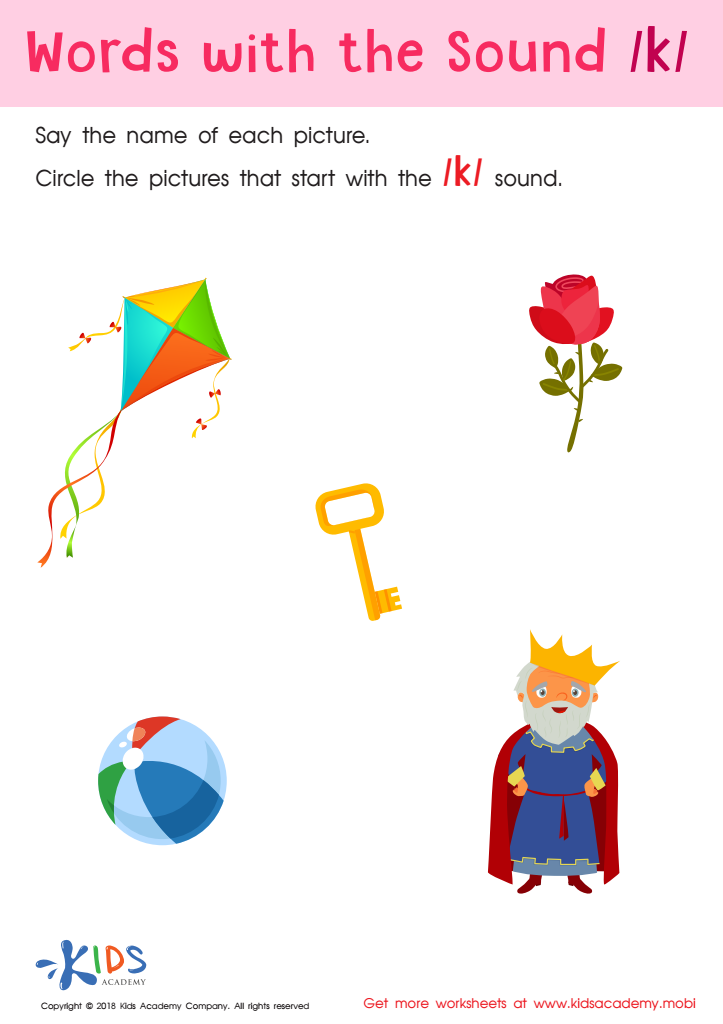
Words with sound k Reading Worksheet








Phonics skills are critically important for young children, especially those aged 3-4, and should be a top priority for parents and teachers alike. At this early developmental stage, children's brains are highly receptive to learning sounds and language patterns. Phonics provides the foundational skills needed for decoding words, which is essential for reading proficiency. By associating letters with their corresponding sounds, children can begin to recognize familiar words and start to read independently.
For children aged 3-4, learning phonics can boost their confidence and interest in reading. Early exposure to phonics helps them develop essential skills like sound recognition, blending, and segmenting, which are necessary for future reading and writing tasks. These skills are scaffolding for more complex literacy tasks they will encounter later.
Furthermore, early mastery of phonics can prevent future learning difficulties. Children who struggle with reading often struggle in other academic areas, so a strong phonological foundation sets them up for overall academic success. Teachers and parents both play a vital role in reinforcing these skills through playful activities, reading together, and using phonics-rich curricula.
Overall, focusing on phonics at ages 3-4 sets a strong educational foundation, promotes early literacy, and fosters a lifelong love for reading.







