Alphabet Recognition Tracing Letters Worksheets for Ages 3-4 - Page 2
28 filtered results
-
From - To
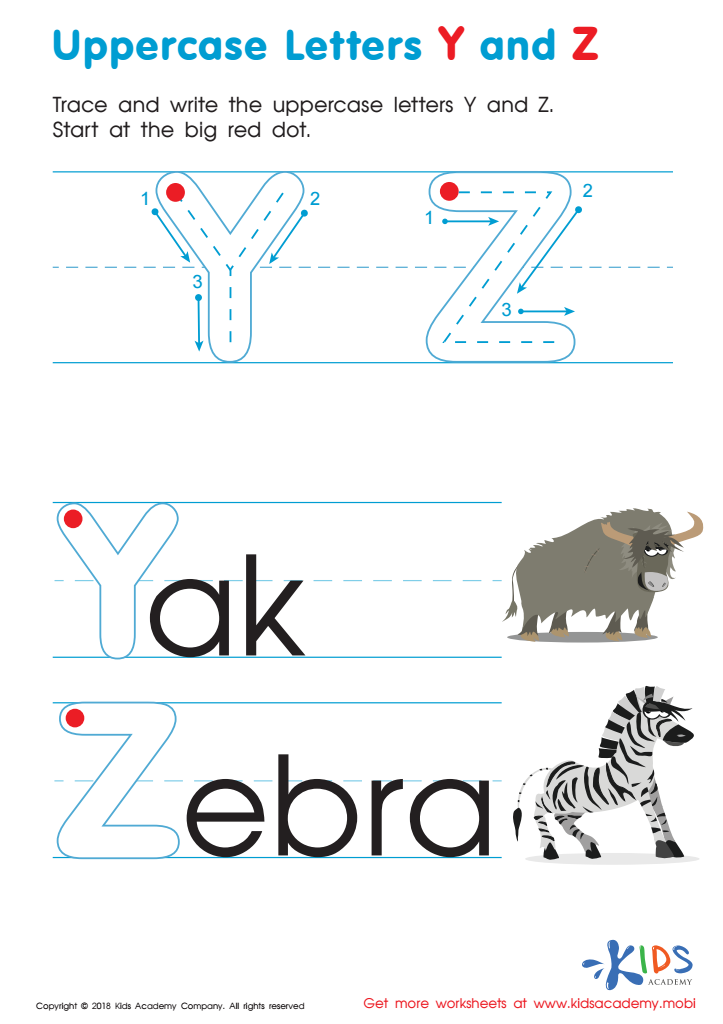
Uppercase Letters Y Z Worksheet
 Assign to My Students
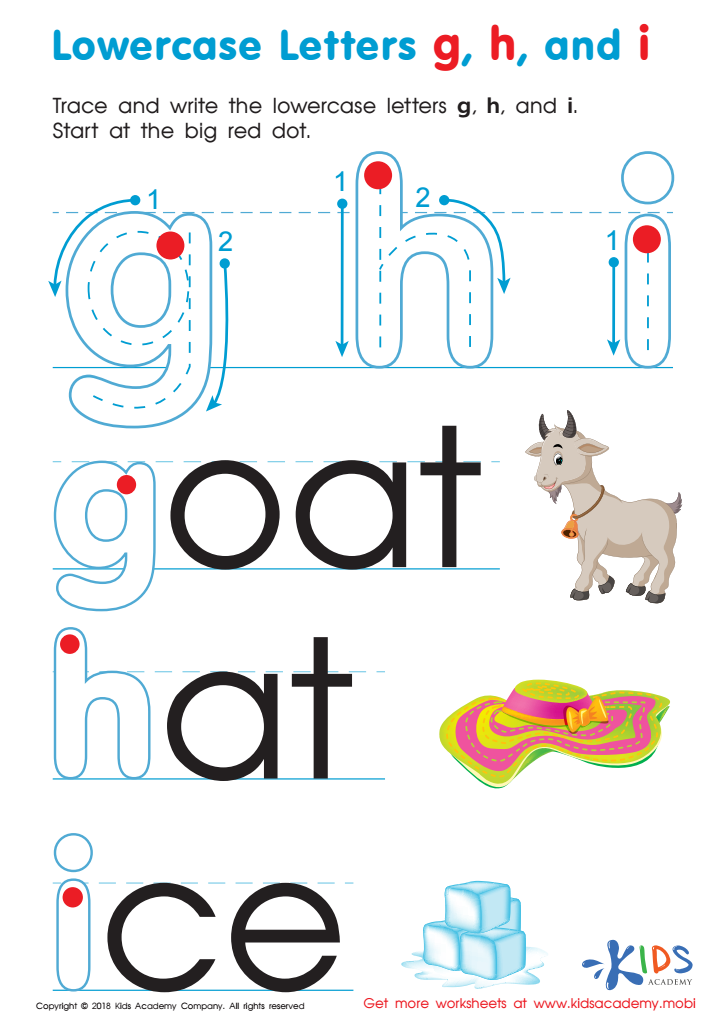
Lowercase Letters g h i Worksheet
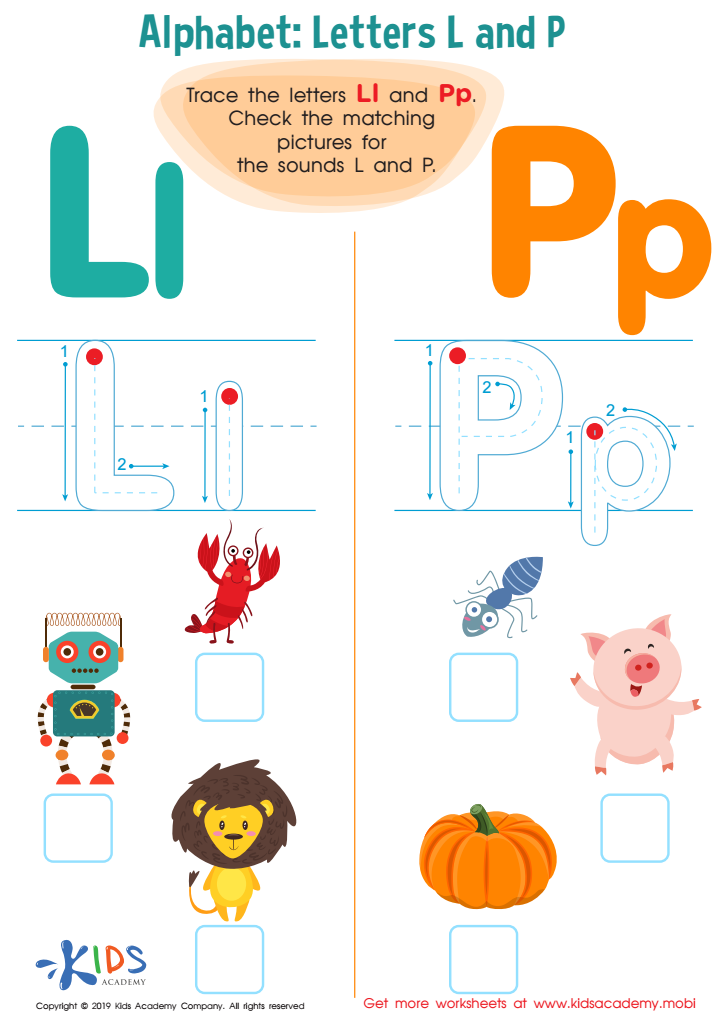
Letter L and P Tracing Worksheet
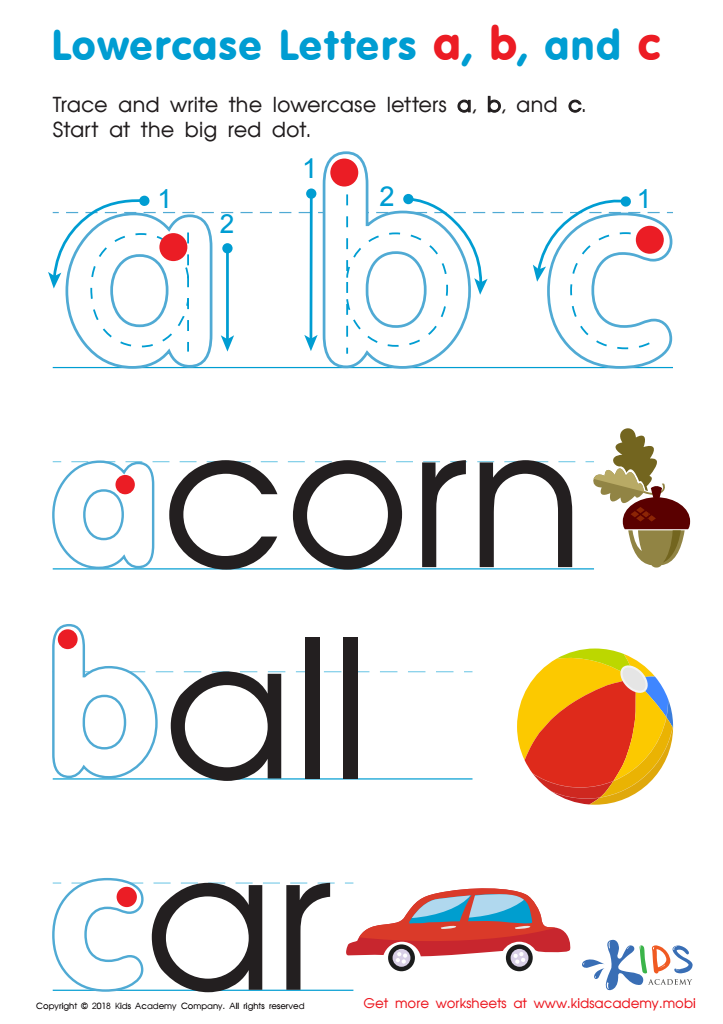
Lowercase Letters a b c Worksheet








Alphabet recognition and tracing letters are crucial skills for children aged 3-4, laying the foundation for future literacy development. Understanding the alphabet is essential for language acquisition, enabling young learners to identify and differentiate letters, thus enhancing their phonemic awareness. When children engage in tracing letters, they develop fine motor skills, hand-eye coordination, and grip strength, which are all vital for writing.
Furthermore, these activities help instill a sense of achievement and confidence in children as they grasp new concepts. Early exposure to alphabet tracing can spark a love for reading and writing, encouraging children to explore books and storytelling. The repetition involved in tracing reinforces memory, aiding children in recognizing letters in different contexts, including their own names.
For parents and teachers, fostering a positive learning environment that incorporates playful activities around letter recognition equips children with the tools they need for academic success. Engaging children in active learning experiences makes the process enjoyable and effective. As early literacy skills are vital for long-term educational outcomes, prioritizing alphabet recognition and letter tracing is an investment in a child's future learning journey. Therefore, supporting these activities is fundamental in early childhood education.








