Fine Motor Skills Tracing Letters Worksheets for Ages 3-4 - Page 2
35 filtered results
-
From - To

Lowercase Letters m n o Worksheet
 Assign to My Students

Letter N Tracing Page
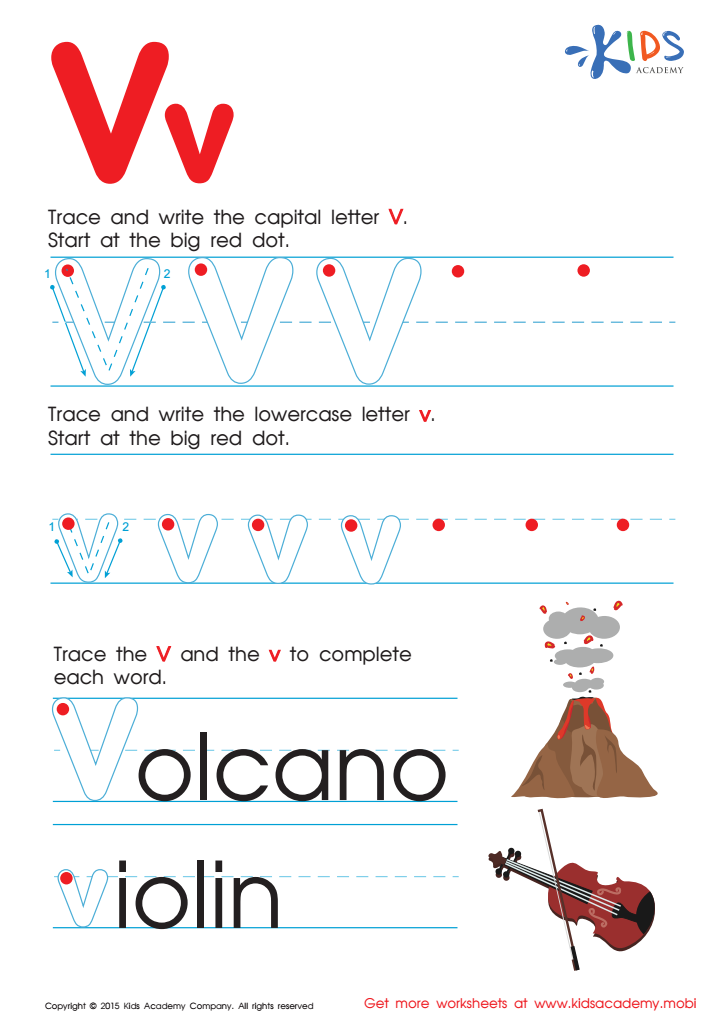
Letter V Tracing Page
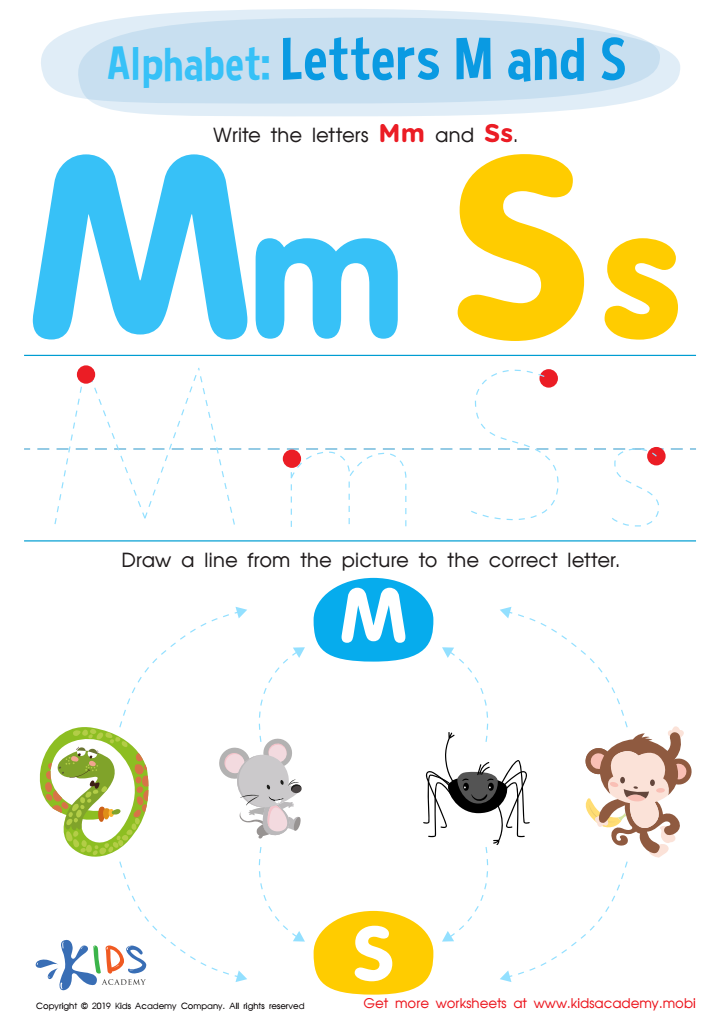
Letters M and S Tracing Worksheet
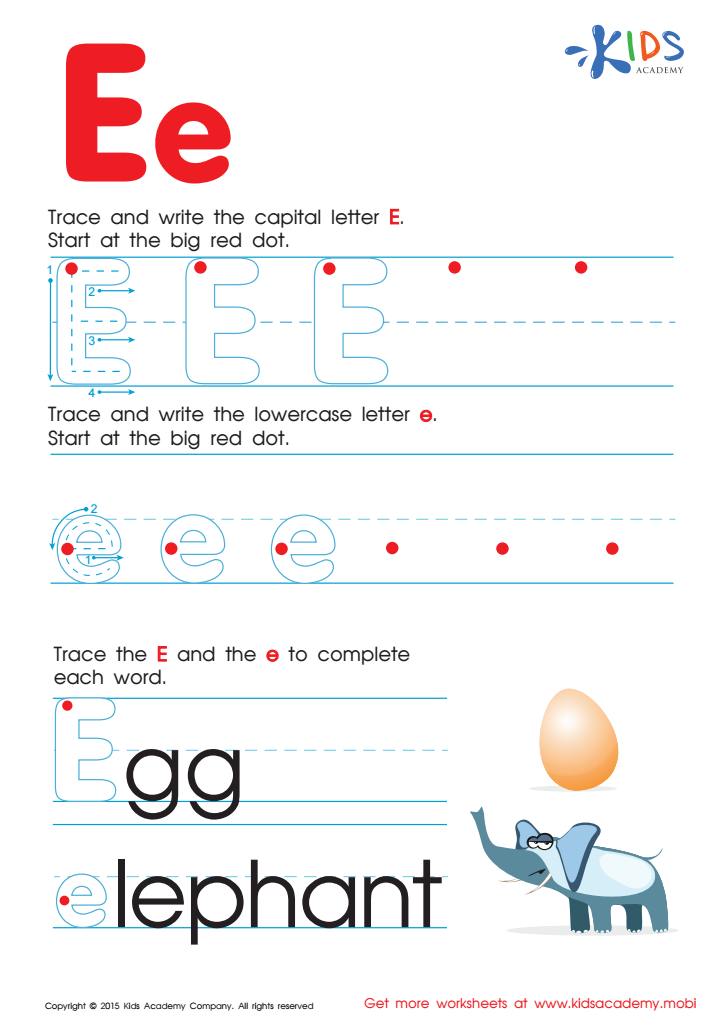
Letter E Tracing Page

Letter A Tracing Worksheet
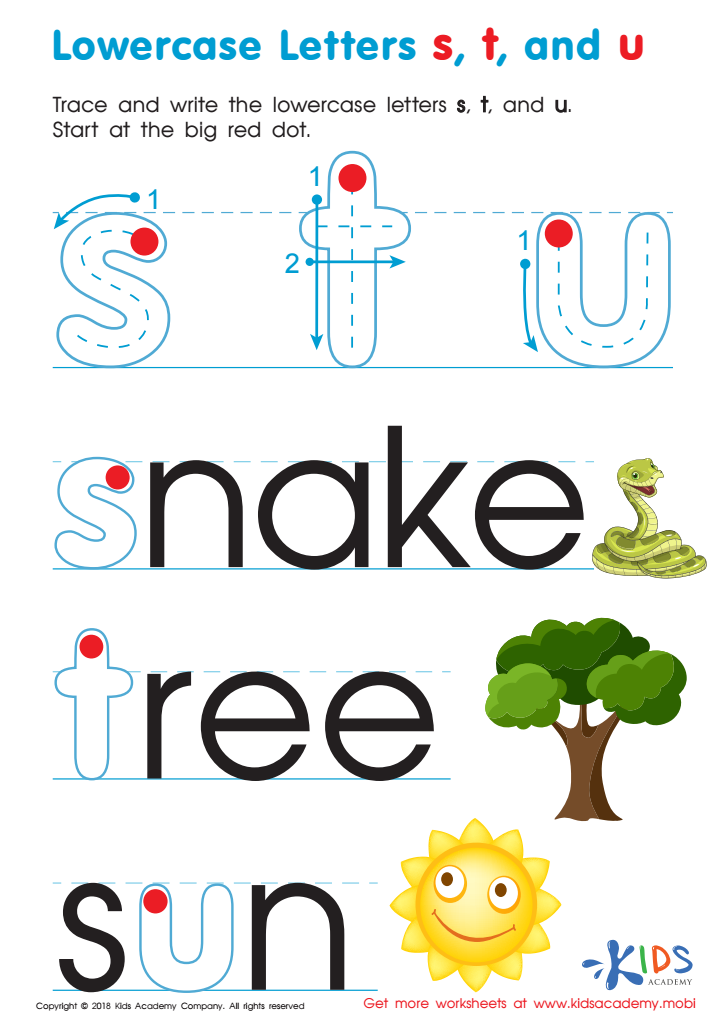
Lowercase Letters s t u Worksheet
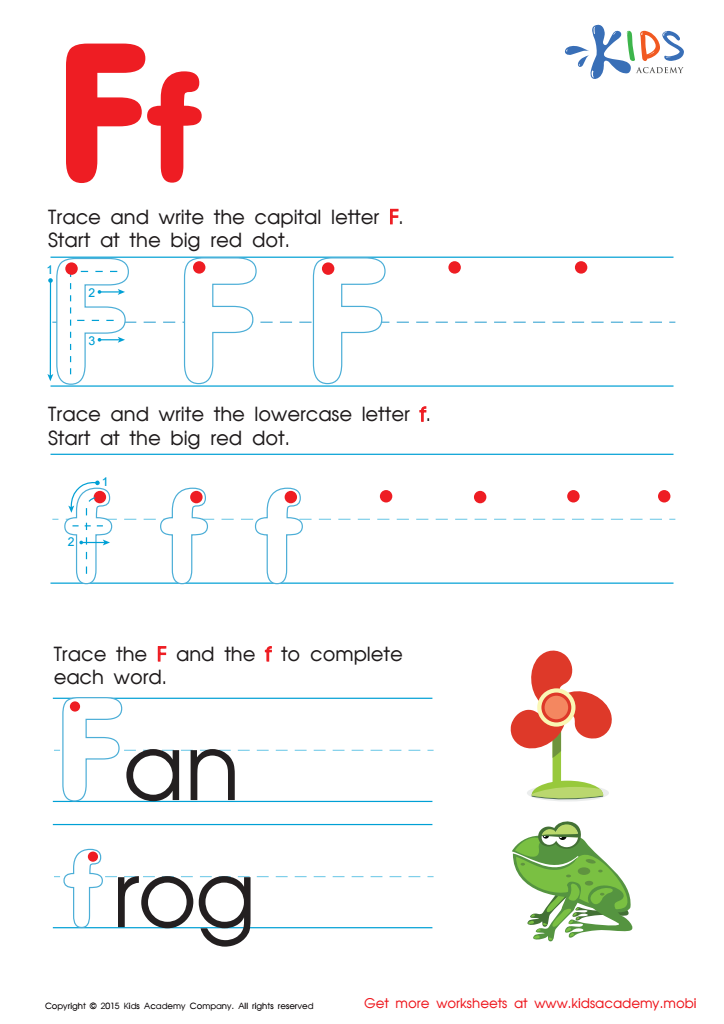
Letter F Tracing Page
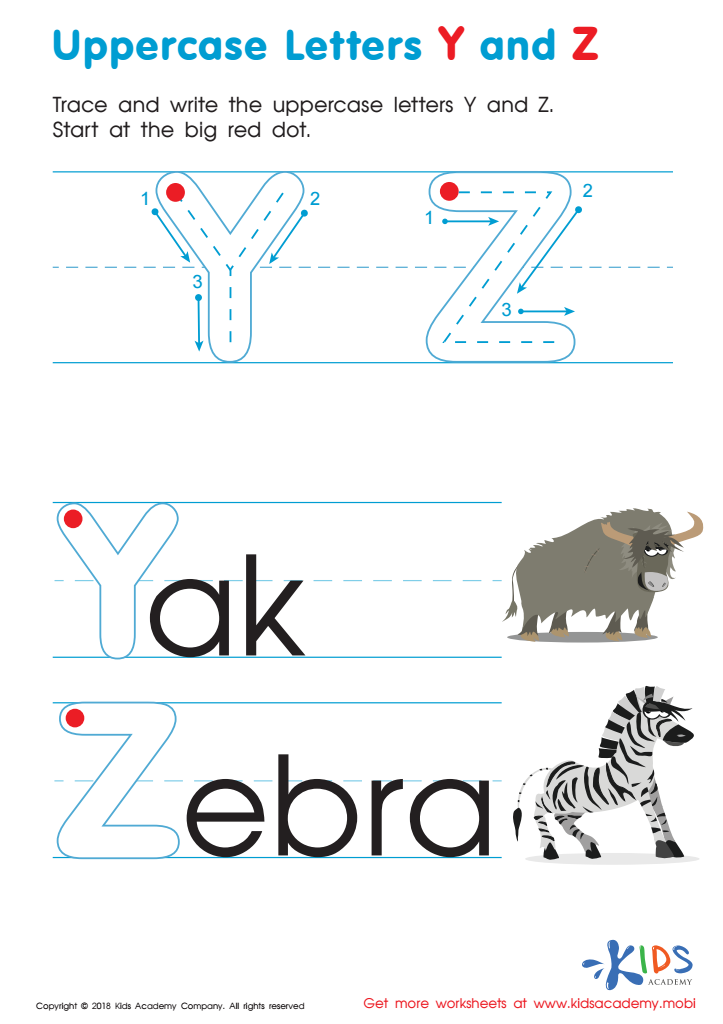
Uppercase Letters Y Z Worksheet
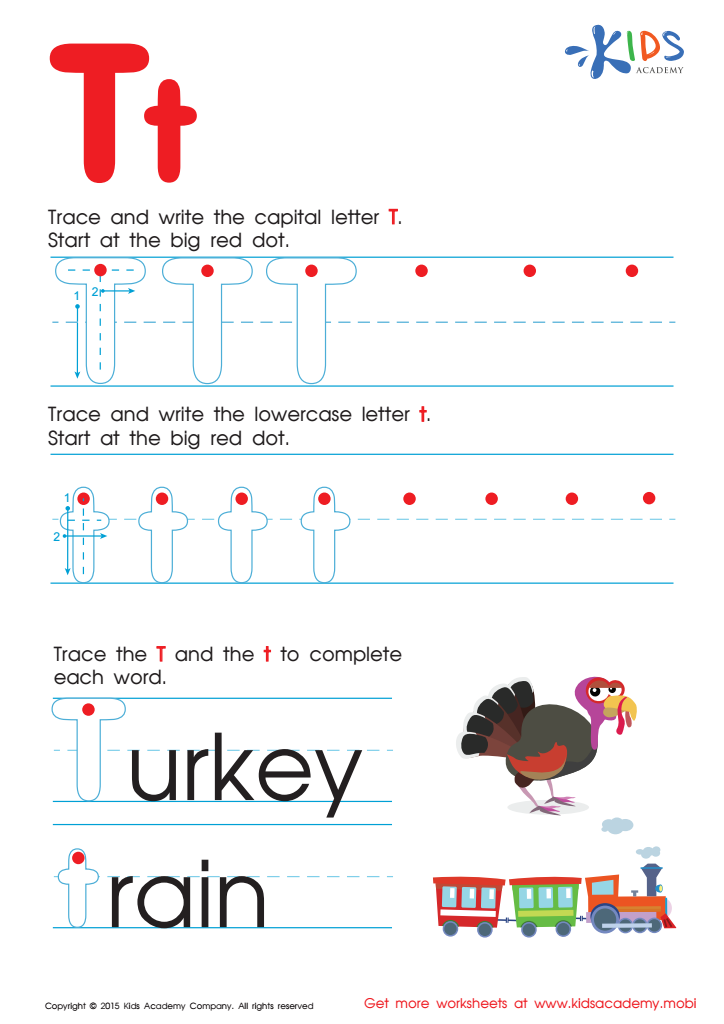
Letter T Tracing Page

Letter D Tracing Page








Fine motor skills are essential for early childhood development as they lay the foundation for a child's ability to perform everyday tasks and engage in learning activities. Tracing letters for ages 3-4 is a vital part of this development. Engaging in tracing helps young children improve their hand-eye coordination, which is crucial for writing and other skill sets. Through this activity, children practice control over their hand movements, essential for manipulating pencils and crayons effectively.
Moreover, tracing letters is not just about handwriting; it enhances cognitive development. Children start recognizing letters and the sounds they represent, fostering language skills that are foundational for reading and communication. This practice encourages focus and patience, helping children develop perseverance in completing tasks.
Furthermore, fine motor skills contribute to a child's self-confidence as they see progress in their ability to write. For parents and teachers, supporting the development of fine motor skills through tracing creates an engaging way for children to learn, ensuring they are well-prepared for their academic journey ahead. Overall, nurturing these skills can lead to a smoother transition into more complex educational activities, setting children on the path to success.








