Handwriting Skills Tracing Letters Worksheets for Ages 3-4
9 filtered results
-
From - To
Unlock your child's potential with our "Handwriting Skills Tracing Letters Worksheets for Ages 3-4." Designed to enhance early literacy, our worksheets offer engaging and easy-to-follow tracing activities. Your child will develop fine motor skills, hand-eye coordination, and letter recognition while having fun learning to write. Perfect for preschools, kindergarten teachers, and parents, our worksheets provide structured, step-by-step guidance to ensure skill mastery. Each page is crafted to support early learners in building a solid foundation for future writing success. Make learning enjoyable and effective with our expertly designed tracing worksheets!
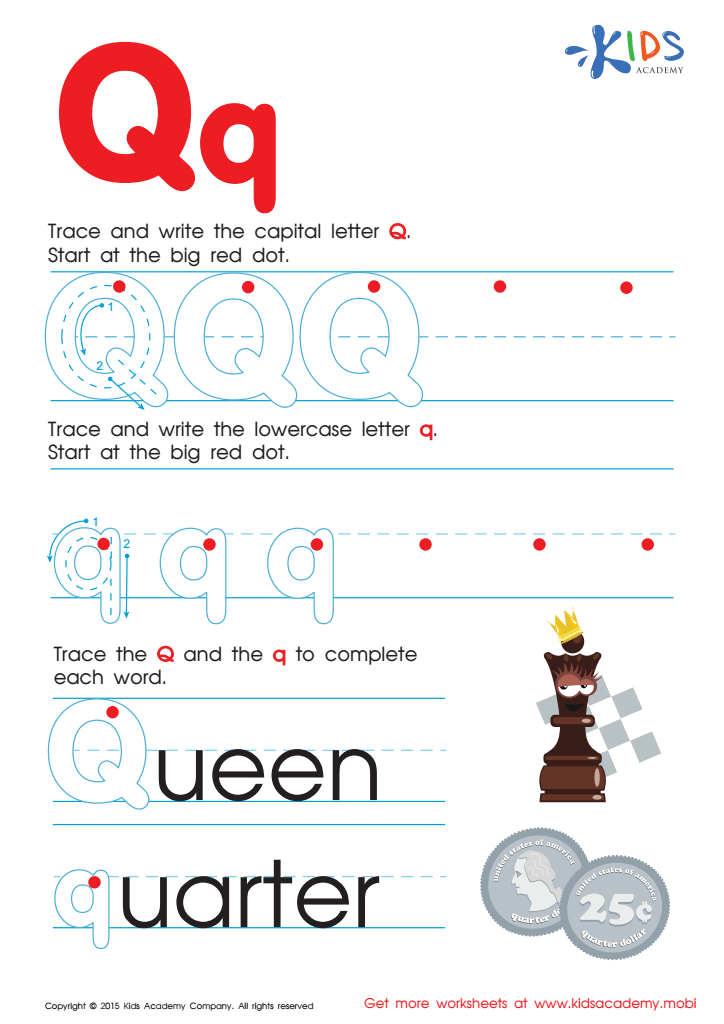
Letter Q Tracing Page
 Assign to My Students
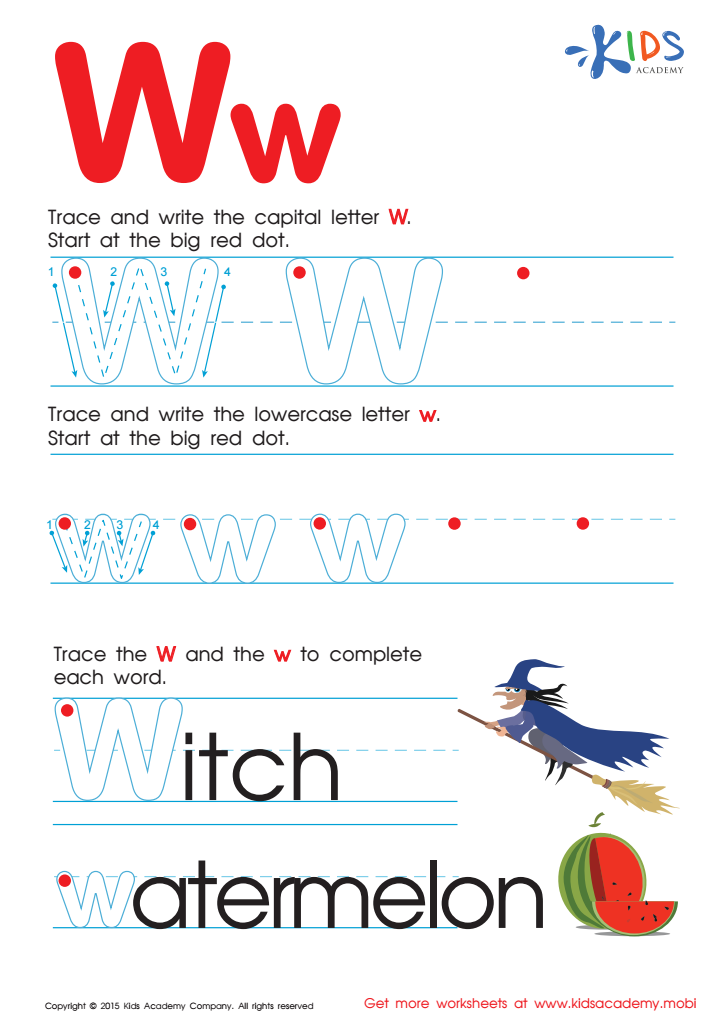
Letter W Tracing Page
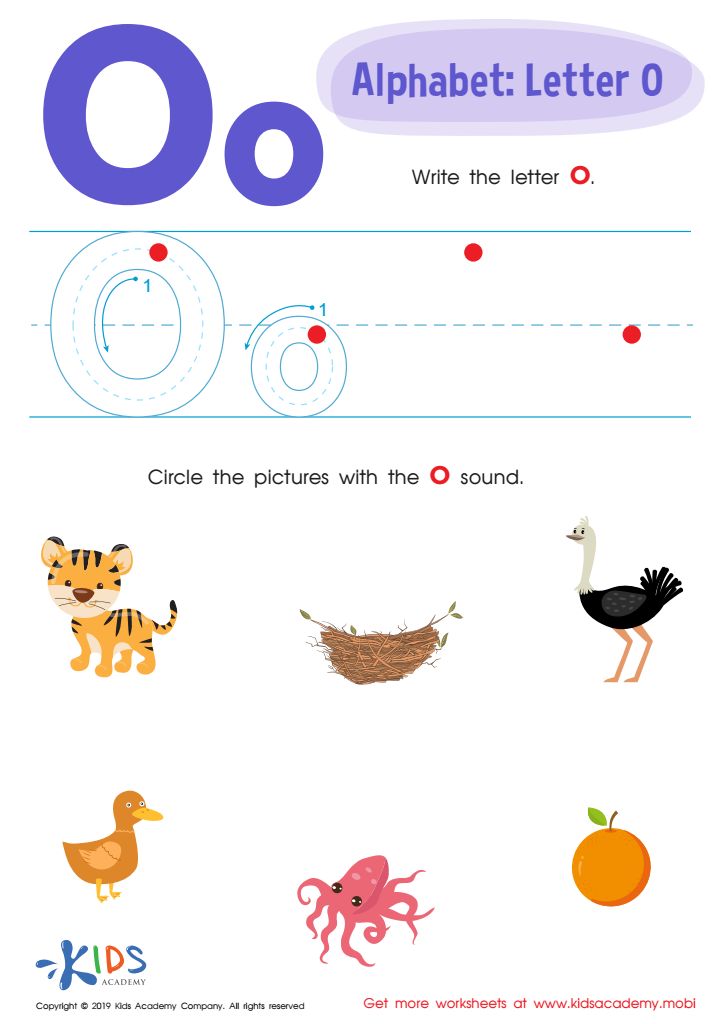
Letter O Tracing Worksheet
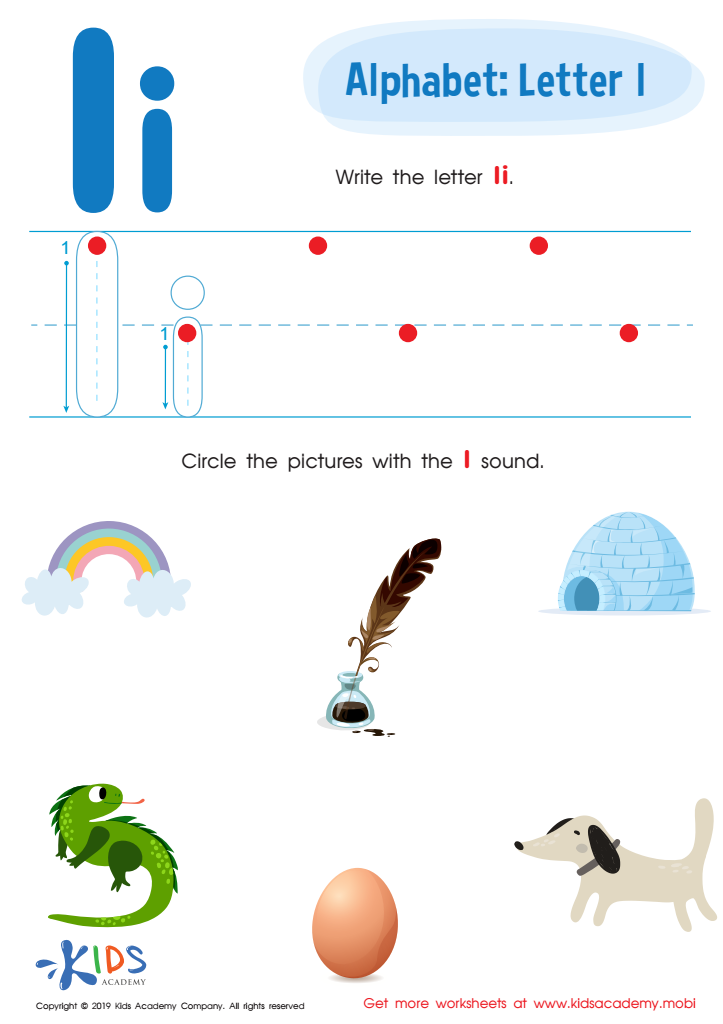
Letter I Tracing Worksheet
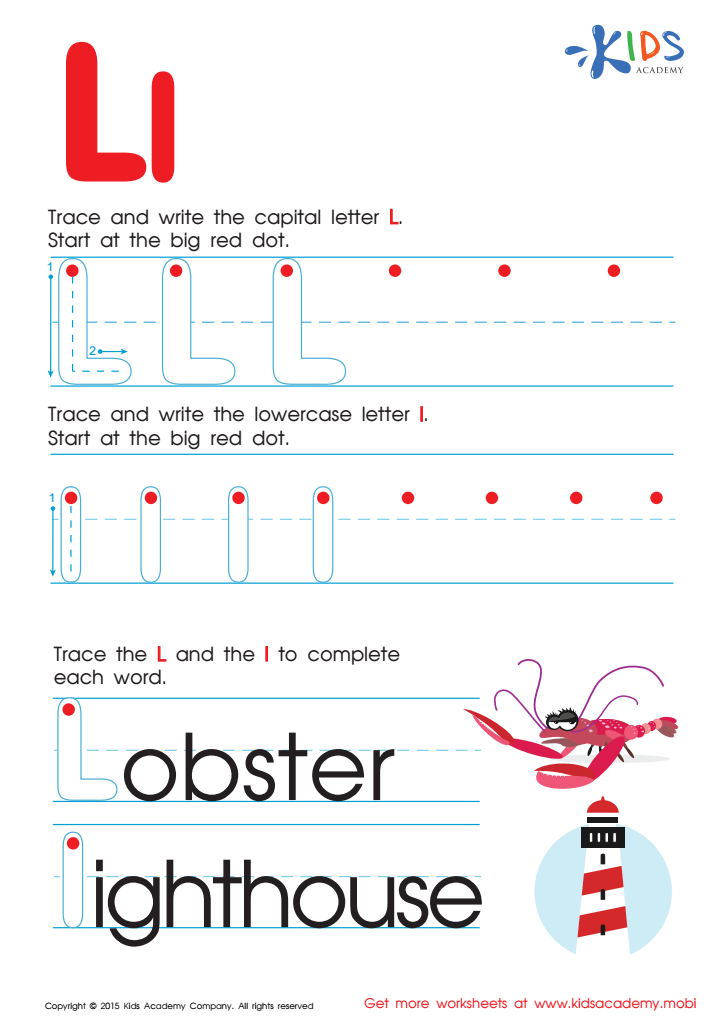
Letter L Tracing Page
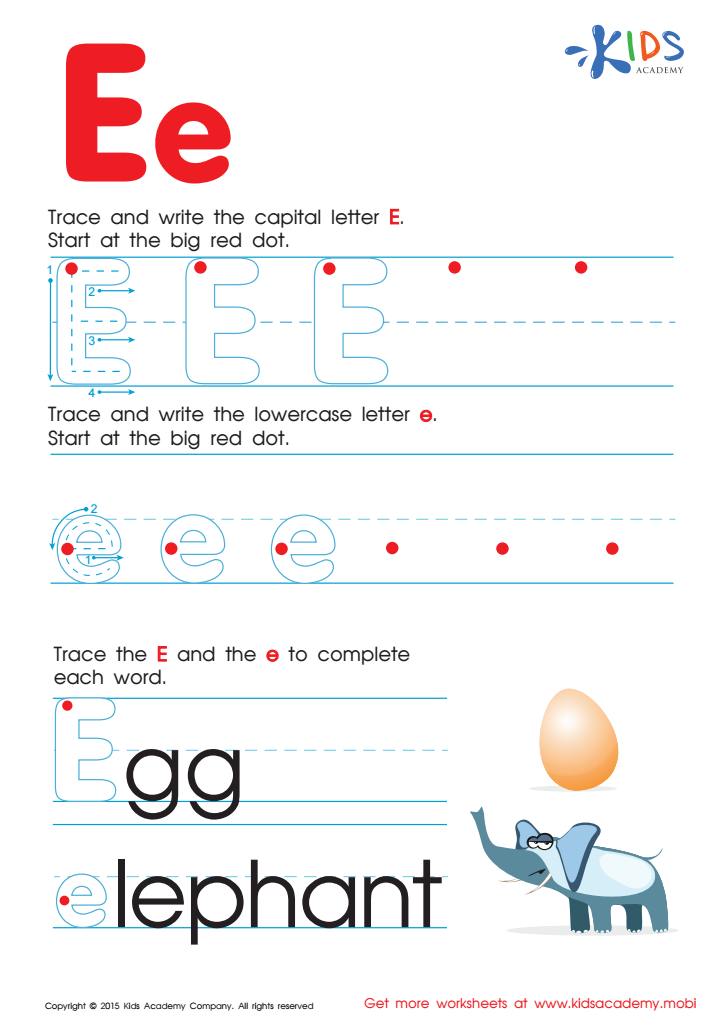
Letter E Tracing Page
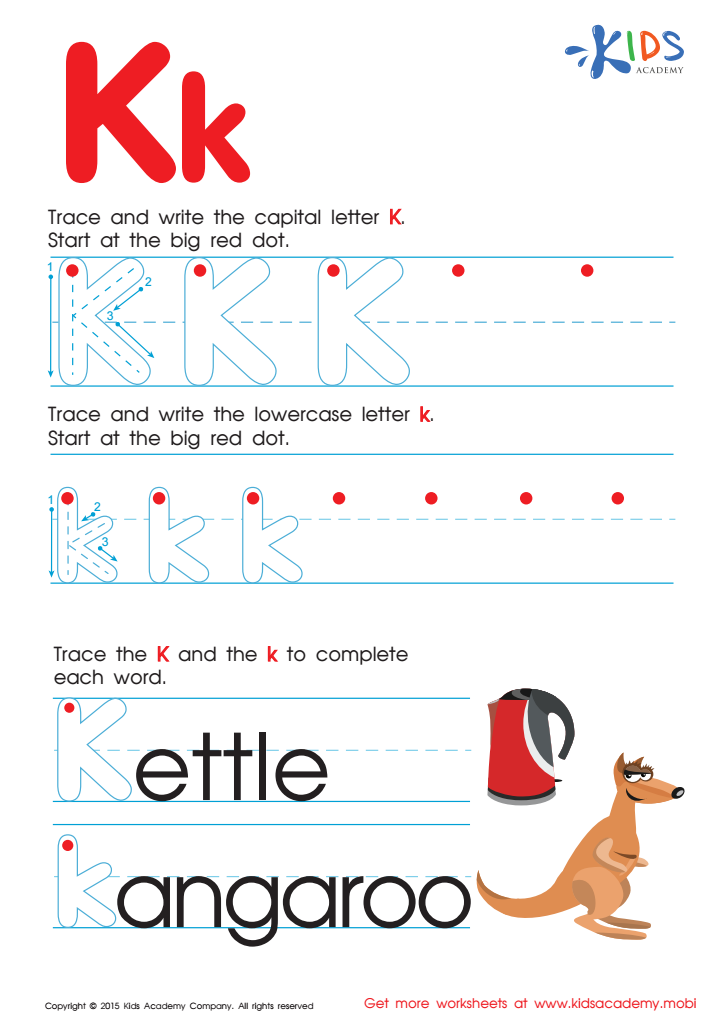
Letter K Tracing Page
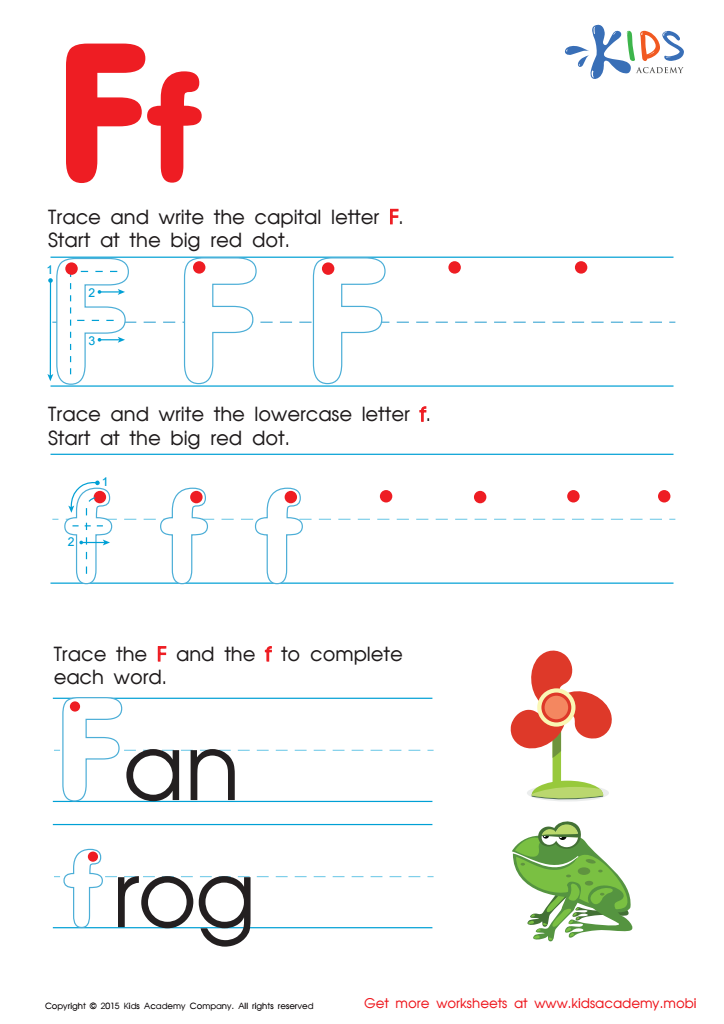
Letter F Tracing Page
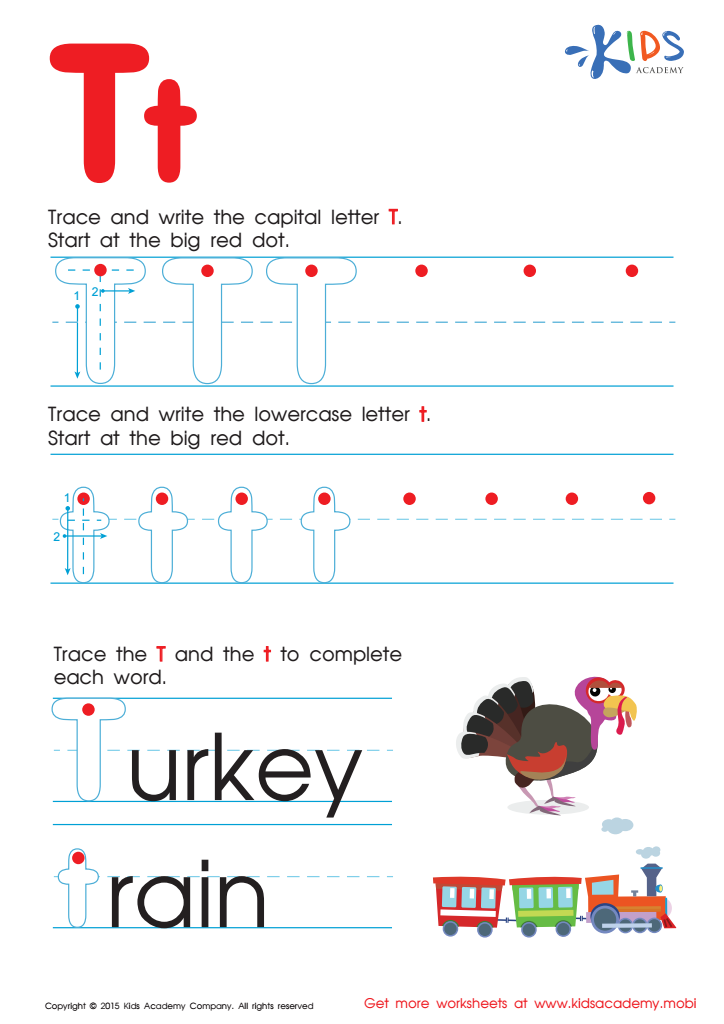
Letter T Tracing Page








Handwriting skills and tracing letters are fundamental components of early childhood education, especially for children aged 3-4. During these formative years, children undergo critical cognitive, motor, and emotional development. Introducing handwriting and tracing at this stage plays a multidimensional role in their growth.
Firstly, refining fine motor skills is paramount. Tracing letters helps children develop the small muscle movements in their hands and fingers necessary for writing. These skills also translate to other daily tasks like buttoning clothes and tying shoelaces.
Secondly, handwriting practice paves the way for literacy. Familiarity with letters and their shapes fosters letter recognition, phonics awareness, and early spelling capabilities. Touching and drawing letters create muscle memory, making it easier for children to recall letter formations when they begin to write independently.
Moreover, the discipline and concentration required for tracing improve focus and patience. These are vital skills that contribute to overall academic and personal success. The repetitive nature of tracing also builds a child’s confidence, giving them a sense of accomplishment with each correctly traced letter.
Lastly, it’s a hands-on and interactive method of learning, providing an enriching and enjoyable educational experience. Early effective interventions in handwriting ensure smoother progress in more complex writing tasks, therefore establishing a robust foundation for future learning and academic success.








