Color recognition Coloring Pages Worksheets for Ages 3-4 - Page 3
57 filtered results
-
From - To
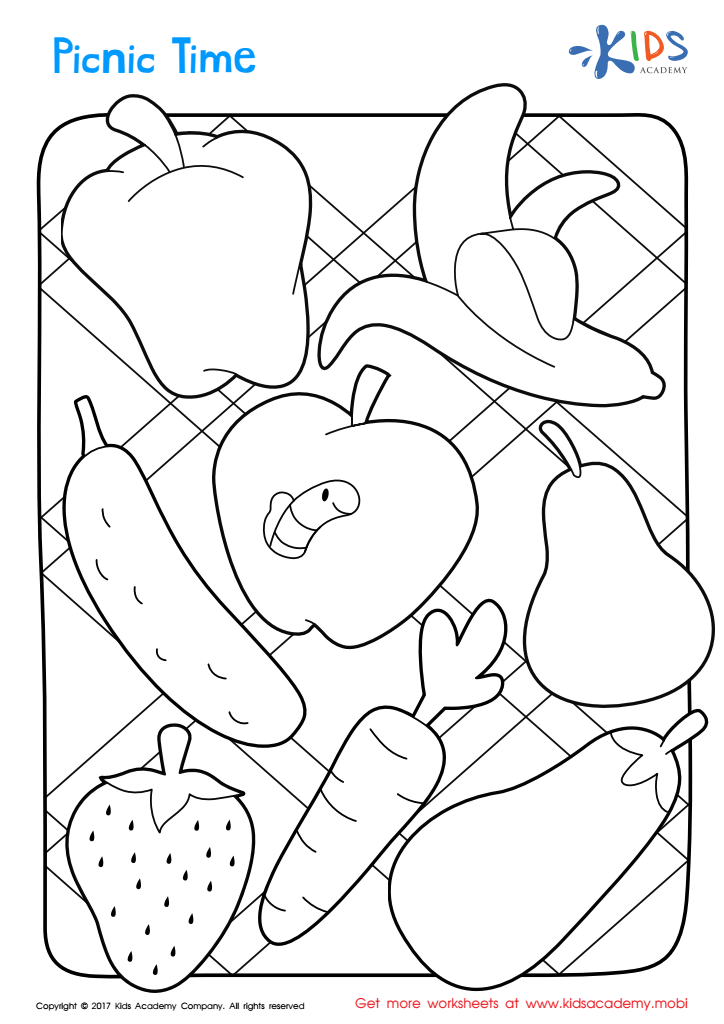
Picnic Time Coloring Page
 Assign to My Students
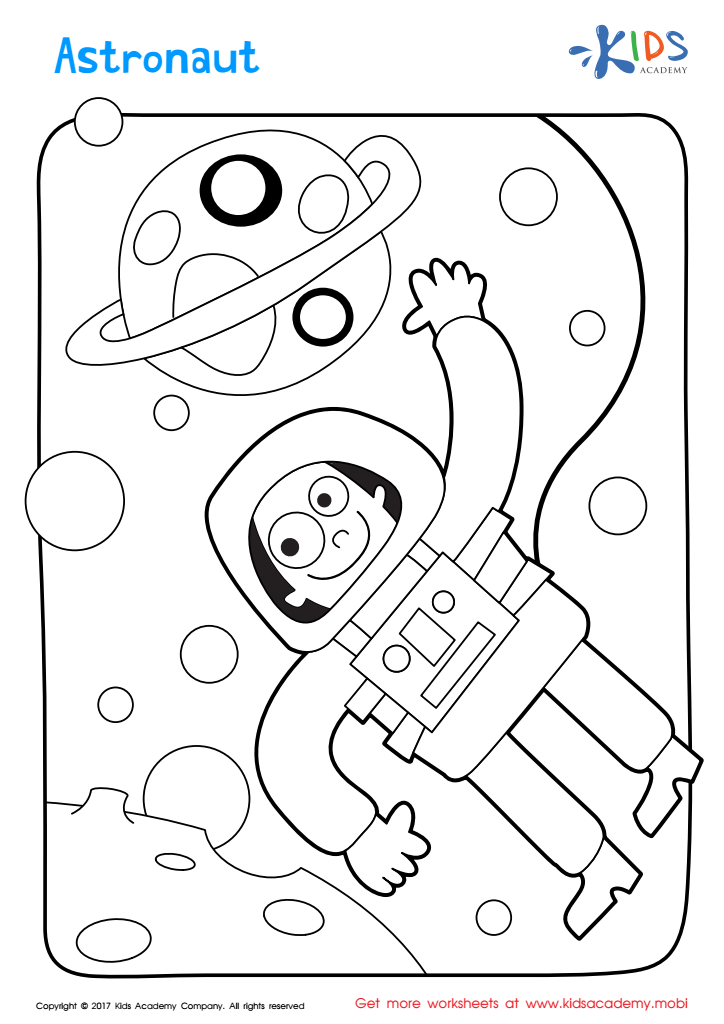
Astronaut Coloring Page
Assign to My Students
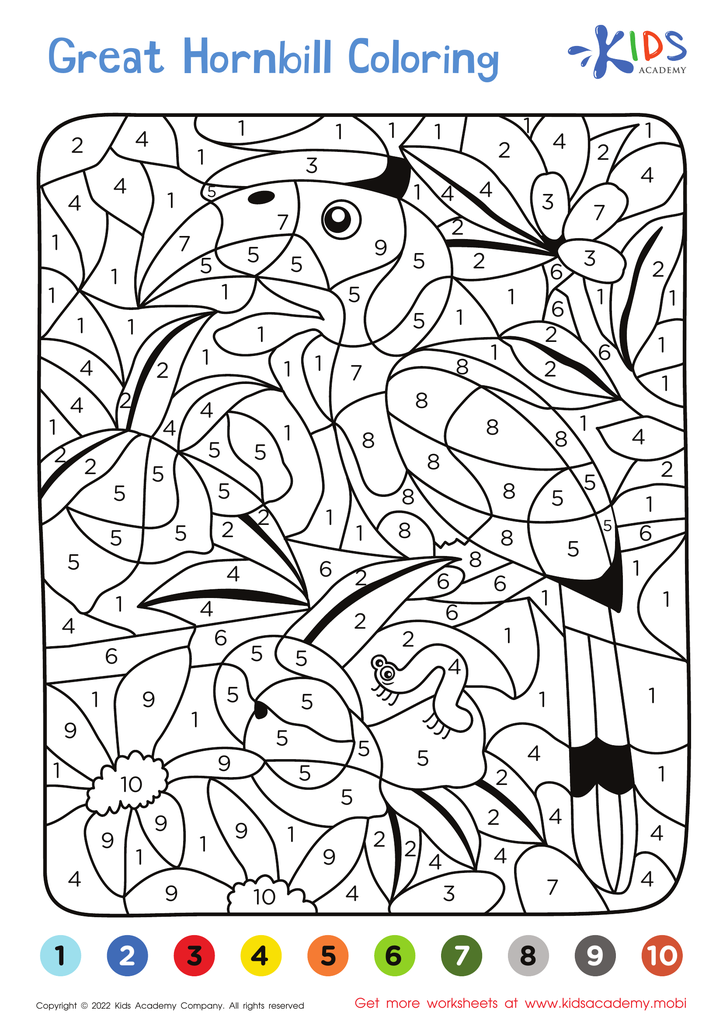
Great Hornbill – Coloring by Numbers
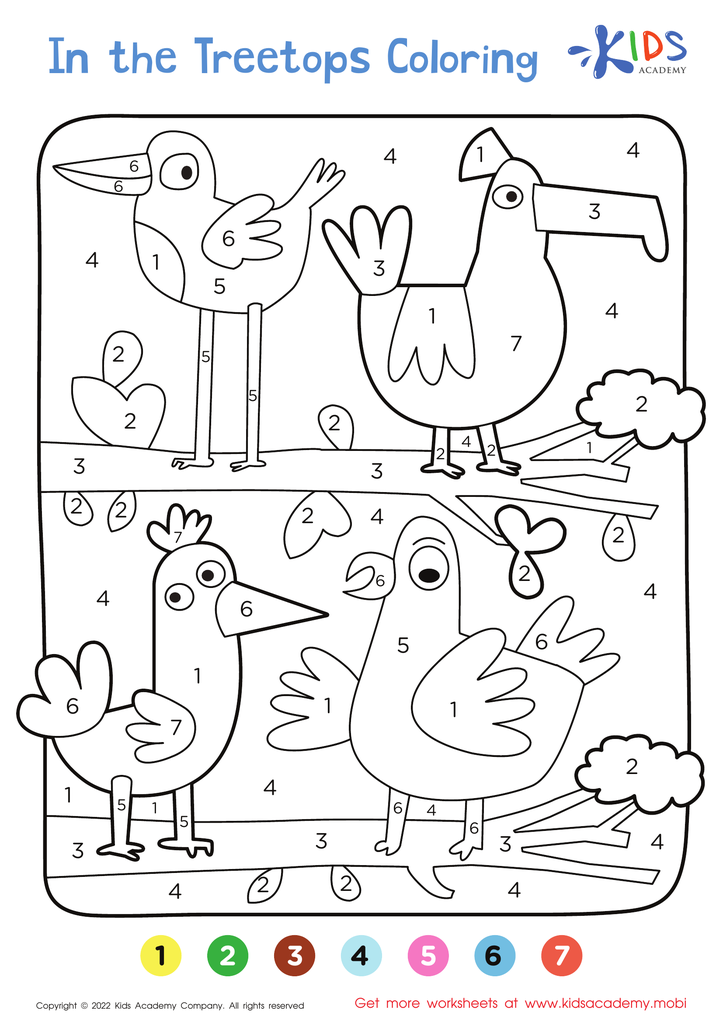
In the Treetops – Coloring Page
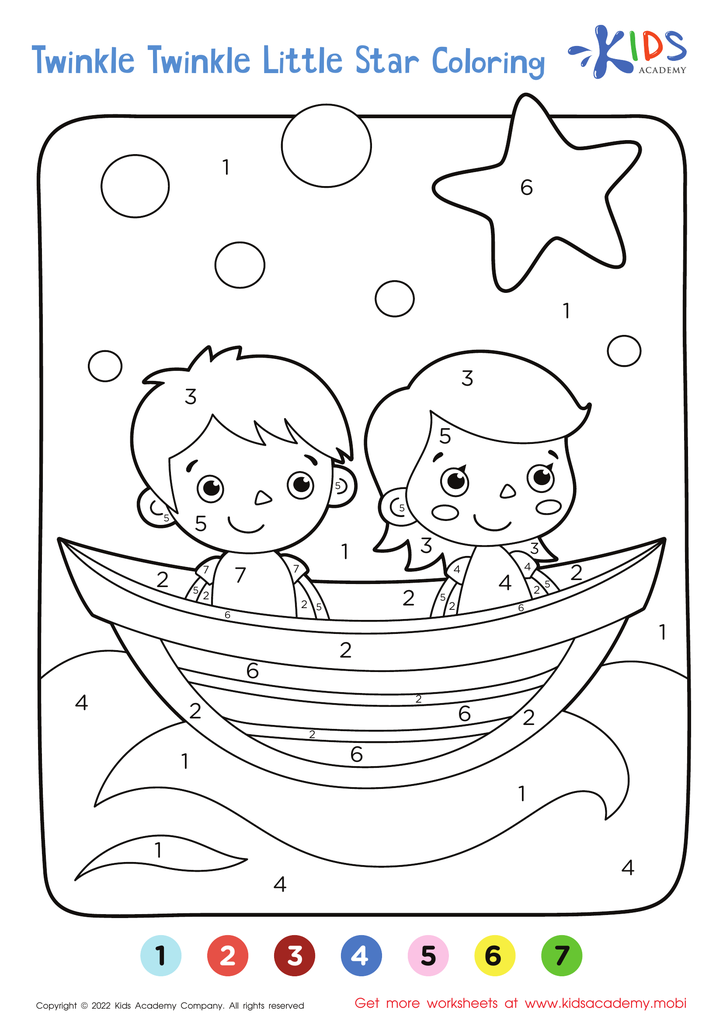
Twinkle, Twinkle, Little Star – Coloring by Numbers
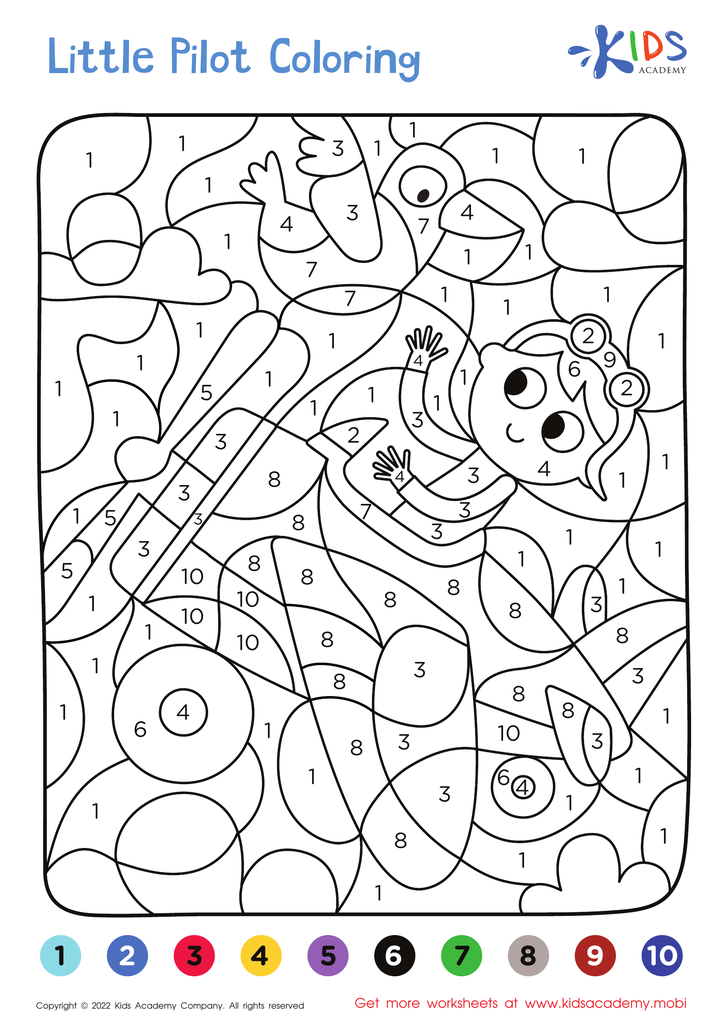
Little Pilot – Coloring by Numbers
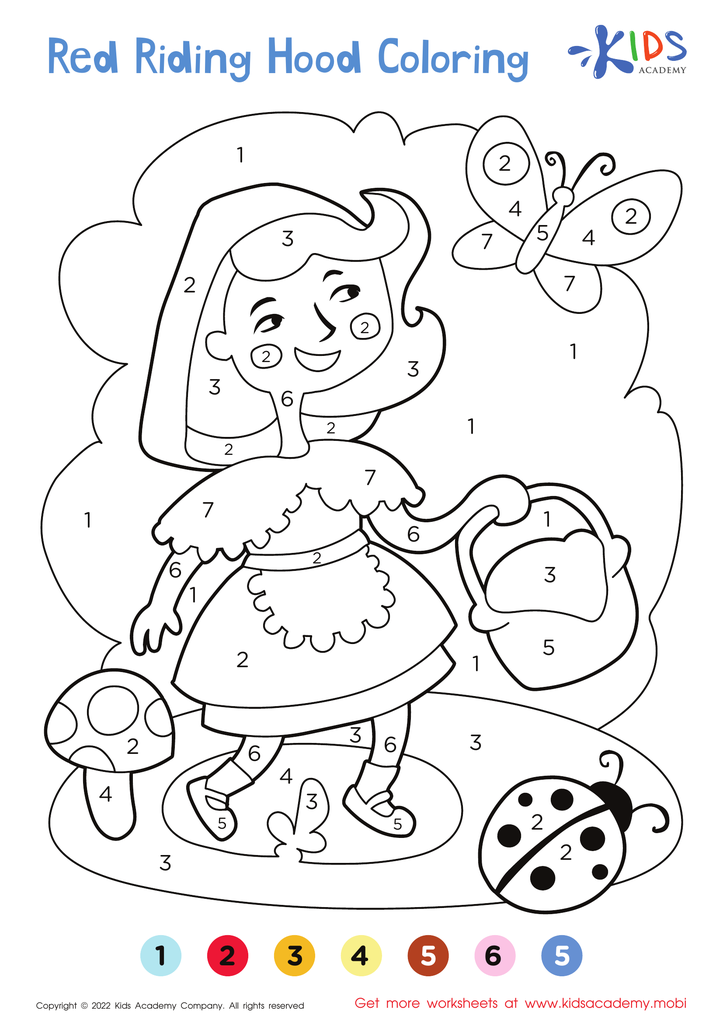
Little Red Riding Hood – Coloring by Numbers
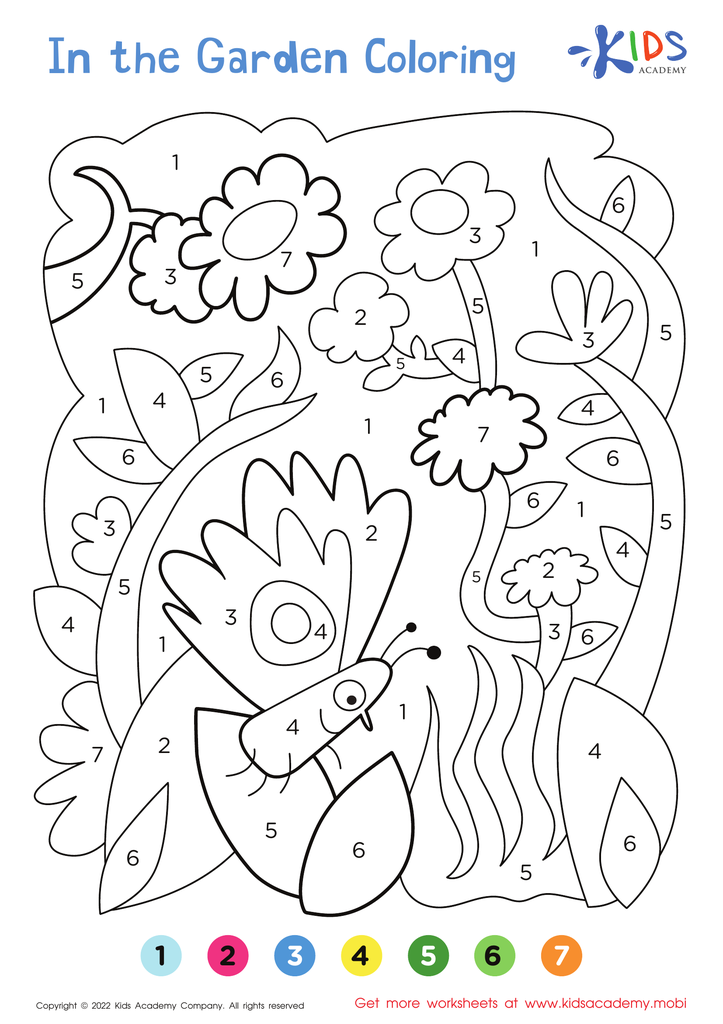
In the Garden – Coloring by Numbers
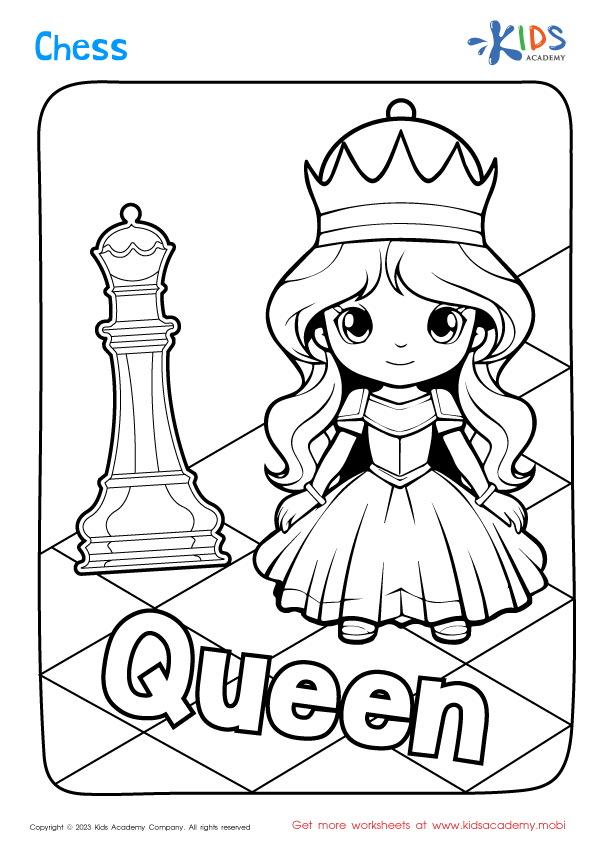







Color recognition is a foundational skill for children aged 3-4, and coloring pages specifically designed to enhance this skill play a vital role in early childhood education. First and foremost, recognizing colors helps children articulate observations, which is crucial for language development. By engaging with coloring pages, children not only learn about different hues but also practice vocabulary as they describe what they see and categorize objects.
Moreover, these activities tap into important cognitive processes. As young learners identify colors, they begin to make connections between objects in their environment and their corresponding colors, promoting critical thinking and memory skills. Coloring pages also provide an opportunity for creativity and self-expression, allowing children to make choices about which colors to use, encouraging independence and decision-making skills.
From a fine motor perspective, coloring develops hand-eye coordination and dexterity, preparing children for more complex tasks in the future. Finally, this enjoyable and engaging activity fosters a bond between parents and children or teachers and students, as they share moments of learning and creativity. Overall, color recognition coloring pages serve as a multi-faceted educational tool that supports cognitive, linguistic, and motor development in early learners, making them crucial for parents and educators alike.