Color recognition Plants Worksheets for Ages 3-4
5 filtered results
Difficulty Level
Grade
Age
-
From - To
Subject
Activity
Standards
Introduce your little ones to the vibrant world of plants with our Color Recognition Plants Worksheets for Ages 3-4! Designed to spark curiosity and build foundational skills, these engaging worksheets help toddlers and preschoolers learn to identify various colors through fun coloring activities. Each page features delightful plant illustrations that invite young learners to match colors and practice fine motor skills. Perfect for home or classroom use, these worksheets support early cognitive development and make learning an enjoyable adventure. Start exploring today and watch your child's confidence and creativity blossom! Download now from Kids Academy.
Favorites
With answer key
Interactive
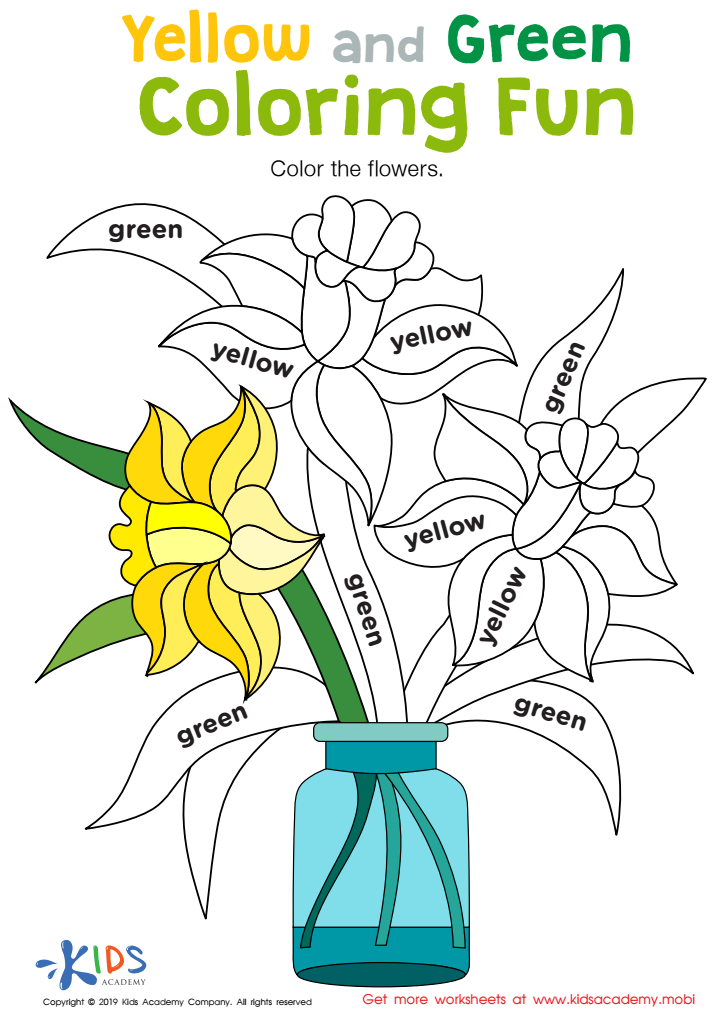
Yellow and Green Coloring Fun Worksheet
Sight words like "yellow" and "green" are easy to teach and fun for kids to learn. This free downloadable worksheet has kids read the color words and color the flower with yellow and green. A great activity for learning to read color words!
Download (PDF)
 Assign to My Students
Assign to My Students
Yellow and Green Coloring Fun Worksheet
Worksheet



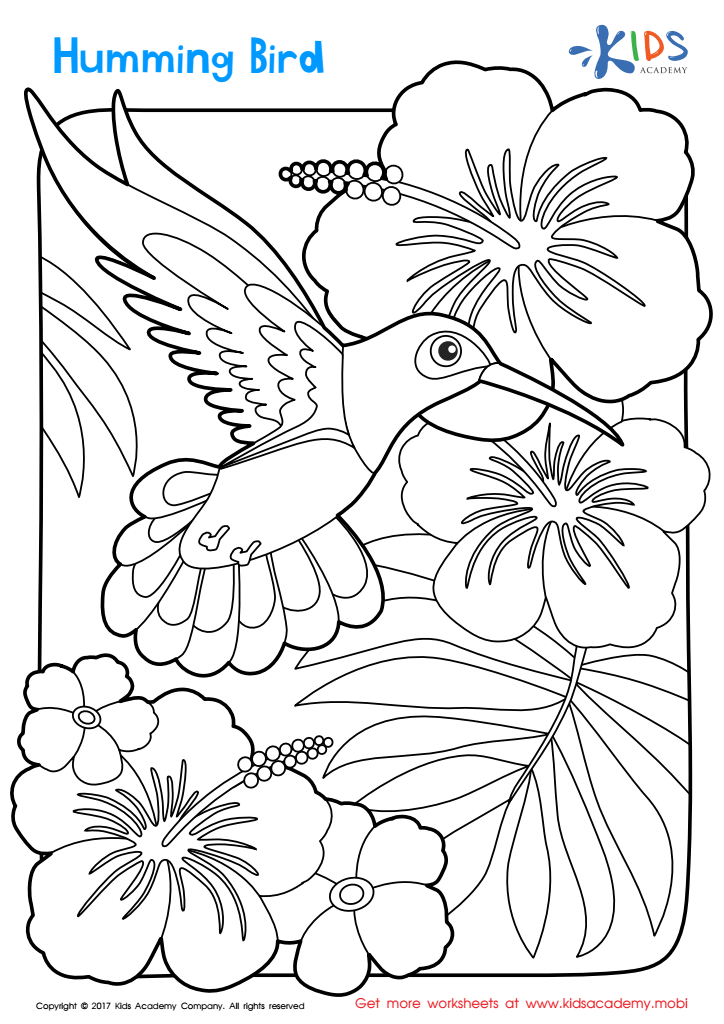
Humming Bird Worksheet
Encourage your child to explore nature with this lovely hummingbird coloring page! Use pictures to learn about the bird and extend the experience with a hummingbird feeder. See the beautiful creature in your own backyard!
Download (PDF)
Assign to My Students
Assign to My Students
Humming Bird Worksheet
Worksheet
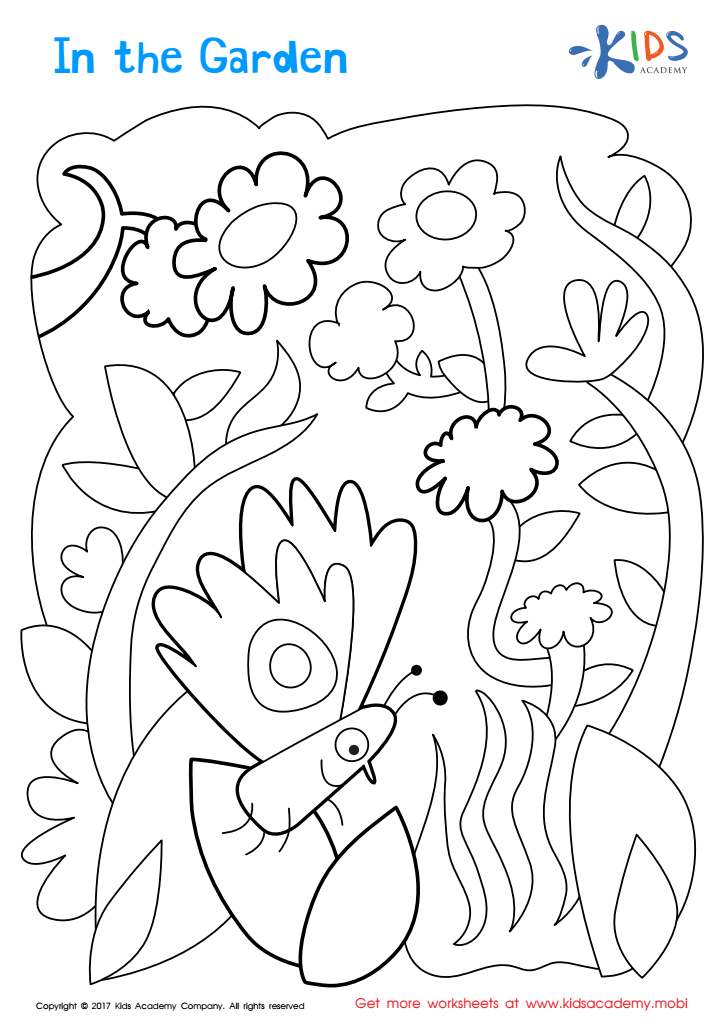
In The Garden Coloring Page
Explore nature with this fun coloring page! Take a walk out to the garden and observe the plants and animals. Help your kids learn and grow – connect the page to the natural wonders outside their window. In the Garden coloring page – make your kids smile!
Download (PDF)
Assign to My Students
Assign to My Students
In The Garden Coloring Page
Worksheet
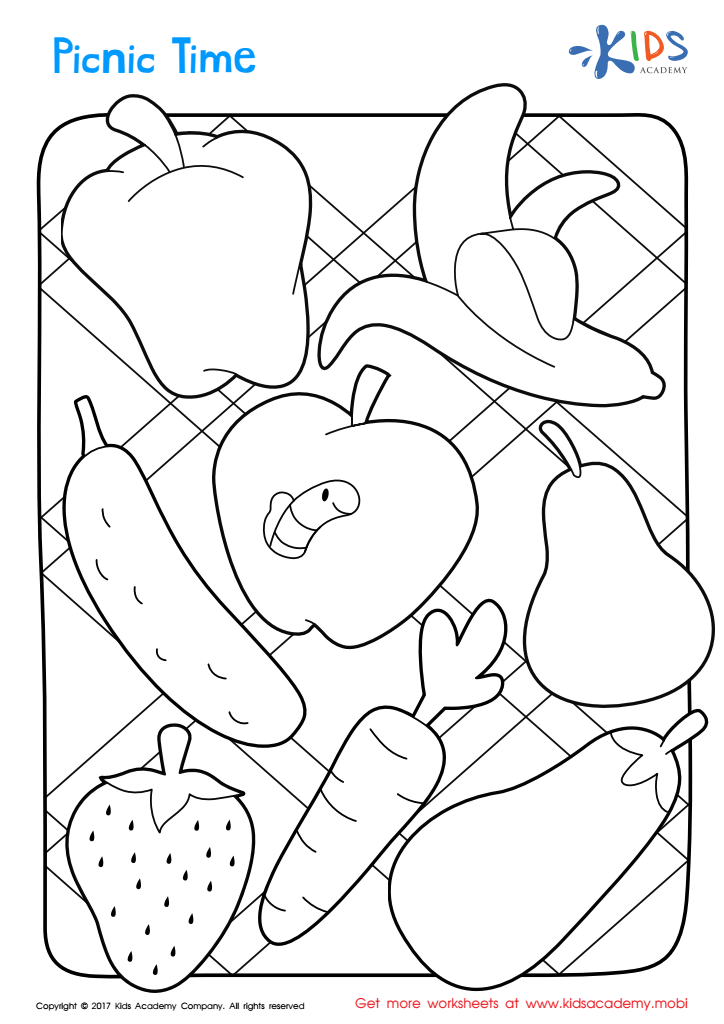
Picnic Time Coloring Page
Bringing juicy fruits and veggies to a picnic is ideal. With this Picnic Time coloring page, kids can get excited for a tasty outdoor meal. Discuss the different fruits and veggies while coloring for a fun and healthy activity!
Download (PDF)
Assign to My Students
Assign to My Students
Picnic Time Coloring Page
Worksheet
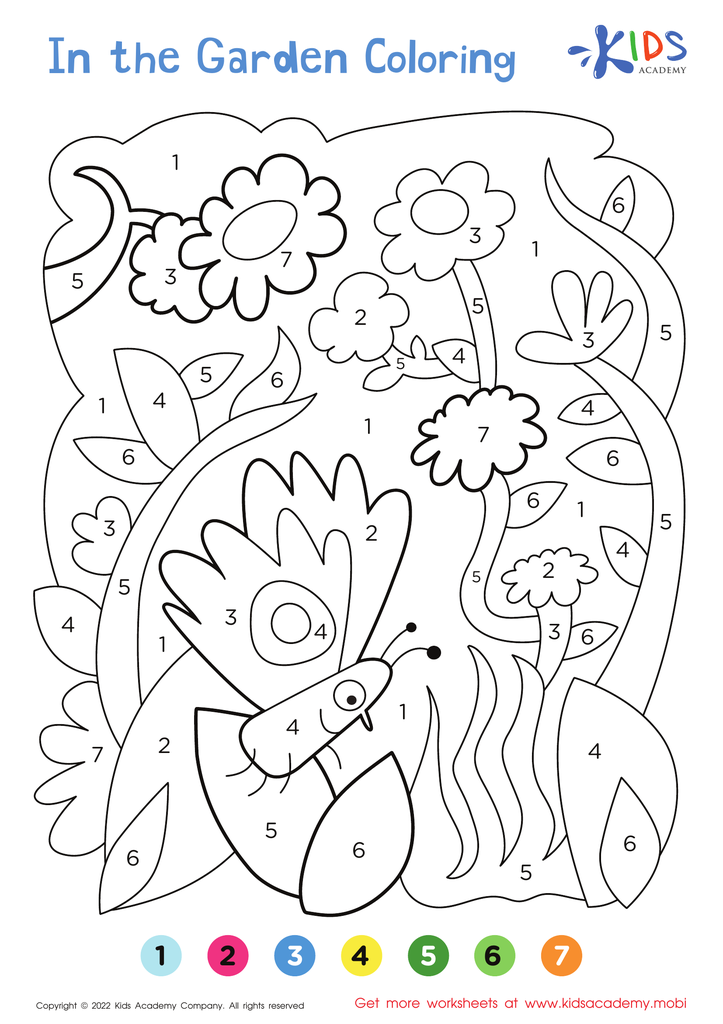
In the Garden – Coloring by Numbers
Download a free PDF page with a beautiful garden scene, perfect for coloring by numbers. Enjoy hours of creative fun and relaxation with this vibrant page.
In the Garden – Coloring by Numbers
Worksheet
Join Kids Academy for Free
Who is primarily going to use this learning content?







Color recognition plants are essential educational tools for children ages 3-4 as they offer multifaceted developmental benefits. At this sensitive age, children are naturally curious and eager to explore the world around them. Incorporating plants into their learning environment can stimulate their senses, improving both their cognitive and sensory skills.
Firstly, color recognition is a fundamental cognitive skill. Introducing colorful plants helps young children distinguish between different hues, laying the foundation for more complex tasks such as mathematics and reading. For instance, identifying red tomatoes or green spinach not only helps with visual discrimination but also enhances memory and attention to detail.
Secondly, tending to plants teaches responsibility and care. When children are involved in watering and caring for plants, they learn about life cycles and the importance of nurturing living things. This hands-on experience fosters a sense of empathy and respect for the environment.
Thirdly, biodiversity in colors through plants can make learning exciting and interactive. Approaching education through tactile experiences encourages active engagement, catering to various learning styles. For instance, while some children are more visually inclined, others might benefit more from the physical act of touching and caring for the plants.
Overall, color recognition plants serve as a captivating and holistic approach to development, enriching children's educational journeys.