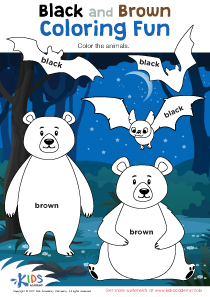
Word Recognition English for Beginners Worksheets for Ages 3-4
4 filtered results
-
From - To
"Word Recognition English for Beginners Worksheets for Ages 3-4" are crafted to support early learners' journey in English. These worksheets focus on recognizing simple words, promoting reading readiness through engaging activities designed for young minds. With colorful visuals and interactive tasks, kids identify basic words, boosting their vocabulary and comprehension skills. Ideal for classroom and home use, these resources cater to the developmental needs of preschoolers, enhancing phonetic awareness and making the first steps in reading fun and effective. Provide your child with a strong foundation in English with these specially designed beginner word recognition worksheets.
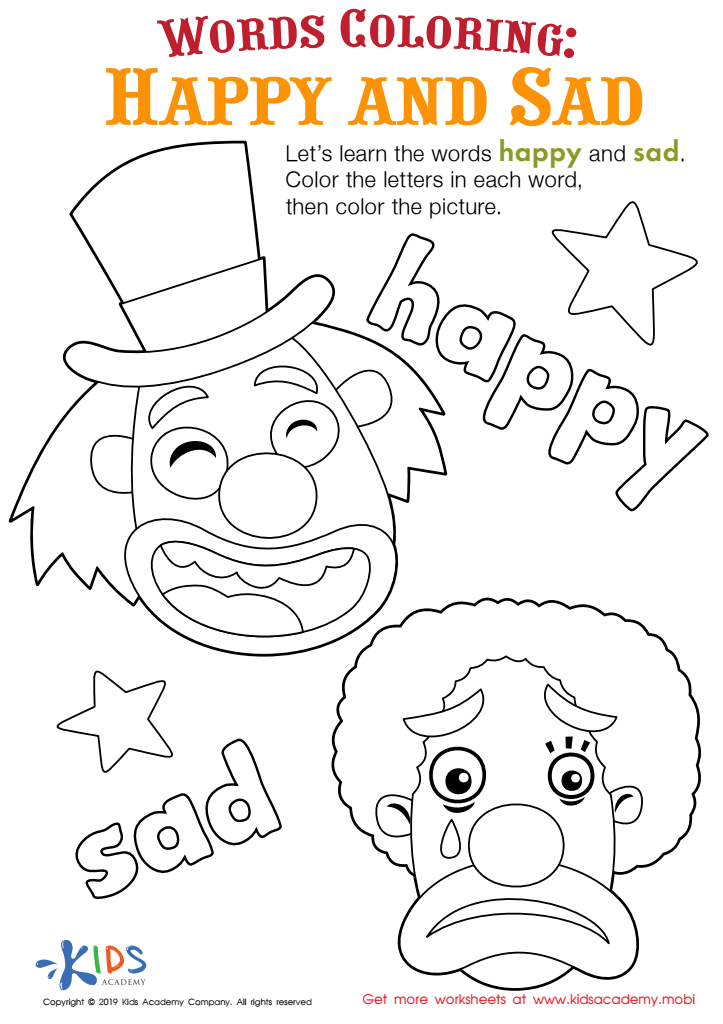
Happy and Sad Words Coloring Worksheet
 Assign to My Students
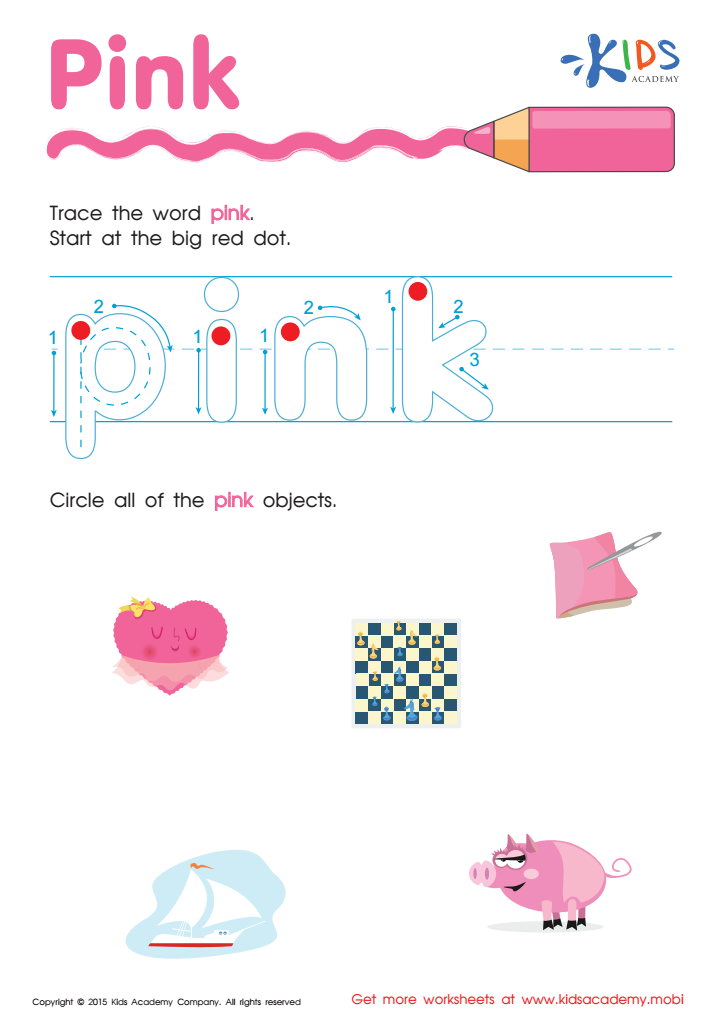
Pink Tracing Color Words Worksheet
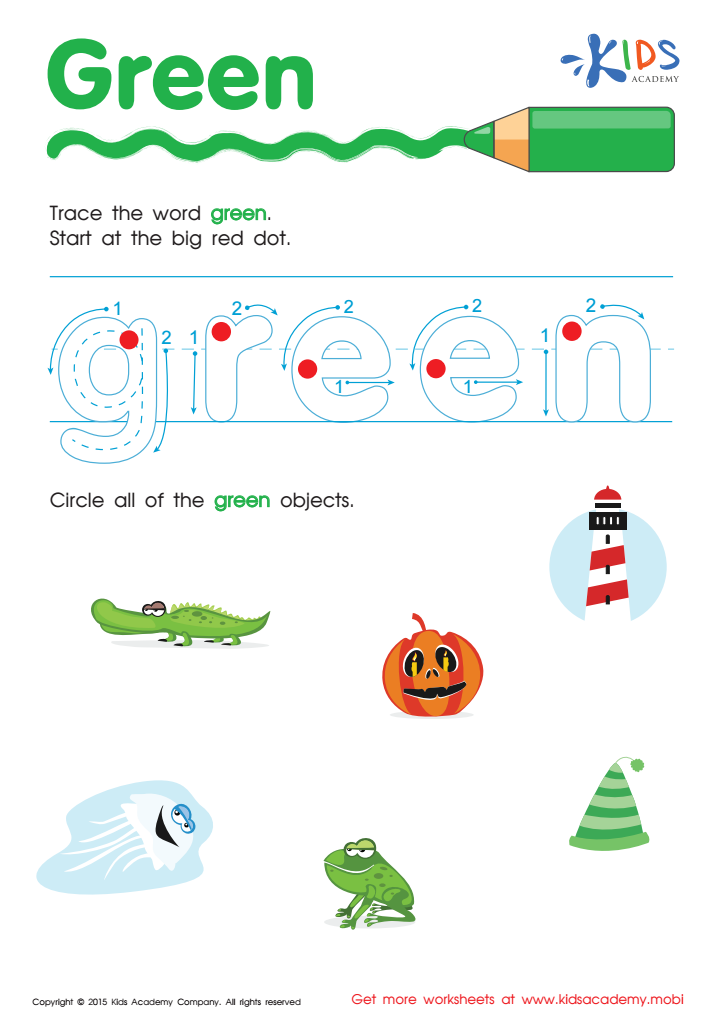
Green Tracing Color Words Worksheet
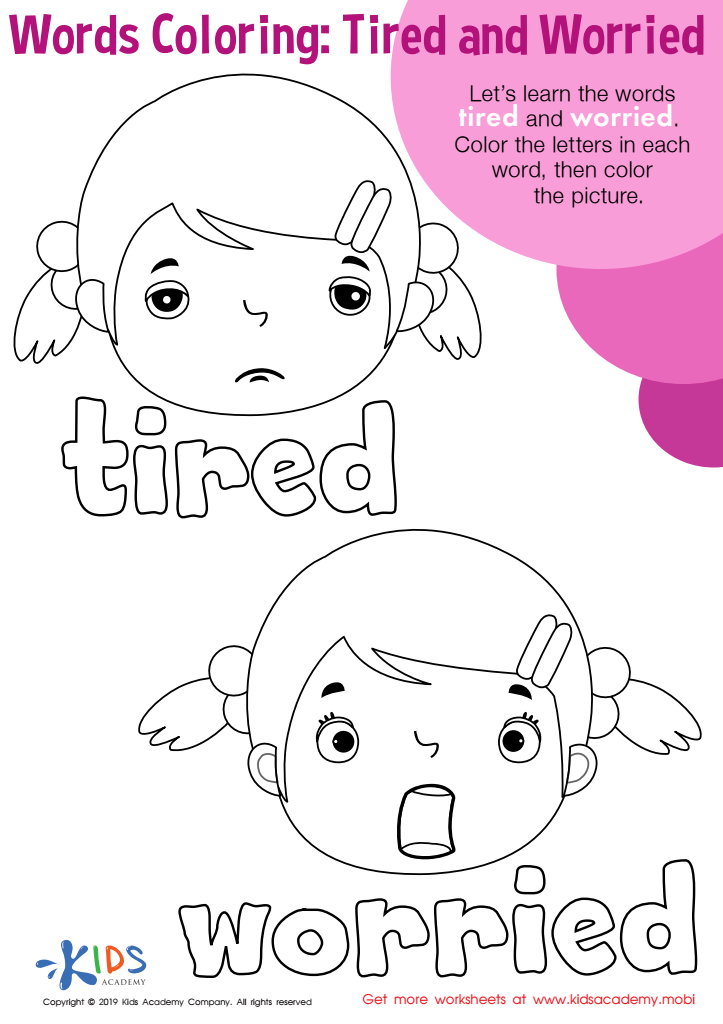
Tired and Worried Words Coloring Worksheet
Assign to My Students





Word recognition is a foundational skill for early literacy, and it is essential for parents and teachers to prioritize this for young children aged 3-4. At this developmental stage, children's brains are incredibly receptive to language acquisition, making it an ideal time to introduce word recognition activities. By focusing on this skill, adults can help children develop essential pre-reading abilities that will serve as the building blocks for more advanced reading and comprehension skills later on.
Word recognition engages a child's ability to distinguish letters and sounds, recognize familiar words, and eventually connect these to meaning. This not only enhances their vocabulary but also boosts their overall cognitive development. Early success in word recognition can also build confidence and motivate a positive attitude towards learning, which is crucial for lifelong educational success.
Incorporating word recognition games, flashcards, and interactive reading with children fosters a love for reading and learning. This early literacy skill also helps with linguistic development, enriching children's verbal communication and setting a strong foundation for future academic achievement. Parents and teachers should therefore integrate word recognition into daily activities to give children the head start they need in language and literacy.
Overall, focusing on word recognition for young learners is an investment in their future intellectual growth and school readiness.