
Develop critical thinking Worksheets for Ages 3-4
5 filtered results
Difficulty Level
Grade
Age
-
From - To
Subject
Activity
Standards
Our "Develop Critical Thinking Worksheets for Ages 3-4" offer fun and engaging activities designed to boost your child's cognitive abilities through play and exploration. With colorful illustrations and age-appropriate challenges, these worksheets stimulate young minds, helping them build essential problem-solving skills, enhance their creativity, and encourage logical reasoning. Perfect for early learners, each worksheet aims to foster curiosity and a love for learning in a supportive and enjoyable environment. Whether used at home or in a preschool setting, these resources are ideal for laying a strong foundation for lifelong critical thinking skills.
Favorites
With answer key
Interactive
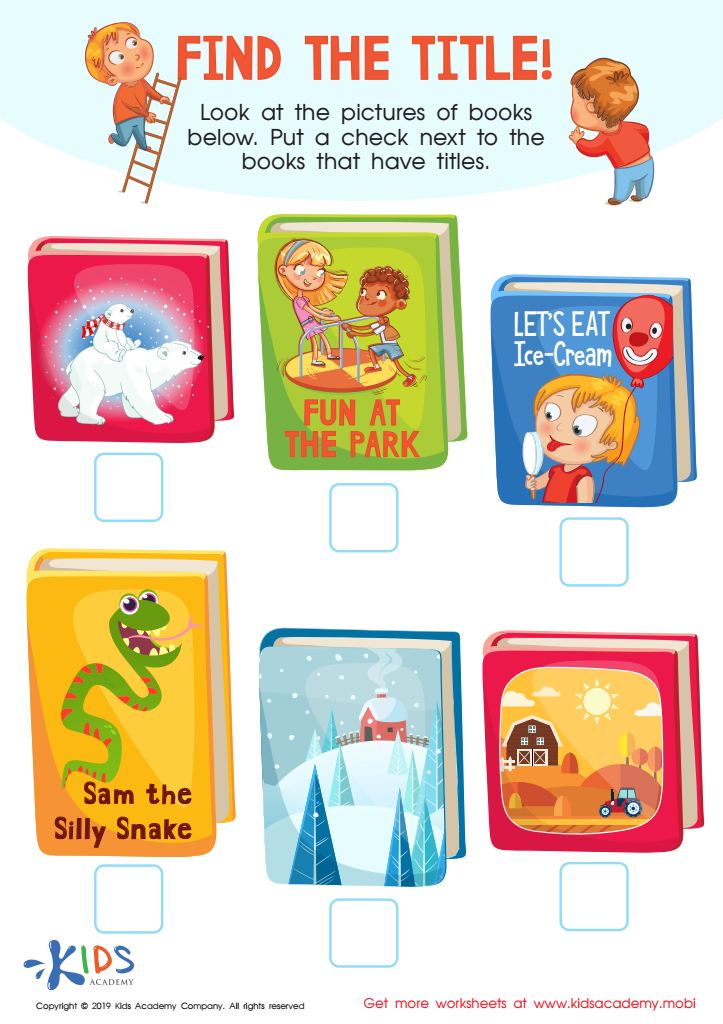
Find the Title Worksheet
Help your kids to identify the colors of the books on this worksheet. Ask them to spot the differences between the six books, such as which ones have titles printed on their covers. Ask them to put a check next to the books with titles. This activity will promote your kids' thinking skills.
 Assign to My Students
Find the Title Worksheet
Worksheet
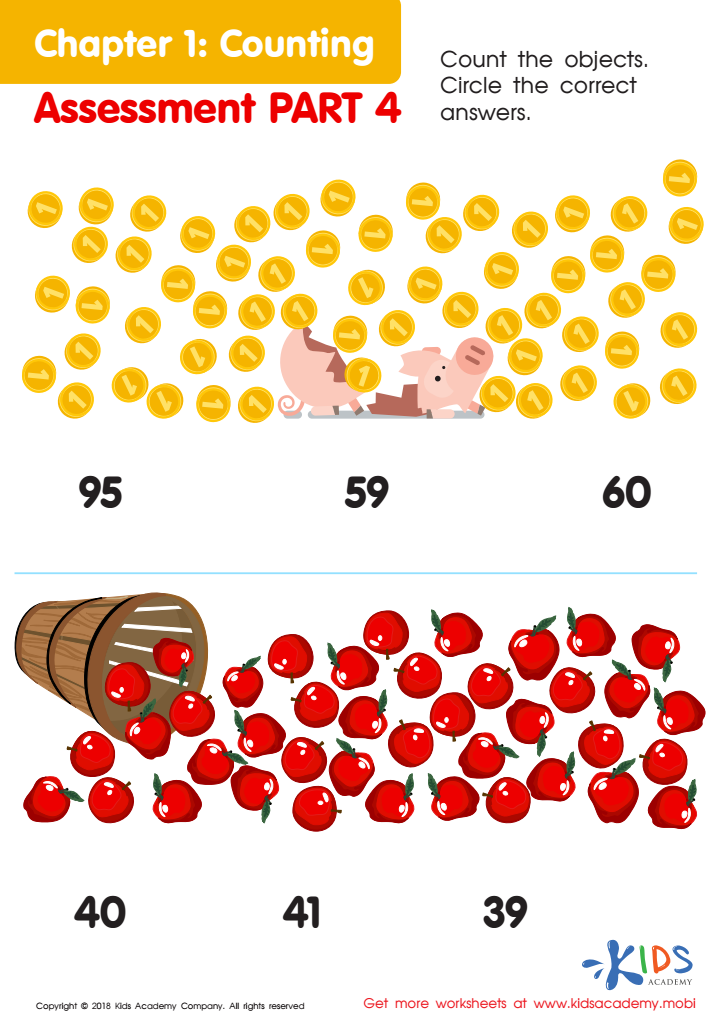
Counting: Assessment 4 Worksheet
Encourage your students to count objects in this colorful worksheet. Ask them to circle the correct answers from the options given. See how much their counting skills have improved with your guidance. Have fun!
Counting: Assessment 4 Worksheet
Worksheet

Fox Rhyming Words Worksheet
Can your child rhyme a fox? Listen carefully and see if it's sun, beans, or ox! Help your child recognize rhymes with a pencil or crayon maze. Travel from the dog to the picture that rhymes. This worksheet builds pre-reading skills - a great way to learn!
Fox Rhyming Words Worksheet
Worksheet
Join Kids Academy for Free
Who is primarily going to use this learning content?








Developing critical thinking skills in children ages 3-4 is essential for building a strong foundation for their future learning and personal growth. At this age, children's brains are highly adaptable, and they absorb information rapidly. By introducing critical thinking early, we help them learn how to process information, make decisions, and solve problems effectively.
Encouraging critical thinking fosters curiosity, creativity, and independence in young minds. It promotes asking questions, exploring various solutions, and thinking outside the box. These skills are crucial for academic success and personal development, laying the groundwork for advanced thinking skills needed later in life.
For parents and teachers, focusing on critical thinking helps children understand cause and effect, make logical connections, and understand the world around them. It's beneficial in everyday situations, from choosing toys and resolving conflicts with peers to understanding stories and rules.
Additionally, critical thinking nurtures self-confidence and resilience. When children learn how to think through a problem and develop solutions, they become more capable and willing to face challenges.
Addressing critical thinking early also aligns with the increasing emphasis on 21st-century skills, which require adaptability and problem-solving abilities. Overall, cultivating these skills in children from a young age equips them with essential tools for life-long learning and success.








