
Emotional expression Worksheets for Ages 3-4
3 filtered results
Difficulty Level
Grade
Age
-
From - To
Subject
Activity
Standards
Unlock your child's emotional potential with our engaging Emotional Expression Worksheets designed for ages 3-4. These fun and interactive worksheets help young learners identify and articulate their feelings through various activities and exercises. By using vibrant illustrations and simple prompts, children will explore emotions like happiness, sadness, anger, and surprise in a relatable way. Our worksheets promote emotional literacy, enhancing social skills and fostering empathy among peers. Perfect for parents and educators, these resources make learning about emotions enjoyable and accessible. Encourage your child's emotional growth today and equip them with the tools to express themselves confidently!
Favorites
With answer key
Interactive
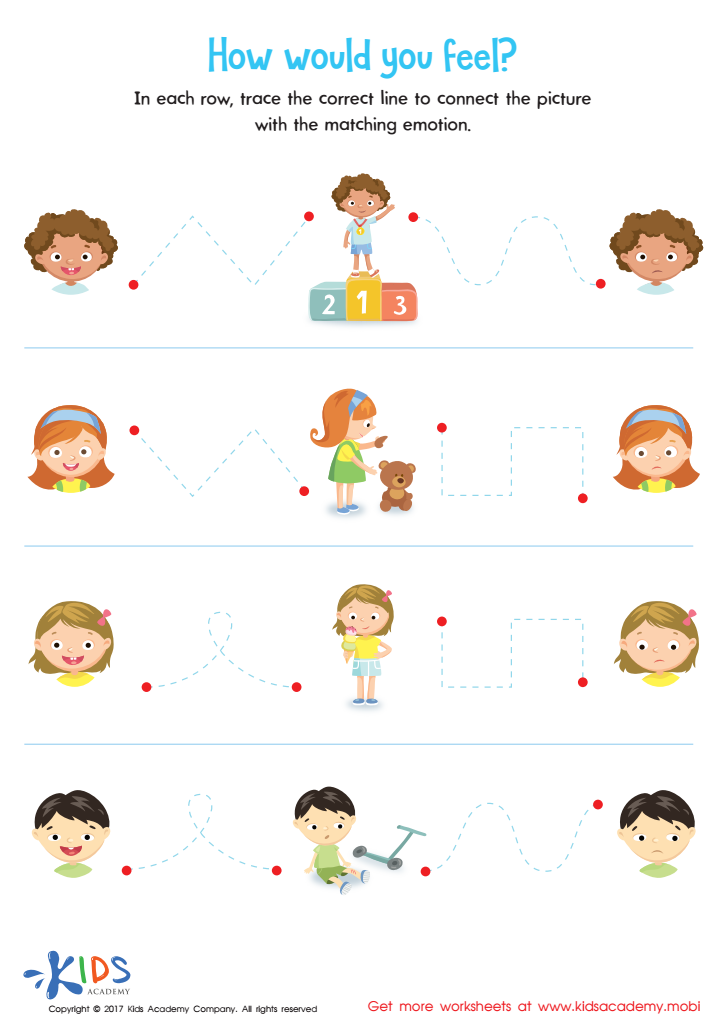
Feelings and Emotions Worksheet
Kids must learn how to deal with situations and handle their own emotions. This worksheet helps them practice empathy and resilience, making them more self-aware and confident. It also helps them to relate their life experiences to common disappointments and develop coping mechanisms.
Feelings and Emotions Worksheet
Worksheet
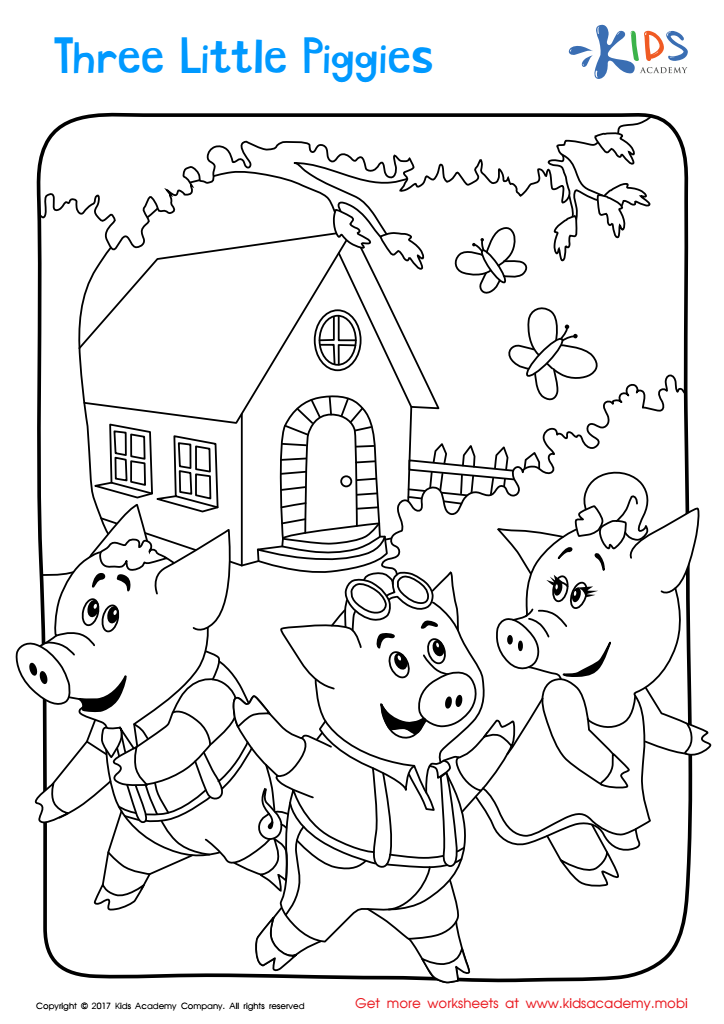
Three Little Piggies Printable Coloring Page
Recall a childhood favorite with your child and color in the Three Little Piggies printable. It's a great way to excite them for reading, as it helps them learn about characters and plot.
Download (PDF)
 Assign to My Students
Assign to My Students
Three Little Piggies Printable Coloring Page
Worksheet

Family Coloring Page
Have fun coloring and naming each family member with this family worksheet! It's a great enrichment activity for those teaching social studies and community activities. Young students will practice fine motor skills and discuss family members on the printable. It's an excellent opportunity to talk about families!
Download (PDF)
Assign to My Students
Assign to My Students
Family Coloring Page
Worksheet
Join Kids Academy for Free
Who is primarily going to use this learning content?







Emotional expression for children aged 3-4 is vital for their development and well-being, and both parents and teachers play an essential role in nurturing this aspect. At this age, children are beginning to understand their emotions and learning how to express them appropriately. Encouraging emotional expression helps them develop emotional intelligence, which is crucial for social interactions and relationships later in life.
When parents and teachers foster an environment where emotions can be expressed freely, children gain the ability to identify and label their feelings—whether happiness, frustration, or sadness. This understanding promotes better communication and problem-solving skills. Additionally, recognizing and validating emotions can prevent behavioral issues that arise from frustration or unmet needs.
Supporting emotional expression builds resilience in young children, enabling them to cope with challenges and stresses as they grow. It also lays the foundation for empathy, teaching them to understand others’ feelings and respond compassionately. By nurturing emotional expression, adults can help create a more emotionally healthy and connected classroom and home environment. Ultimately, making emotion an integral part of their learning journey supports their overall cognitive, social, and emotional development, which is essential during these formative years.








