Enhancing reading skills Worksheets for Ages 3-4
8 filtered results
-
From - To
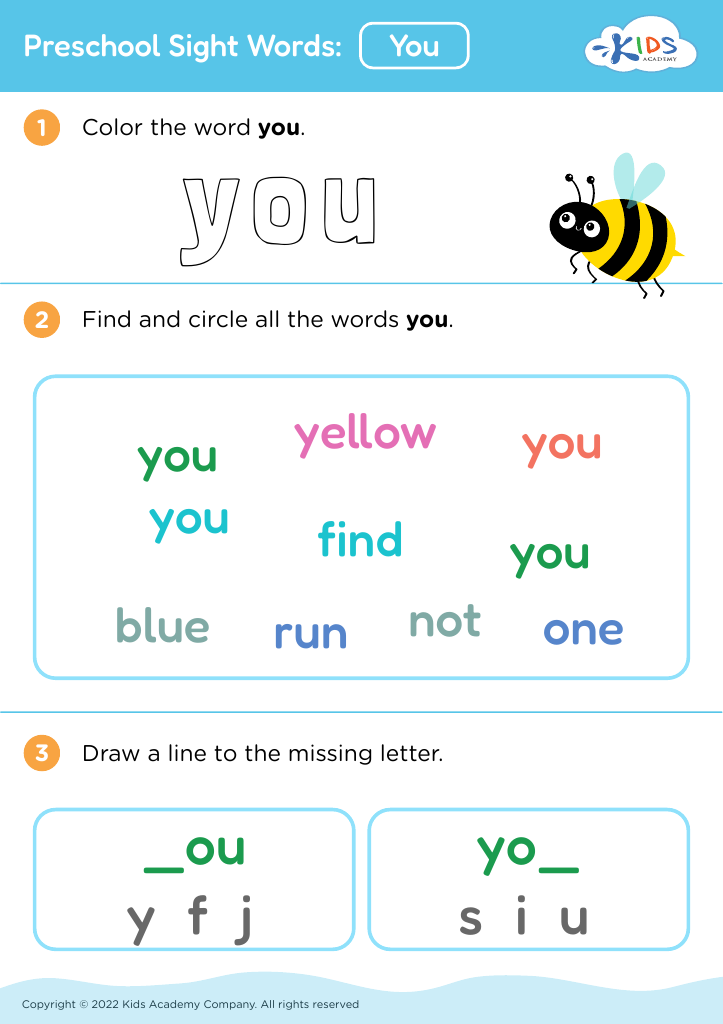
Discover our expertly designed “Enhancing Reading Skills Worksheets for Ages 3-4,” created to make reading a fun and foundational part of early learning. Our engaging and colorful worksheets introduce young learners to essential pre-reading skills such as letter recognition, phonemic awareness, and simple word formation through interactive activities. With a focus on fostering a love for reading, these resources are perfect for both parents and educators striving to build confident and enthusiastic early readers. Explore an array of meticulously curated worksheets that support your child's literacy journey with enjoyable and effective learning experiences.
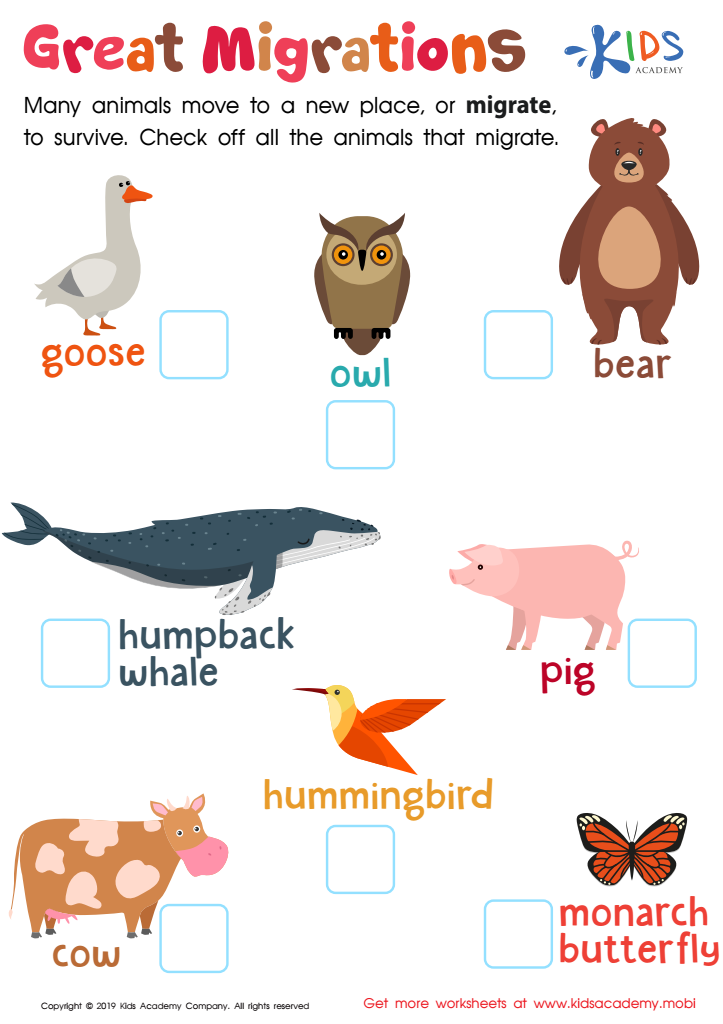
Great Migrations Worksheet
 Assign to My Students
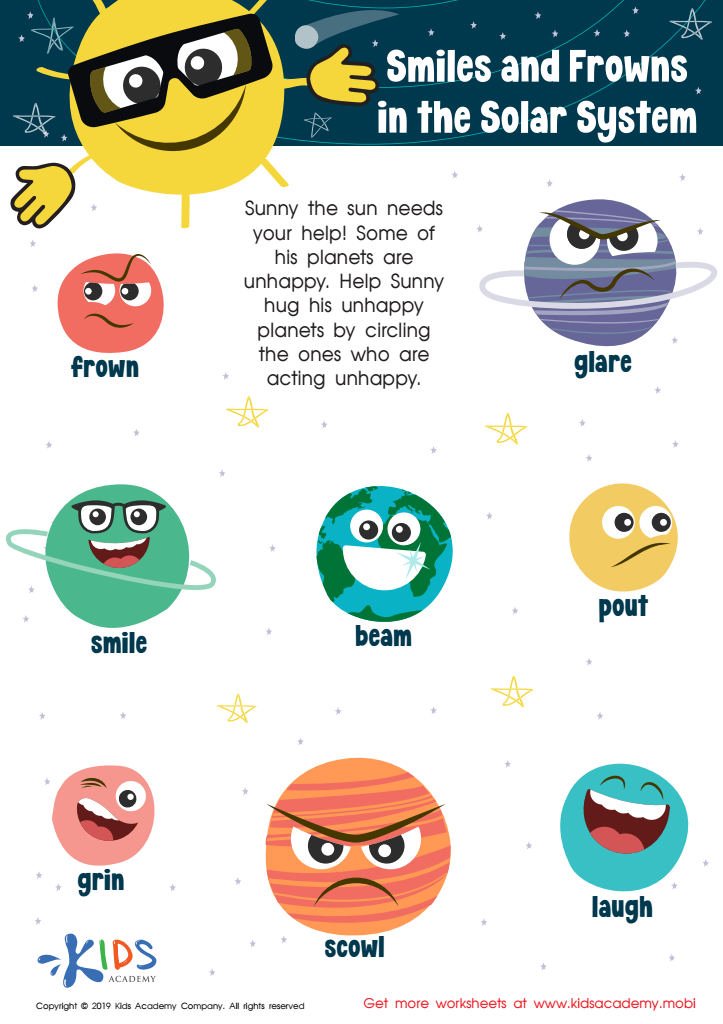
Smile and Frowns in the Solar System Worksheet
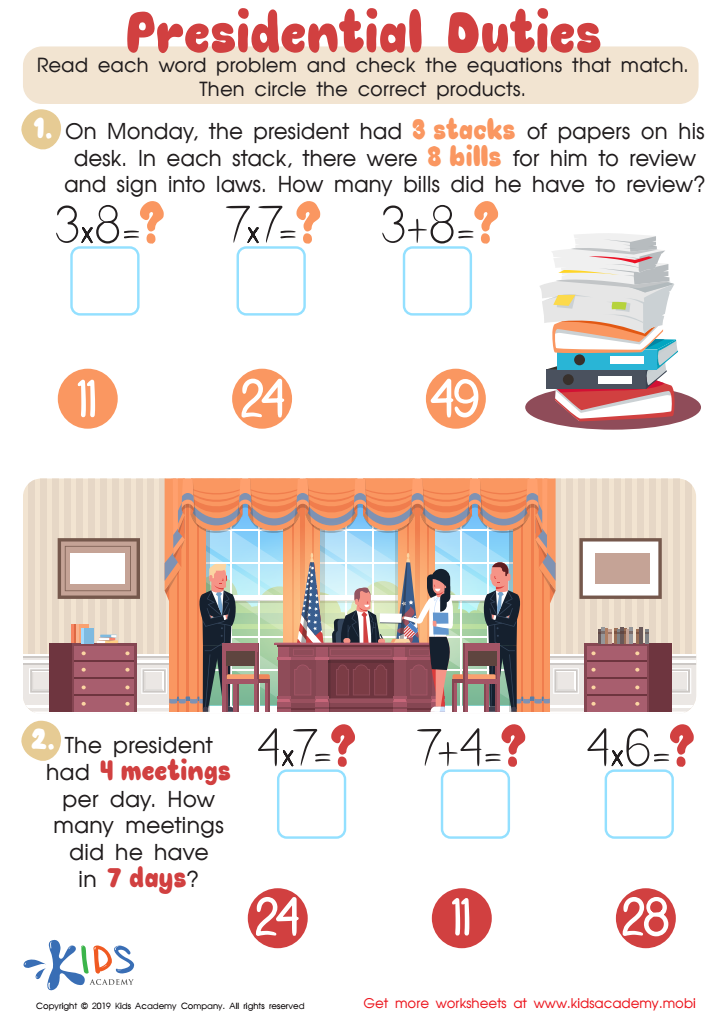
Presidential Duties Worksheet
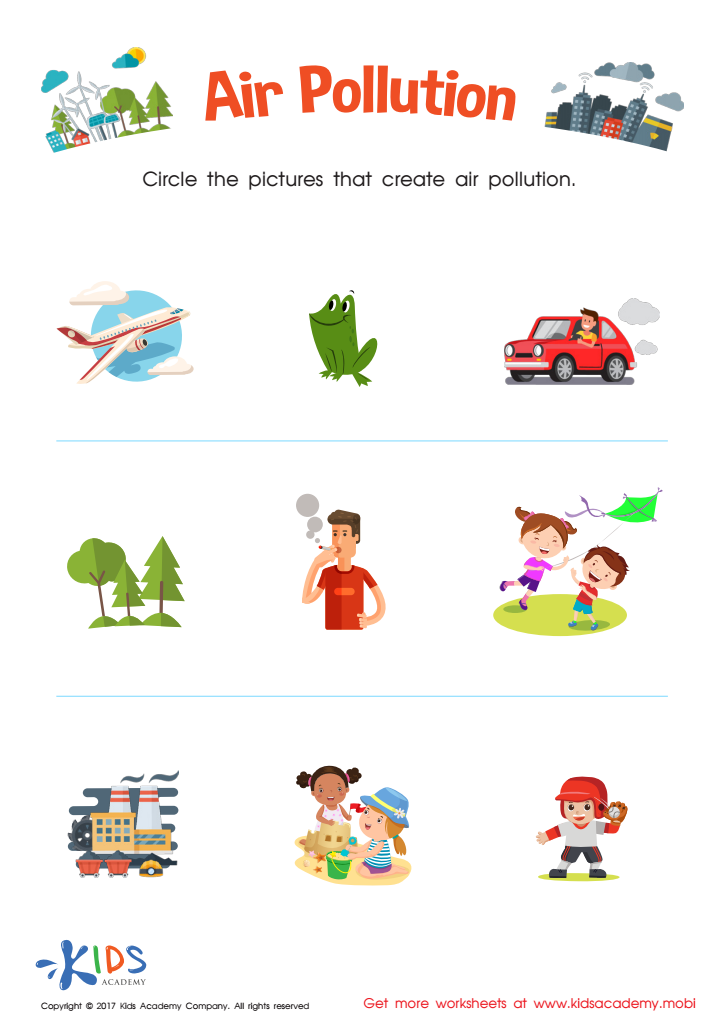
Air Pollution Worksheet
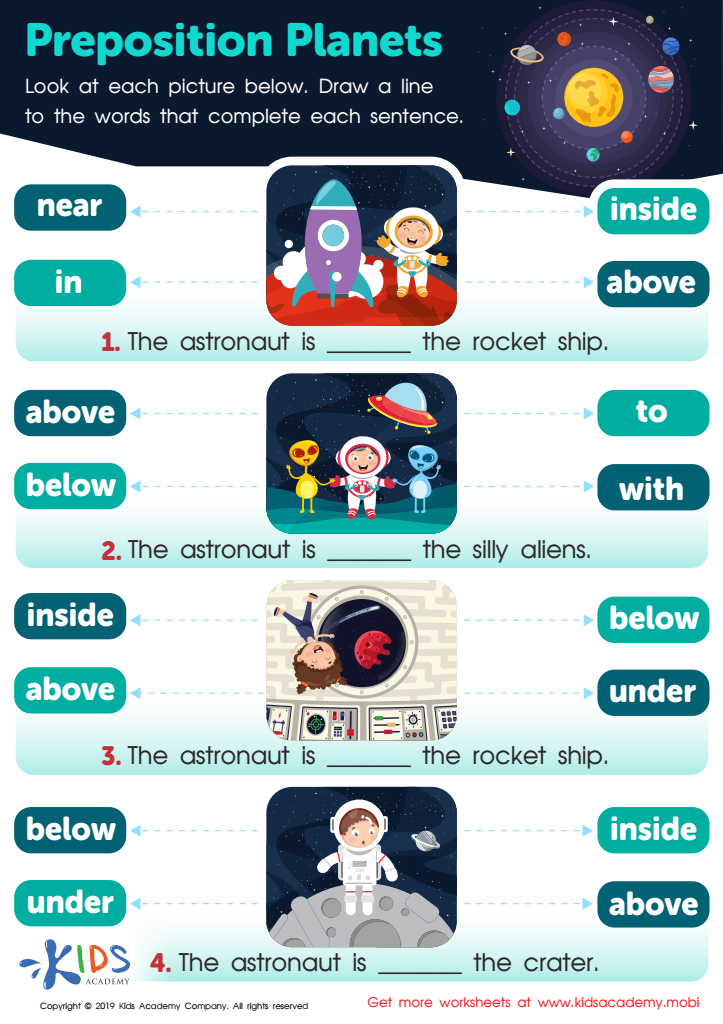
Preposition Planets Worksheet
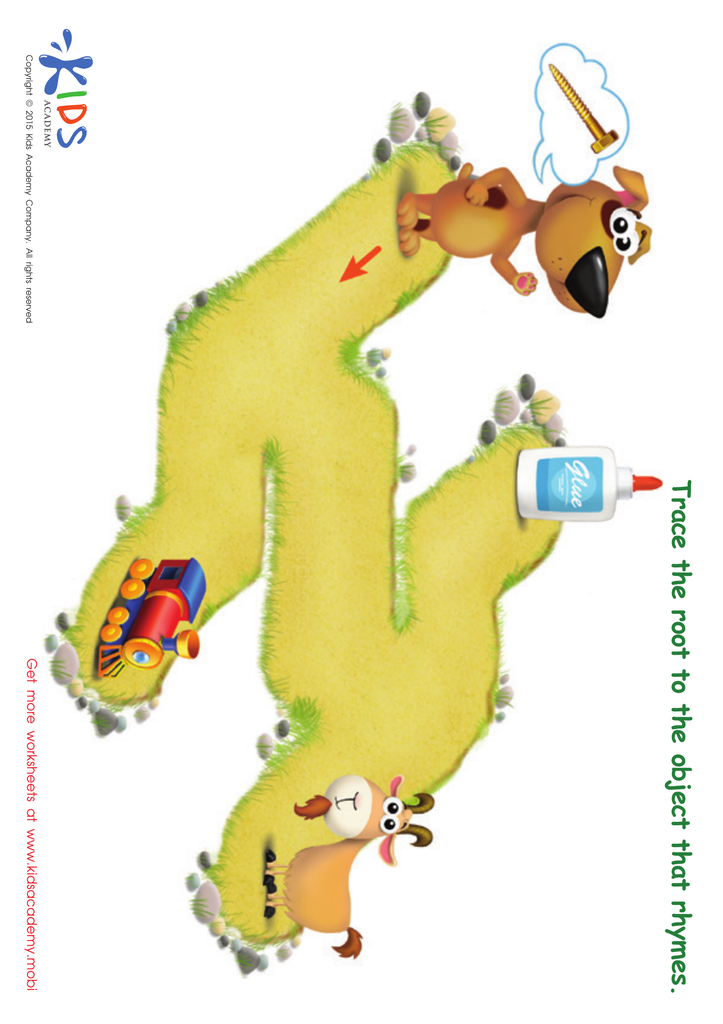
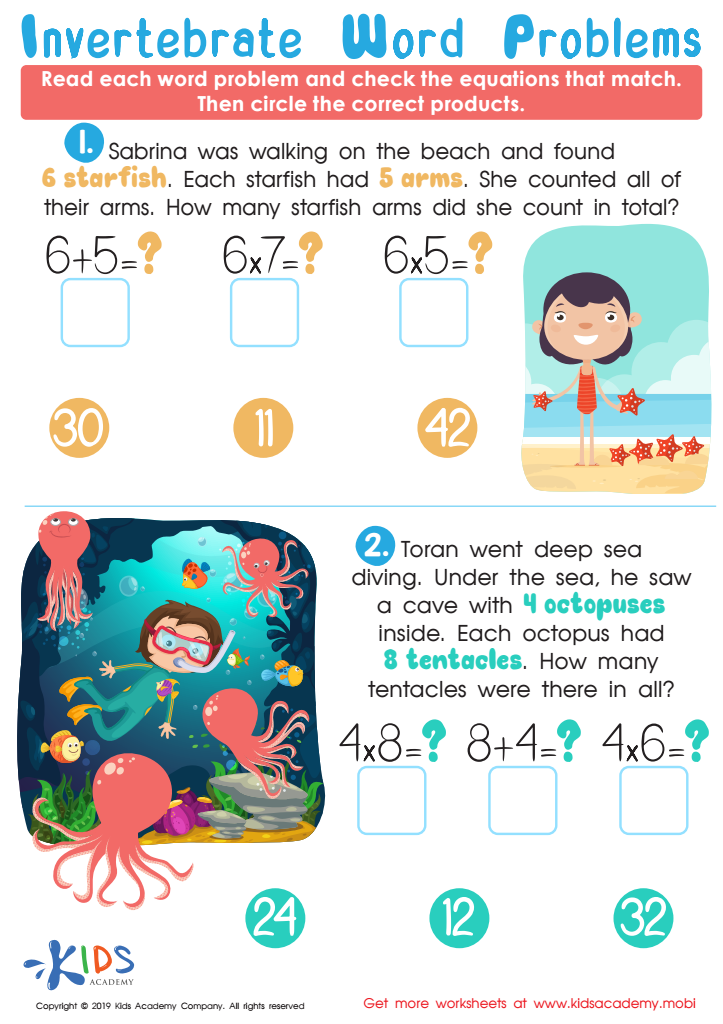
Invertebrate Problems Worksheet


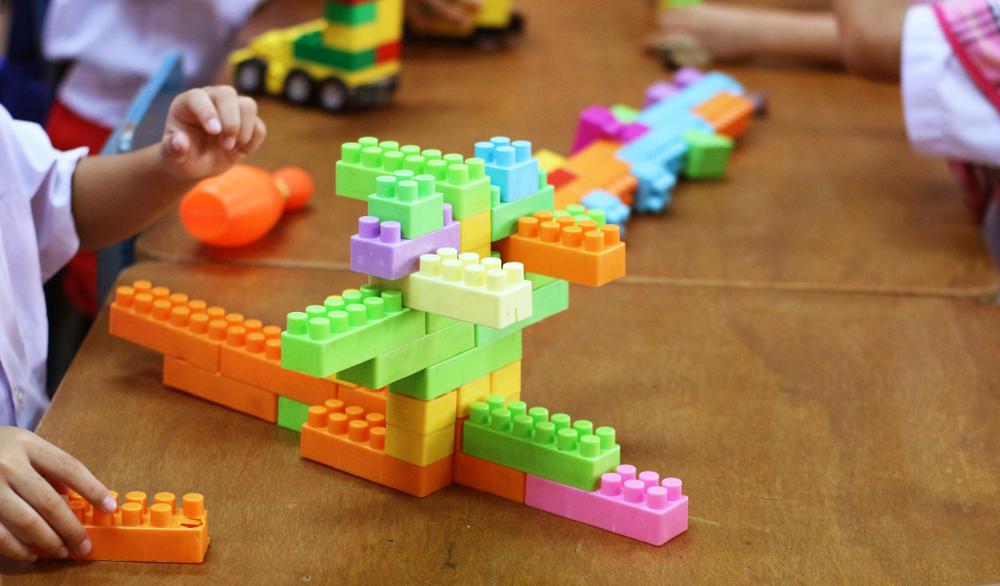




Enhancing reading skills for children aged 3-4 is vital for their overall cognitive and linguistic development. At this formative stage, children are highly receptive to new information, and early literacy activities can lay a strong foundation for future academic success. When parents and teachers emphasize reading, children develop better vocabulary, improved articulation, and stronger comprehension abilities. This early exposure helps them recognize letters and sounds, fostering a familiarity that makes the transition to formal reading in later years seamless.
Moreover, reading together provides a wonderful opportunity for bonding between parents and children or teachers and students. These shared reading experiences can instill a love of books and learning, which can inspire lifelong literacy. Studies also suggest that early exposure to reading can improve concentration, enhance empathy by exposing children to diverse perspectives, and boost imagination and creativity through exposure to various stories and scenarios.
Early reading not only serves educational purposes but also supports emotional and social development. Children learn to process complex feelings and build emotional intelligence by encountering various characters and situations in stories. Prioritizing reading at ages 3-4 equips children with essential tools that support their ongoing intellectual and personal growth, making it a crucial aspect of early childhood education.








