
Improving reading comprehension Worksheets for Ages 3-4
3 filtered results
Difficulty Level
Grade
Age
-
From - To
Subject
Activity
Standards
Enhance your child's reading abilities with our engaging worksheets designed specifically for ages 3-4. These activities focus on improving reading comprehension through fun and interactive exercises that promote critical thinking and language skills. Our worksheets introduce age-appropriate texts and questions, encouraging young learners to make connections, understand narratives, and express their thoughts. Featuring colorful illustrations and relatable themes, these resources make reading an enjoyable experience. Ideal for parents and educators, our worksheets provide valuable tools to foster a love of reading from an early age. Help your child build a strong foundation for lifelong learning today!
Favorites
With answer key
Interactive
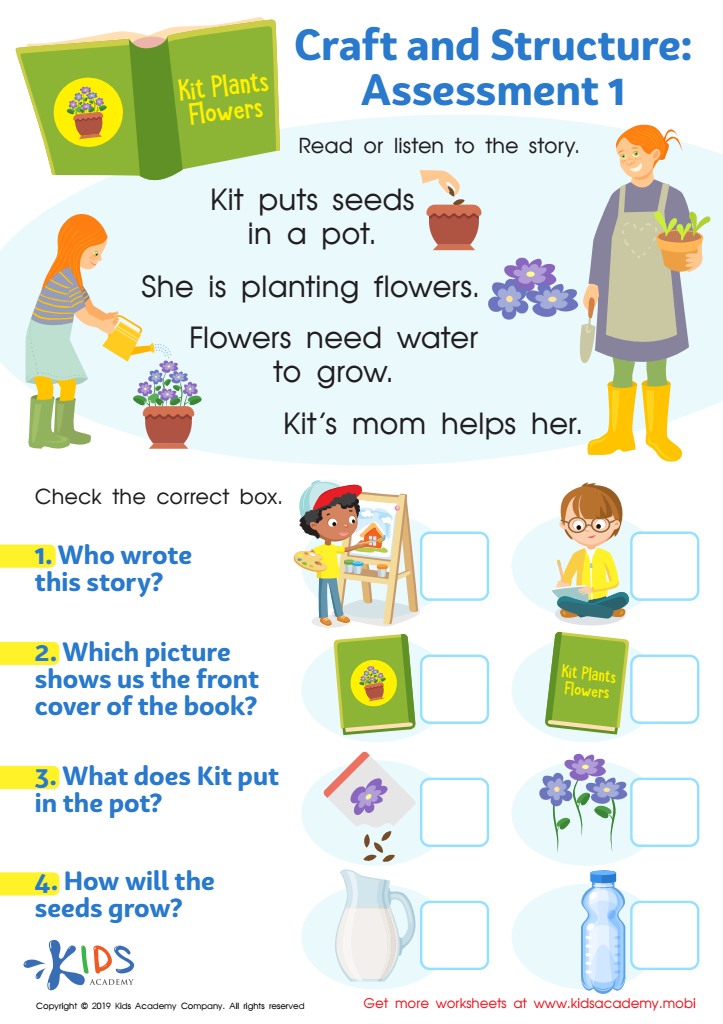
Craft and Structure: Assessment 1 Worksheet
A good reader needs more than word recognition: children must be able to identify story elements like author and main points. Test your child's craft and structure knowledge with this free PDF worksheet. They will read or listen to a story, then check off the correct answers according to what they heard or read.
 Assign to My Students
Craft and Structure: Assessment 1 Worksheet
Worksheet
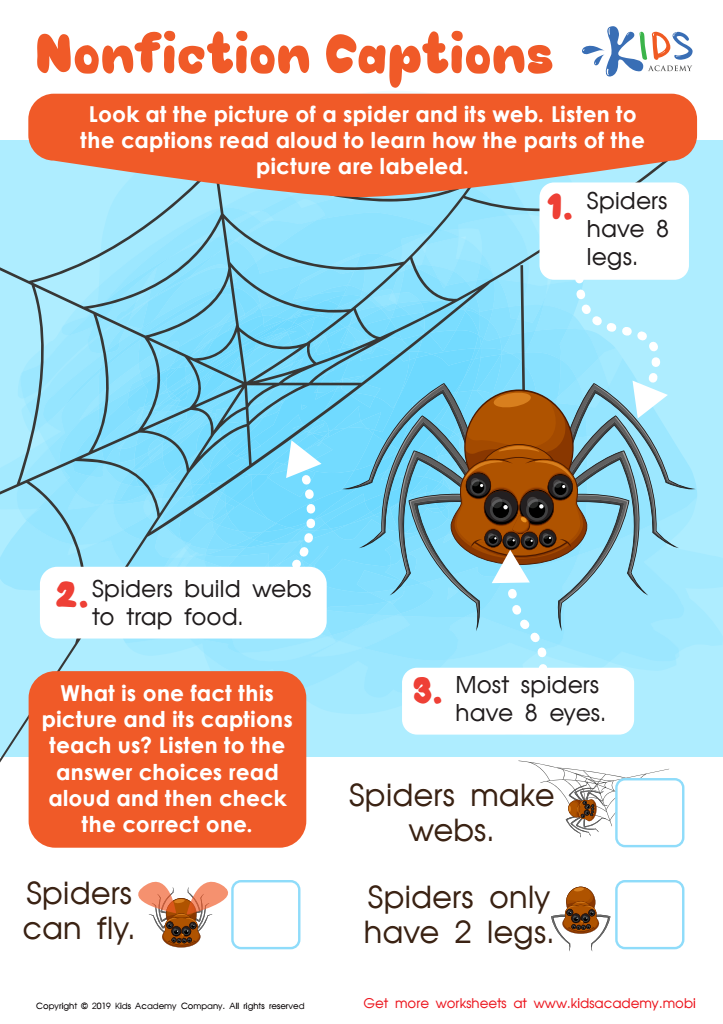
Nonfiction Captions Worksheet
Help your students learn to read better with books that have captions. Read the captions and labels aloud to help children understand the picture. Ask them to answer questions at the bottom of the page. Captions are an effective tool for teaching literacy skills.
Nonfiction Captions Worksheet
Worksheet
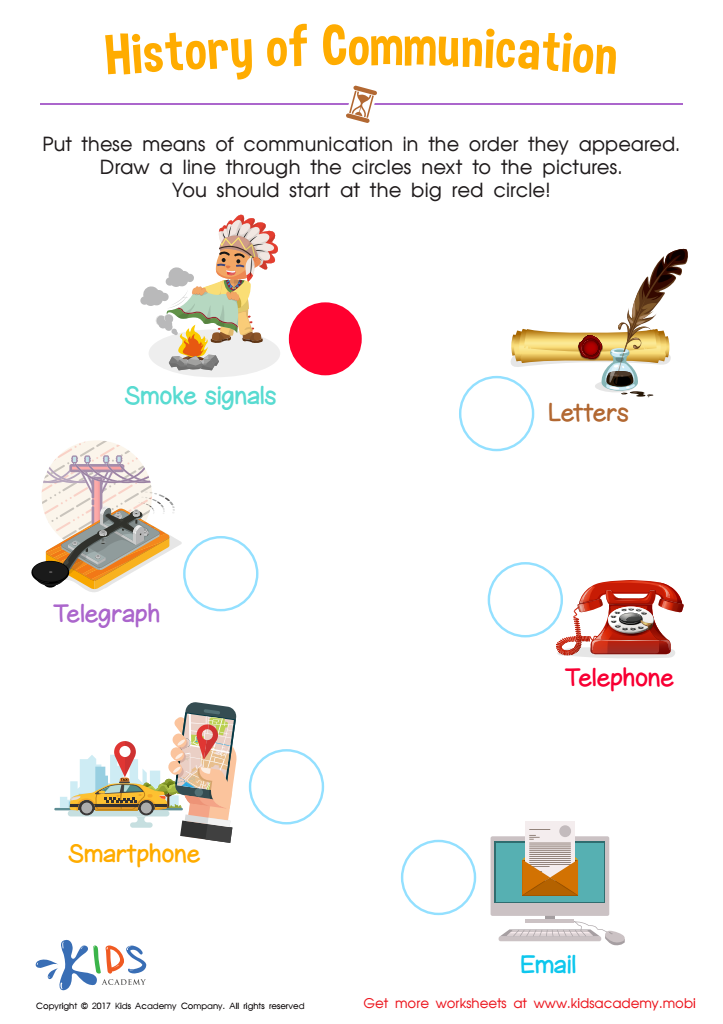
History of Communication Worksheet
Help your child understand history's communication evolution! With this worksheet, your child will learn about the various ways people communicated over time, and how that compares to today. It'll also foster an interest in history and bring the past to life!
History of Communication Worksheet
Worksheet
Learning Skills
Join Kids Academy for Free
Who is primarily going to use this learning content?








Improving reading comprehension for children aged 3 to 4 is vital for their overall development and future academic success. At this early stage, language skills are rapidly expanding, and fostering a strong foundation in reading comprehension can significantly enhance vocabulary, listening skills, and critical thinking. Language exposure through storytelling and reading activities engages young minds, stimulating cognitive skills and imagination.
Early reading comprehension also develops essential social-emotional skills, as children learn to understand characters' emotions and the context of stories. This awareness fosters empathy and helps children articulate their feelings and thoughts effectively. Additionally, improved comprehension lays the groundwork for later literacy skills, making the transition into formal schooling smoother.
Moreover, fostering a love for reading at a young age nurtures lifelong learning habits. Parents and teachers play a pivotal role in creating a rich language environment filled with books, interactive storytelling, and meaningful discussions that encourage curiosity and questions. By prioritizing reading comprehension, caregivers ensure that their children are not only better prepared for academic challenges but also develop a sense of joy and appreciation for reading that lasts a lifetime.








