
Mathematical Comprehension Worksheets for Ages 3-4
3 filtered results
Difficulty Level
Grade
Age
-
From - To
Subject
Activity
Standards
Enhance your child's early math skills with our "Mathematical Comprehension Worksheets for Ages 3-4". These expertly crafted worksheets foster foundational understanding in numbers, patterns, shapes, and basic math concepts. Thoughtfully designed for preschoolers, each activity is engaging and age-appropriate, promoting critical thinking and problem-solving. Ideal for both classroom and home use, our printable resources make learning fun and effective. Start building your child's mathematical confidence and comprehension today, paving the way for future academic success. Explore our collection and see your little learners flourish in their early educational journey.
Favorites
With answer key
Interactive
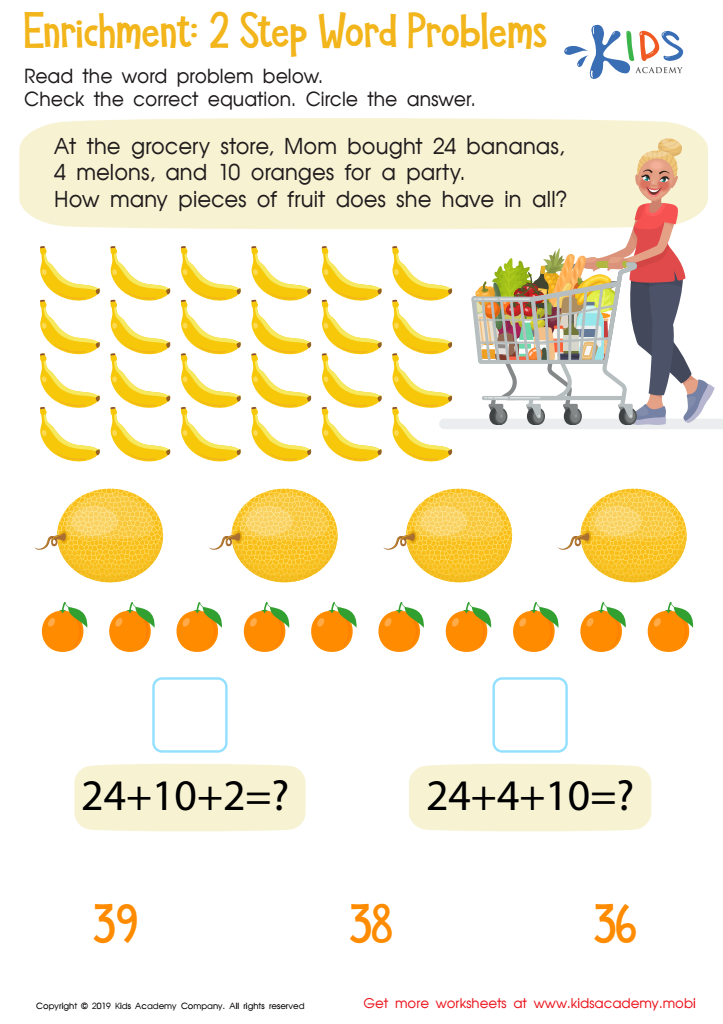
Enrichment -2 Step Word Problems Worksheet
Help your students learn math easier and faster with this colorful worksheet. Read the word problem and then guide them in checking the correct equation and finding the answer. Your students will benefit from the extra help, as they work through new concepts each day.
 Assign to My Students
Enrichment -2 Step Word Problems Worksheet
Worksheet
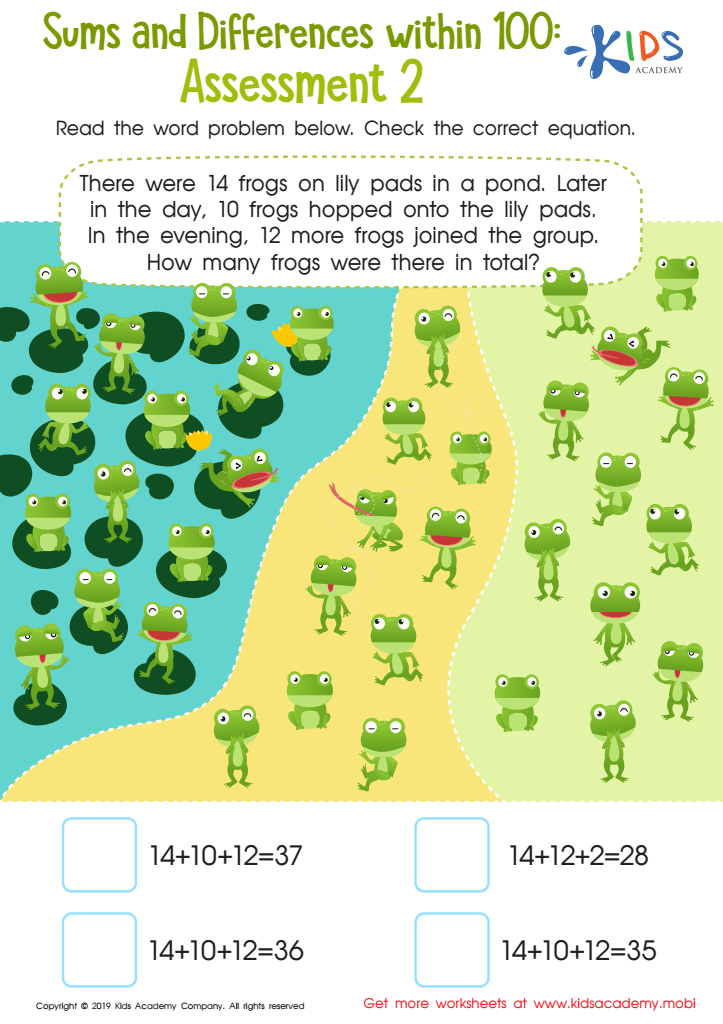
Sums and Differences Within 1 - Assessment 2 Worksheet
Help your kids practice math with these simple word problems. Read the question, discuss with them to form the equation and then check the answer. Give them a chance to sharpen their math skills!
Sums and Differences Within 1 - Assessment 2 Worksheet
Worksheet
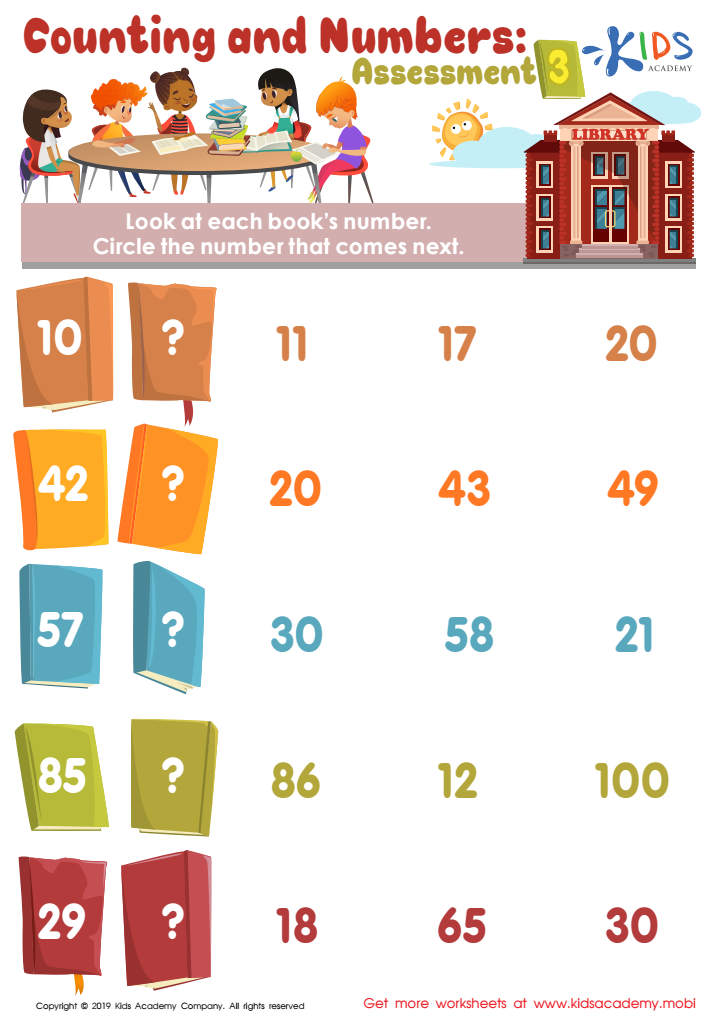
Counting and Numbers: Assessment Worksheet
Number line thinking is an essential math skill. Kids using this skill can compute math problems accurately and quickly. Our free assessment tests number line recognition; have your child pick the right number from the given options to follow the current number on the line. This assessment will give you an idea of their counting skills.
Counting and Numbers: Assessment Worksheet
Worksheet
Join Kids Academy for Free
Who is primarily going to use this learning content?


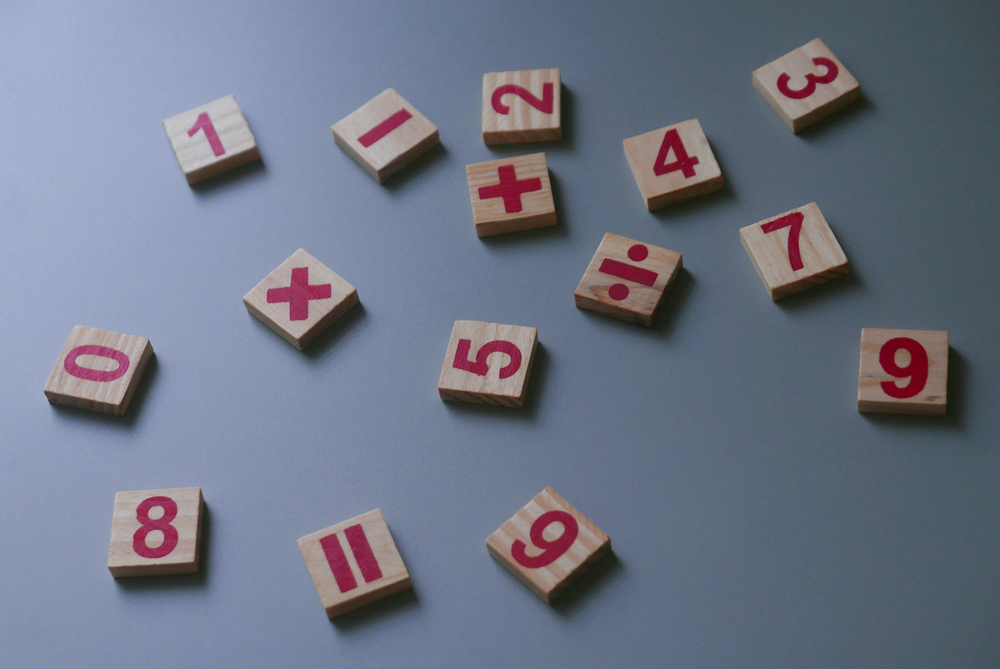



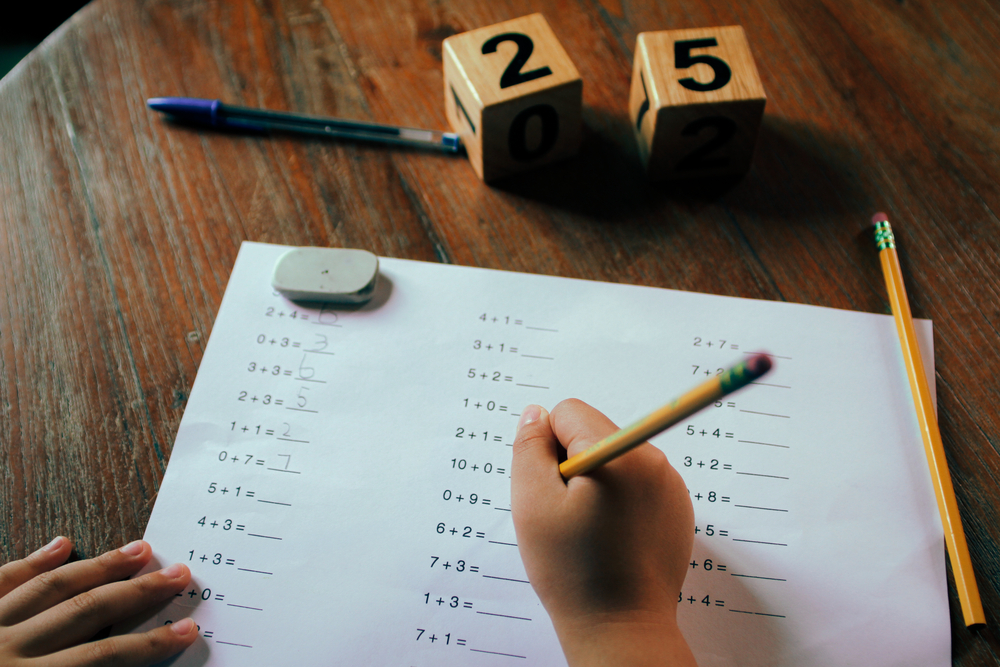
Mathematical comprehension for ages 3-4 serves as the foundation for future learning and cognitive development. At this formative age, children are highly receptive to new information and developing their cognitive abilities rapidly. By introducing basic mathematical concepts early, such as recognizing numbers, shapes, patterns, and simple counting, parents and teachers cultivate a child’s natural curiosity and love for learning.
Mathematical skills do more than just prepare children for future subjects; they enhance critical thinking, problem-solving, and logical reasoning. These skills are not confined to mathematics alone but are transferable across all areas of learning and everyday life. For instance, understanding patterns helps in recognizing sequences in storytelling, while counting fosters organizational skills that are handy in virtually any activity.
Moreover, early mathematical comprehension boosts confidence and minimizes anxiety related to the subject as children progress through their academic journey. Children who are introduced to math early come to see it as a natural and enjoyable part of their world, thereby improving their attitudes towards it.
Lastly, parental and teacher involvement in a child’s early mathematical education strengthens the parent-child and teacher-student bonds. It creates a supportive learning environment where children feel secure and motivated to explore and ask questions. This nurturing framework is essential for fostering a lifelong love for learning and intellectual curiosity.








