
Observation skills Worksheets for Ages 3-4
6 filtered results
Difficulty Level
Grade
Age
-
From - To
Subject
Activity
Standards
Enhance your child's observation skills with our engaging worksheets designed specifically for ages 3-4! Our printable resources provide fun activities that encourage young learners to explore their surroundings, develop critical thinking, and improve attention to detail. From identifying differences in images to describing shapes and colors, these worksheets promote cognitive growth and visual discrimination. Perfect for homeschooling or supplementary classroom activities, our Observation Skills Worksheets foster curiosity and observational learning in a playful manner. Let your child embark on an exciting journey of discovery while building foundational skills essential for future learning. Download now to start nurturing your little one's observational abilities!
Favorites
With answer key
Interactive
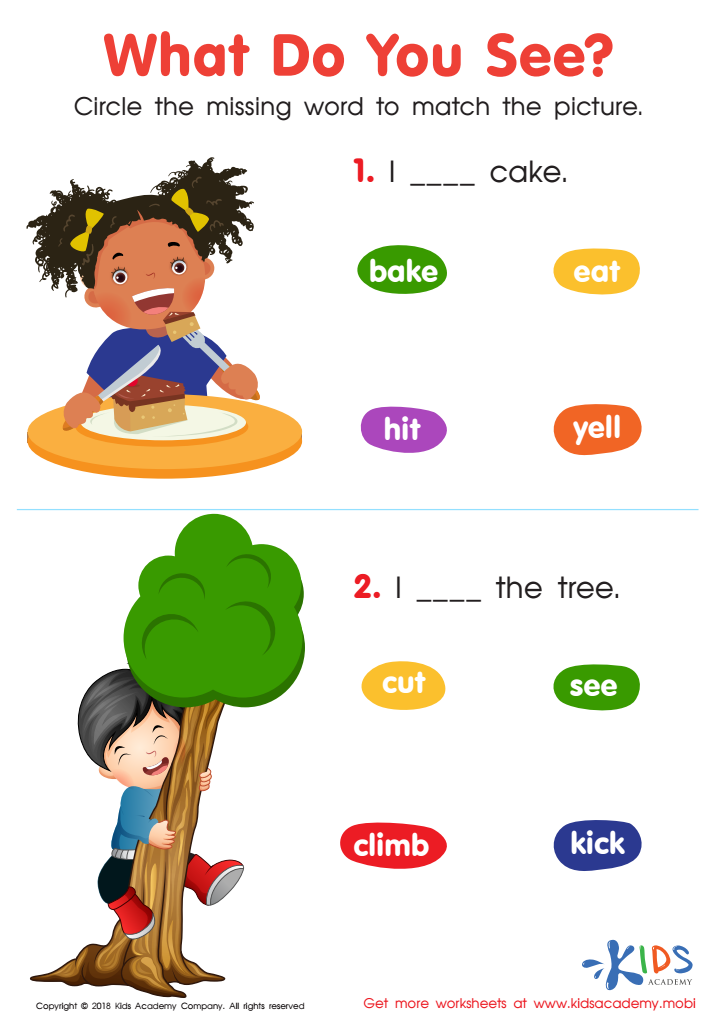
What Do You See? Reading Worksheet
New readers can use the attractive pictures and high-frequency words on this worksheet to practice expressive language skills and decode as they fill in the blanks. As they circle the correct words, they'll feel like reading superstars!
 Assign to My Students
What Do You See? Reading Worksheet
Worksheet
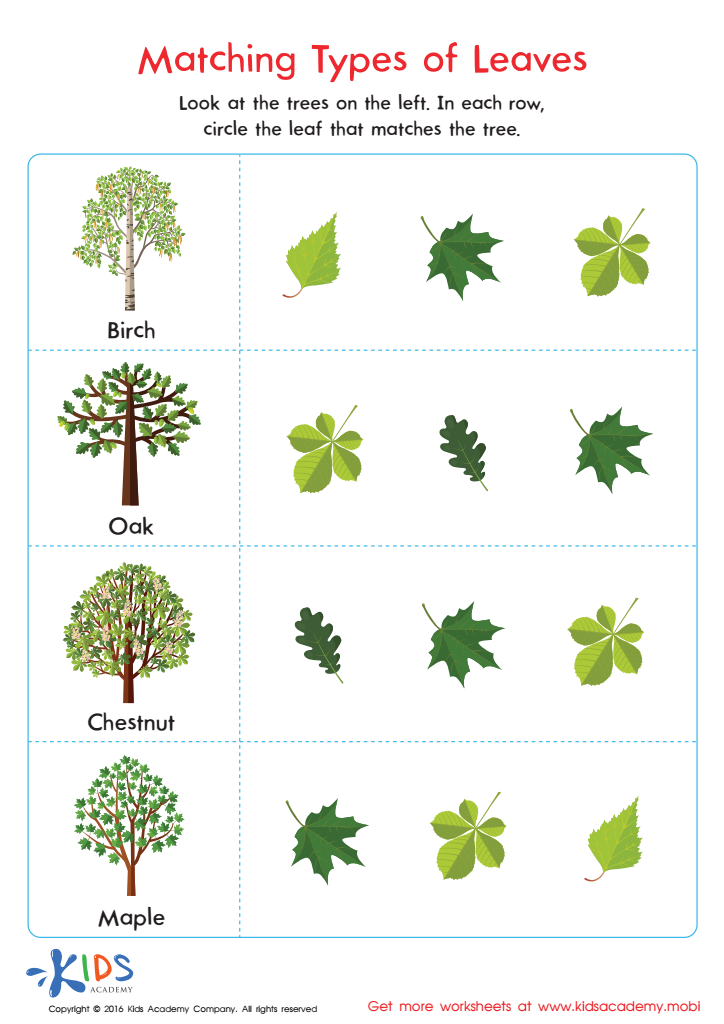
Matching Types of Leaves Printable
Trees are beautiful and essential to life. Show your child the joy of learning about them with this leaf worksheet. It teaches tree identification and encourages observing nature. Expand the learning with additional activities about trees!
Matching Types of Leaves Printable
Worksheet
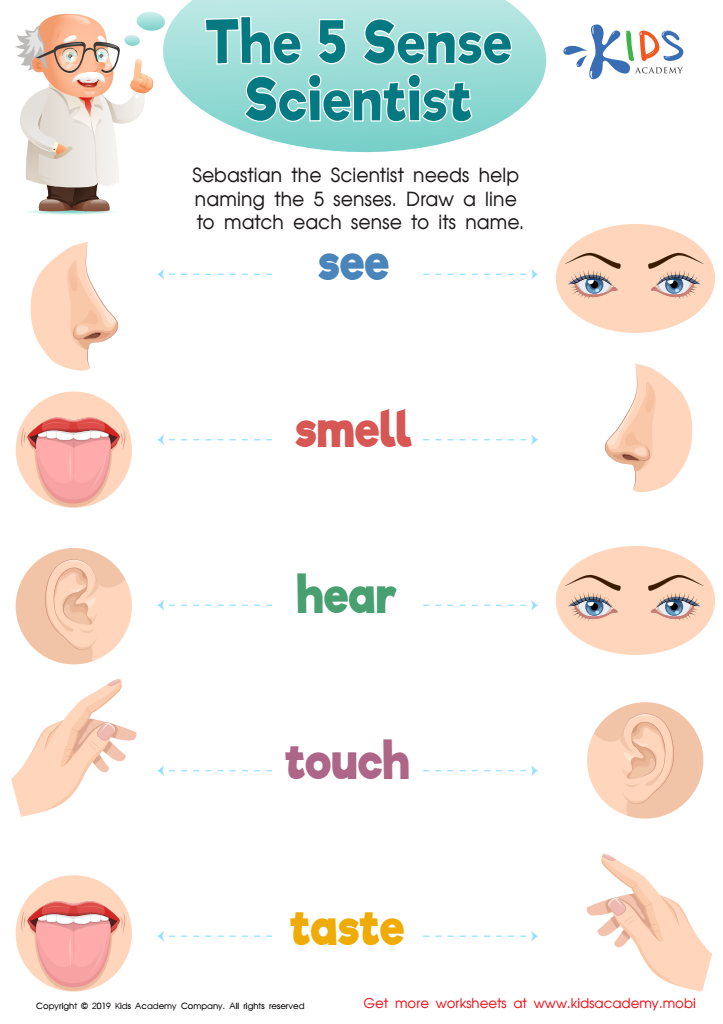
The 5 Sense Scientist Worksheet
Our young children will have fun learning about their five senses with this free Sense Scientist worksheet. Helping Sebastian the Scientist, they'll name the five senses and use traceable lines to connect each picture with its correct sense. Colorful words and pictures will create a memorable picture representation.
The 5 Sense Scientist Worksheet
Worksheet
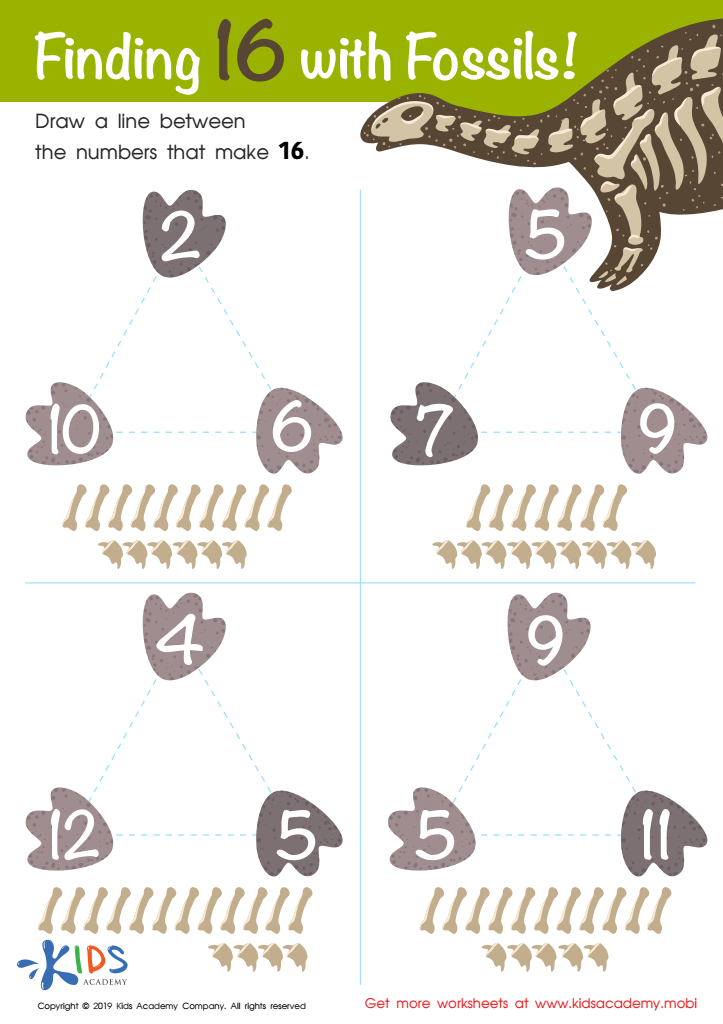
Finding 16 With Fossils Worksheet
Experts hunt for fossils, dig them up, and study them to learn more about past life forms - how they lived, what they looked like, and when they lived. Show kids the picture in this worksheet and point out the fossils. Help them count the bones and draw a line between the numbers that add up to 16 in each triangle.
Finding 16 With Fossils Worksheet
Worksheet
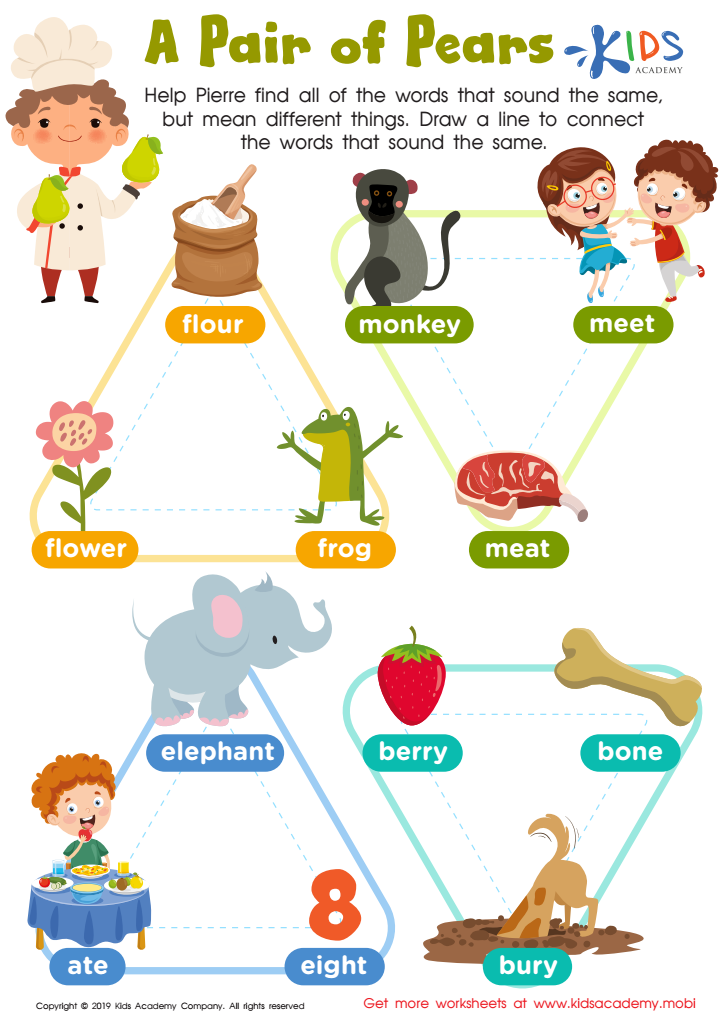
Pair Pears Worksheet
Young readers can have difficulty knowing when to use the right homophone. This free worksheet helps them use familiar imagery to understand better by connecting words that sound similar but are spelled and mean different things. Students will trace the lines to form a picture and have a reference image to differentiate between the different homophones.
Pair Pears Worksheet
Worksheet
Join Kids Academy for Free
Who is primarily going to use this learning content?





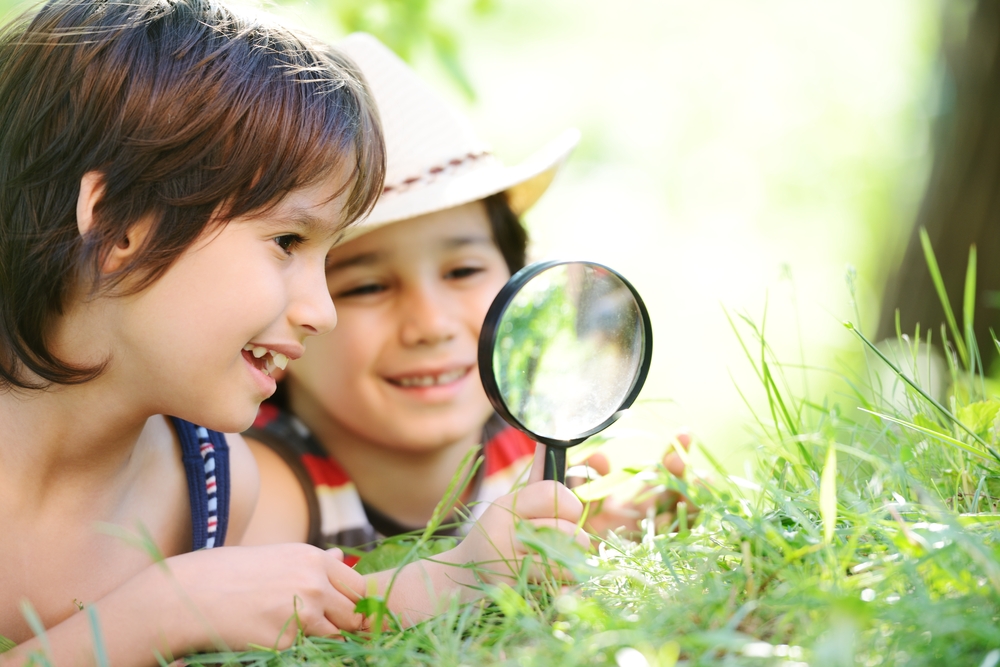
Observation skills are critical for children aged 3-4, as they lay the foundation for cognitive and social development. At this stage, young children are naturally curious, exploring their environment through their senses. Teachers and parents should care about fostering these skills because observation enables children to make sense of the world around them. When they keenly observe their surroundings, children enhance their ability to recognize patterns, identify colors, shapes, and textures, and understand cause and effect.
Moreover, strong observation skills support social development. By observing the behaviors and emotions of peers, children learn empathy, communication, and conflict resolution. They become more adept at understanding social cues, which is vital for forming friendships and navigating interactions with others.
In an educational setting, teachers who promote observation skills create opportunities for children to gather and interpret information, encouraging inquiry and critical thinking. This intrinsic learning process fosters independence and self-confidence in young learners, preparing them for future academic endeavors.
Ultimately, nurturing observation skills not only benefits children's immediate learning experiences but also sets the stage for a lifetime of curiosity and engagement with the world, leading to better problem-solving and innovative thinking abilities in the future.








