Practicing multiplication Worksheets for Ages 3-4
6 filtered results
-
From - To
Explore our engaging practicing multiplication worksheets specially designed for children aged 3-4. These printable activities focus on introducing young learners to the foundational concepts of multiplication in a fun and interactive way. Without delving into complex operations, our worksheets incorporate visuals and hands-on activities that cultivate early math skills. Your little ones will enjoy learning through colorful illustrations, counting exercises, and simple problem-solving tasks that promote critical thinking. Ideal for homeschooling, preschool settings, or extra practice at home, our multiplication worksheets set the stage for a lifelong love of math while supporting pre-K readiness. Begin their exciting math journey today!
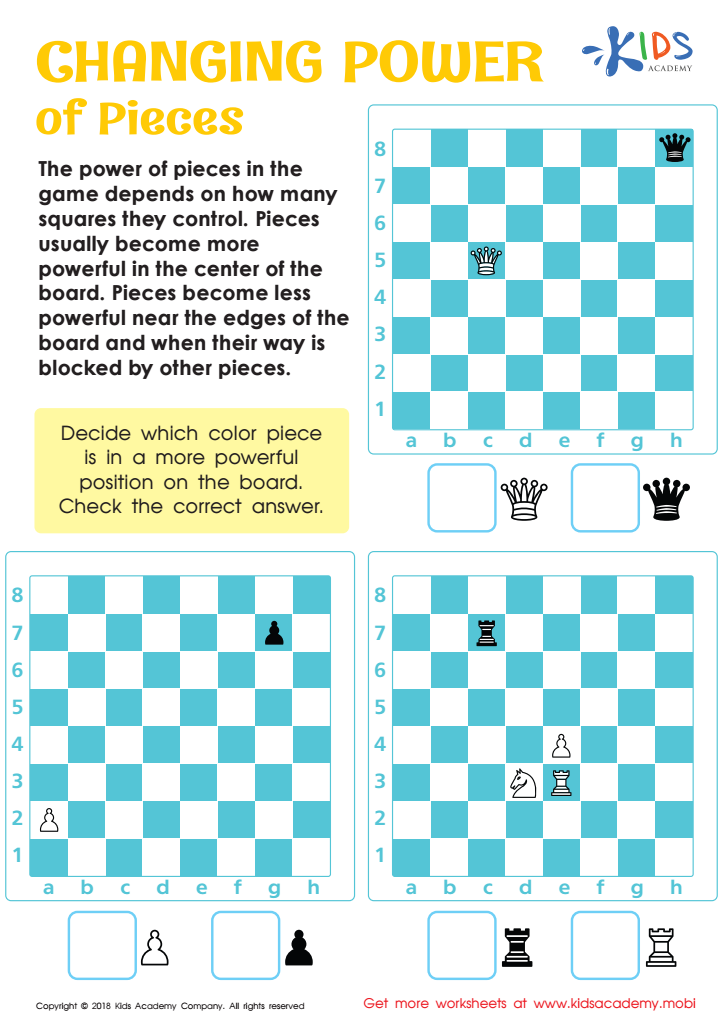
Changing Power of Chess Pieces Worksheet
 Assign to My Students
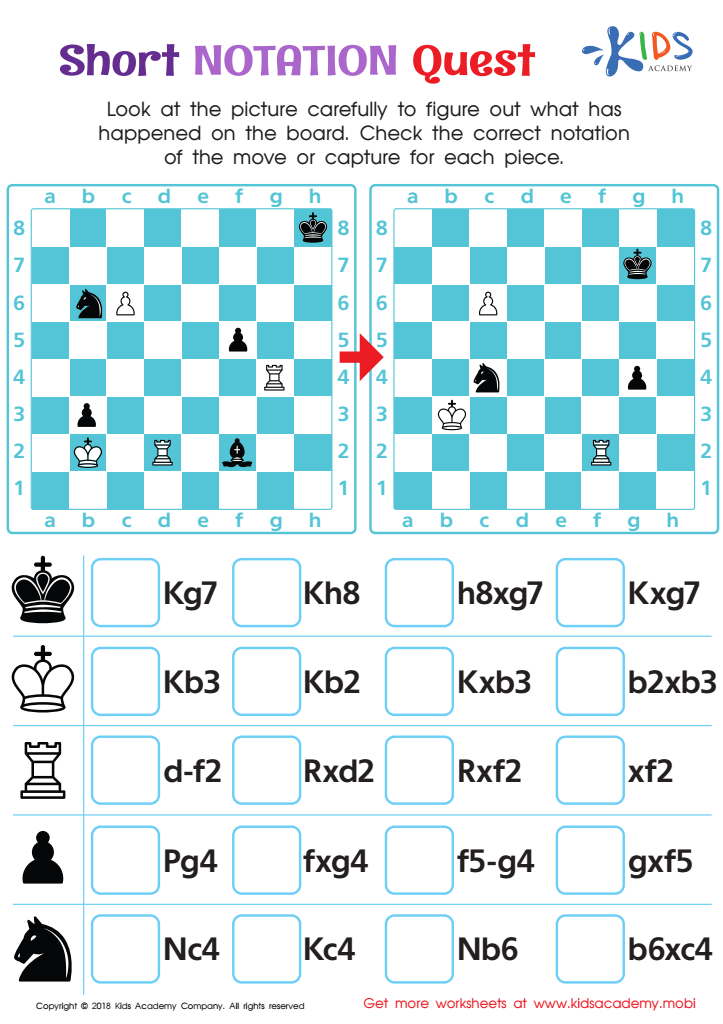
Short Notation Quest Worksheet
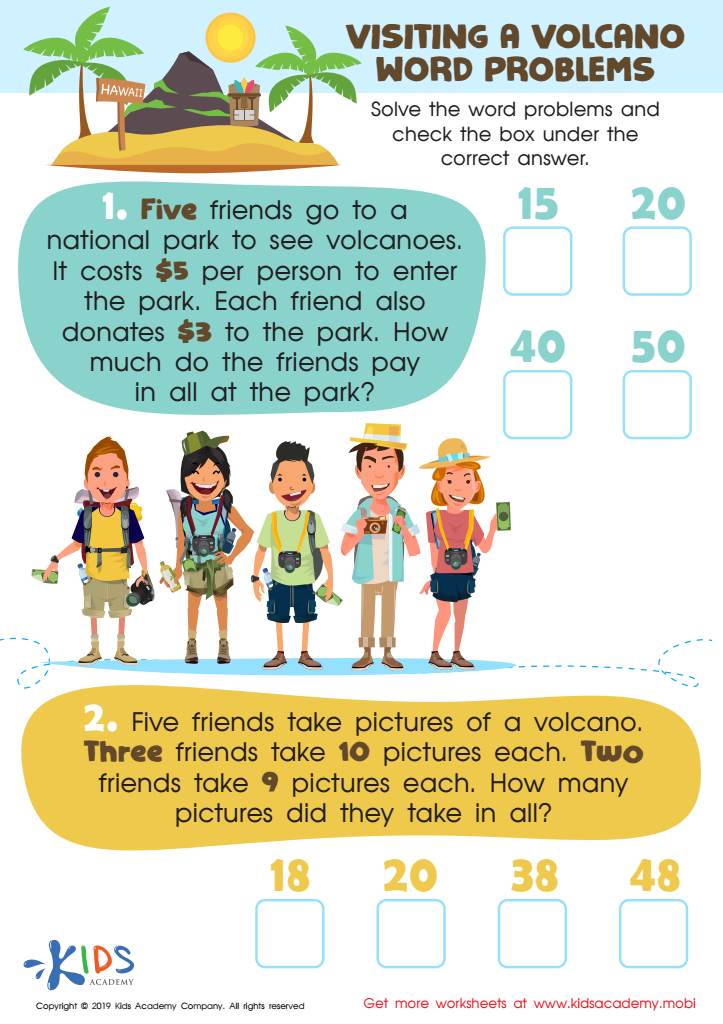
Visiting a Volcano Word Problems Worksheet

Enrichment: Firefighter Ladders Worksheet
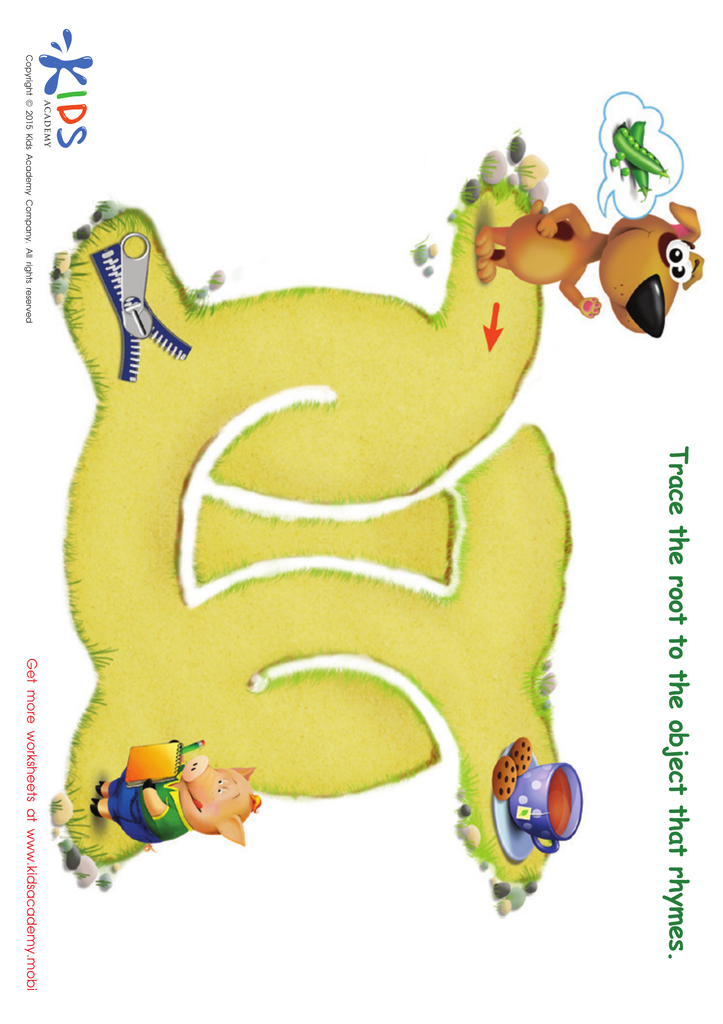
Pea Rhyming Words Worksheet
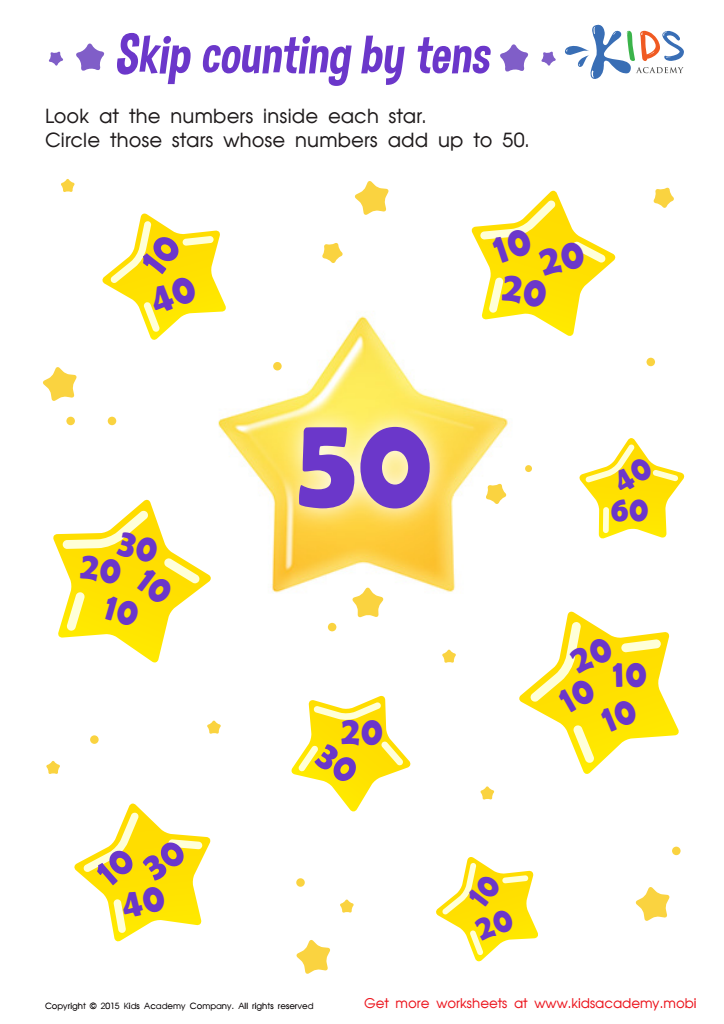
Learn Dozens: Skip Counting by Tens Printable








Practicing multiplication with children as young as 3-4 years old lays a strong foundation for their mathematical understanding. At this stage, kids are naturally curious and eager to learn, making it an ideal time to introduce basic concepts such as repeated addition, which is the precursor to multiplication. Engaging young learners in fun and interactive activities helps them grasp these ideas in a playful manner, fostering a love for math early on.
Research shows that early exposure to mathematical concepts builds confidence and reduces math anxiety later in life. By incorporating multiplication into everyday activities—like sharing snacks, counting toys, or playing educational games—children develop critical thinking and problem-solving skills without even realizing they're learning.
Moreover, a strong grasp of multiplication can enhance a child's overall academic performance, as math skills are closely linked to success in other subjects, including science and reading. Parents and teachers who prioritize early mathematics education not only prepare children for future challenges but also create positive associations with learning, ensuring students are more engaged and motivated. Ultimately, investing time in practicing multiplication at this young age can significantly impact children's intellectual growth and development.








