Reading comprehension Worksheets for Ages 3-4 - Page 11
261 filtered results
-
From - To
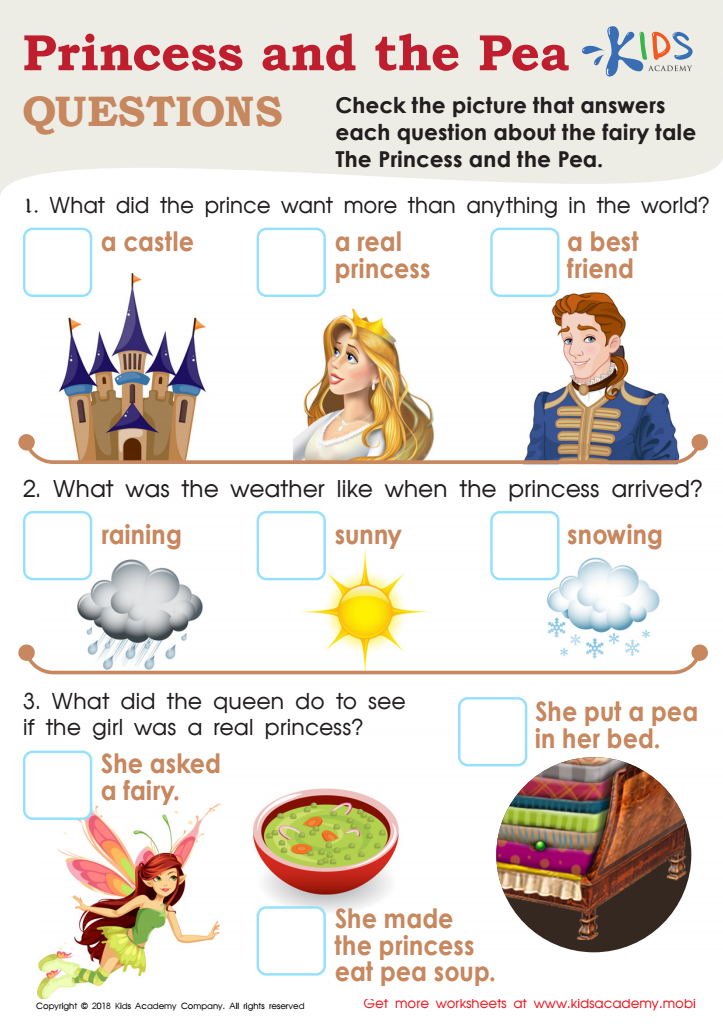
Princess and the Pea Questions Worksheet
 Assign to My Students
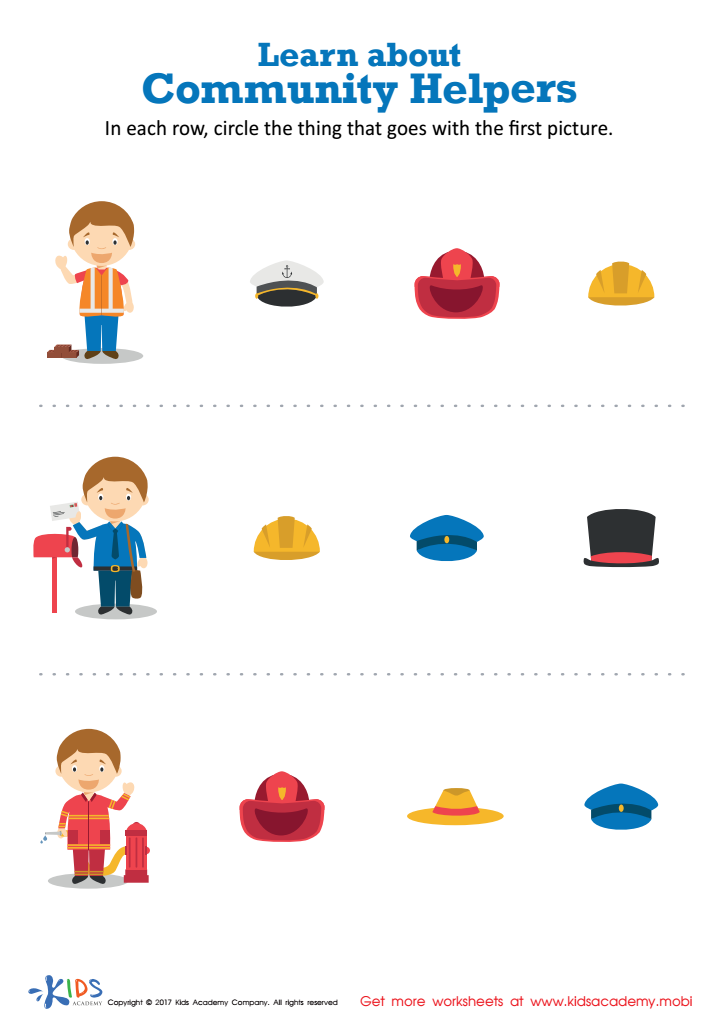
Learn about Community Helpers Printable
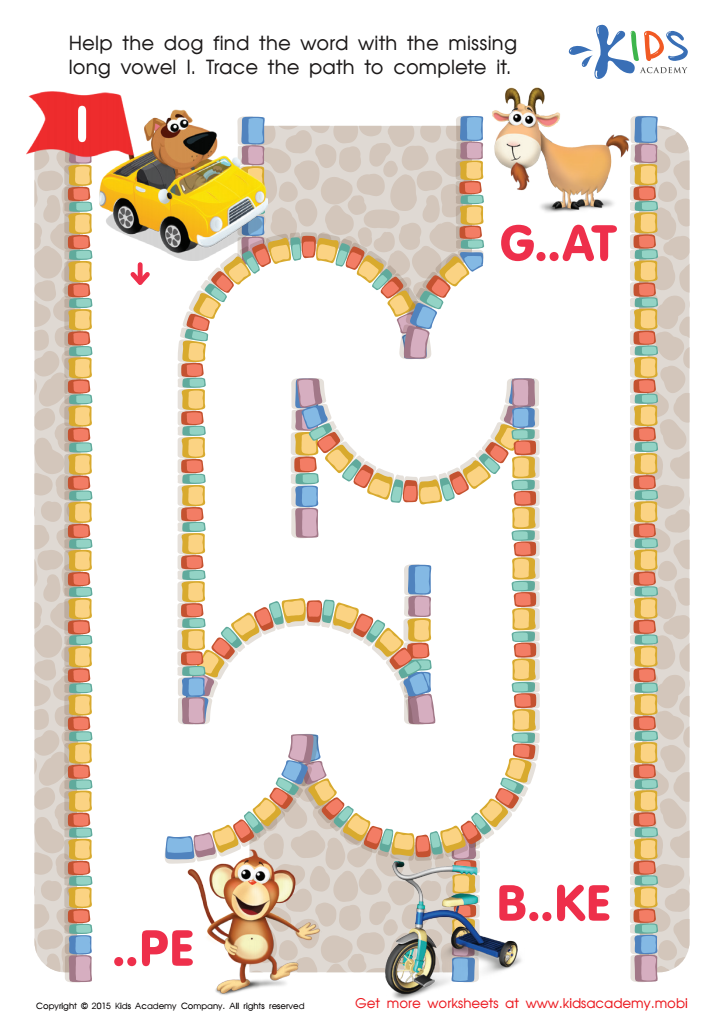
Long Vowel Sound I Worksheet
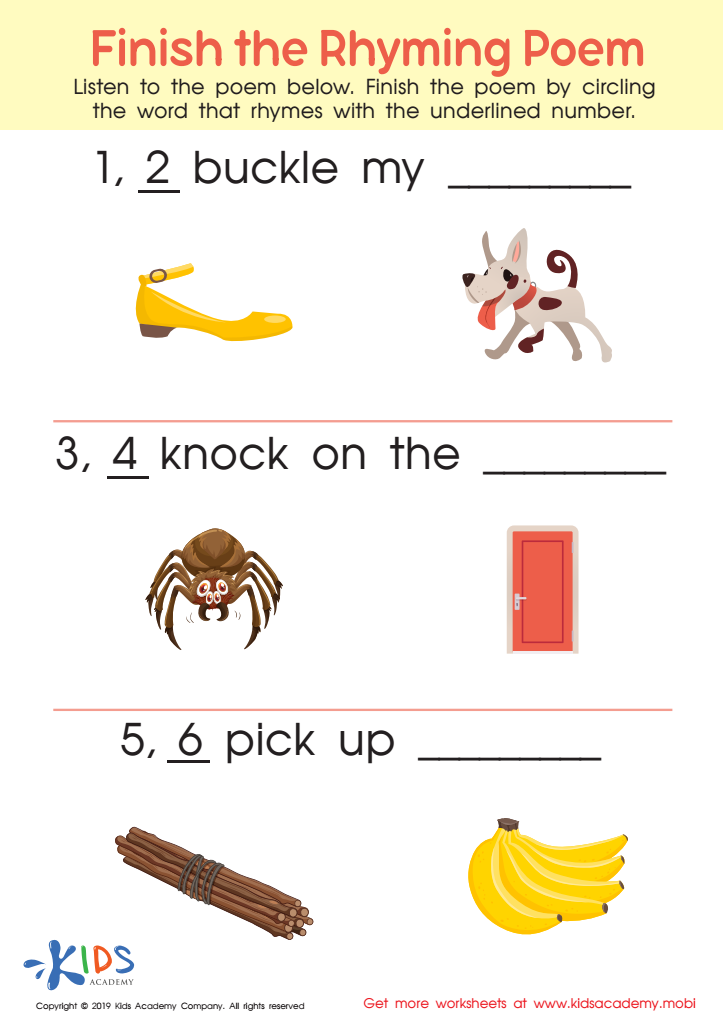
Finish Rhyming Poem Worksheet
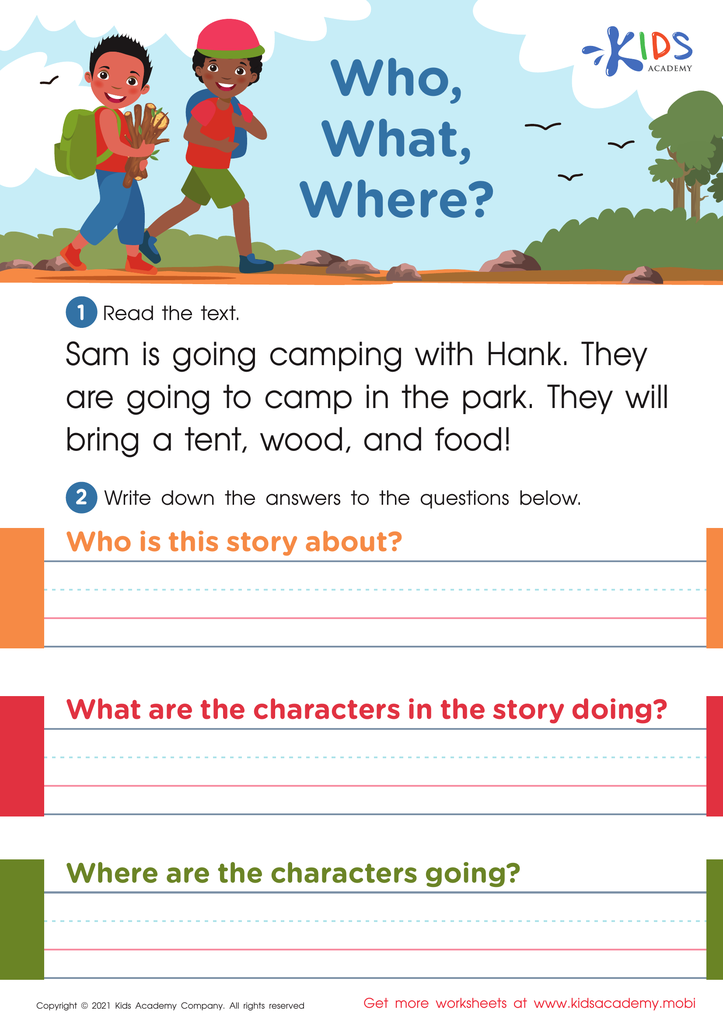
Who, What, Where? Worksheet
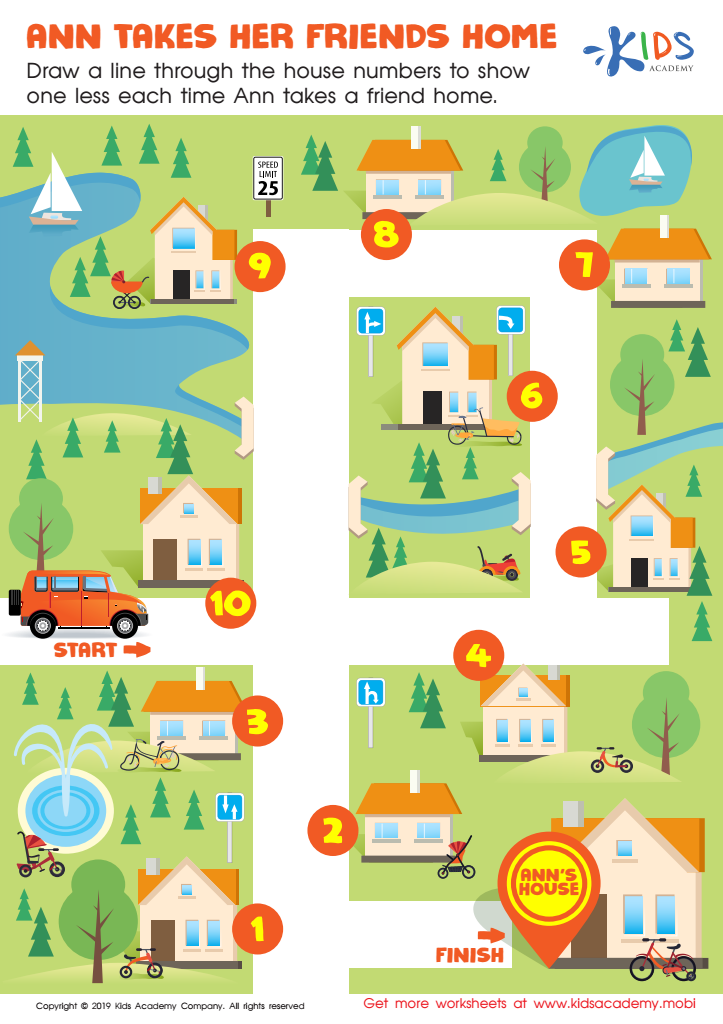
Ann Takes her Friends Home Worksheet








Reading comprehension is crucial for children ages 3-4 because it lays the foundation for their future learning and cognitive development. At this sensitive and impressionable stage, young children are like sponges, rapidly absorbing language and learning how to process information. When parents and teachers emphasize reading comprehension early, they foster a love for reading, enhance vocabulary, and improve listening skills in children.
Engaging with stories helps children develop their imagination and ability to understand sequences of events. They begin to comprehend the basics of narrative structures, such as the beginning, middle, and end of a story. This comprehension builds critical thinking skills, as children learn to predict outcomes, understand character motivations, and grasp cause-and-effect relationships.
Furthermore, strong reading comprehension skills at an early age are correlated with academic success later on. They ease the transition to later schooling, where reading for understanding becomes essential across subjects. Additionally, these young learners gain confidence and a sense of achievement, which fosters a positive attitude towards education in general.
Parents and teachers play a key role in nurturing these skills by reading regularly with the children, asking questions about the stories, and encouraging discussions. This active participation not only improves comprehension but also strengthens the child's relationship with the caregiver, making learning a shared, delightful experience.








