Understanding communities Worksheets for Ages 3-4
3 filtered results
-
From - To
Explore our "Understanding Communities Worksheets" designed specifically for children ages 3-4. These engaging and colorful worksheets introduce young learners to the concept of communities and their various elements. Each activity is crafted to spark curiosity and enhance social awareness through fun illustrations and relatable scenarios. Children will learn about different roles within a community, such as firefighters, teachers, and doctors, while developing foundational skills in vocabulary, matching, and critical thinking. These materials are perfect for parents and educators seeking to nurture early social skills and encourage discussions about the world around them. Start building your child's understanding of their community today!
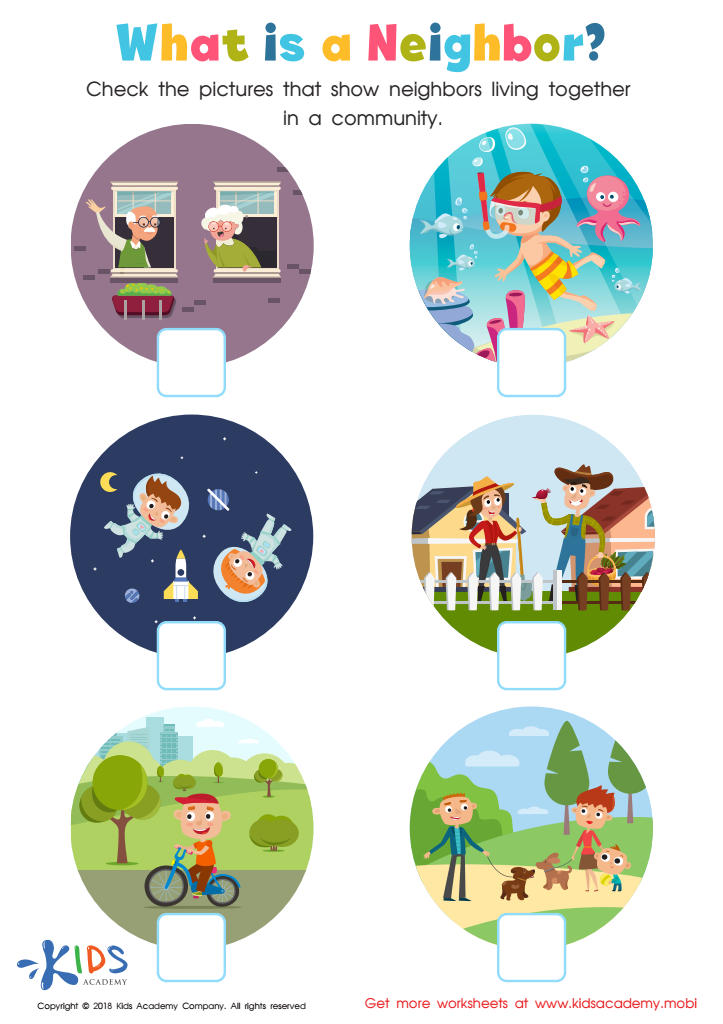
What is a neighbor Worksheet
 Assign to My Students
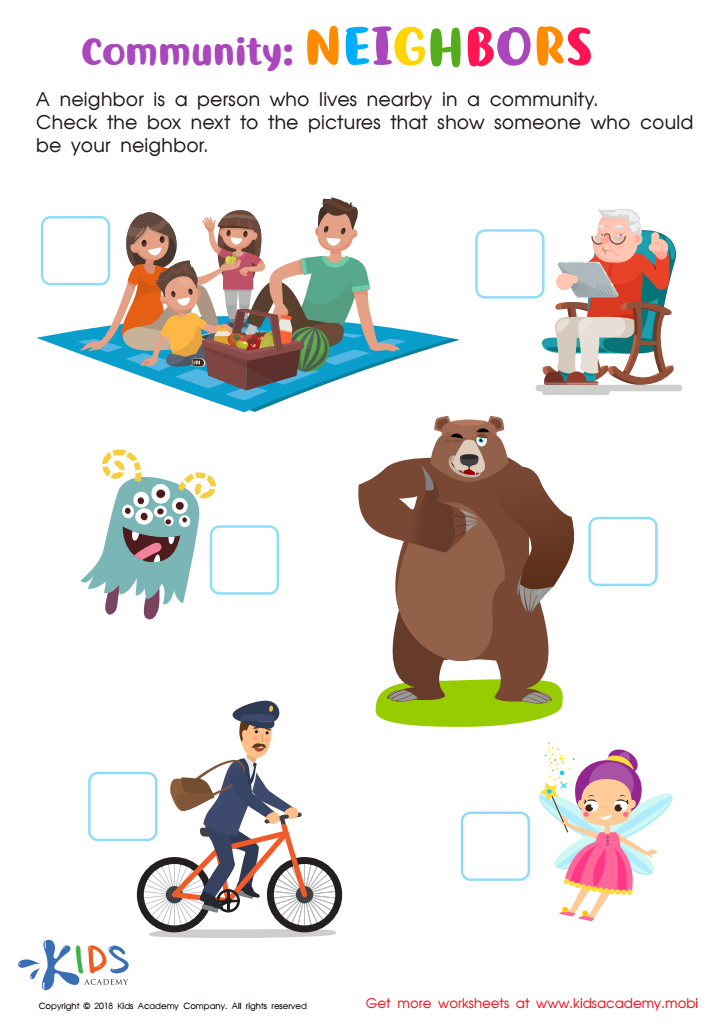
Community: Neighbors Worksheet
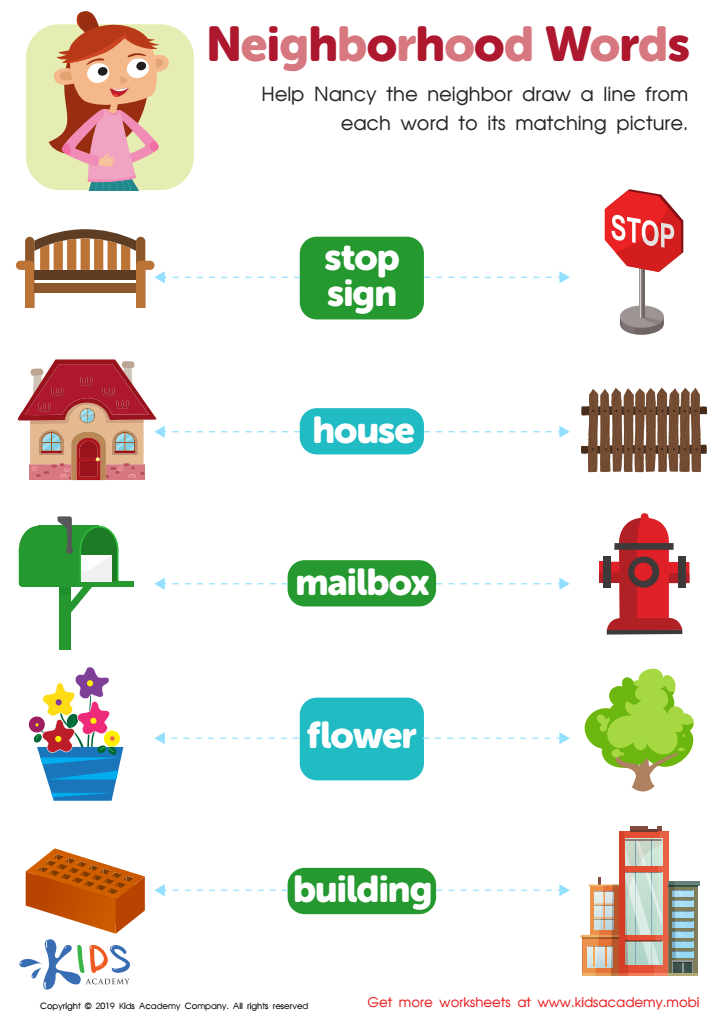
Neighborhood Words Worksheet


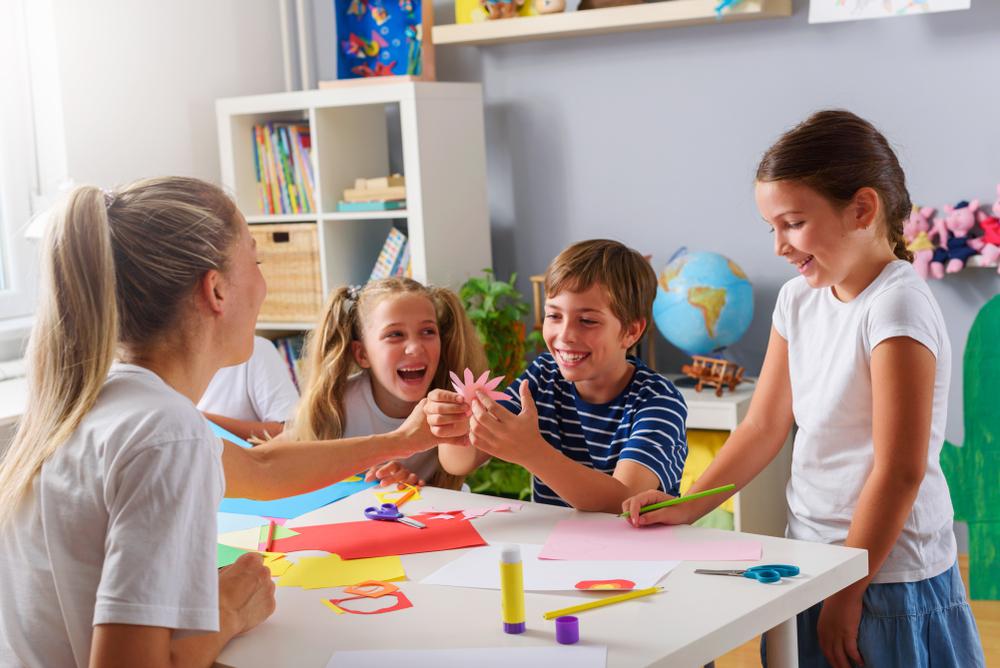





Understanding communities is crucial for children aged 3-4 as it lays the foundation for their social, emotional, and cognitive development. At this age, children are naturally curious about their surroundings and begin to explore relationships, roles, and cultural diversity. Parents and teachers play a vital role in helping young learners understand the importance of their own community and its dynamics.
By introducing concepts like cooperation, empathy, and respect for diversity, adults encourage essential life skills. Learning about their own communities fosters a sense of belonging and security, making kids feel valued and connected. Engaging them in community-related activities, such as simple neighborhood walks or cultural celebrations, enhances their awareness and appreciation of various backgrounds.
Moreover, understanding communities supports early literacy and language development. Children can expand their vocabulary and communication skills through discussions about people, places, and events that shape their environment. All these elements aid cognitive growth and support the development of critical thinking skills, setting the groundwork for more complex social understanding in later years. The more parents and teachers participate in this learning, the better-equipped children will be to navigate and contribute positively to the world around them as they grow.








