Understanding context Worksheets for Ages 3-4
5 filtered results
-
From - To
Explore our "Understanding Context Worksheets for Ages 3-4", designed to enhance early language and comprehension skills in young learners. These engaging worksheets use colorful images and relatable scenarios to help children identify context clues, develop critical thinking, and expand vocabulary. Activities are tailored to stimulate curiosity and encourage discussions about familiar situations. Ideal for parents and educators, our resources provide fun and interactive ways for children to connect words with their meanings. Foster a love for learning while supporting cognitive development with our thoughtfully crafted worksheets that effectively blend education with play! Start your journey to understanding context today!
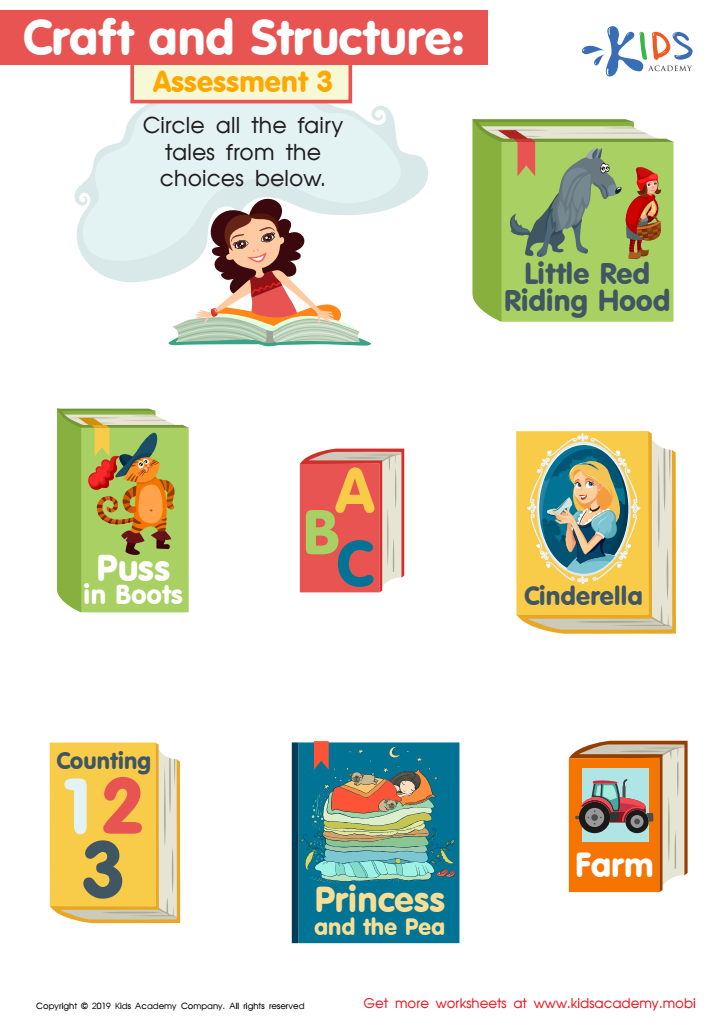
Craft and Structure: Assessment 3 Worksheet
 Assign to My Students
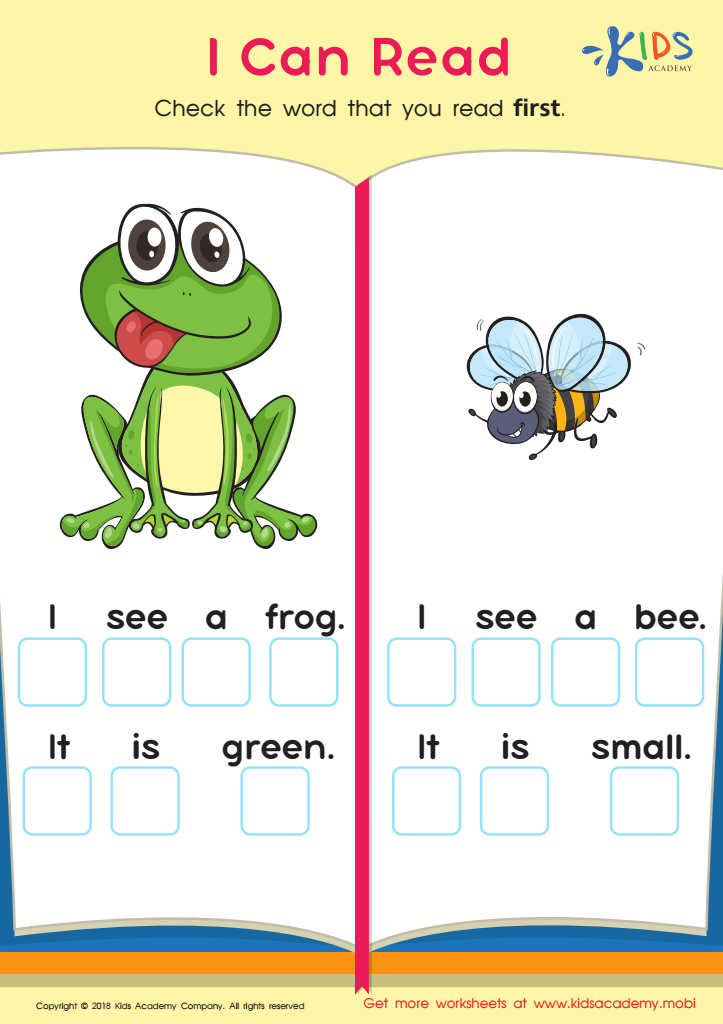
I Can Read Worksheet
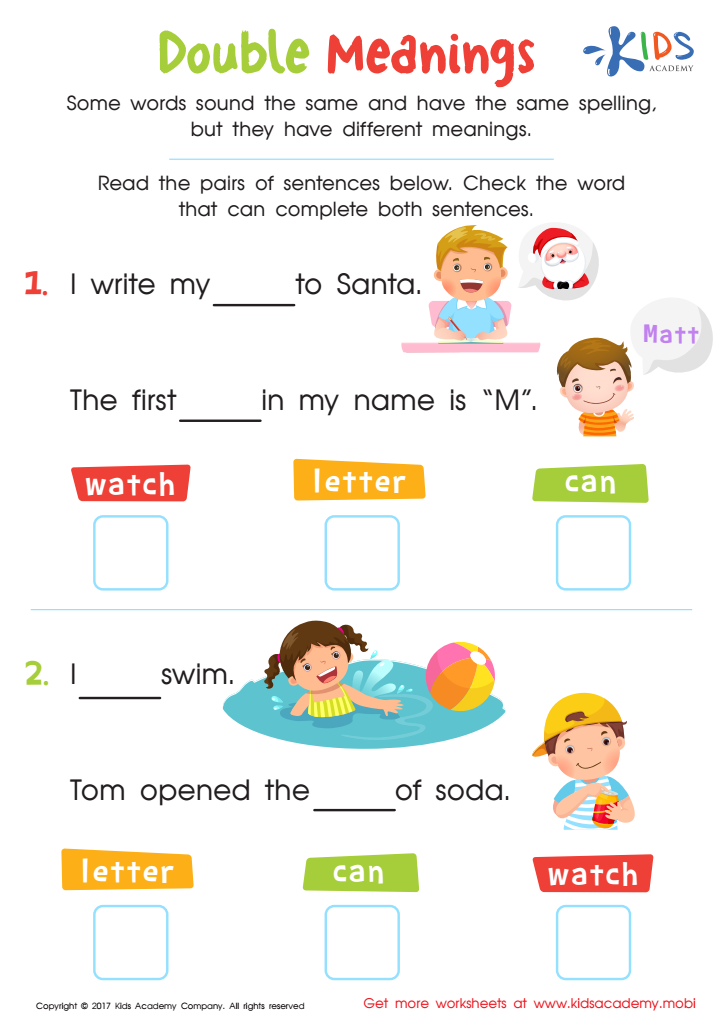
Double Meanings Worksheet
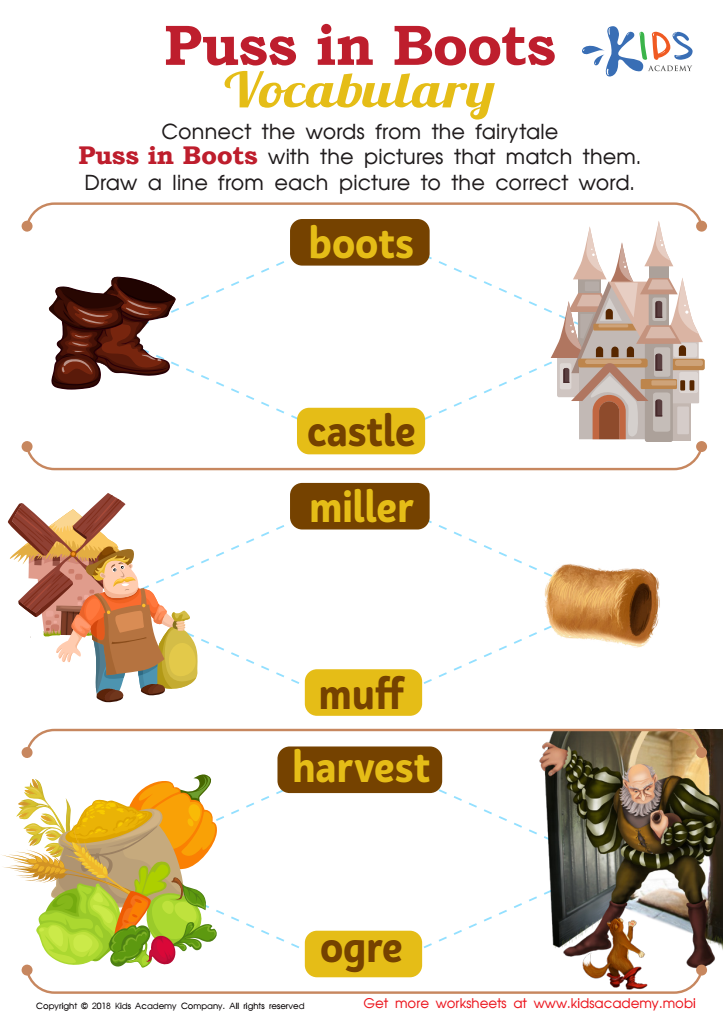
Puss in Boots Vocabulary Worksheet
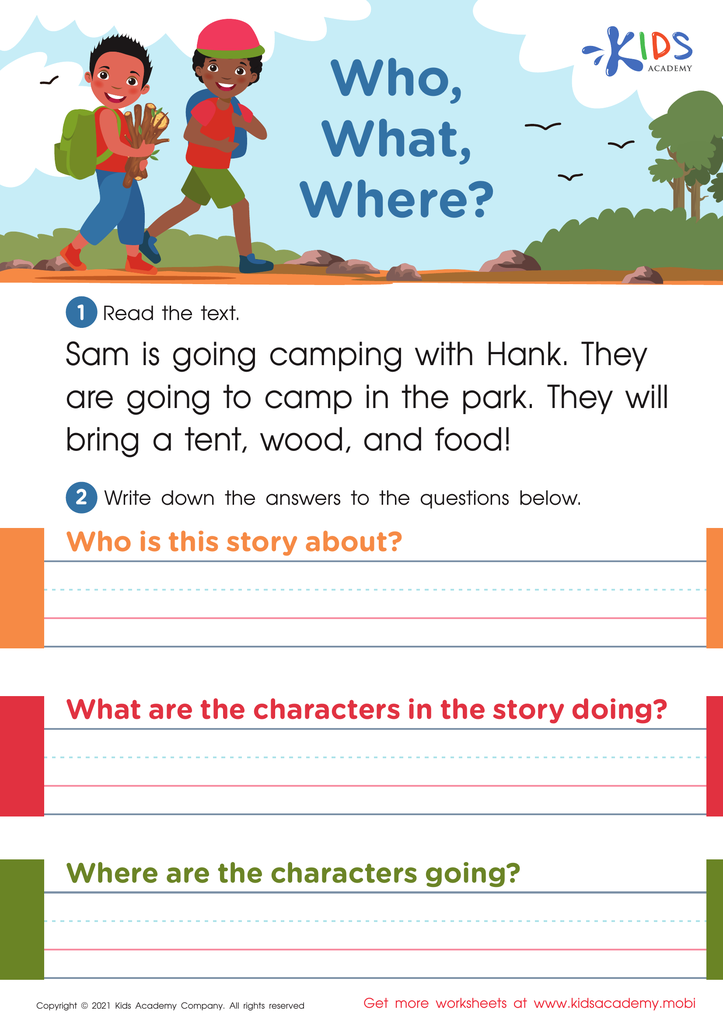
Who, What, Where? Worksheet








Understanding context is essential for children aged 3-4 as it lays the foundation for their cognitive and social development. At this age, children are natural observers and learners, constantly exploring the world around them. By recognizing context, parents and teachers can support children's comprehension and communication skills, allowing them to connect different concepts more effectively. When children are aware of their surroundings, they can engage better in conversations, learn to navigate social situations, and develop critical thinking skills.
Context enhances children's ability to interpret language, as they begin to understand that words and phrases often carry different meanings based on their environment. Activities that place words within specific scenarios foster vocabulary growth and facilitate expressive language. Moreover, context helps children make sense of feelings, promoting empathy and social awareness by understanding others' perspectives in various situations.
For both parents and teachers, nurturing a child's understanding of context is crucial for creating an enriching learning environment. Gathering information on the child’s interests and experiences can help guide lessons and interactions. By prioritizing context in their educational approaches, caregivers lay a robust foundation for lifelong learning, better relationships, and problem-solving skills. This ultimately fosters a love for learning and exploration that benefits the child throughout their development.








