Understanding number sequence Worksheets for Ages 3-4
3 filtered results
-
From - To
Welcome to our "Understanding Number Sequence Worksheets" designed specifically for children aged 3-4! These engaging worksheets are tailored to introduce young learners to the fundamental concept of number sequences in a fun and interactive way. Through colorful visuals and age-appropriate activities, children will enhance their counting skills and develop a strong foundation for future mathematical learning. Our worksheets encourage critical thinking and problem-solving as kids practice identifying patterns and completing sequences. Whether at home or in the classroom, these resources will foster a love for numbers and set the stage for a lifetime of mathematical exploration. Start your child’s learning journey today!
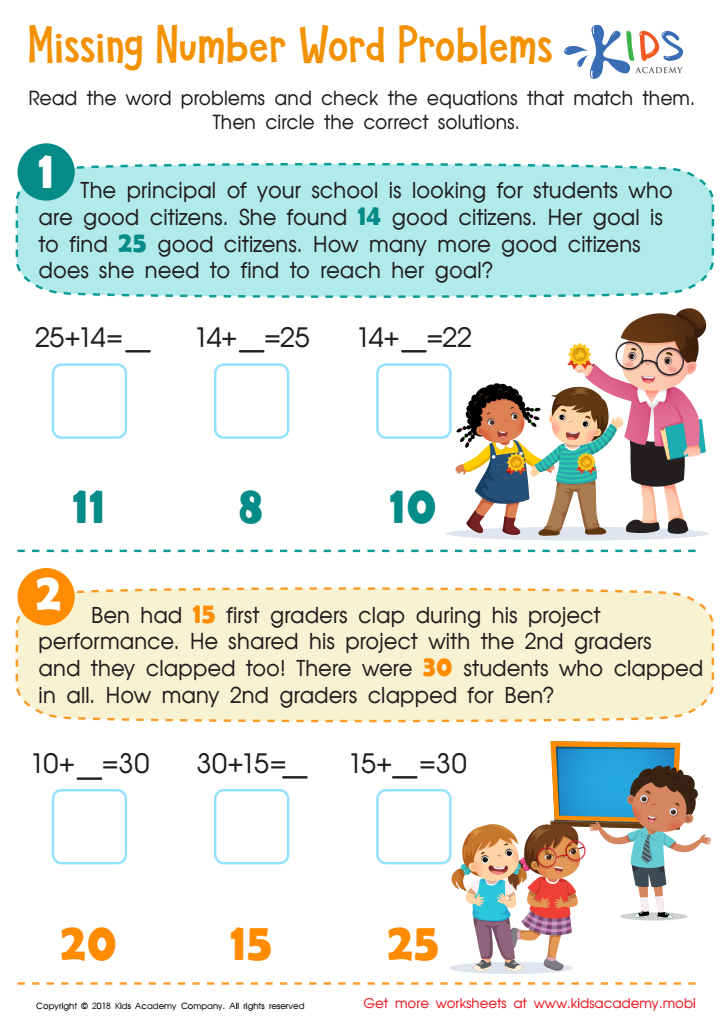
Missing Number Word Problems Worksheet
 Assign to My Students
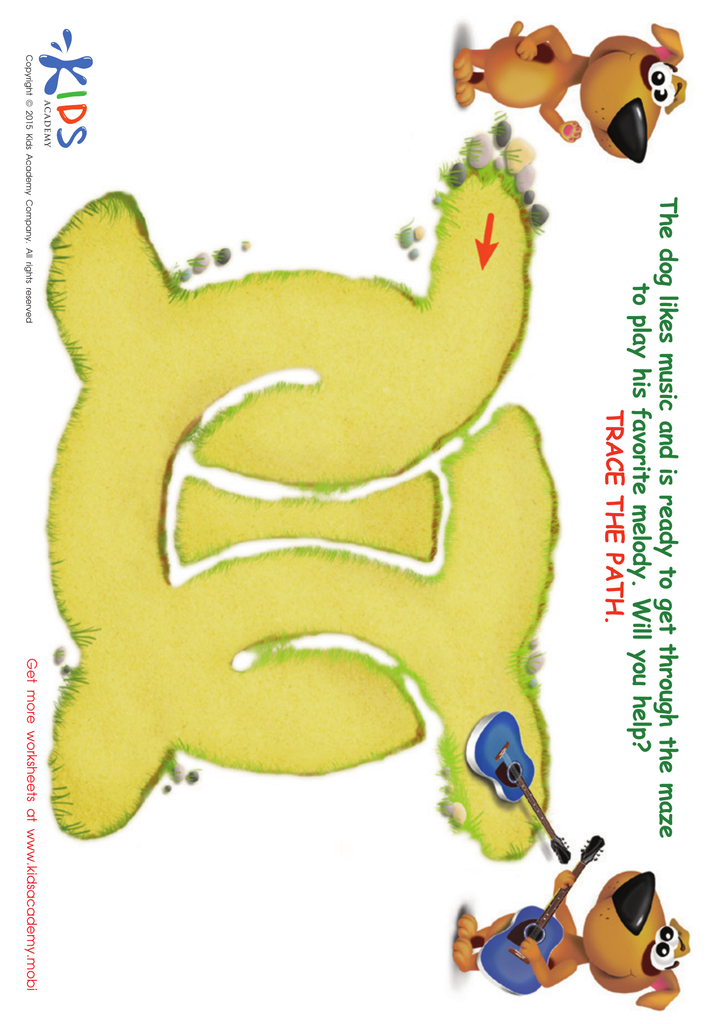
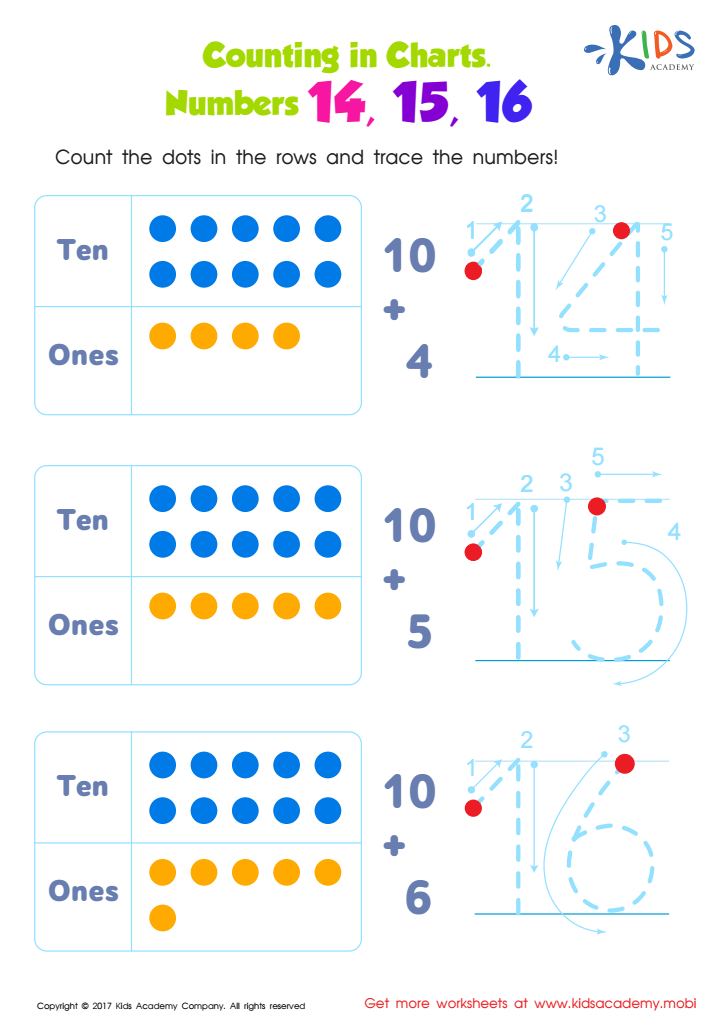
Number Tracing Worksheet






Understanding number sequences is a foundational skill for young children, particularly those aged 3-4, and it holds significant importance for parents and teachers. Mastering this concept fosters a strong mathematical foundation, which is crucial as children progress in their education. At this age, children are naturally curious and eager to explore patterns and relationships in numbers, making it an ideal time to introduce number sequences.
First, number sequences help children develop critical thinking skills as they learn to recognize patterns and make predictions. This cognitive development is essential not only for math but also for problem-solving in other areas of learning. Additionally, understanding sequences prepares children for more complex mathematical concepts they will encounter later, such as addition, subtraction, or even introductory algebra.
Moreover, numerical fluency contributes to a child’s confidence. When children can identify and create number sequences, they feel accomplished and motivated to engage more with math-related activities. Furthermore, early exposure to these concepts helps bridge the gap between home and school learning environments, allowing parents and teachers to work collaboratively in fostering a well-rounded educational experience. Prioritizing understanding number sequences in early education ultimately equips children with essential skills for life-long learning.








