Understanding plurals Worksheets for Ages 3-4
4 filtered results
-
From - To
Discover a fun way to teach young learners about plurals with our "Understanding Plurals Worksheets for Ages 3-4." Designed specifically for early education, these engaging worksheets help children grasp the concept of singular and plural nouns through colorful visuals and interactive activities. Kids will love identifying groups of objects, matching images to words, and applying their knowledge in playful exercises. Perfect for classroom settings or home learning, these worksheets enrich vocabulary skills while making learning enjoyable. Foster your child’s language development and encourage their confidence with our thoughtfully crafted resources, designed to make plural understanding straightforward and entertaining. Start exploring now!
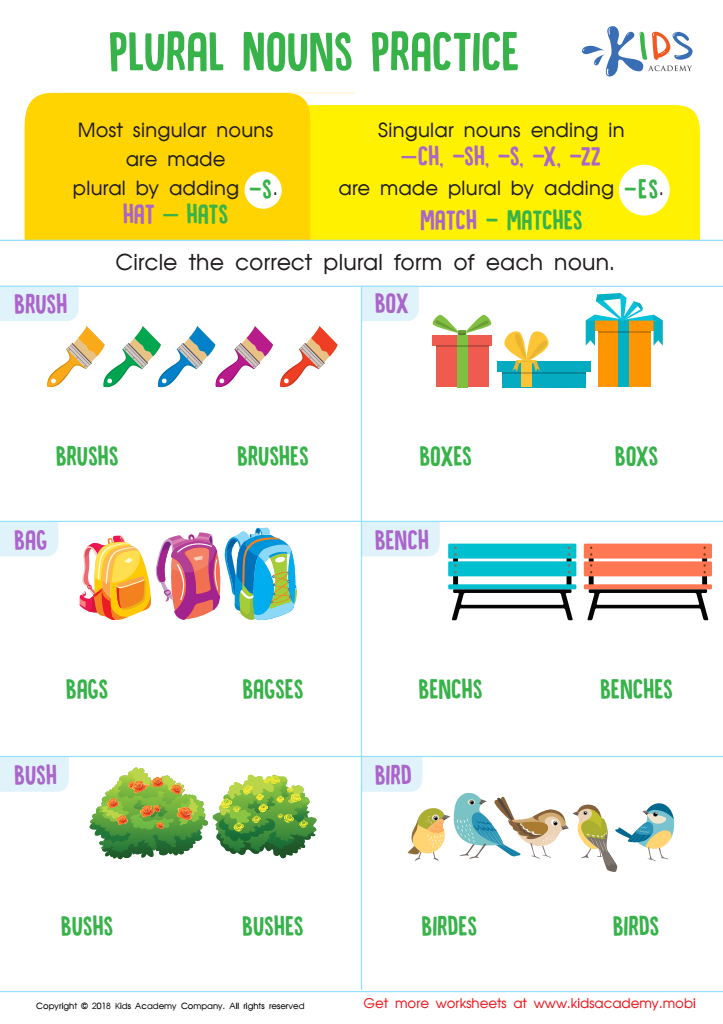
Plural Nouns Practice Worksheet
 Assign to My Students
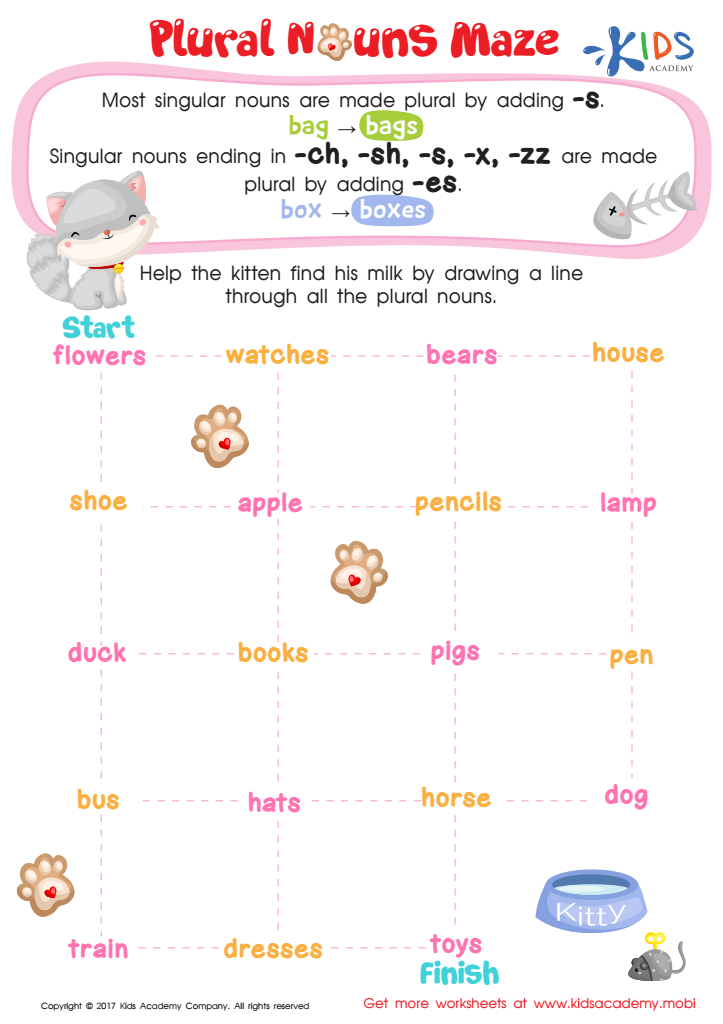
Plural Nouns Maze Worksheet
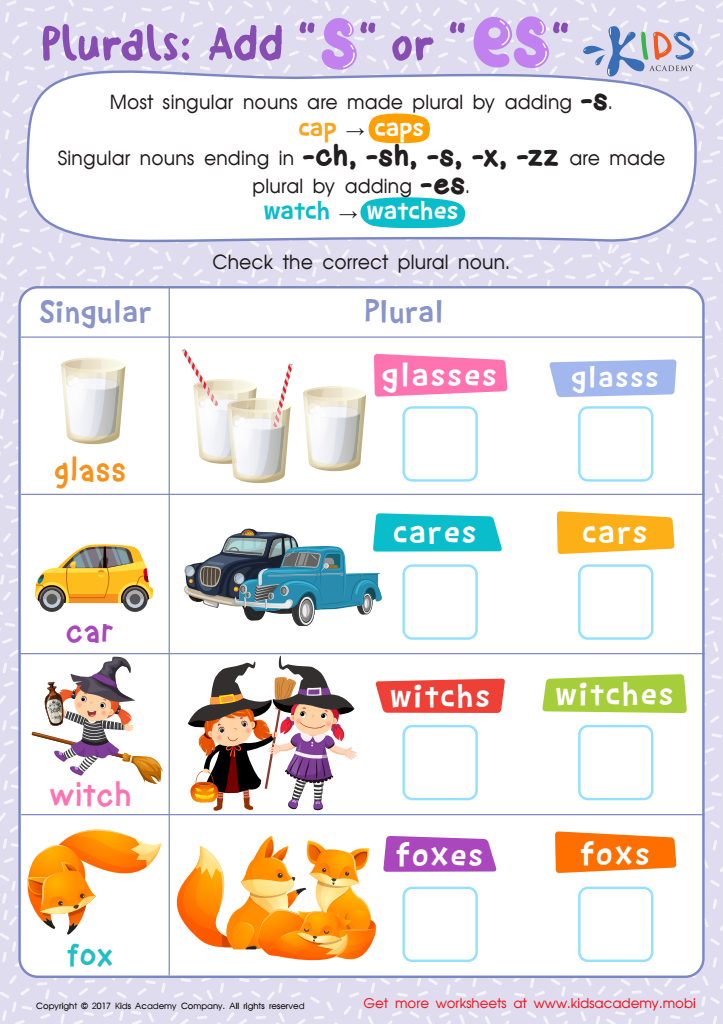
Plurals: "–es" or "–es"? Worksheet
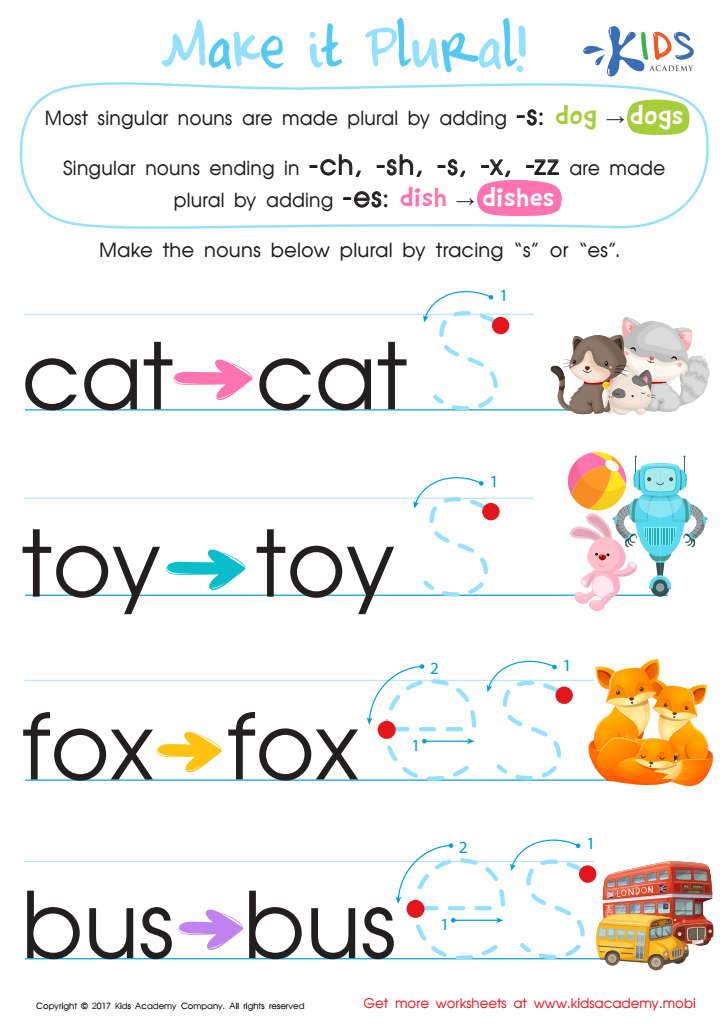
Make it Plural Worksheet





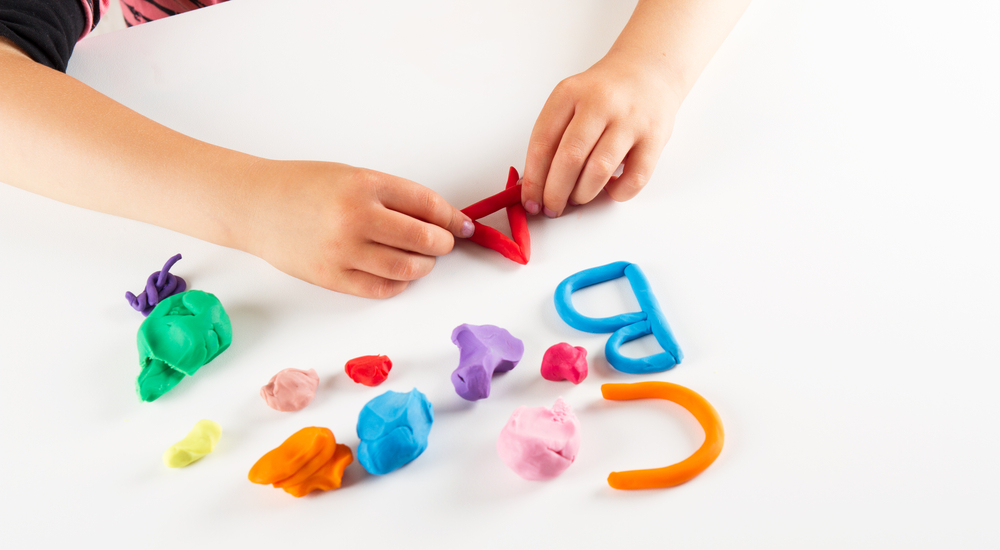

Understanding plurals is crucial for children aged 3-4 as it lays a fundamental foundation for their language development and cognitive skills. At this early stage, children are rapidly expanding their vocabulary, and grasping the concept of plurals helps enhance their language comprehension and communication abilities. When children learn that objects can exist in more than one form—like 'cat' and 'cats'—they start to grasp relationships between words, which aids in building their overall linguistic skills.
Additionally, learning about plurals encourages cognitive development. It helps kids identify patterns in language, fostering critical thinking and problem-solving skills. Recognizing that “-s” is often added to form plurals allows children to predict word variations, enhancing their ability to decode new words they encounter.
For parents and teachers, nurturing this understanding promotes effective verbal interactions. It enhances storytelling sessions, plays, and daily conversations, making them richer and more engaging. Moreover, it supports early literacy, laying the groundwork for reading, writing, and effective communication in later years. Thus, cultivating an understanding of plurals at this age benefits children's linguistic growth and contributes to their overall educational journey.








