Visual perception development Worksheets for Ages 3-4
3 filtered results
-
From - To
Enhance your child's visual perception skills with our engaging worksheets designed for children ages 3-4. These fun, interactive resources help build essential cognitive abilities, including pattern recognition, shape identification, and spatial awareness. Each worksheet is tailored to support young learners as they explore colors, sizes, and contrasts through playful activities that boost fine motor skills and concentration. Ideal for both home and classroom settings, our worksheets provide a perfect mix of learning and play. Download our Visual Perception Development Worksheets today to foster your preschooler's confidence and readiness for future learning adventures!
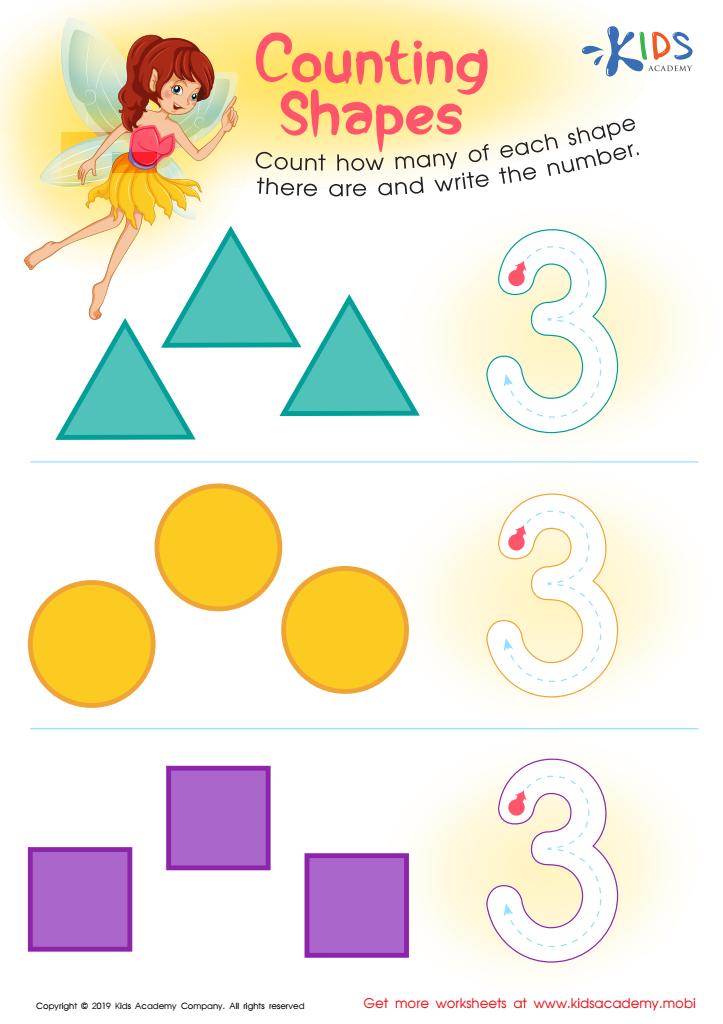
Counting Shapes Worksheet
 Assign to My Students
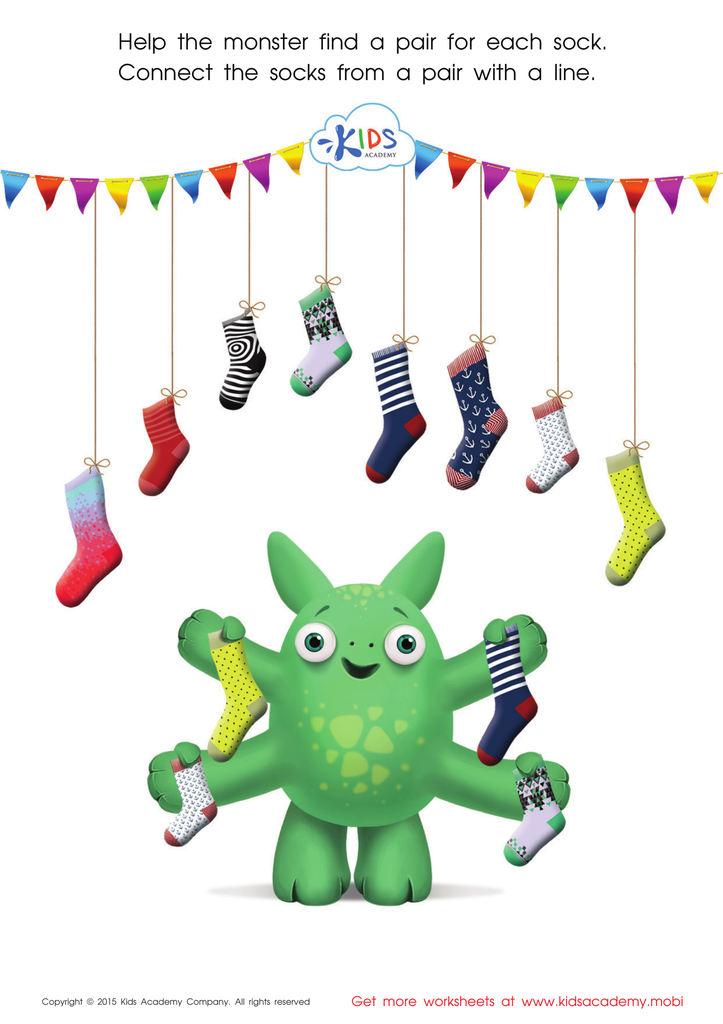
Math Matching Pairs Game: Monsterв's Socks Worksheet
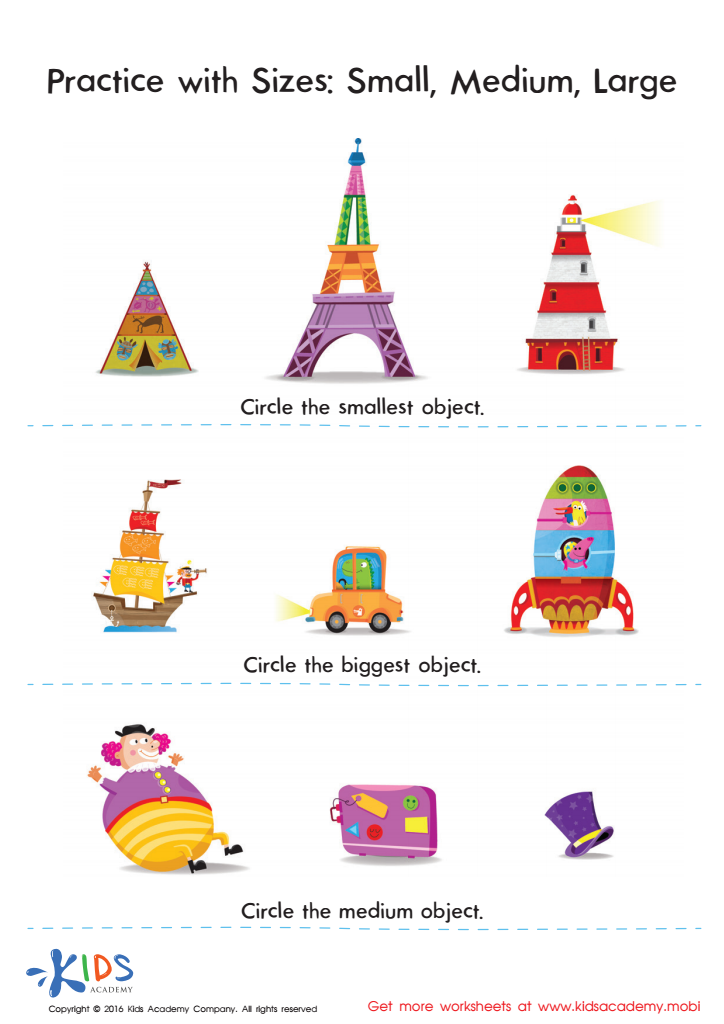







.jpg)
Visual perception development in children aged 3-4 is crucial for their overall learning and cognitive growth. During these formative years, children's ability to interpret and understand visual information significantly influences their academic success and daily functioning. When parents and teachers prioritize visual perception, they help children develop essential skills, such as recognizing shapes, understanding spatial relationships, and distinguishing between different colors and sizes.
Effective visual perception aids in reading and writing readiness, as these skills rely heavily on a child's ability to visualize letters and words. Additionally, strong visual perceptual skills enhance problem-solving abilities and hand-eye coordination, which are vital for tasks like drawing, assembling puzzles, and playing sports.
By fostering an environment that encourages visual exploration through activities like games, arts and crafts, and outdoor play, adults can support children's visual development. This foundation not only promotes academic achievement but also nurtures creativity and critical thinking. Ultimately, an investment in visual perception skills sets the stage for confident, well-rounded learners, making it imperative for parents and teachers to actively engage with and support this aspect of early childhood development.








