Writing practice Worksheets for Ages 3-4 - Page 2
29 filtered results
-
From - To
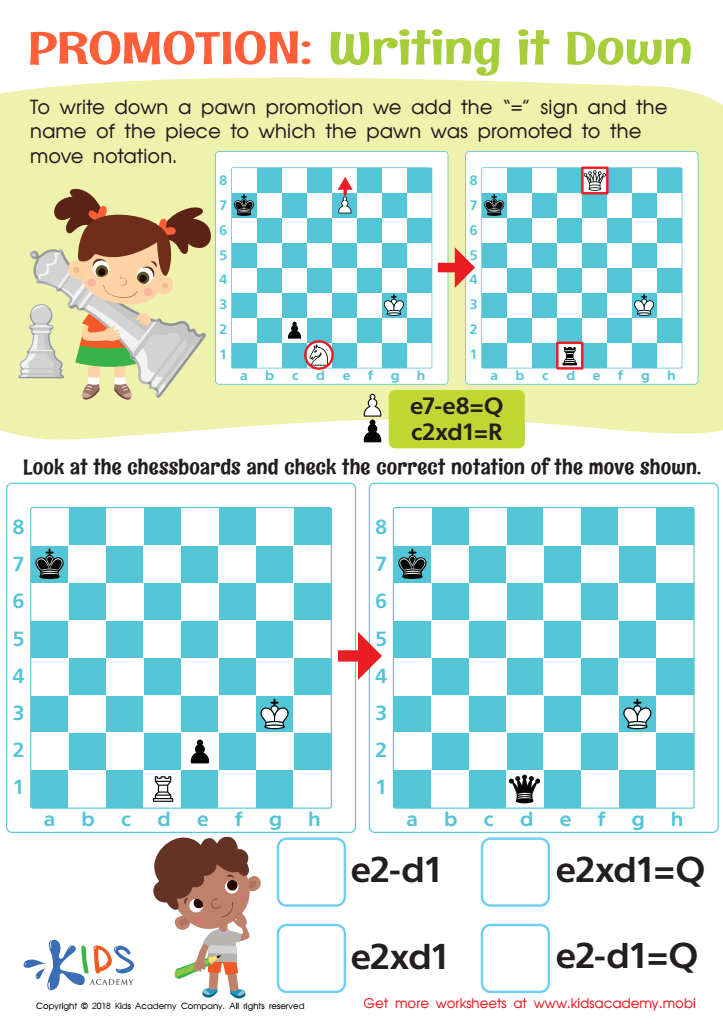
Writing it Down Worksheet

Count the Cucumbers and Trace the Number 8 Printable
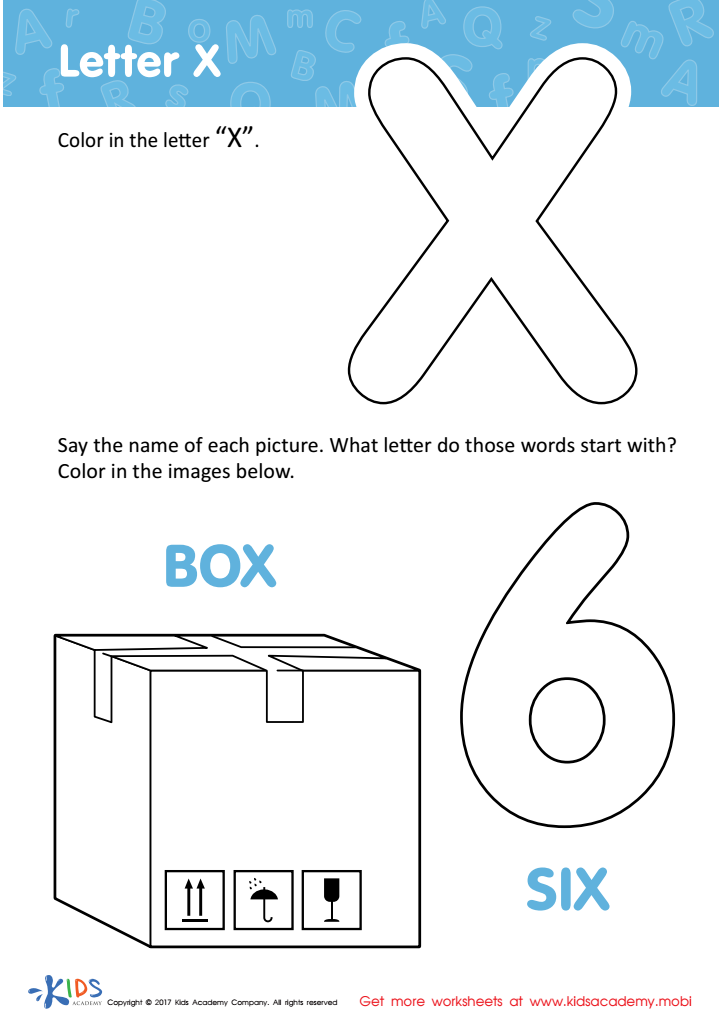
Letter X Coloring Sheet
 Assign to My Students
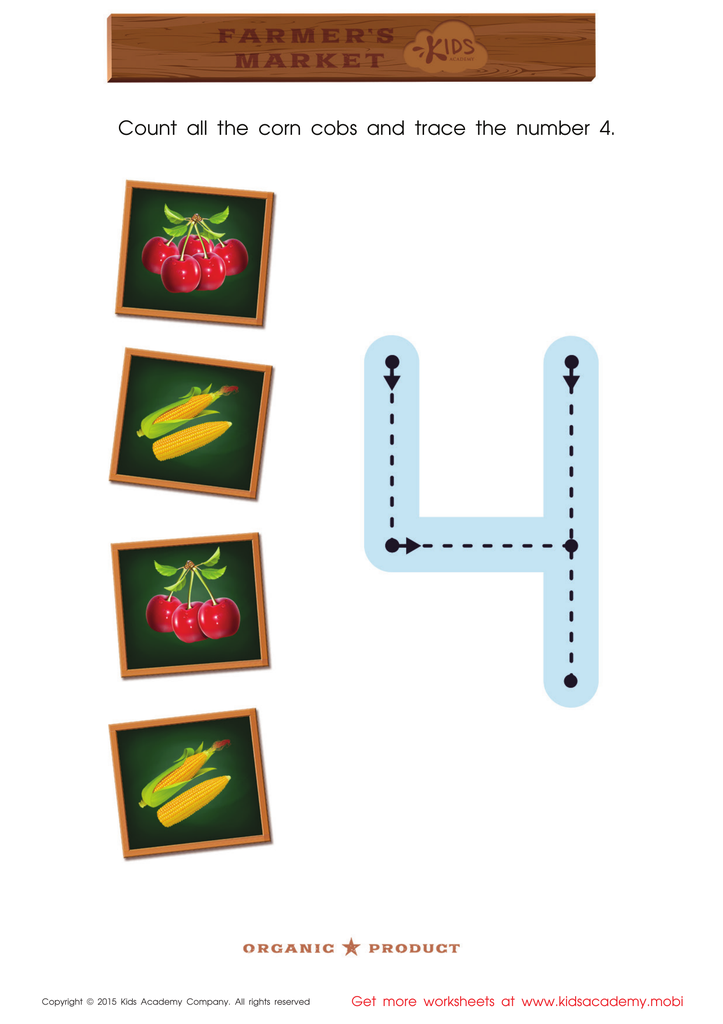
Count the Corncobs and Trace the Number 4 Worksheet








Parents and teachers should prioritize writing practice for children ages 3-4 because it lays a crucial foundation for their future literacy and academic success. At this early stage, children are at a pivotal point in their cognitive and motor development. Writing practice enhances fine motor skills by teaching kids how to control hand movements and finger dexterity needed to hold a pencil, crayon, or marker effectively. This prepares them for more complex tasks like drawing and eventually penmanship in their school years.
Beyond the physical act of writing, early practice fosters cognitive skills, such as letter recognition and understanding the relationship between letters and sounds. When children scribble or attempt to write letters, they start to comprehend the symbolic nature of writing, which is critical for reading. Early writing efforts also spark creativity and self-expression as youngsters learn to convey their thoughts and stories on paper, even if it starts as simple drawings or random marks.
Moreover, writing practice nurtures patience, attention to detail, and persistence, which are essential skills for all learning areas. Children gain immense confidence as they see their progression from simple scribbles to letter formations and short words, instilling a positive attitude toward learning and school activities. Thus, engaging kids in writing activities at this formative age is a bedrock for academic growth and personal development.








