Cognitive Development Addition & Subtraction Worksheets for Ages 3-4 - Page 2
107 filtered results
-
From - To
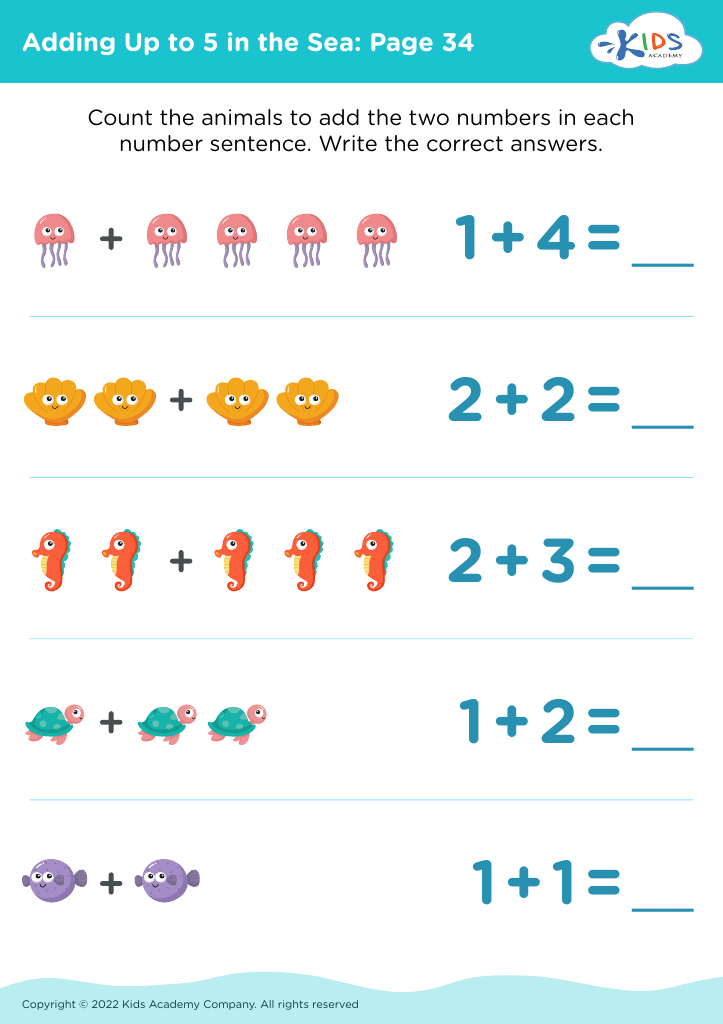
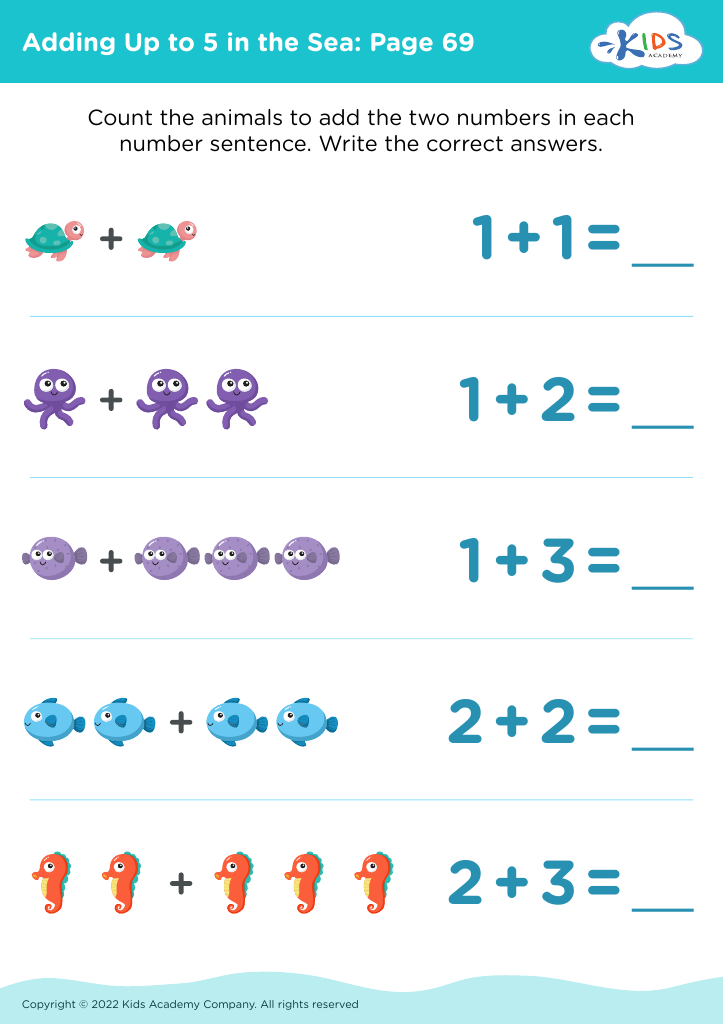
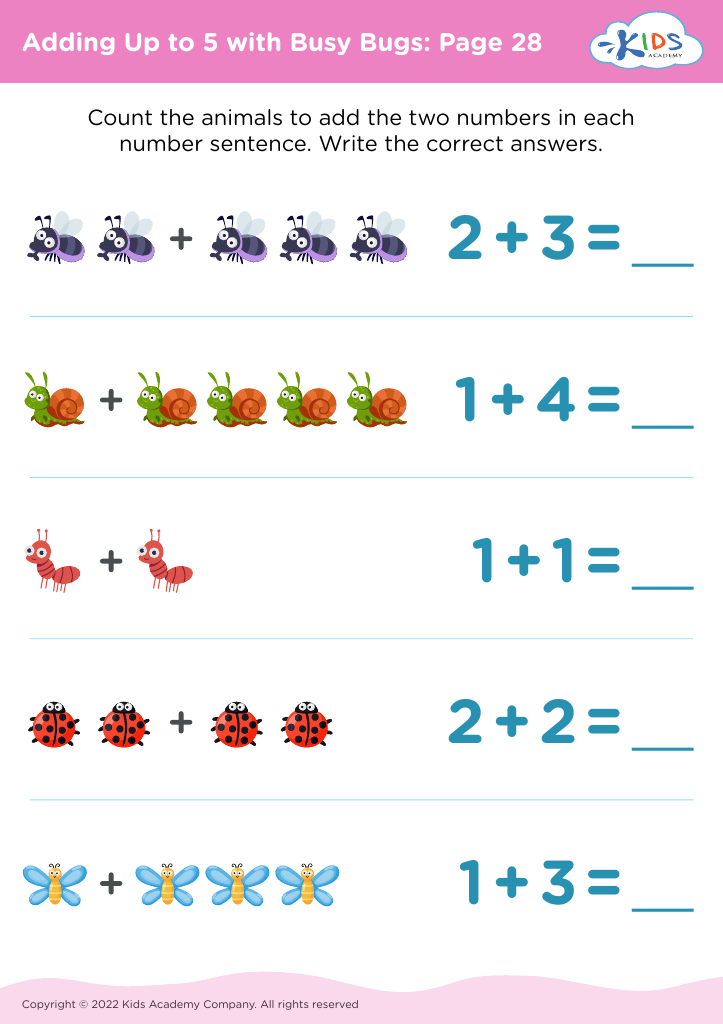
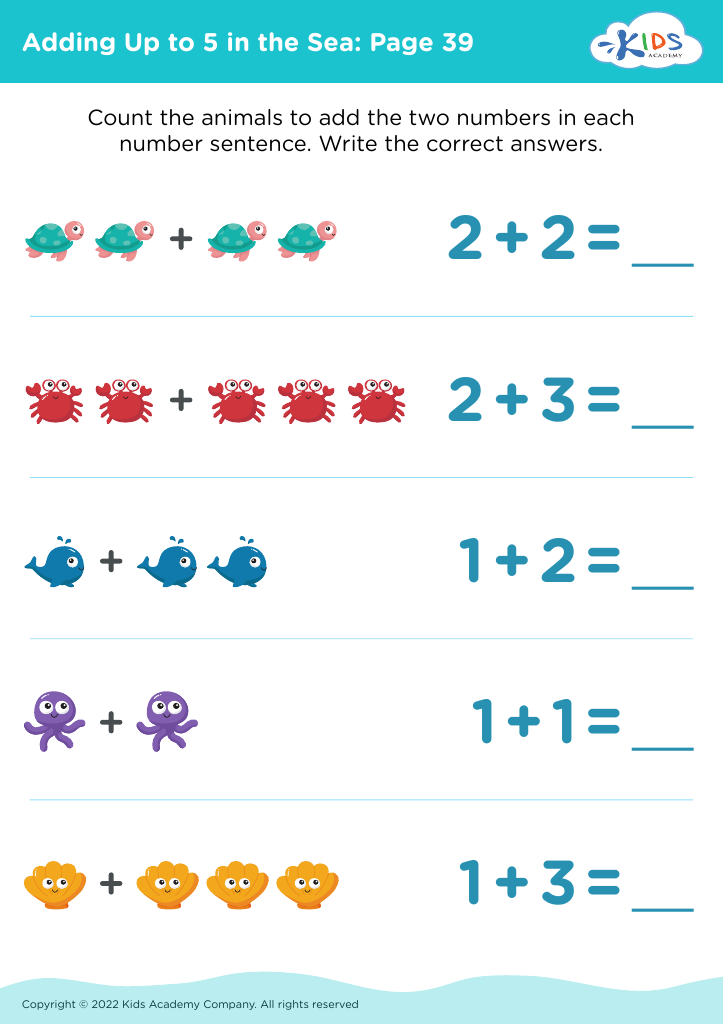
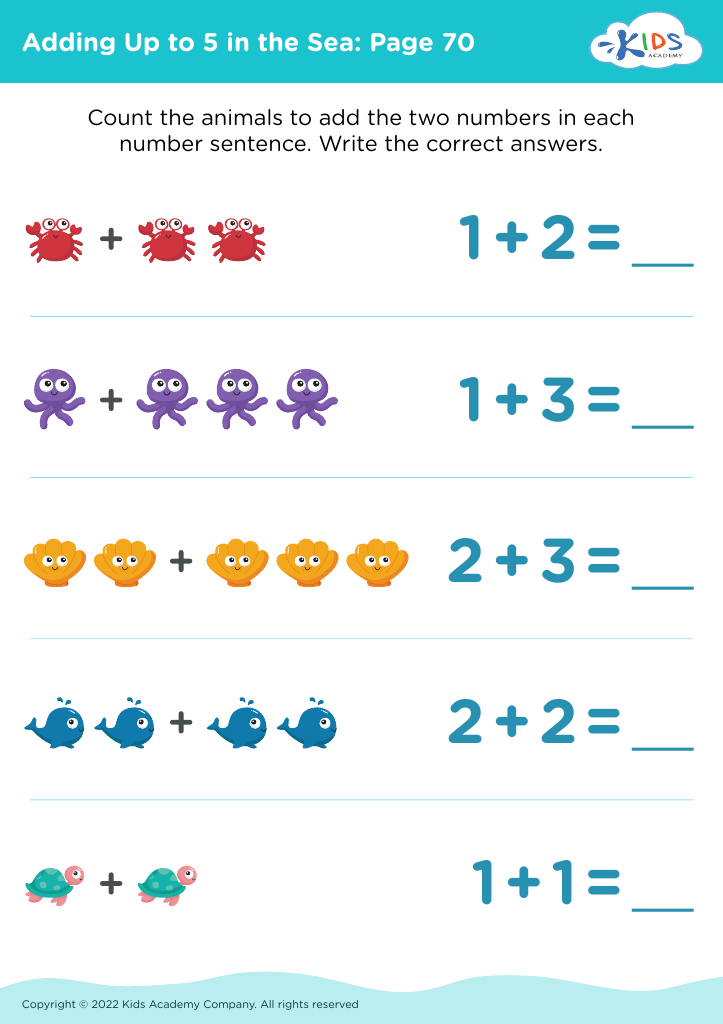
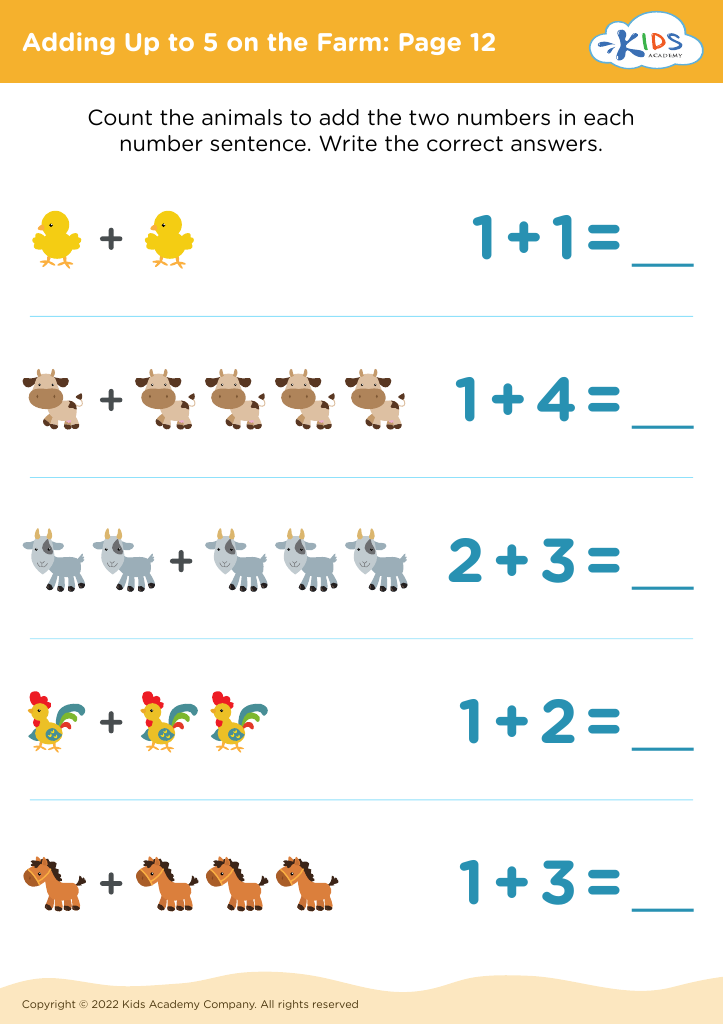
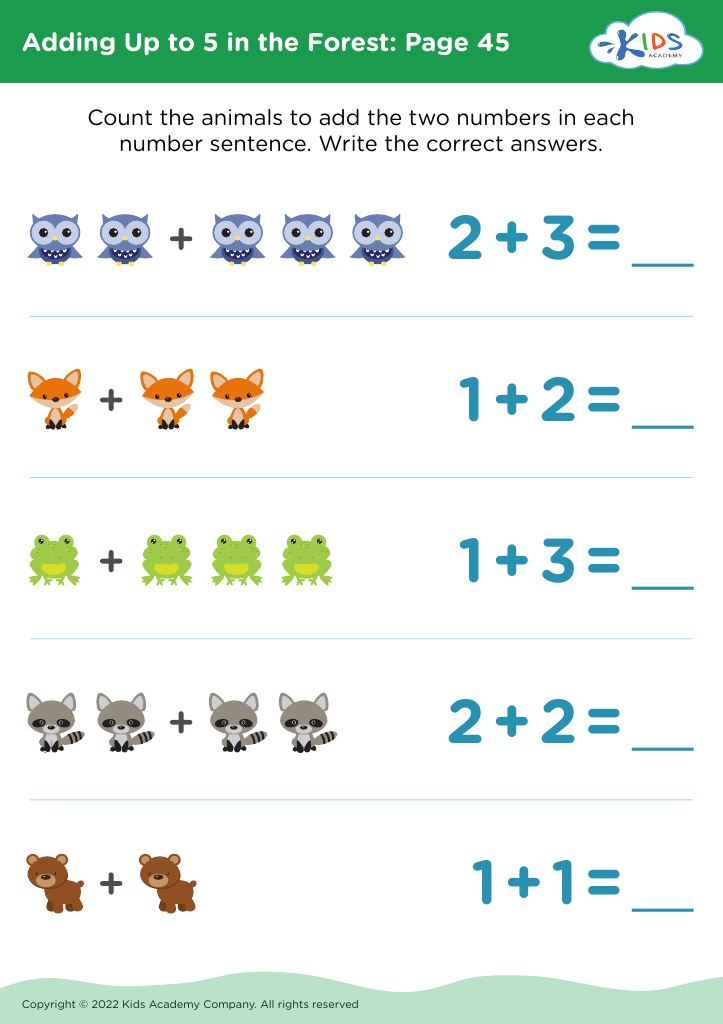
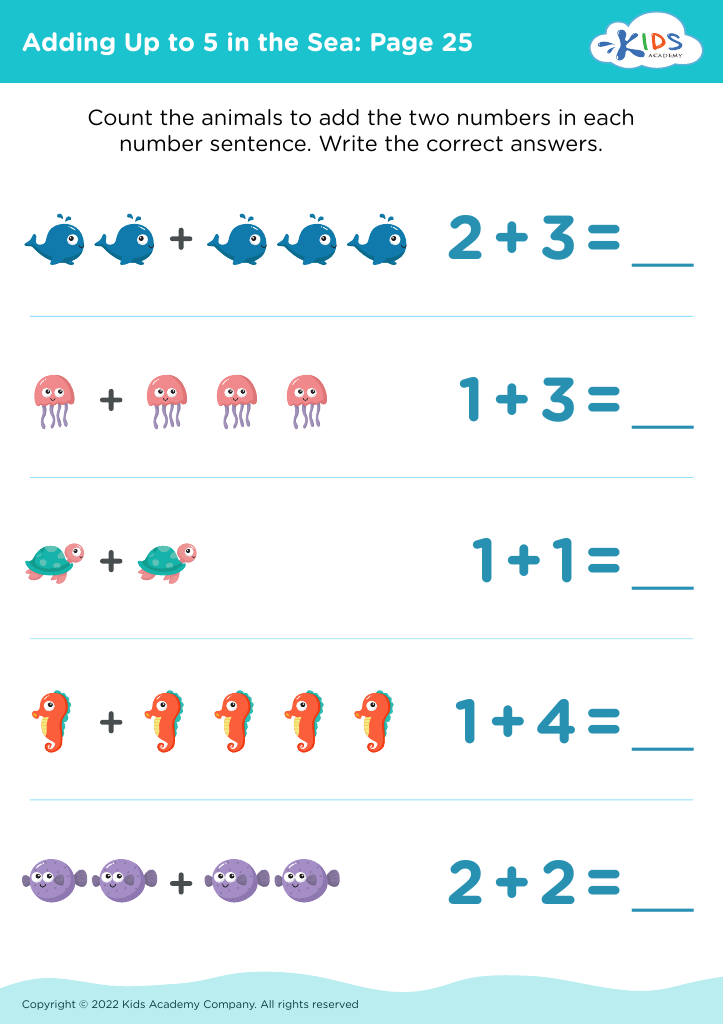
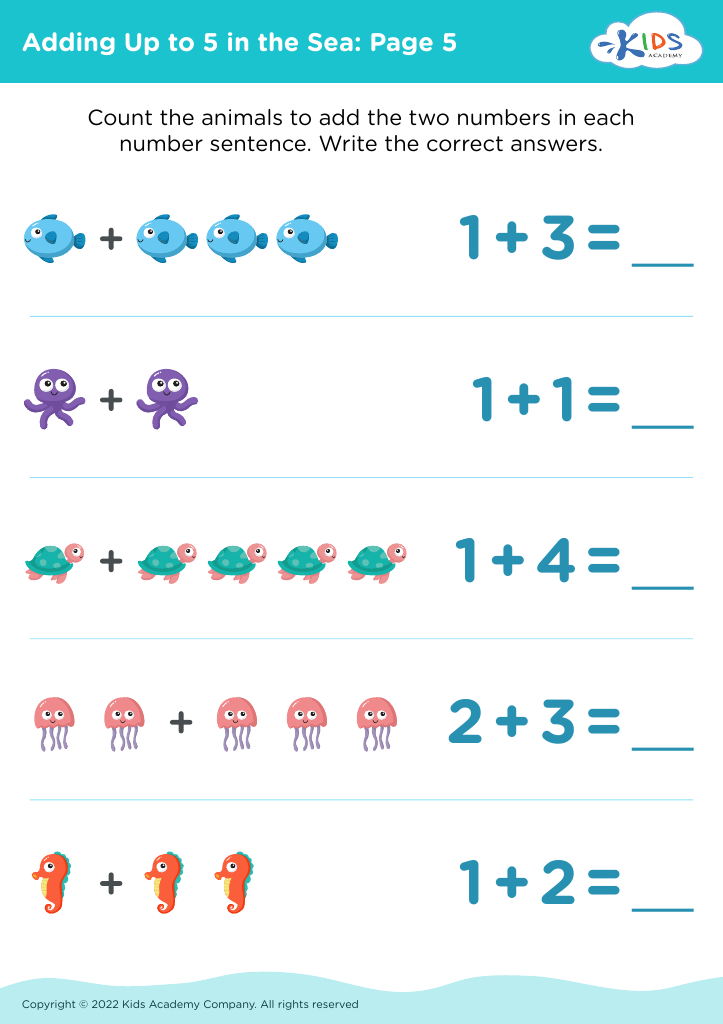
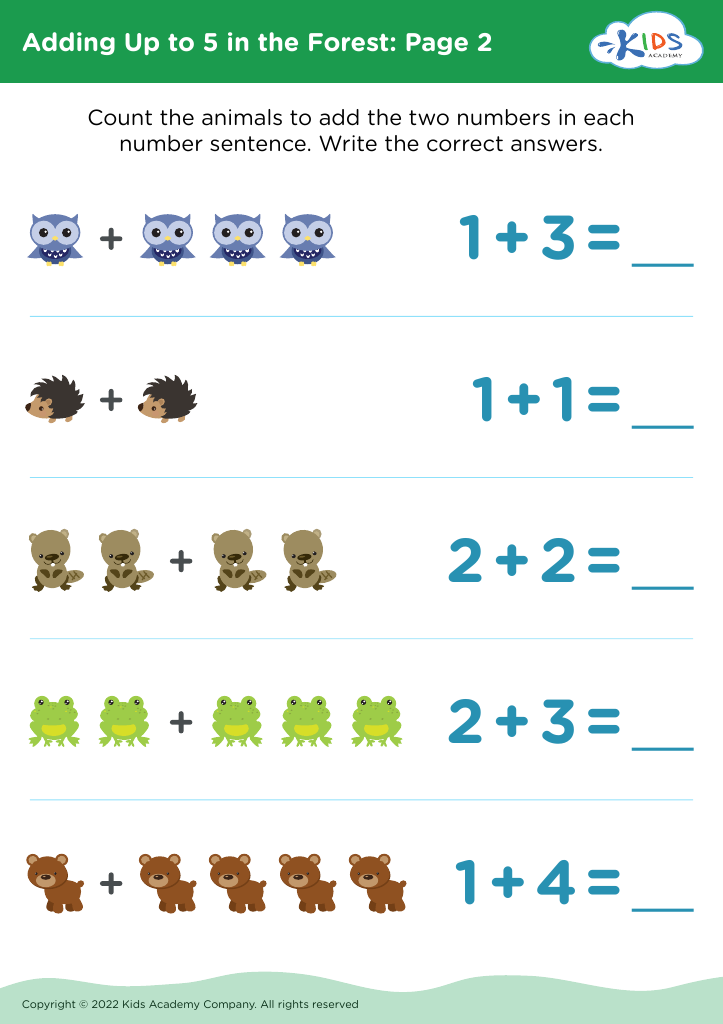
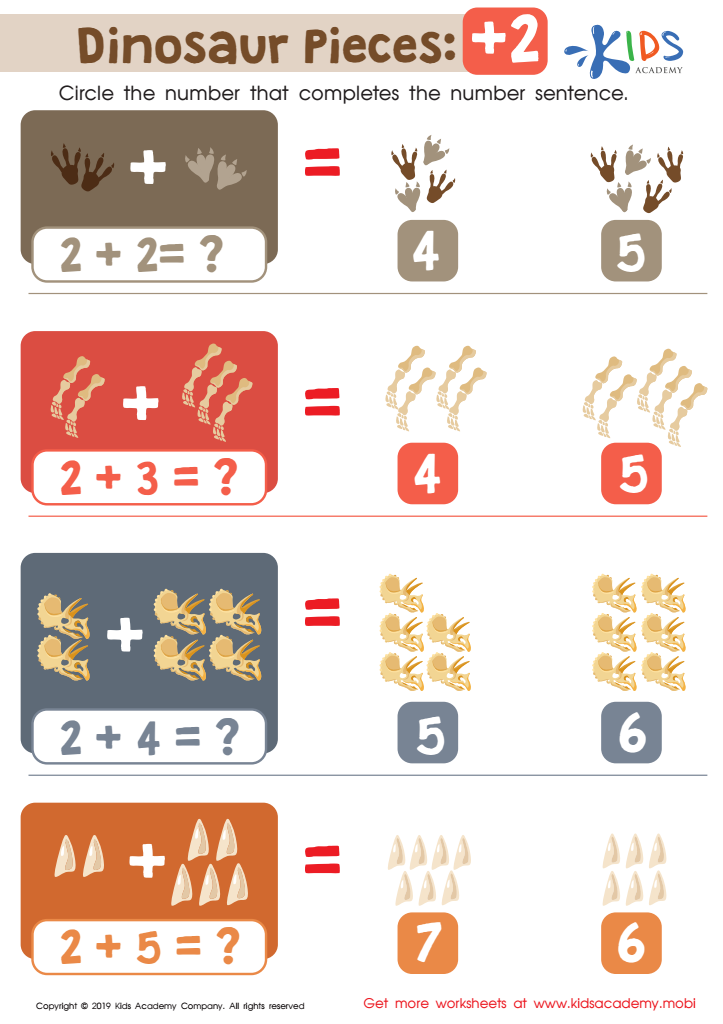
Dinosaur Pieces: +2 Worksheet
 Assign to My Students
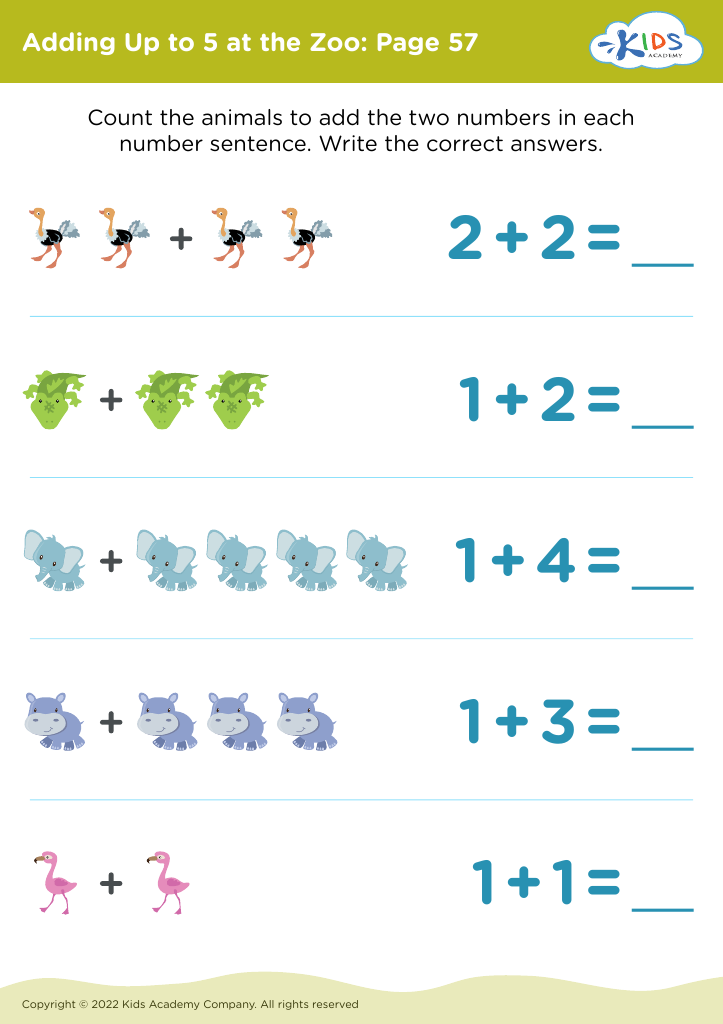
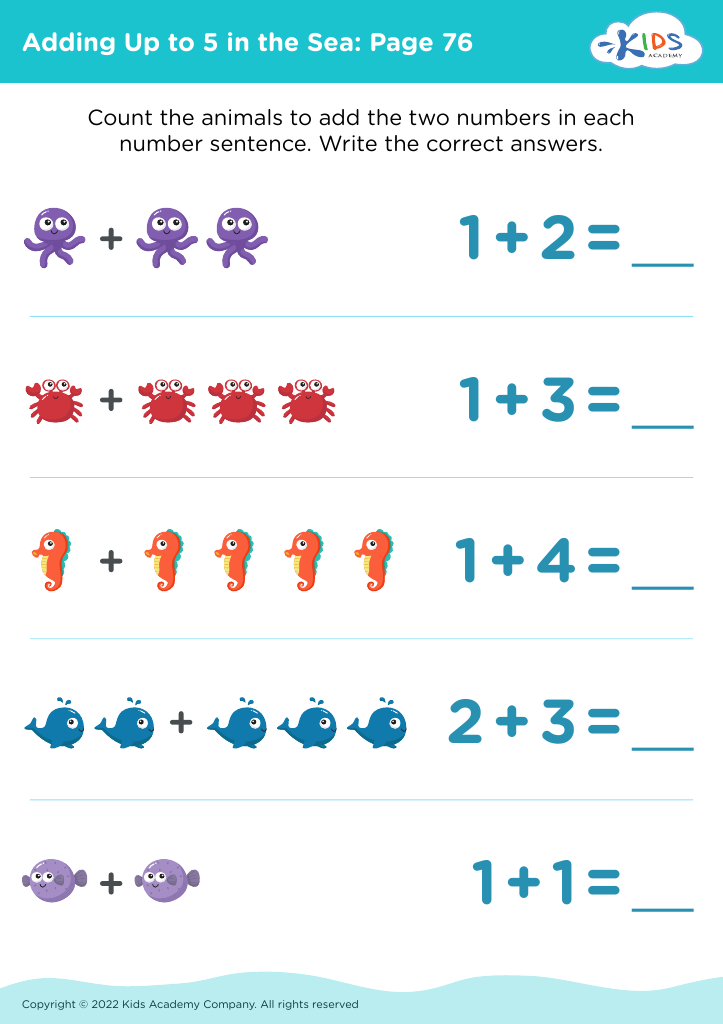
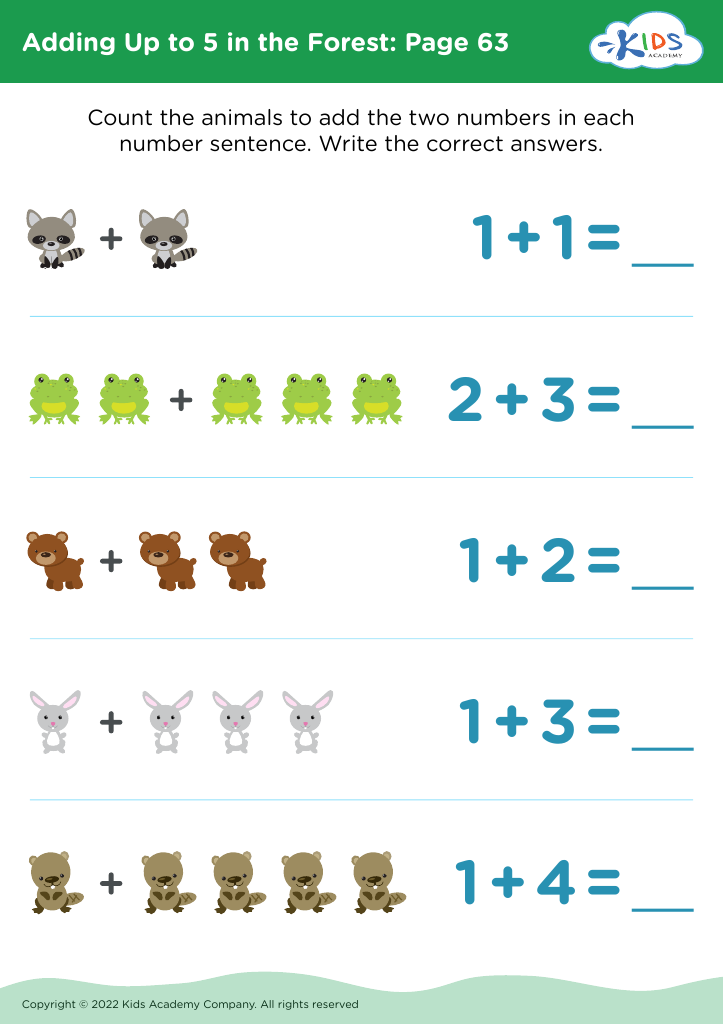
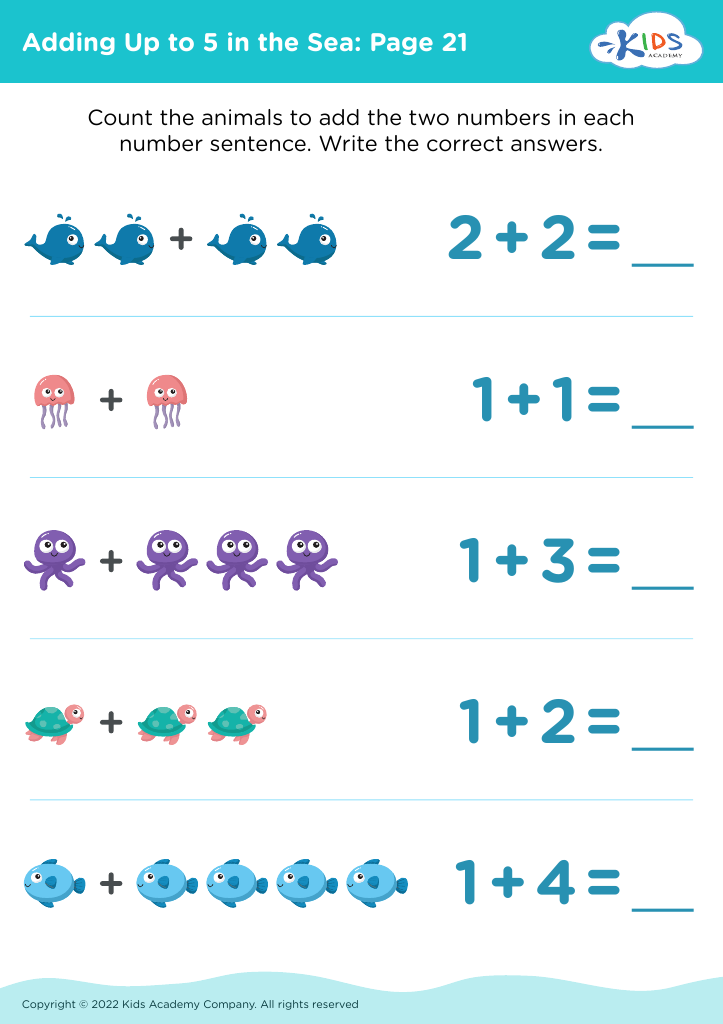
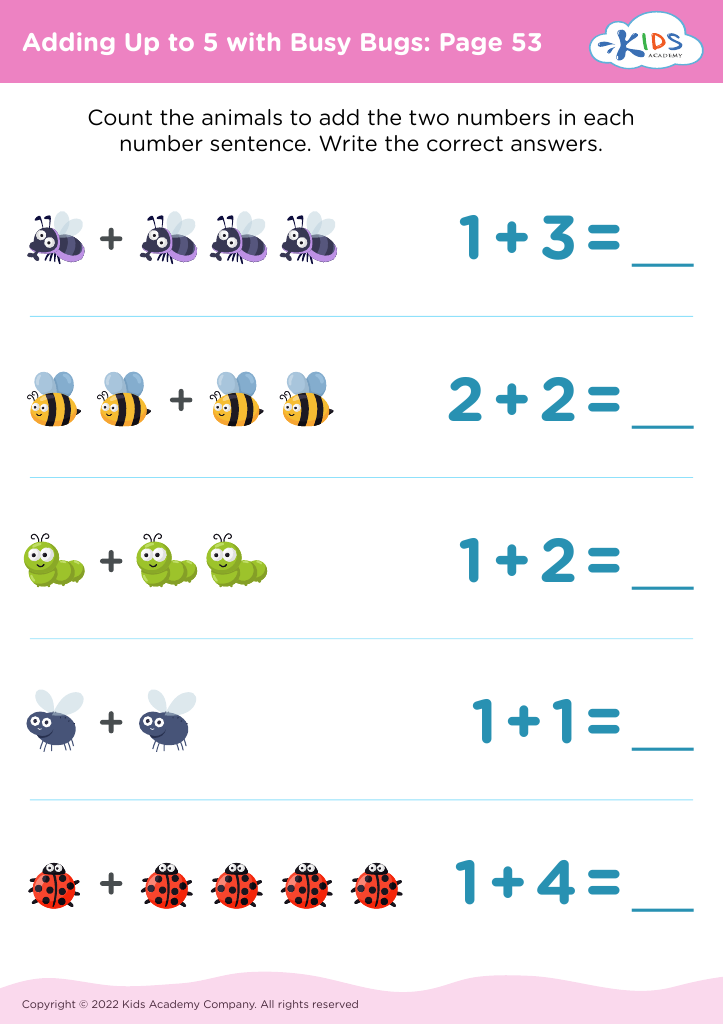
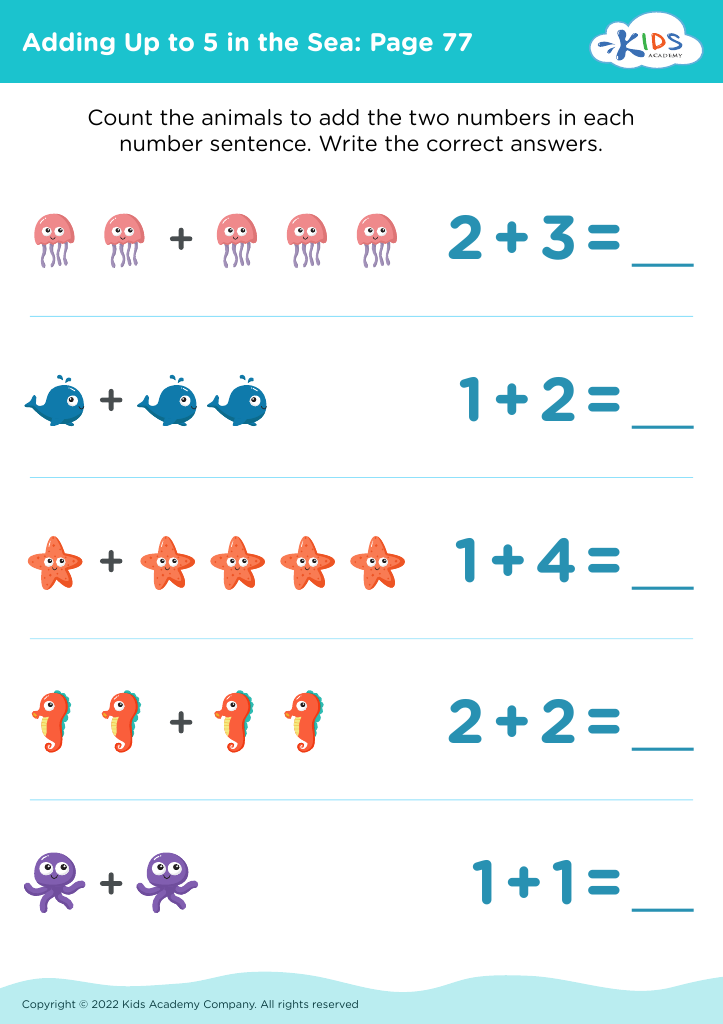
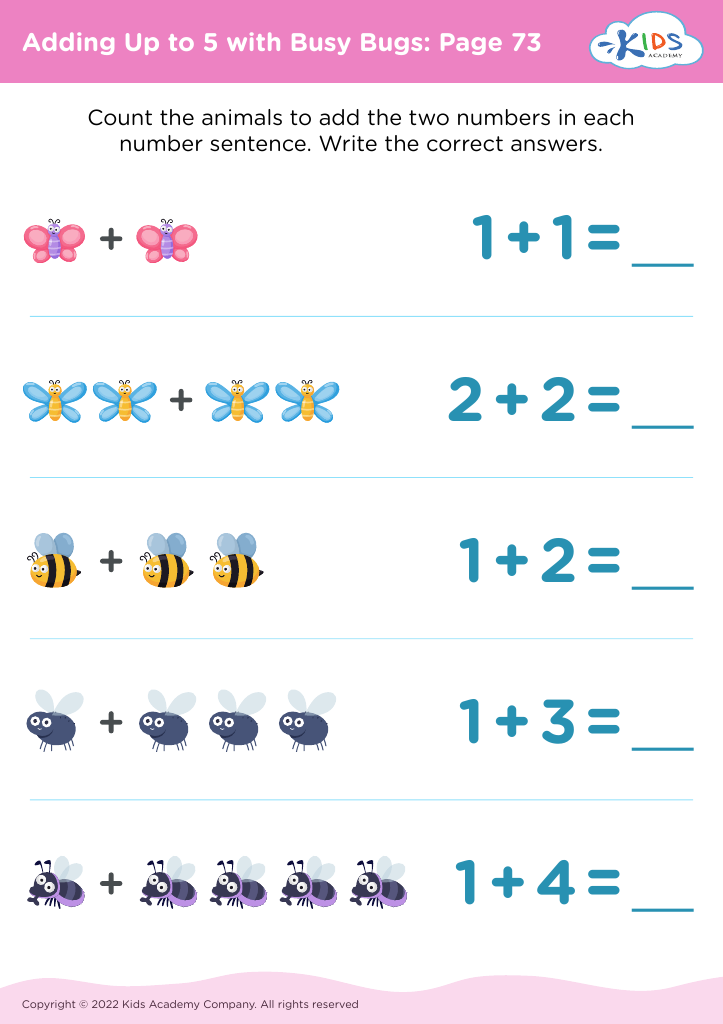
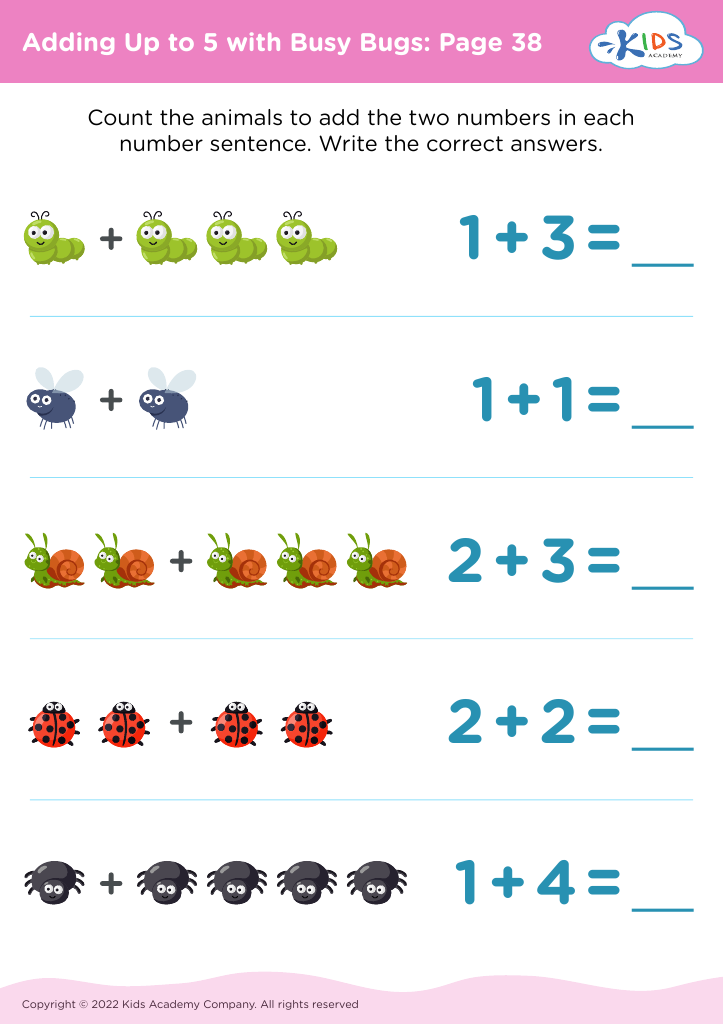
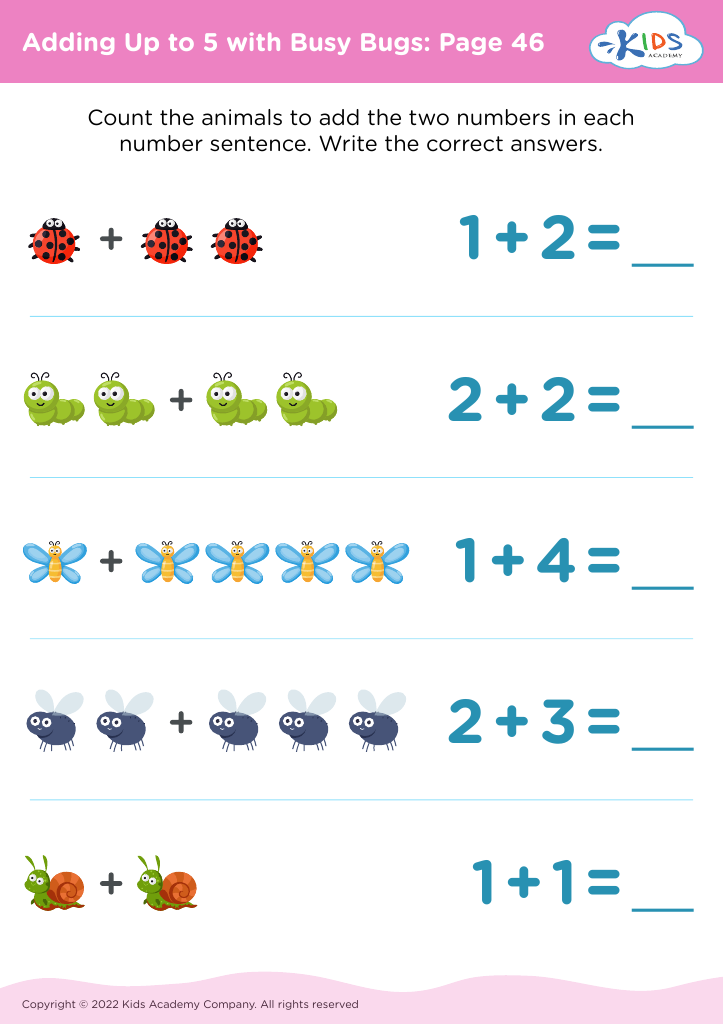
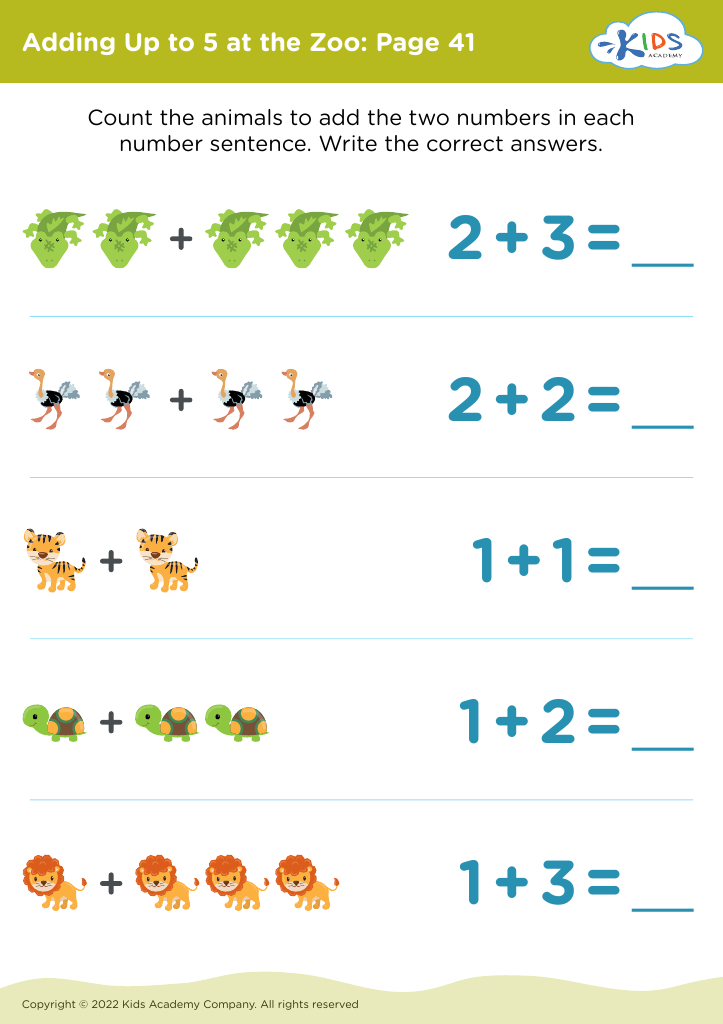
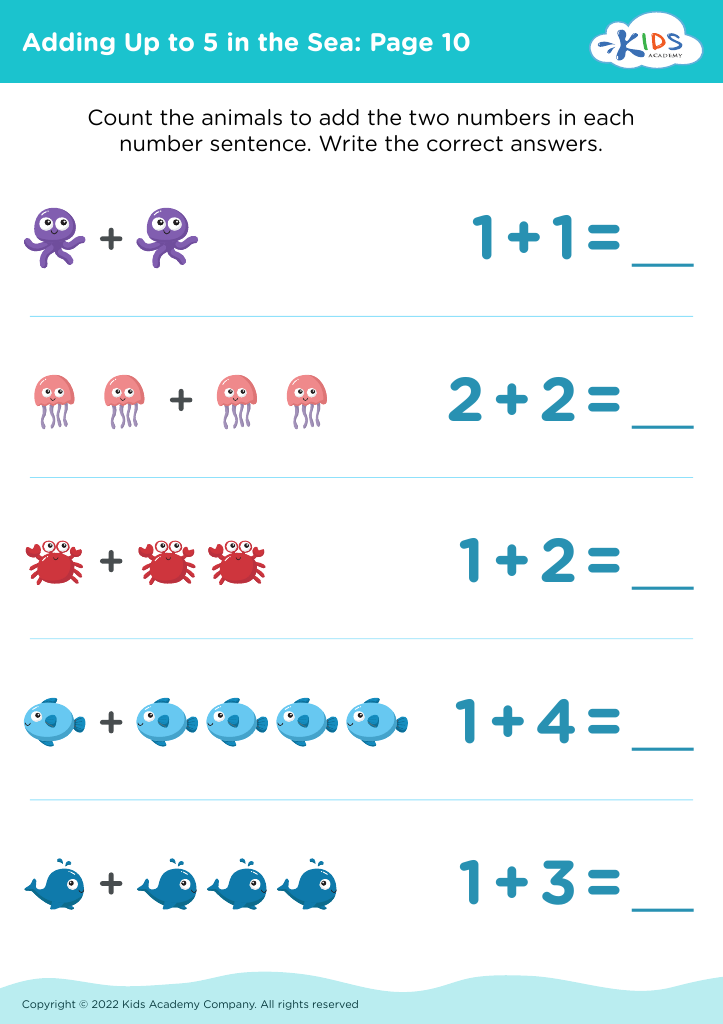
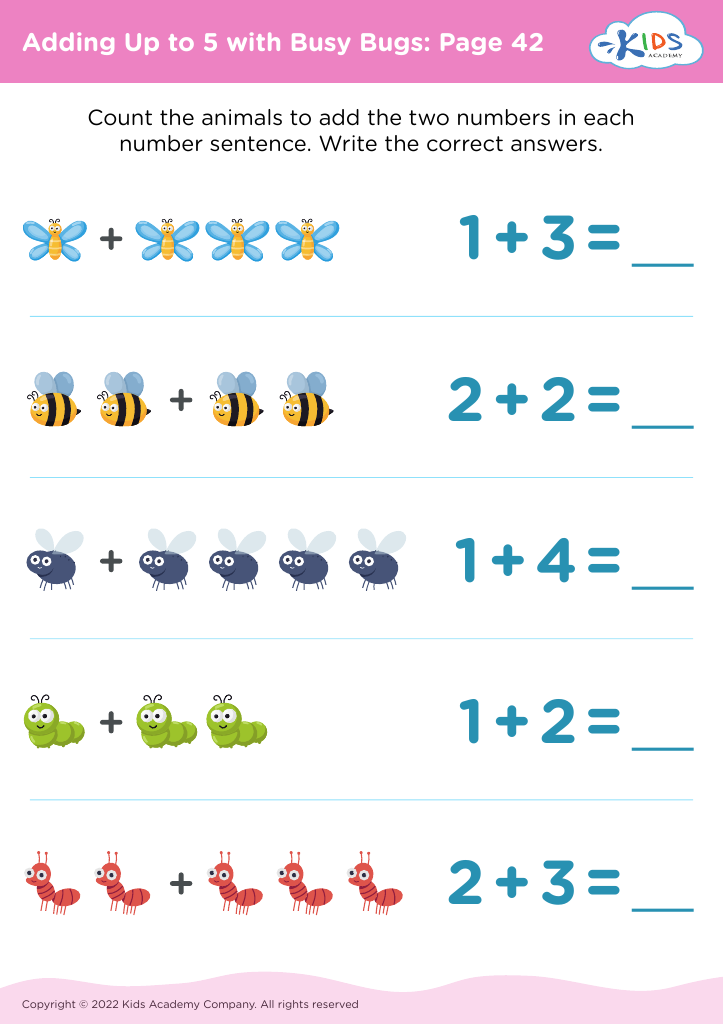
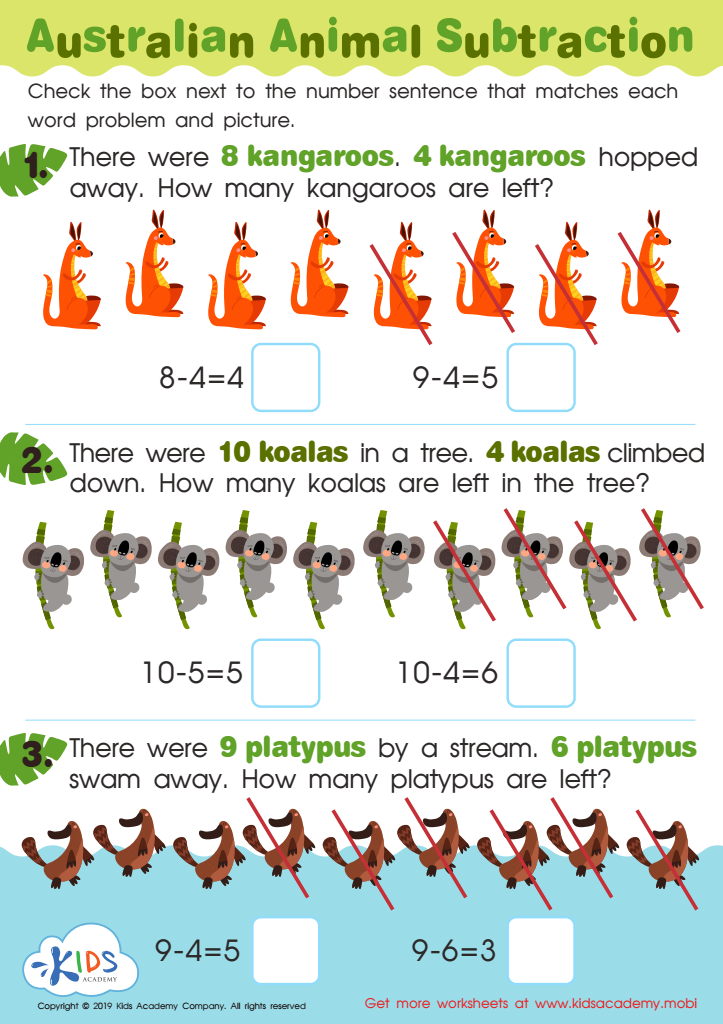
Australian Animal Subtraction Worksheet








Cognitive development during early childhood, particularly in areas such as addition and subtraction, is crucial for laying the foundation for future math skills. For children aged 3-4, the development of these skills isn't just about numbers; it fosters critical thinking, problem-solving, and logical reasoning. Engaging young learners in basic mathematical concepts through playful activities helps stimulate their cognitive abilities and enhances their overall learning experiences.
Parents and teachers play a pivotal role in encouraging this cognitive development. Introducing addition and subtraction in a fun and interactive way nurtures a child's natural curiosity and interest in math. Activities such as counting objects, using toys for simple addition problems, or incorporating everyday situations—like sharing snacks—lead to meaningful learning experiences.
Moreover, understanding basic math concepts at this age sets up children for future academic success and increases their confidence in handling more complex mathematical challenges as they grow. By prioritizing cognitive development in addition and subtraction, caregivers reinforce not only essential math skills but also the enjoyment of learning, creating a positive relationship with education that lasts a lifetime. Thus, fostering these skills is essential for optimal growth and lifelong learning.








