
Basic Math Skills Comparison Worksheets for Ages 3-4
3 filtered results
Difficulty Level
Grade
Age
-
From - To
Subject
Activity
Standards
Explore our "Basic Math Skills Comparison Worksheets" designed specifically for ages 3-4! These engaging, printable worksheets help young learners understand essential concepts such as more vs. less, big vs. small, and matching quantities. By integrating colorful visuals and playful themes, our worksheets make early mathematics fun and interactive. Perfect for homeschooling or classroom use, they promote critical thinking and foundational math skills. Watch your little ones enhance their cognitive abilities while building confidence in their mathematical understanding. Download our worksheets today and give your child a head start on their math journey! Ideal for preschool and kindergarten readiness.
Favorites
With answer key
Interactive
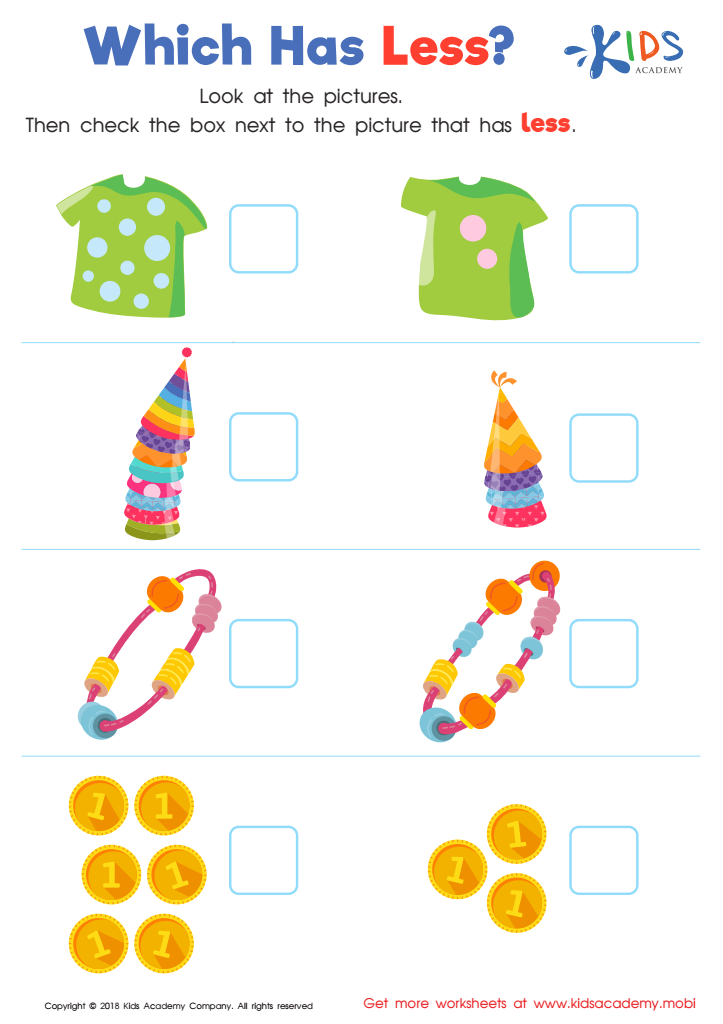
Which Has Less? Worksheet
Kids can develop their number sense by comparing and contrasting objects to identify which has less. This worksheet helps them practice: it's bright and colorful, featuring familiar objects and pictures to count, strengthening basic counting skills. It's the perfect warm-up for comparing and contrasting larger numbers.
 Assign to My Students
Which Has Less? Worksheet
Worksheet
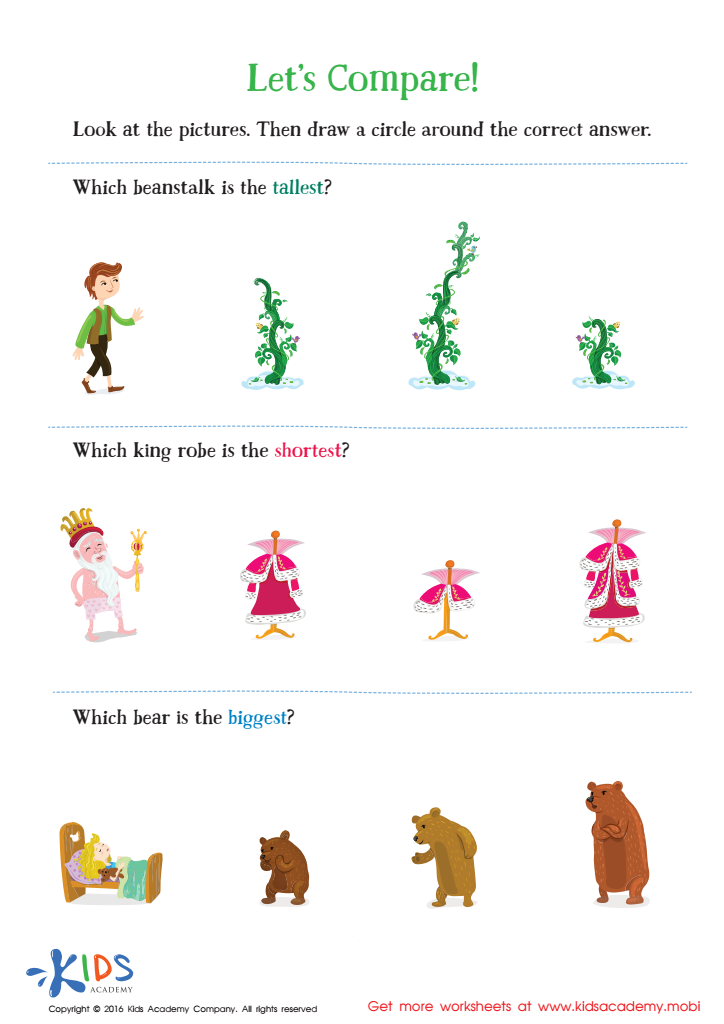
Fairy Tale Worksheet: Let's Compare
Preschoolers need to recognize different sizes of objects. This worksheet combines fun fairy tales with size practice, helping them read, problem solve, and sort through pictures. Your child will love the images and be eager to complete it. Enhance their learning by talking about the tales to build comprehension.
Fairy Tale Worksheet: Let's Compare
Worksheet
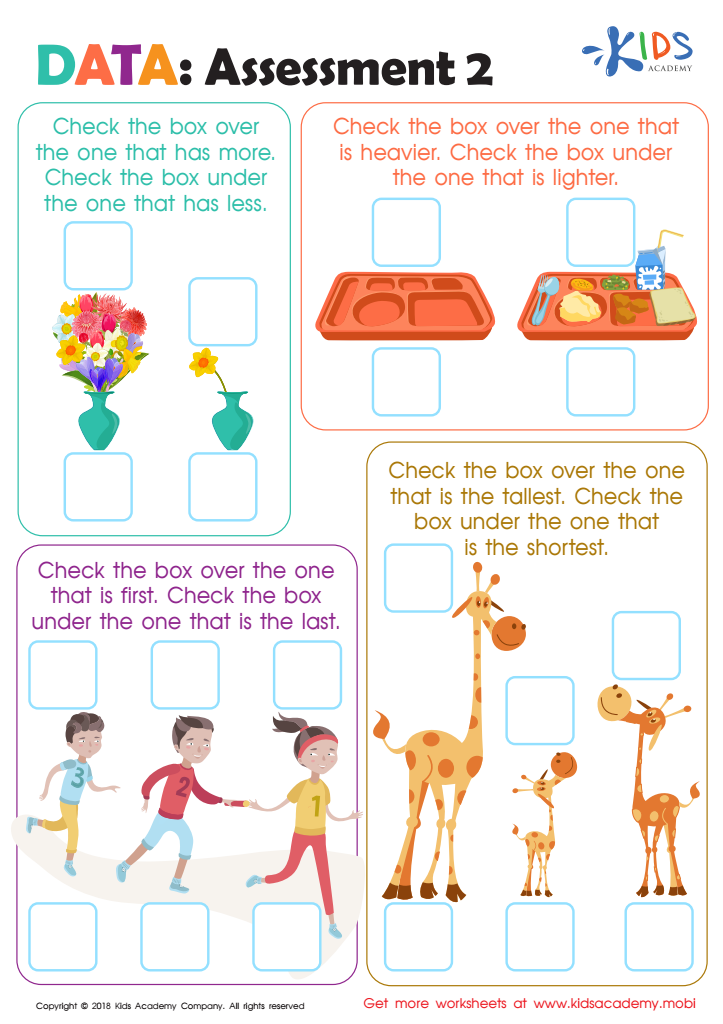
Data: Assessment 2 Worksheet
This printable worksheet tests students' understanding of words related to quantity and measurement, such as "more", "less", "heavy", "light", "first", "last", "tall", and "short". It helps children compare and contrast when solving measurement problems. Ideal for math classes, it encourages students to gain the essential skills needed in subjects like math, science, and reading.
Data: Assessment 2 Worksheet
Worksheet
Join Kids Academy for Free
Who is primarily going to use this learning content?


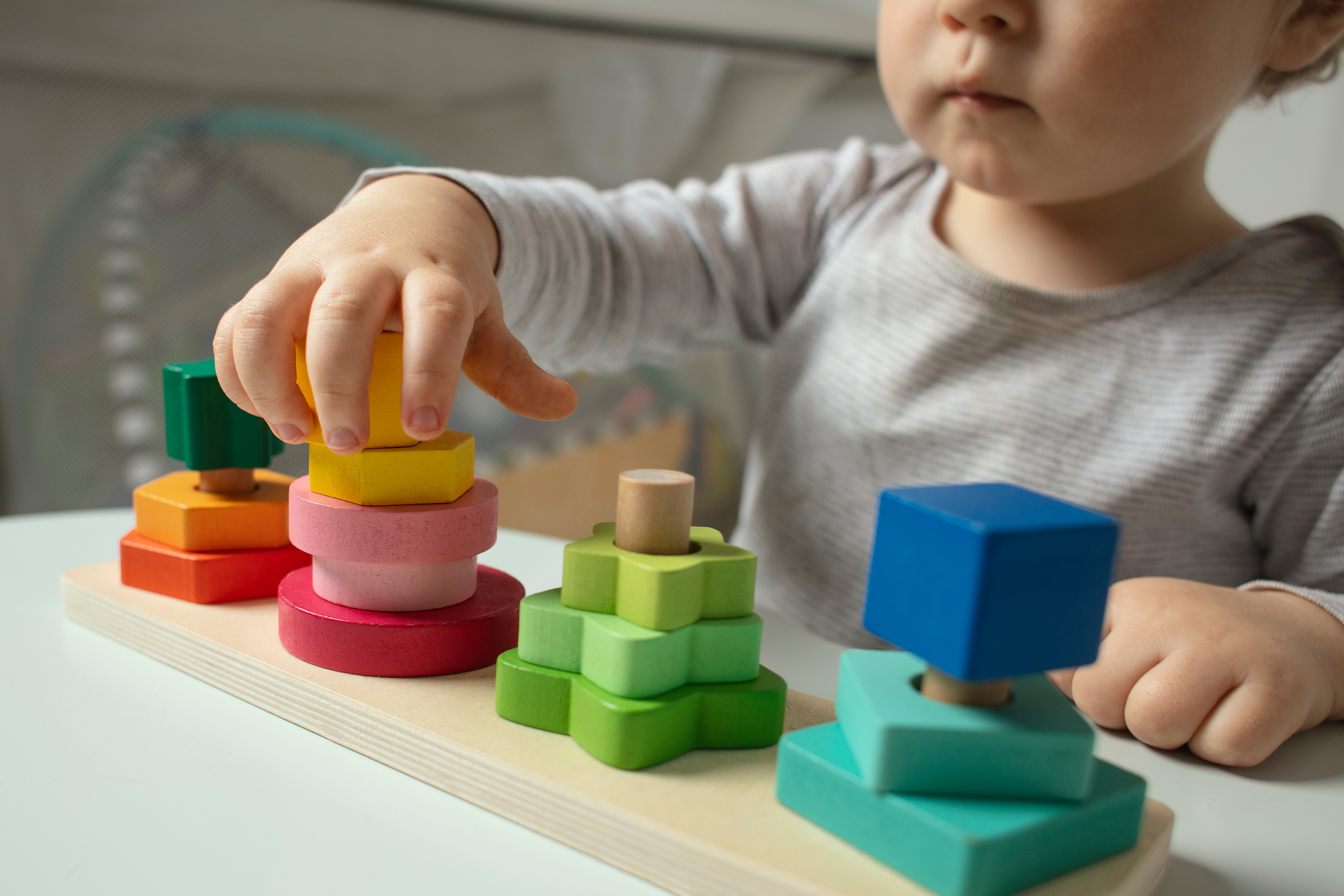



Understanding basic math skills for ages 3-4 is crucial for parents and teachers as this developmental stage lays the foundation for a child's future academic success. During these early years, children begin to grasp concepts like counting, number recognition, and basic operations through engaging activities and play. This foundational knowledge is vital, as it shapes their mathematical understanding and problem-solving abilities later on.
Moreover, early math skills help develop critical cognitive abilities, such as logical reasoning and spatial awareness. When parents and teachers actively compare a child's math skills to expected developmental milestones, they can identify areas of strength and weakness. This comparison allows for the implementation of tailored educational strategies that cater to individual learning needs, fostering confident and capable learners.
Additionally, early math competence contributes to overall educational equity, ensuring that all children have an equal opportunity to thrive academically. By investing time and energy in nurturing these early math skills, caregivers and educators can positively influence a child’s self-esteem and enthusiasm for learning, paving the way for a lifelong engagement with mathematics. Therefore, recognizing and addressing the importance of basic math skills in young children is an invaluable aspect of nurturing their overall development and future potential.








