Reading comprehension Geometry Worksheets for Ages 3-4
4 filtered results
-
From - To
Introduce your little learner to the captivating world of shapes and reading with our "Reading Comprehension Geometry Worksheets for Ages 3-4." Designed to spark curiosity and love for learning, these engaging worksheets combine fun geometric exercises with simple reading tasks, improving both shape recognition and early reading skills. Each activity is thoughtfully created to develop critical foundational skills through playful interactions with common shapes and straightforward sentences. Watch as your child’s confidence soars while they explore basic geometry concepts embedded in delightful, age-appropriate reading comprehension exercises. Perfect for preschoolers beginning their educational journey with joy and excitement!
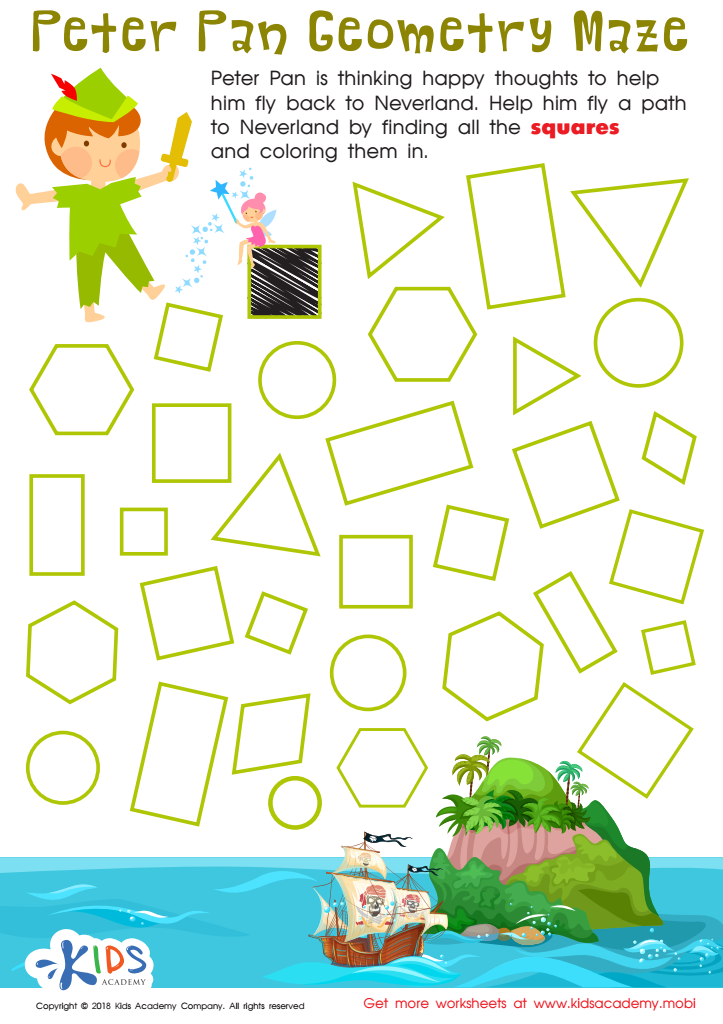
Peter Pan Worksheet
 Assign to My Students











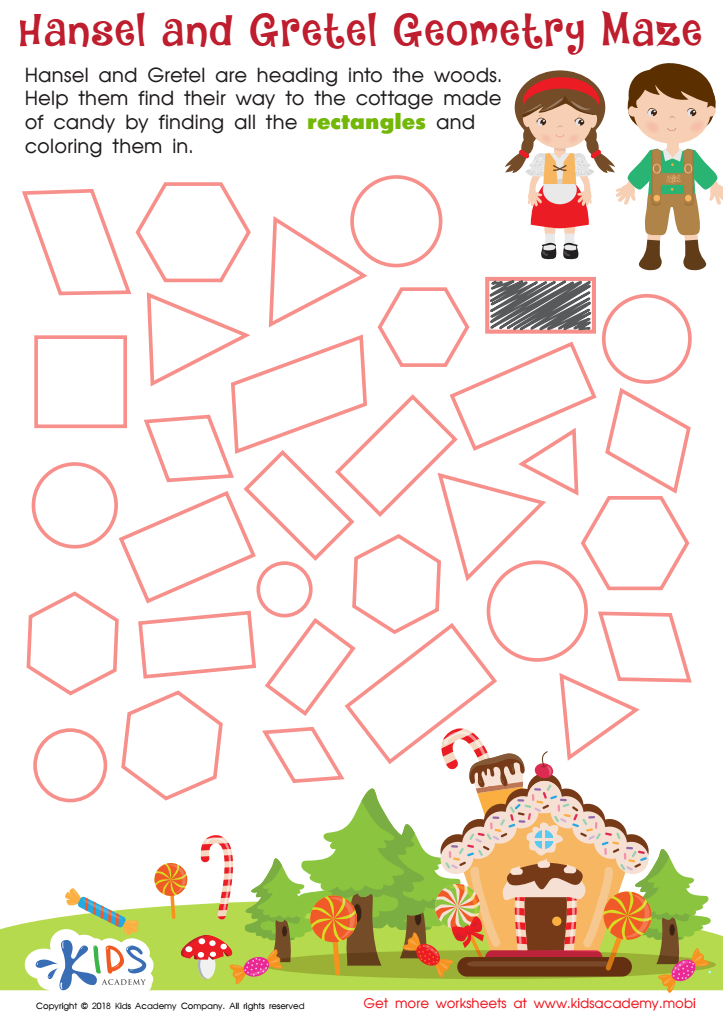
Hansel and Gretel Geometry Maze Worksheet
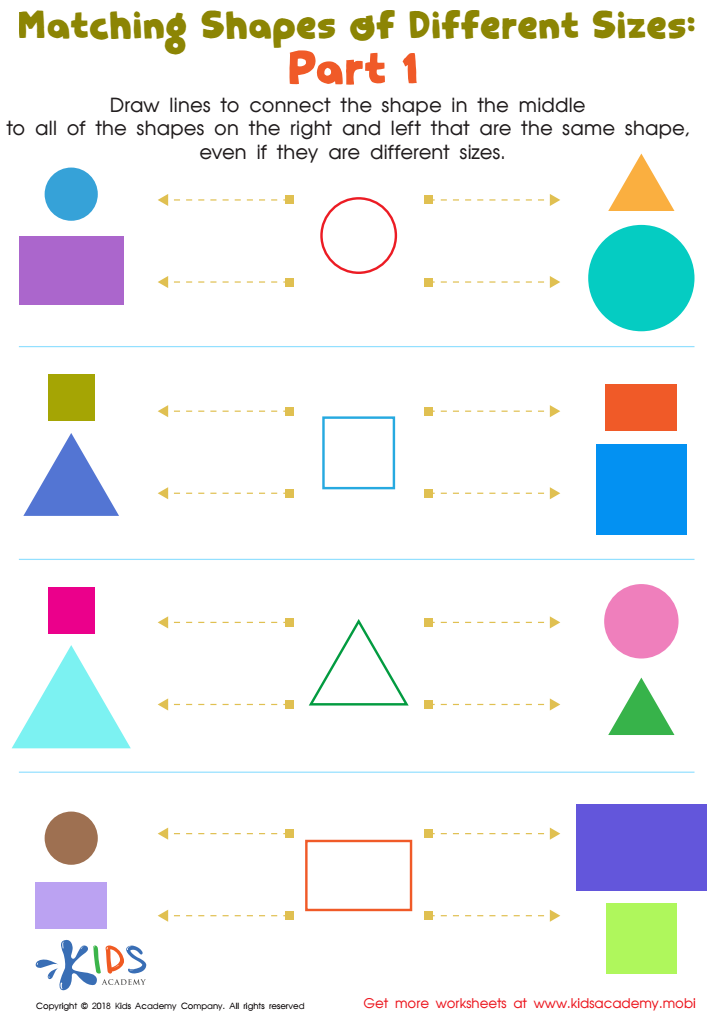
Geometry: part 1 Worksheet
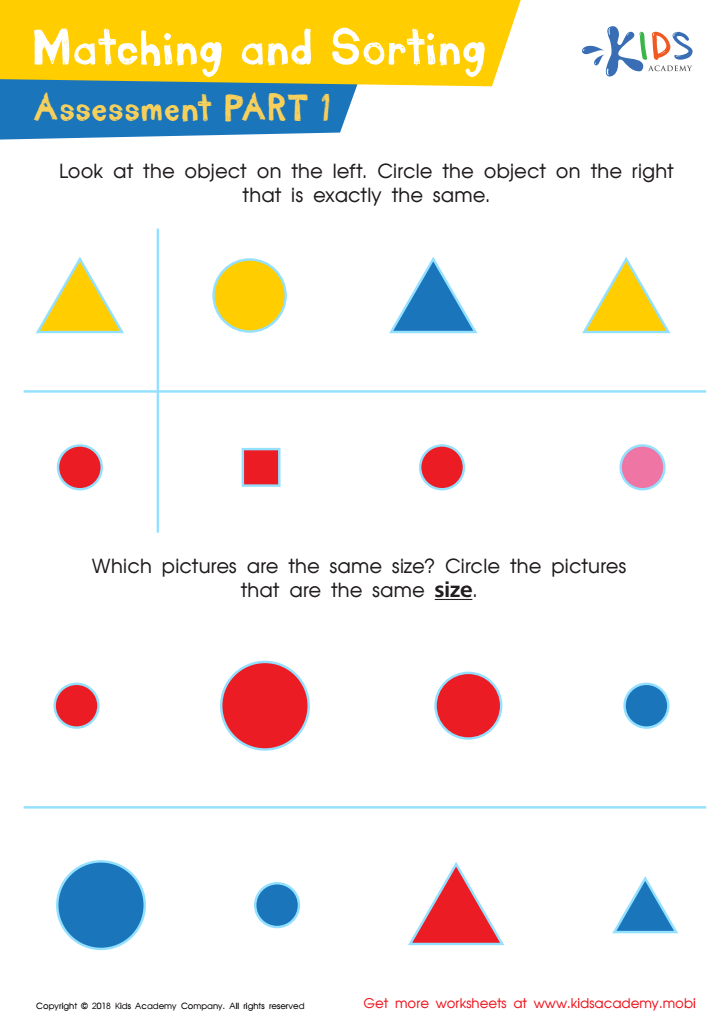
Matching and Sorting for Kindergarten: Assessment 1 Worksheet








Reading comprehension and early exposure to basic geometry are crucial skills for children ages 3-4, offering a foundation for future academic success. Teaching these skills at a young age may seem premature, but it’s essential for cognitive development and learning readiness.
Reading comprehension for toddlers goes beyond understanding stories. It encompasses recognizing words and pictures while making connections between them, which aids in language acquisition and vocabulary expansion. By engaging with stories, children learn sentence structures, sequence events, and predict outcomes, all of which improve their critical thinking skills.
Geometry, although seemingly complex, starts with the recognition and understanding of basic shapes and spatial relationships. When young children interact with shapes through play, puzzles, and drawing, they develop spatial awareness and problem-solving abilities. Identifying shapes and their properties lays the groundwork for future mathematical skills and also improves their ability to navigate the physical world.
Furthermore, these skills foster self-confidence as children successfully decode words and solve shape-related problems. Parents and teachers who emphasize reading comprehension and basic geometry are setting children up for smoother transitions into more formal education, where these skills are pivotal. Engaging young minds with stories and shapes enriches their learning experiences, fostering both intellectual and emotional growth.








