Cognitive Development Math Worksheets for Ages 3-4 - Page 2
156 filtered results
-
From - To
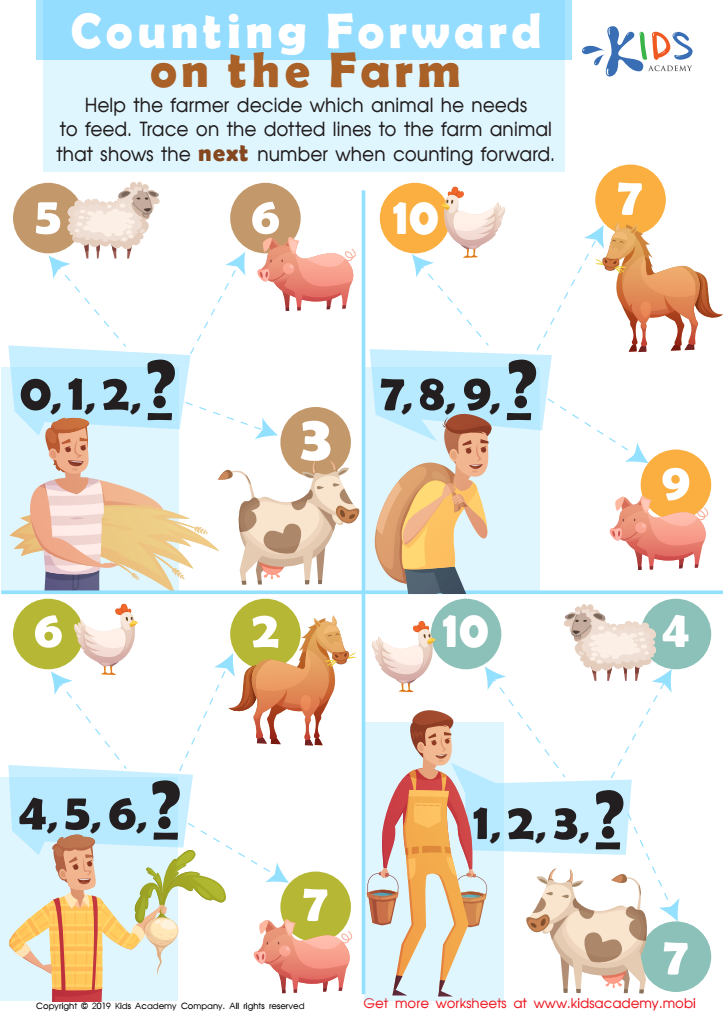
Counting Forward On the Farm Worksheet
 Assign to My Students
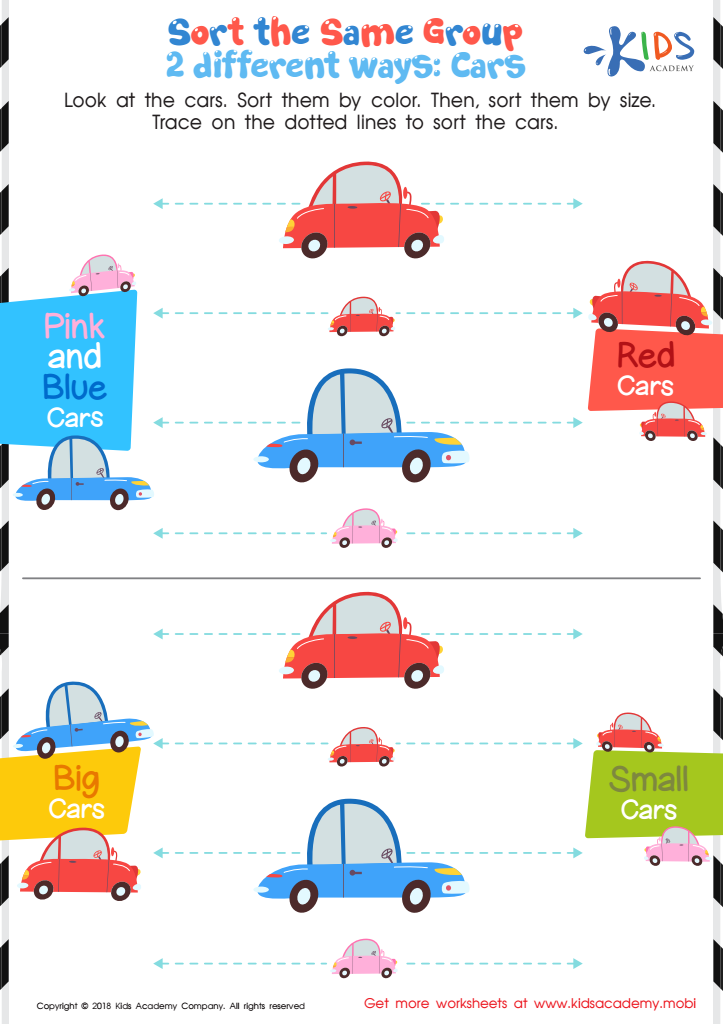
Sort the Same Group 2 Different Ways: Cars Worksheet
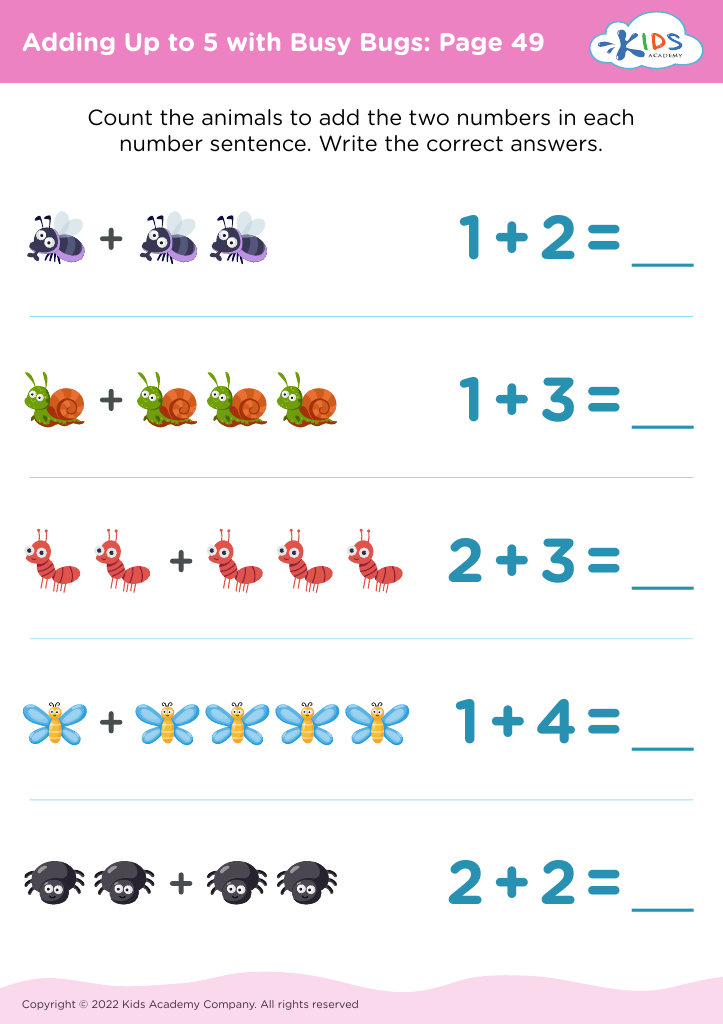
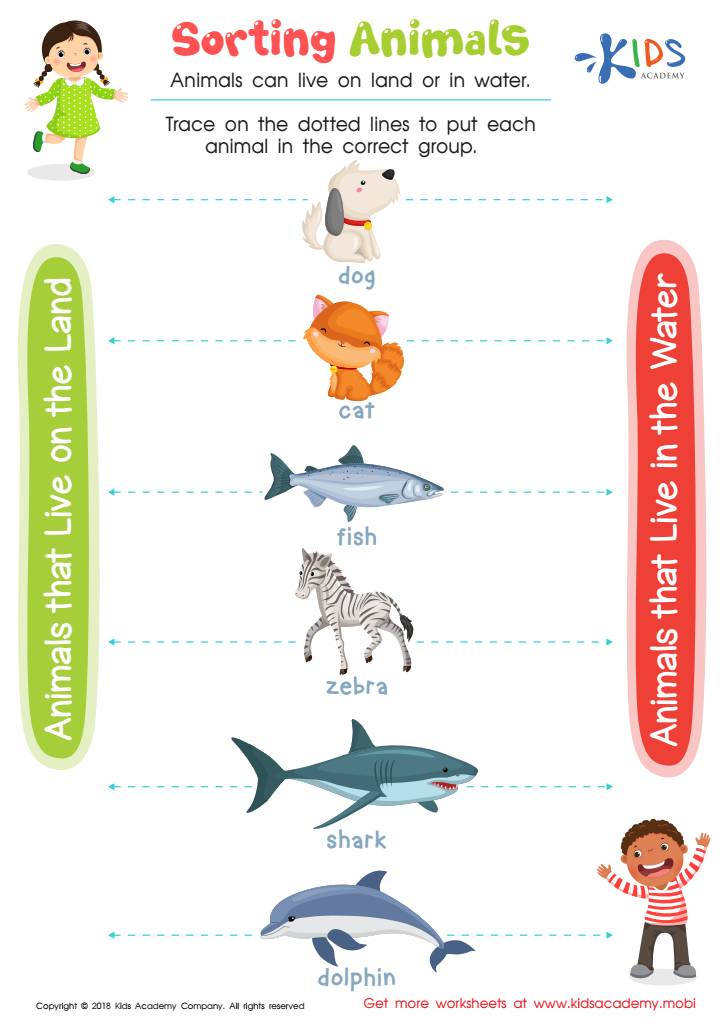
Sorting Animals Worksheet
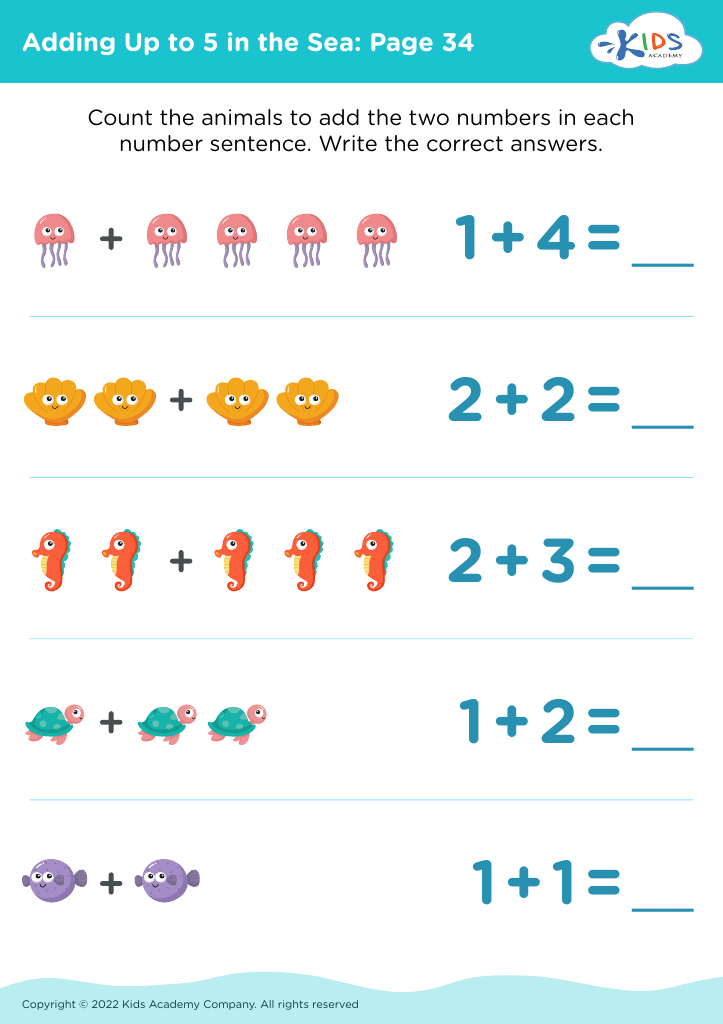
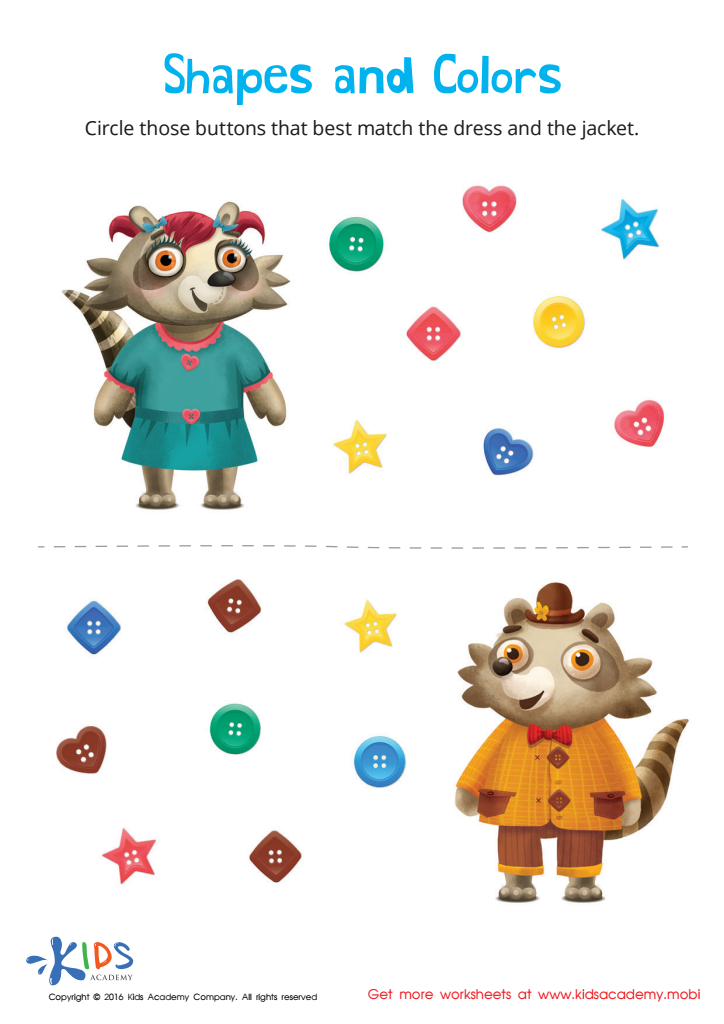
Matching: Shapes and Colors Worksheet
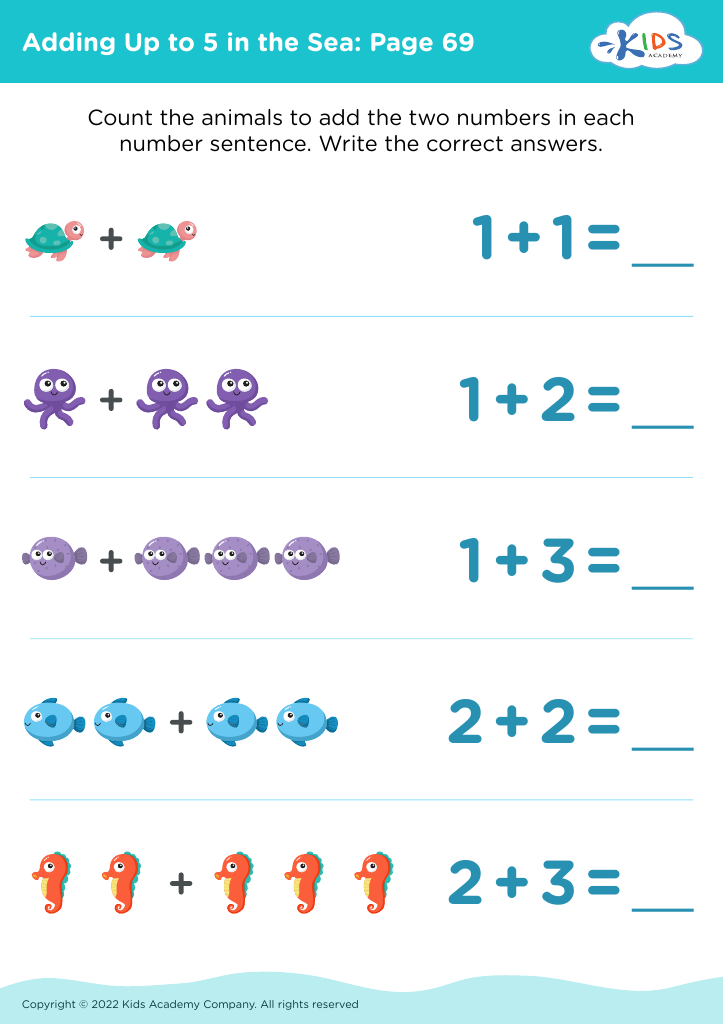
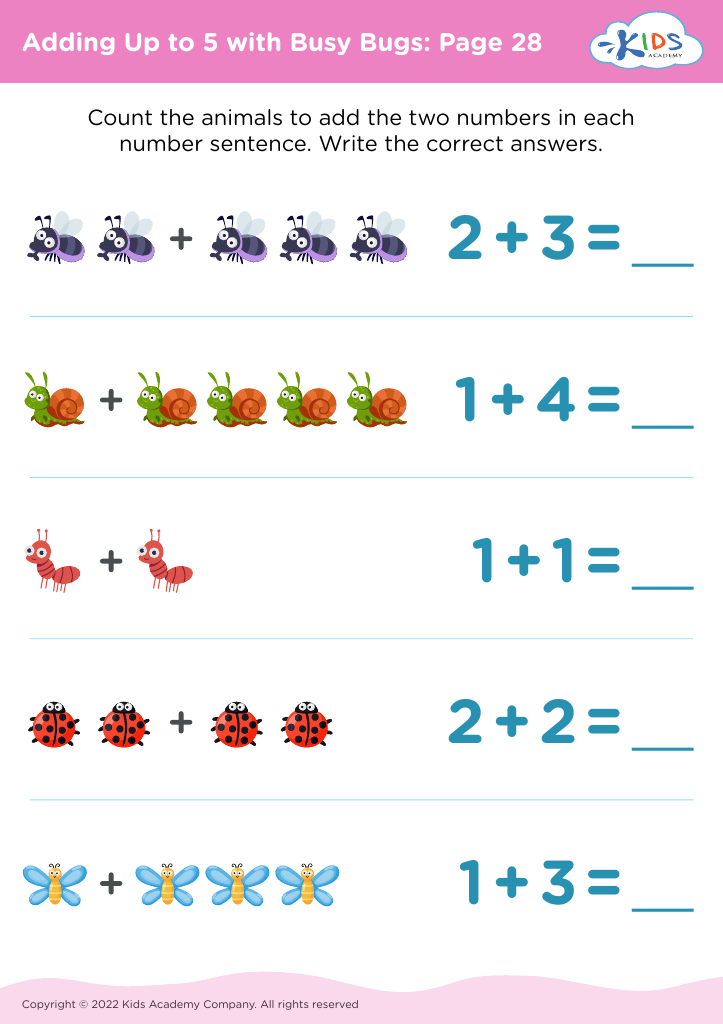
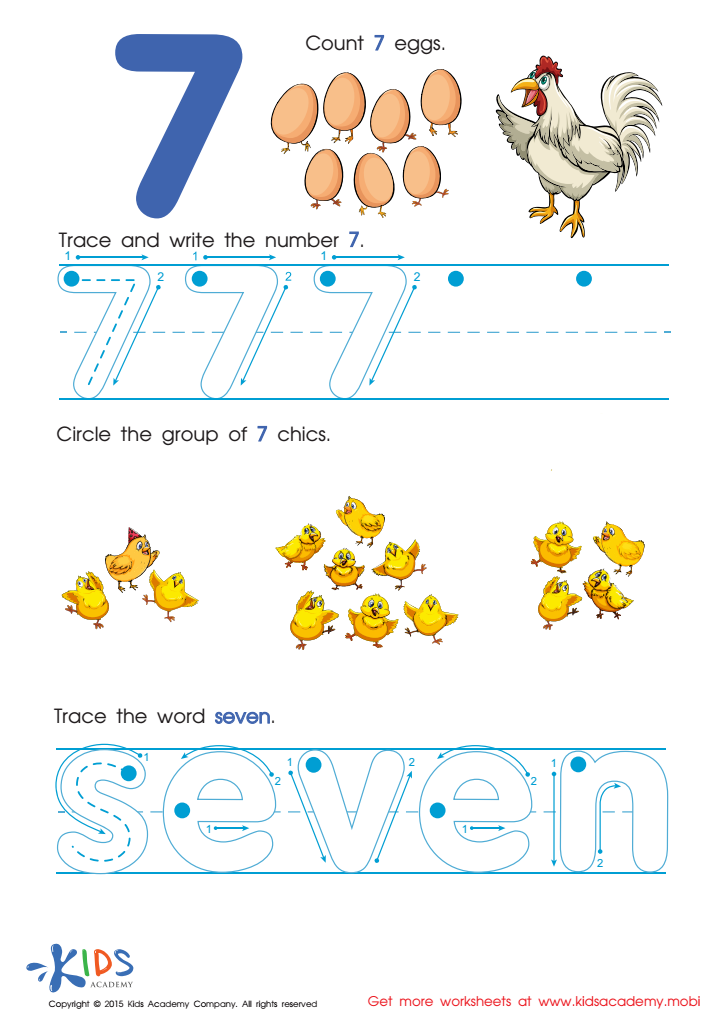
Trace And Write Number 7 with Fun Worksheet
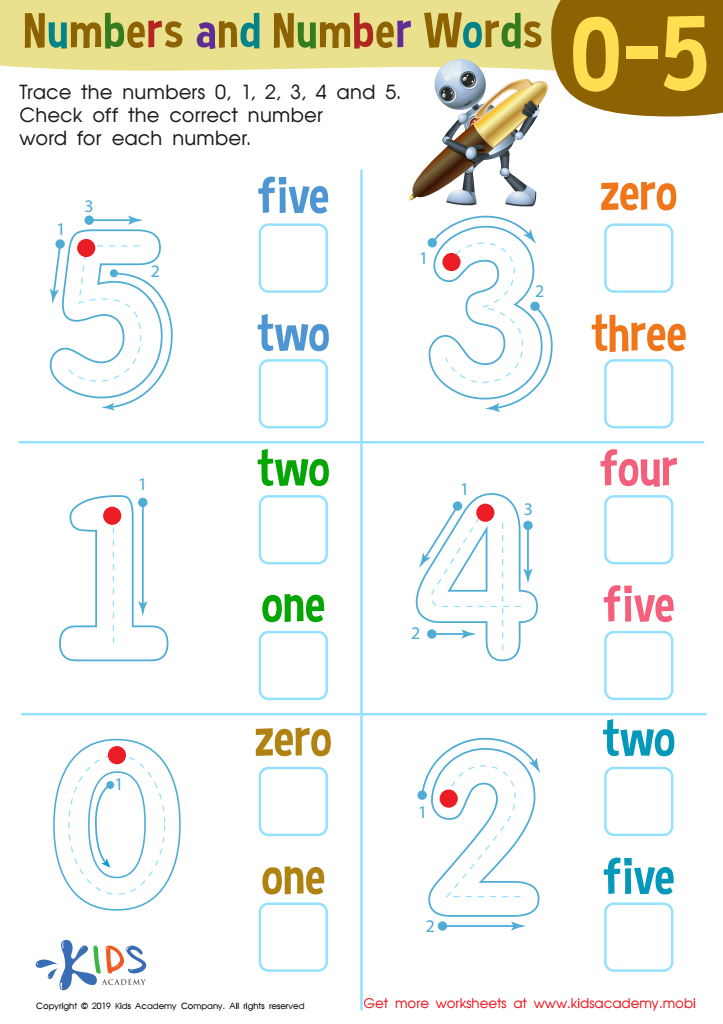
Numbers and Number Words Worksheet
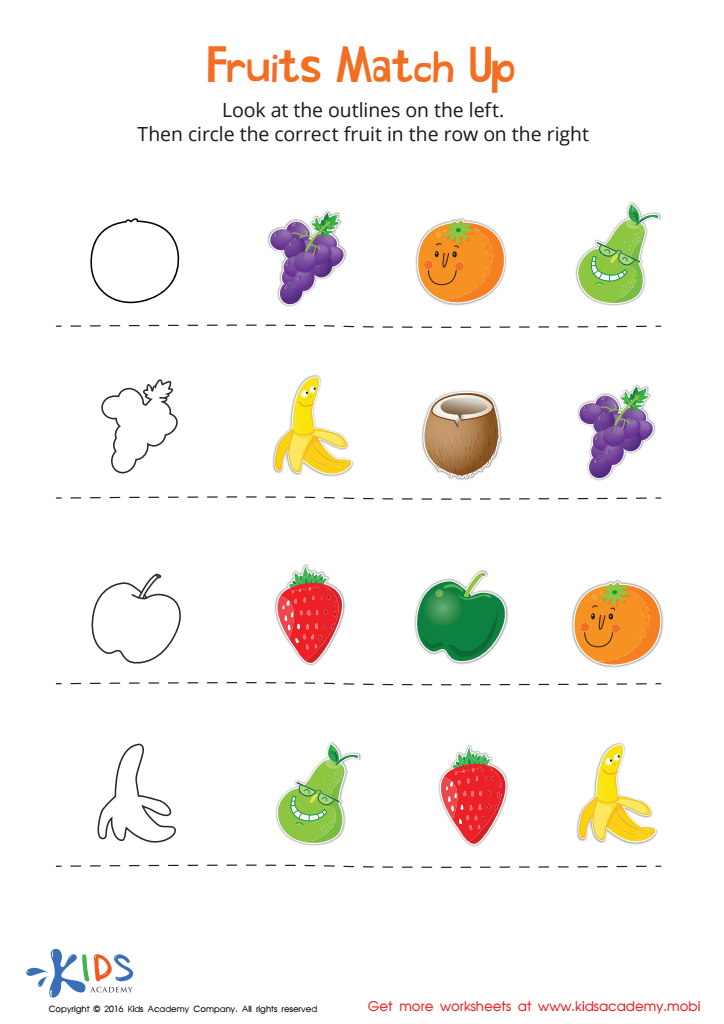
Fruits Match Up Worksheet
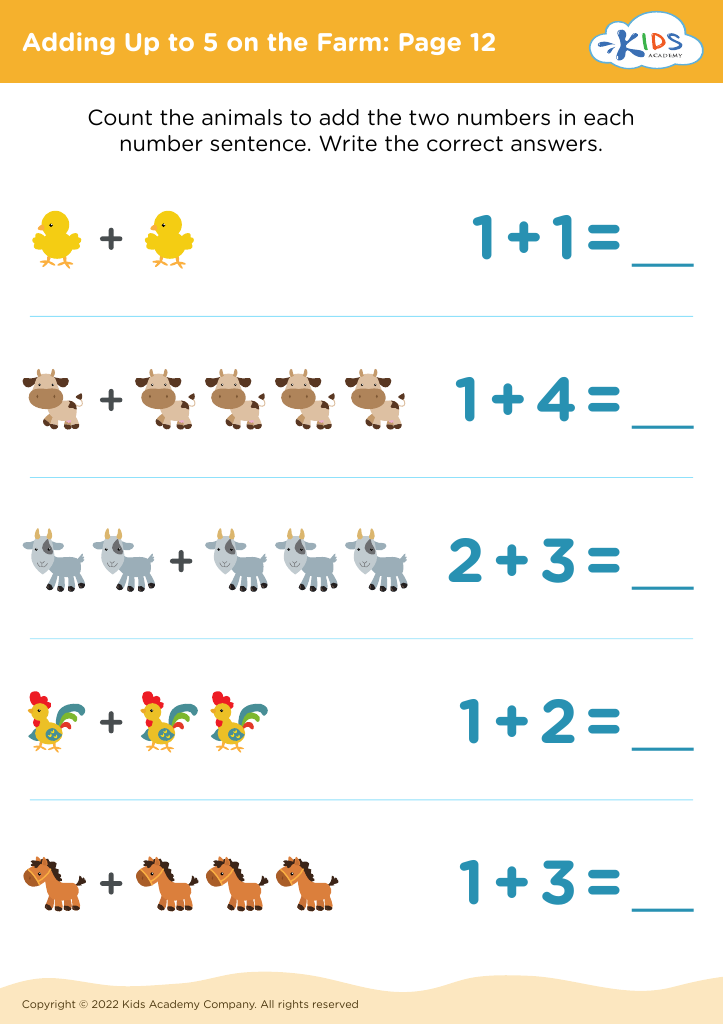
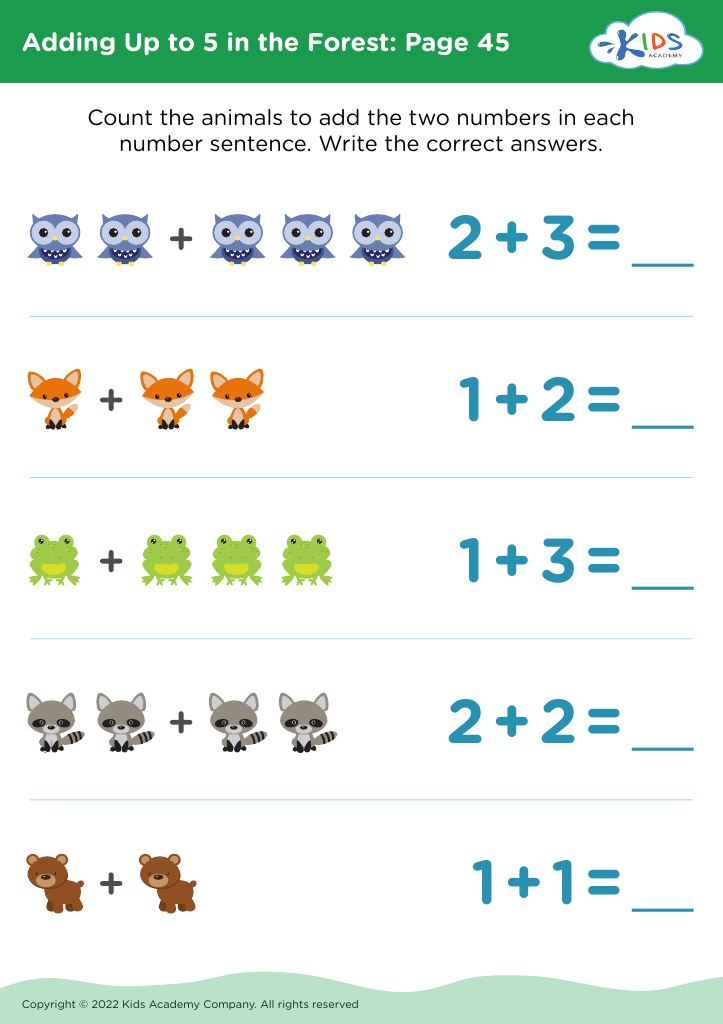
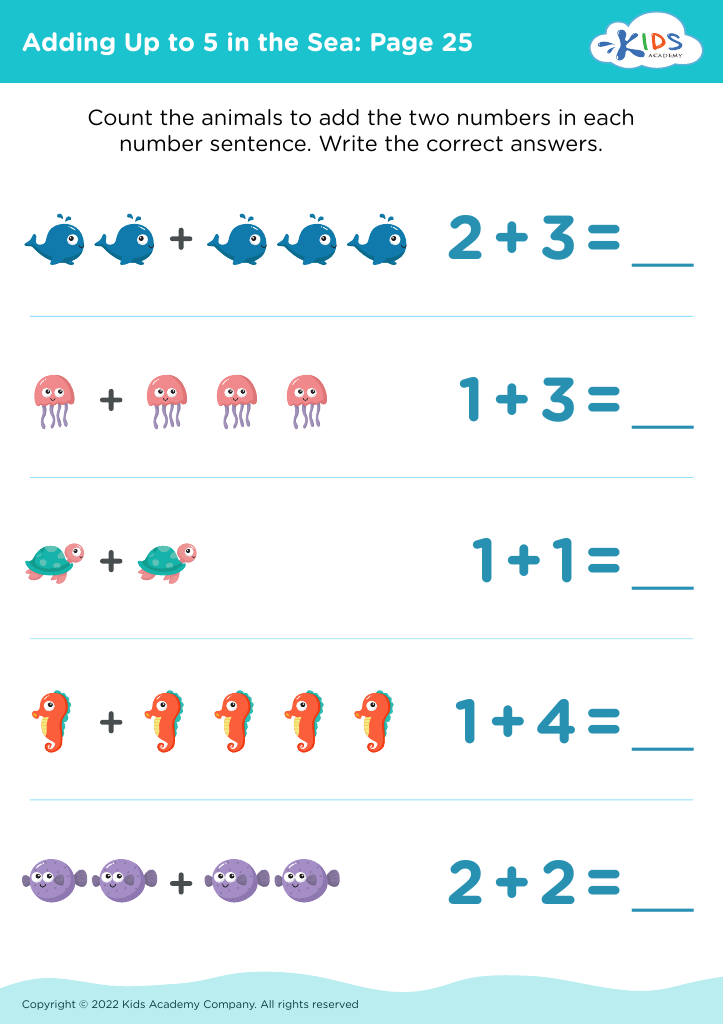
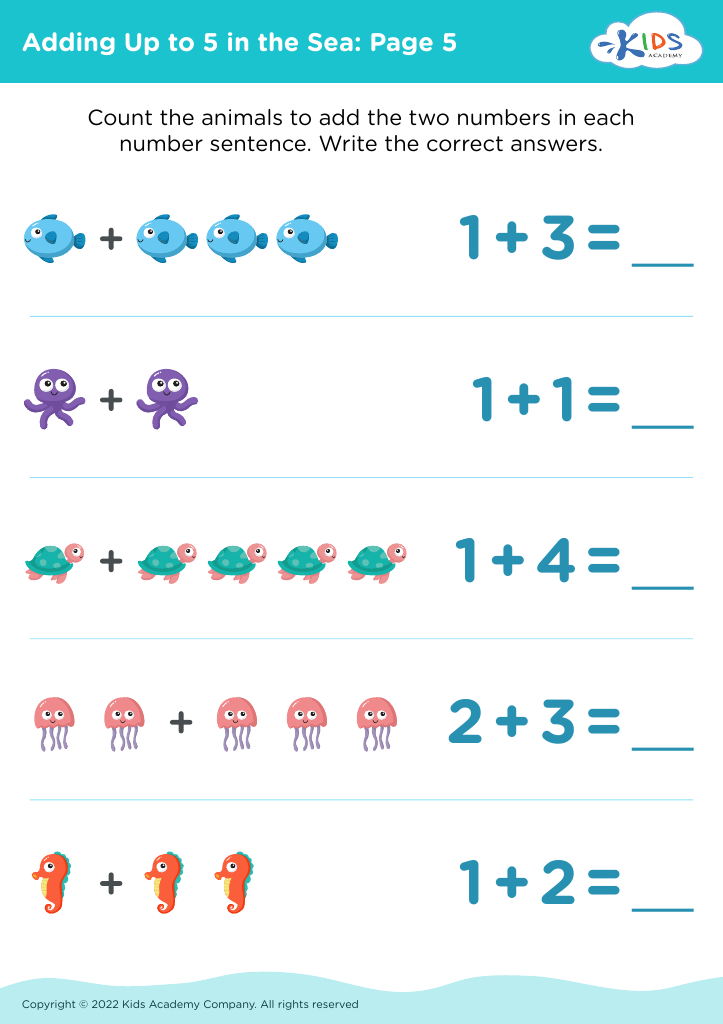
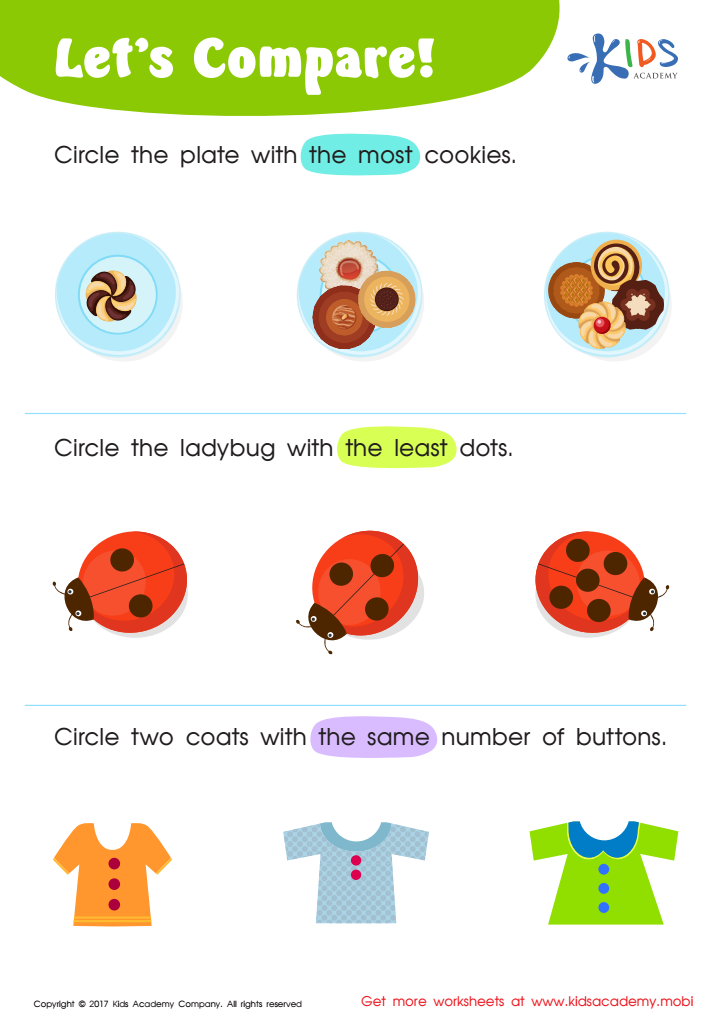
Matching: Classifying Toys by Size Worksheet
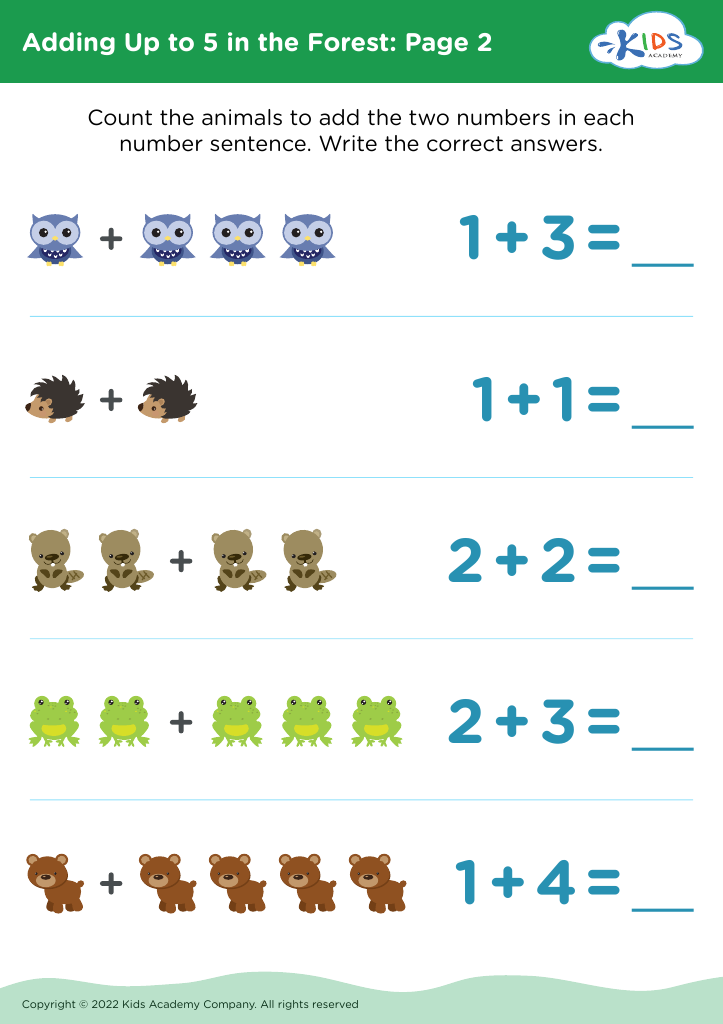
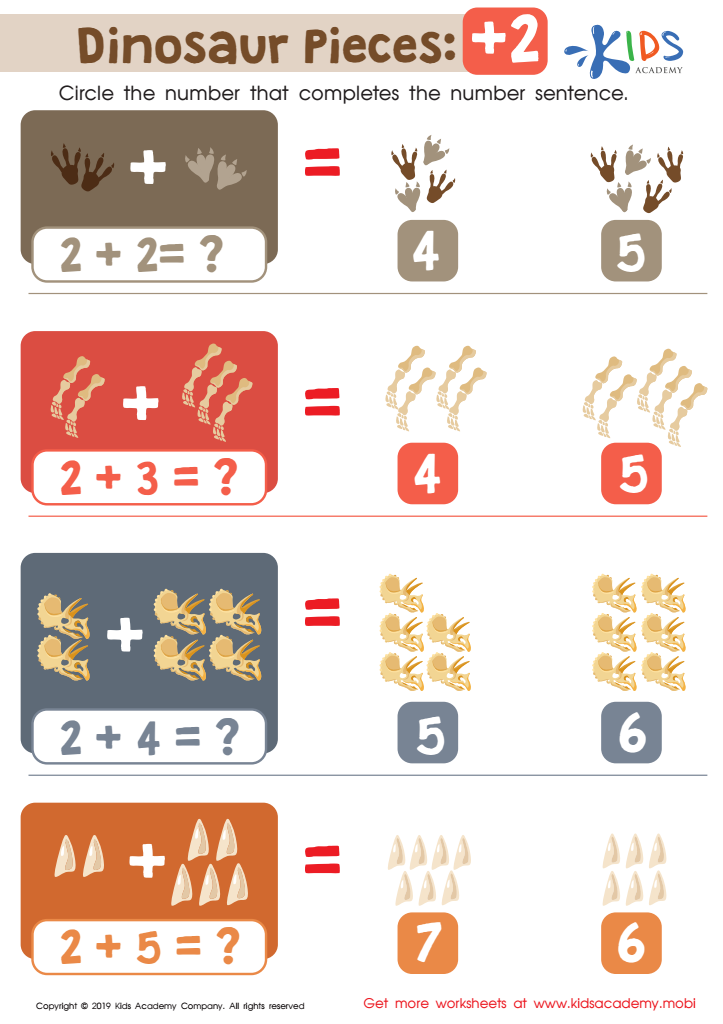
Dinosaur Pieces: +2 Worksheet





.jpg)


Cognitive development in math for children ages 3 to 4 is crucial because it lays the foundation for future learning and academic success. During this stage, children are introduced to basic mathematical concepts such as counting, recognizing numbers, and understanding simple shapes. Engaging in early math activities fosters critical thinking and problem-solving skills, promoting cognitive growth.
At this age, children are naturally curious and eager to make sense of the world around them. By integrating math into their daily play and routines, parents and teachers can enhance children's ability to classify objects, identify patterns, and understand quantities—skills essential for more complex mathematics later on. Additionally, early experiences with math can help reduce anxiety and build confidence in children as they face challenging subjects later in school.
Moreover, math is an everyday-life skill that impacts various aspects of a child's future, from academic performance to decision-making. By paying attention to cognitive development in math, parents and teachers promote a positive attitude toward learning, making it enjoyable and approachable. Ultimately, fostering early mathematical understanding equips children with valuable skills that will support their overall development and future educational endeavors.








