Spatial awareness Math Worksheets for Ages 3-4
12 filtered results
-
From - To
Enhance your child's early learning with our Spatial Awareness Math Worksheets tailored for ages 3-4. These engaging activities promote critical thinking, direction-following, and an understanding of spatial relationships through fun exercises designed just for preschoolers. From identifying shapes to following patterns, our expertly crafted worksheets support foundational math skills in a playful, interactive way. Perfect for both classroom and home use, they create a solid learning foundation while keeping young minds curious and eager to learn. Boost your child's spatial intelligence and set the stage for future math success with our carefully designed worksheets.
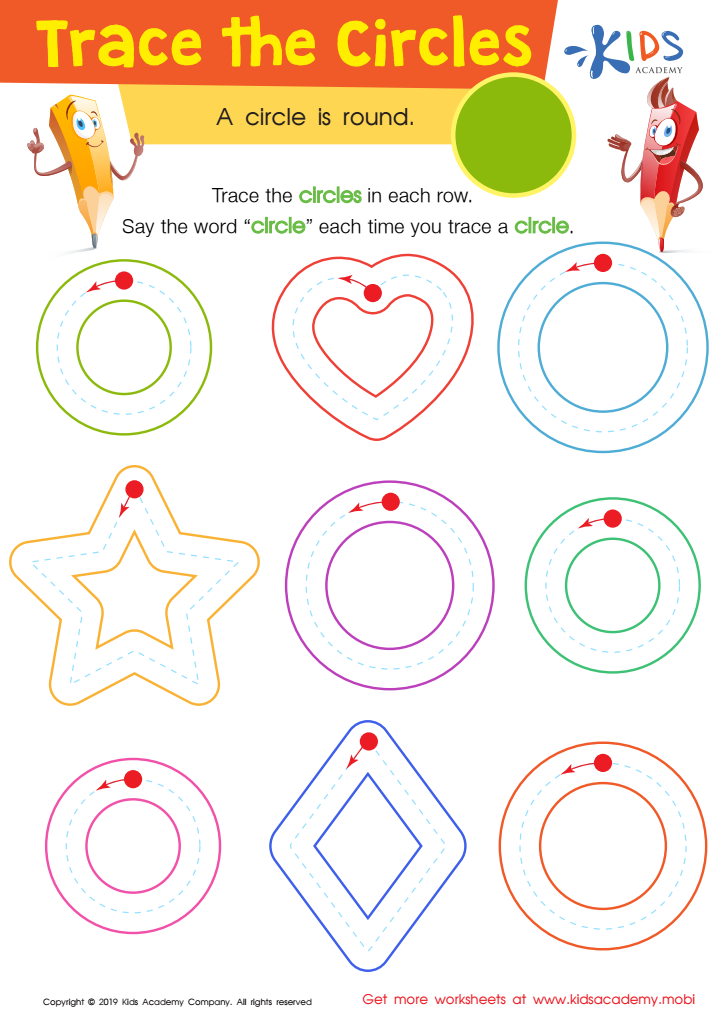
Trace The Circles Worksheet
 Assign to My Students
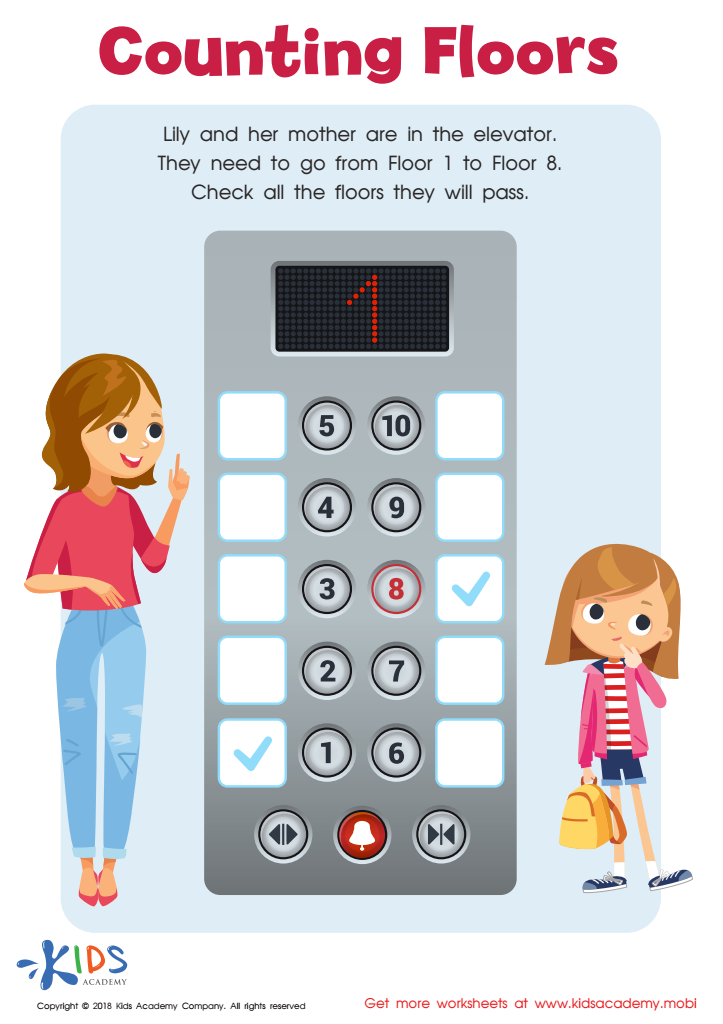
Counting Floors Worksheet
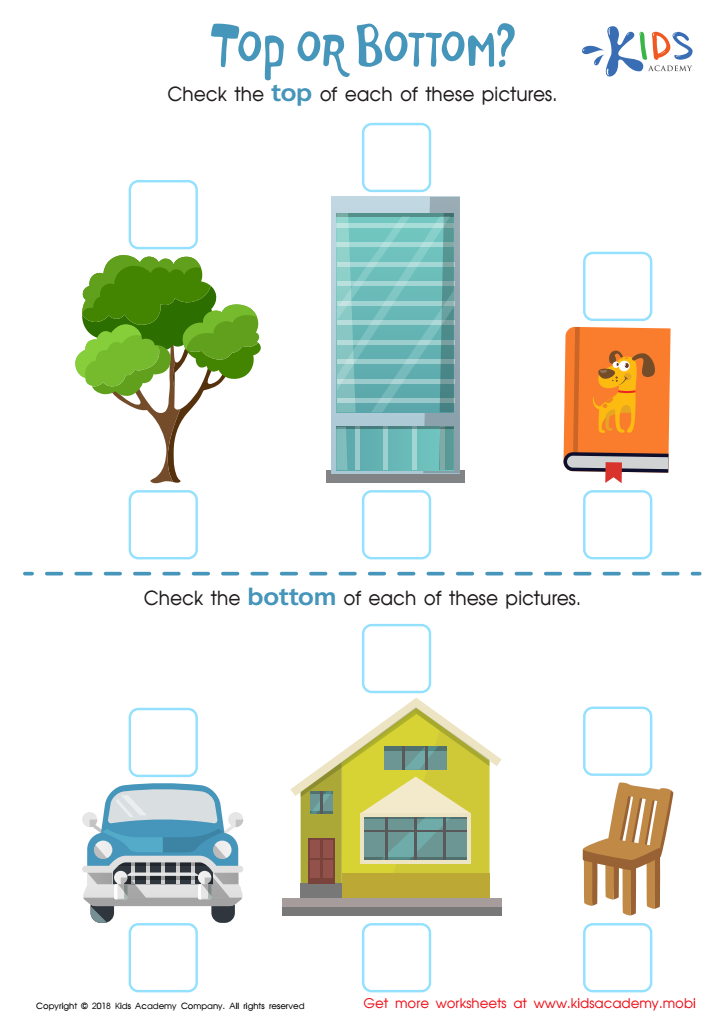
Top or Bottom Worksheet
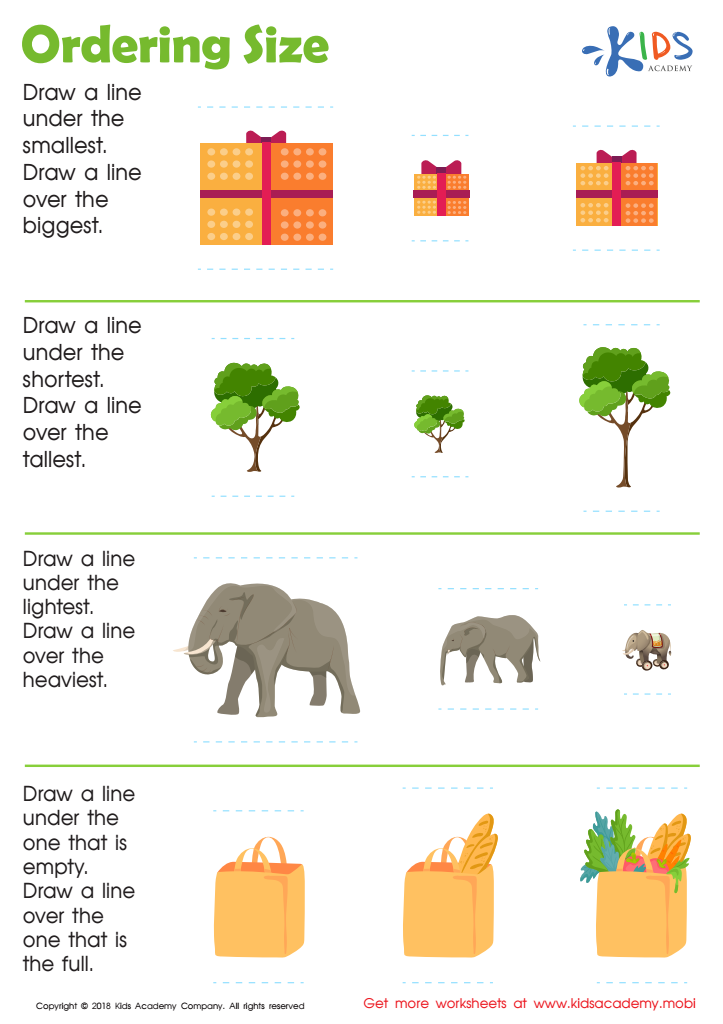
Ordering Size Worksheet
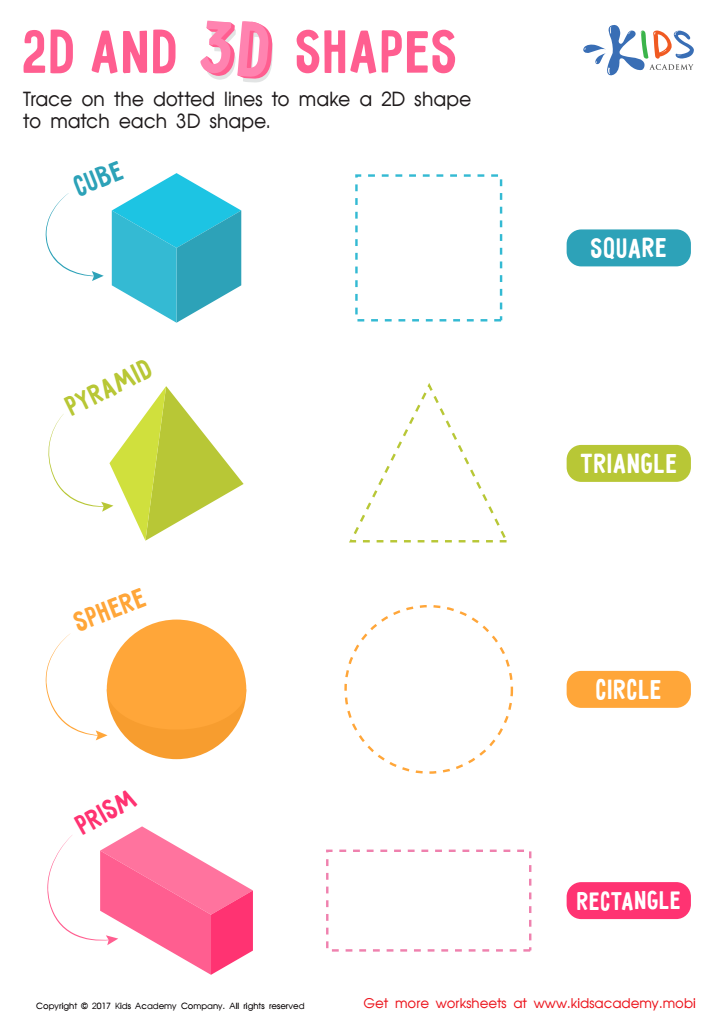
2D and 3D Shapes Worksheet
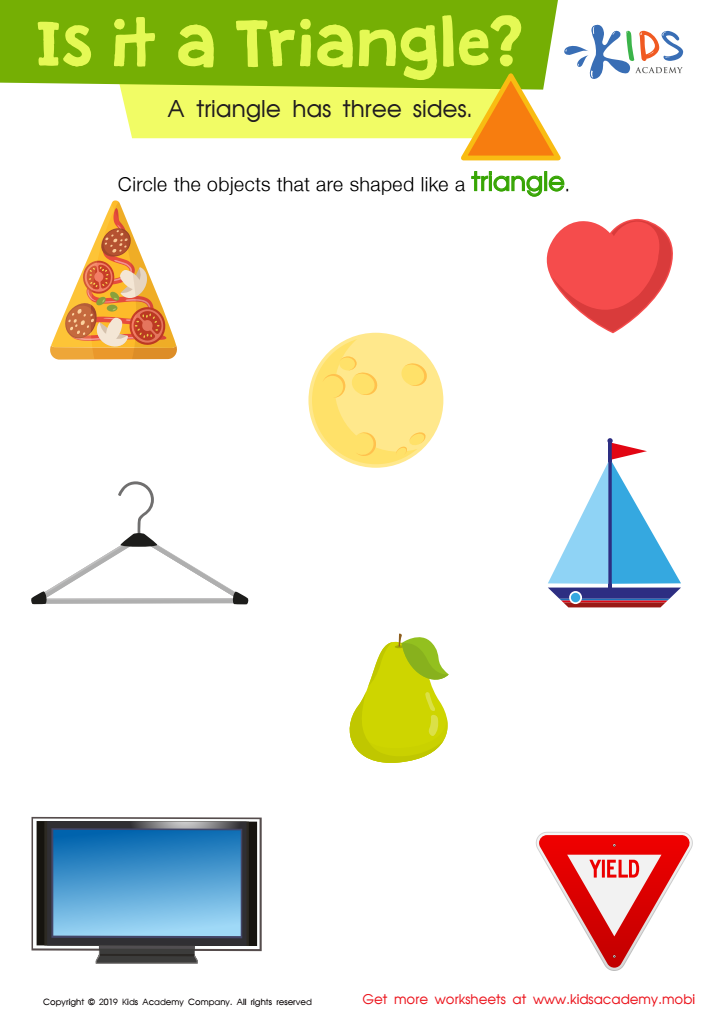
Is It a Triangle? Worksheet
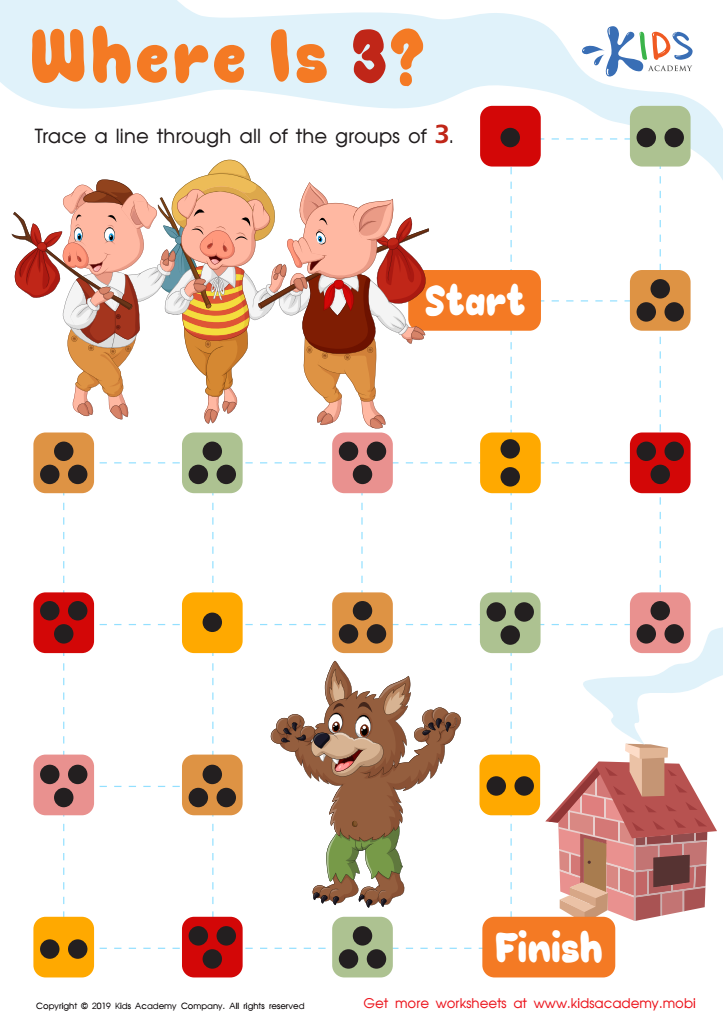
Where Is 3? Worksheet
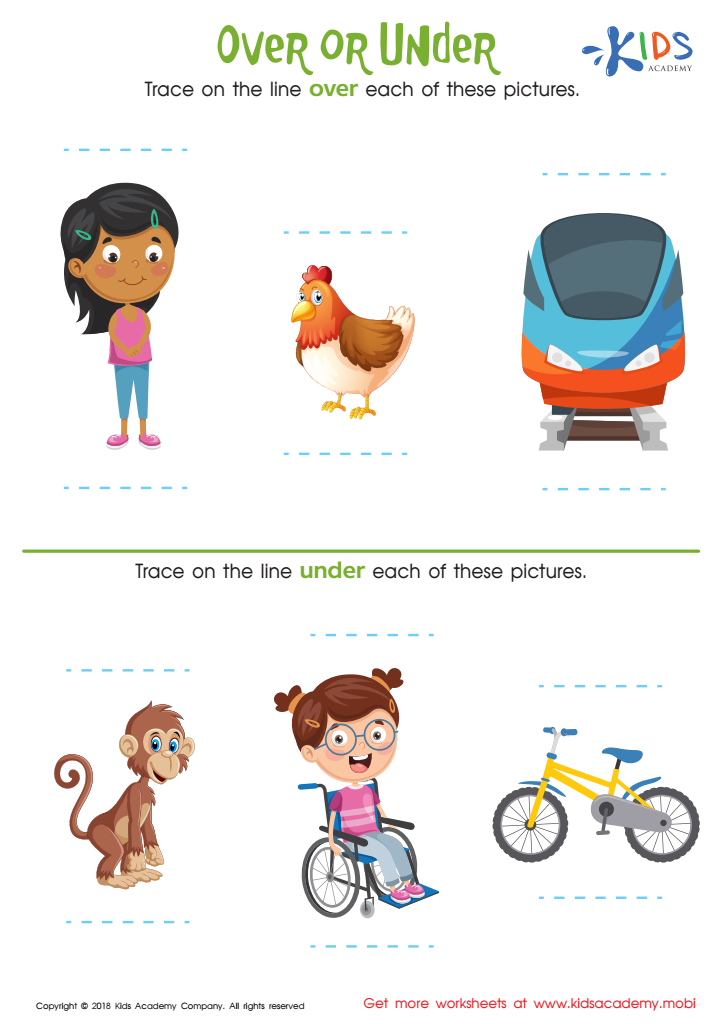
Over or Under Worksheet
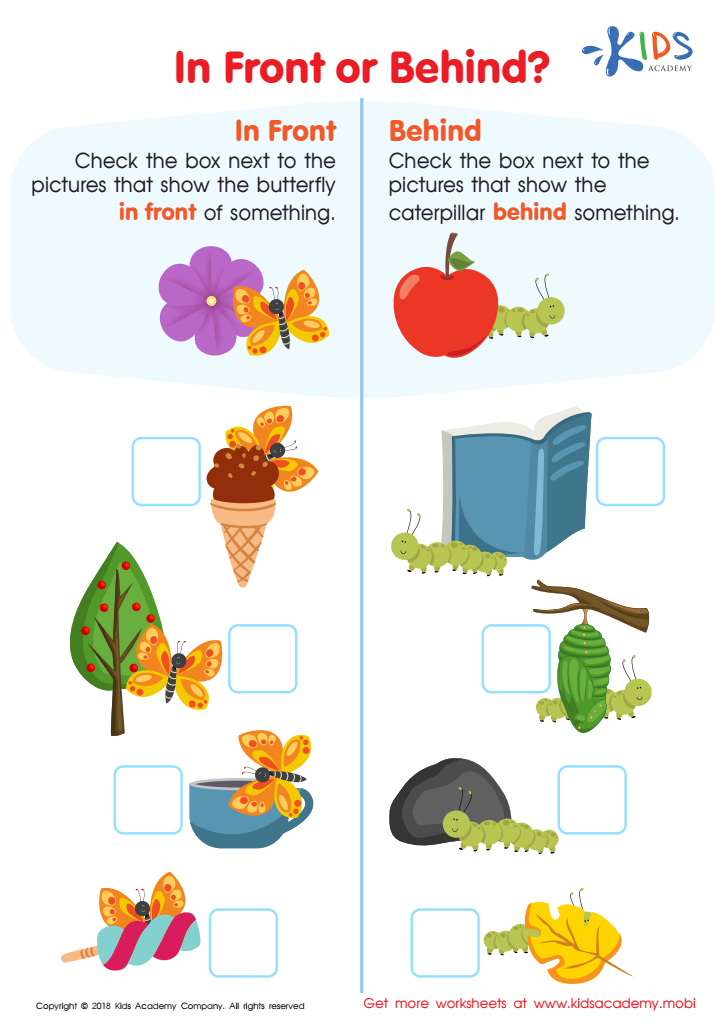
In Front or Behind Worksheet
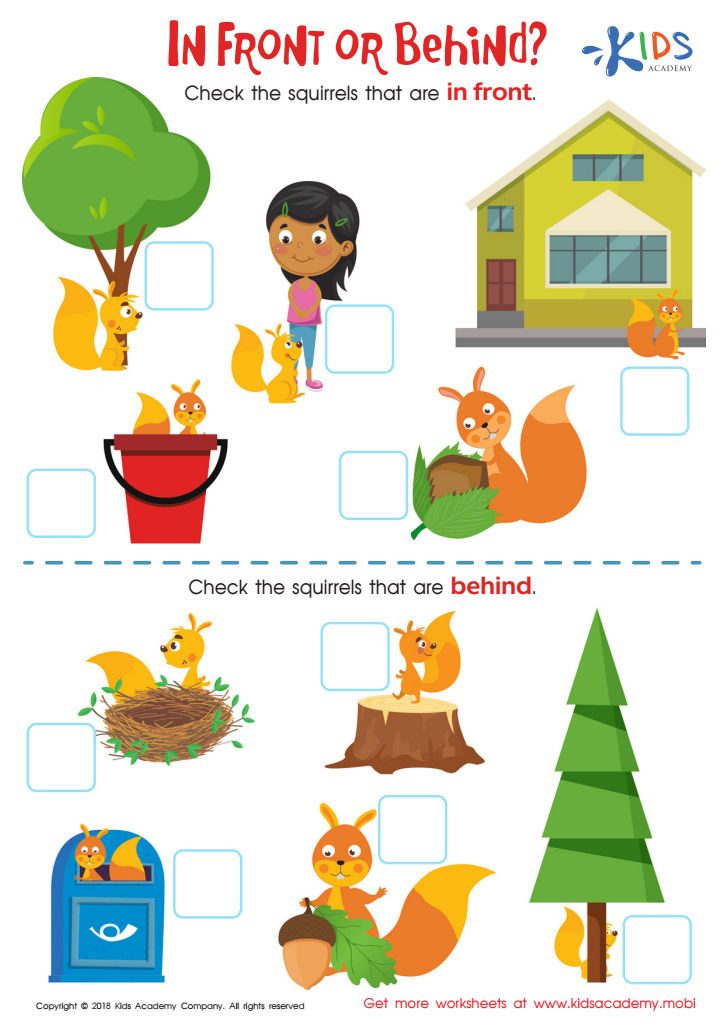
In Front or Behind: Part 2 Worksheet
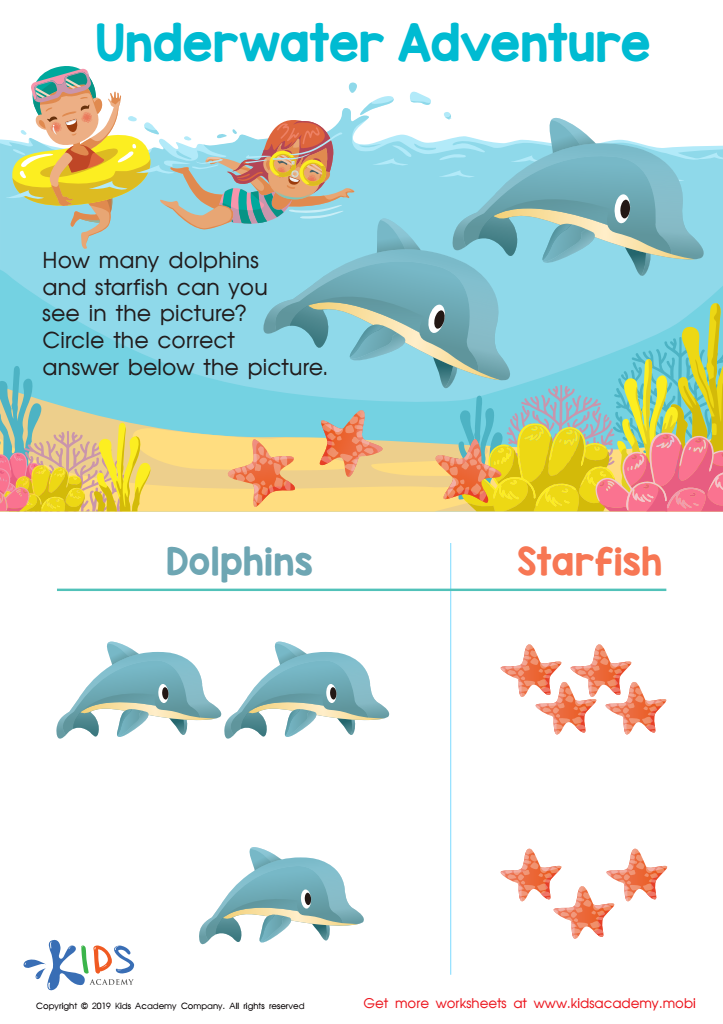
Underwater Adventure Worksheet
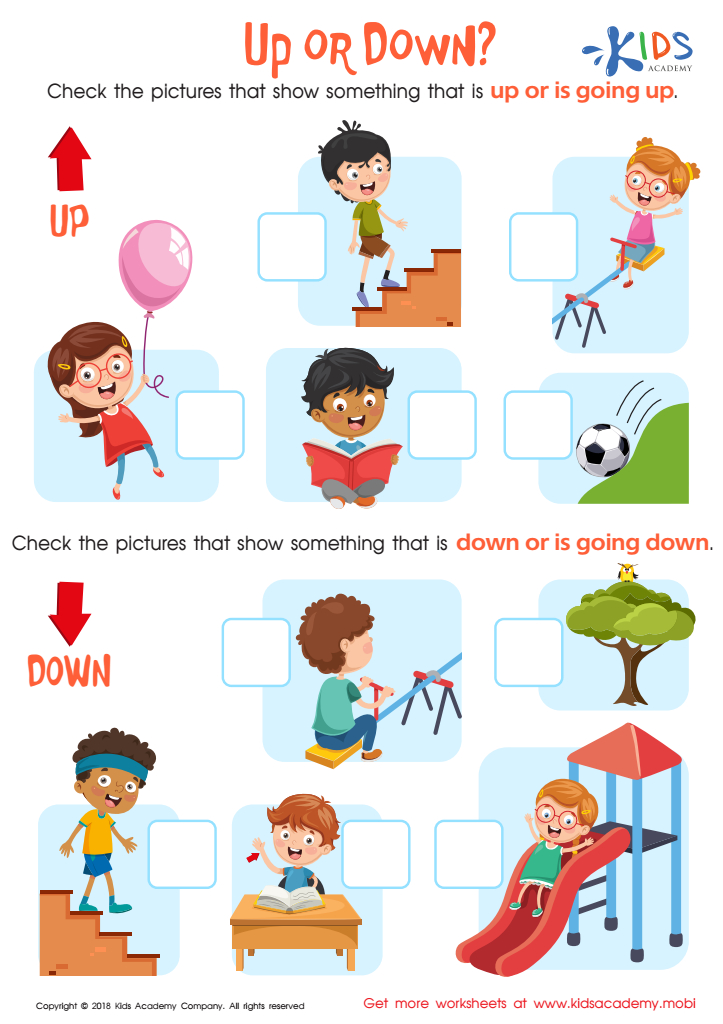
Up or Down Worksheet



.jpg)




Spatial awareness is a crucial aspect of early childhood development, specifically for children aged 3-4. It refers to the ability to understand and interact with the world around them in terms of size, space, distance, and direction. Fostering spatial awareness in young children has a multitude of benefits that extend into various areas of learning and daily life.
Firstly, spatial awareness skills lay a solid foundation for advanced mathematical concepts. Understanding shapes, patterns, and the relationships between objects are essential precursors to more complex math topics such as geometry, problem-solving, and logical reasoning. Early engagement with these concepts can build a positive relationship with math, making it more approachable and less intimidating as children grow.
Moreover, spatial awareness is tightly linked to physical development. Encouraging children to maneuver through different spaces enhances their gross and fine motor skills. Navigating playground equipment, assembling puzzles, and participating in interactive games all promote muscle coordination and control, critical for everyday tasks.
Additionally, fostering these skills early can boost cognitive and language development. Spatial language—using terms like "below," "above," "next to," and "between"—enhances vocabulary and language comprehension, strengthening both communication and reasoning abilities.
In conclusion, caring about spatial awareness in early childhood is beneficial not just for academic readiness but also for overall cognitive, physical, and language development. Teachers and parents should actively incorporate spatial activities to provide a well-rounded foundation for future learning and growth.








