
Understanding numbers Math Worksheets for Ages 3-4
4 filtered results
Difficulty Level
Grade
Age
-
From - To
Subject
Activity
Standards
Discover our “Understanding Numbers” math worksheets for ages 3-4, designed to introduce young learners to the foundational concepts of counting and number recognition. These engaging and colorful worksheets will help your child develop essential early math skills through fun activities, such as tracing numbers and counting objects. Perfect for preschoolers, our resources encourage independent learning and boost confidence in math. Each printable worksheet is crafted to suit young learners' attention spans while making numbers memorable and relatable. Explore the joy of numbers with your child today and foster a lifelong love for mathematics in their early educational journey!
Favorites
With answer key
Interactive
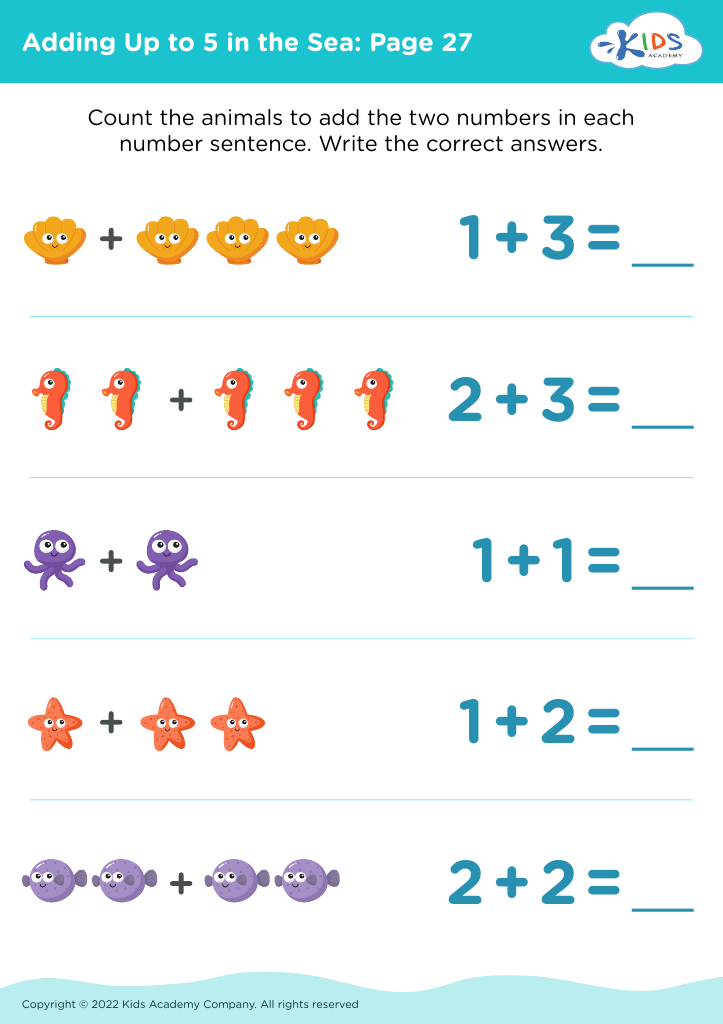
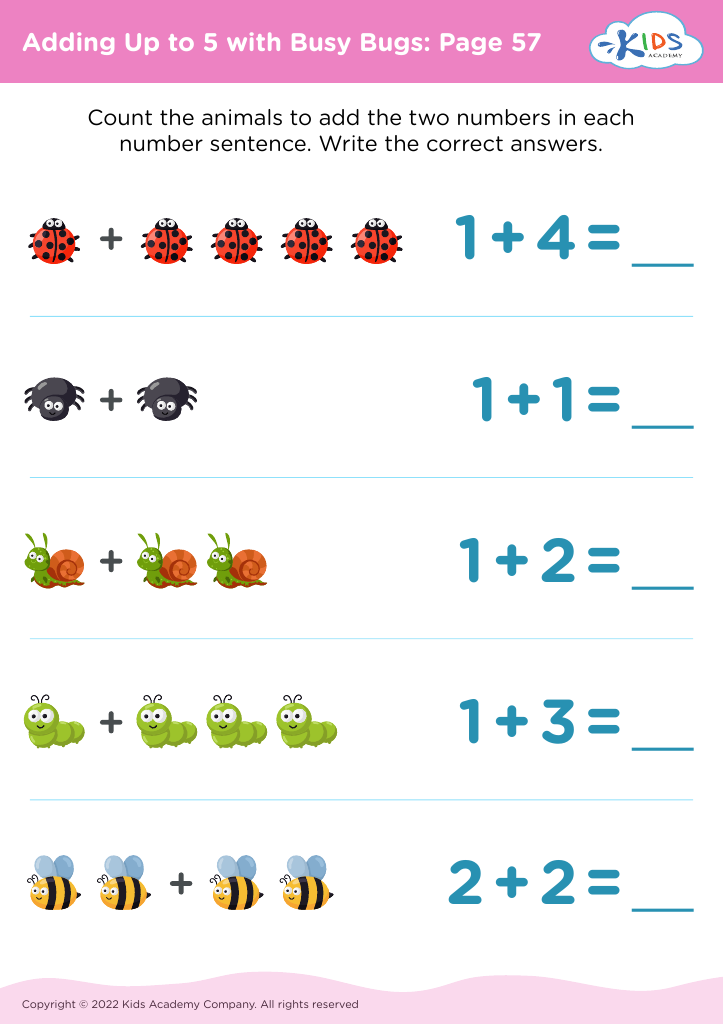
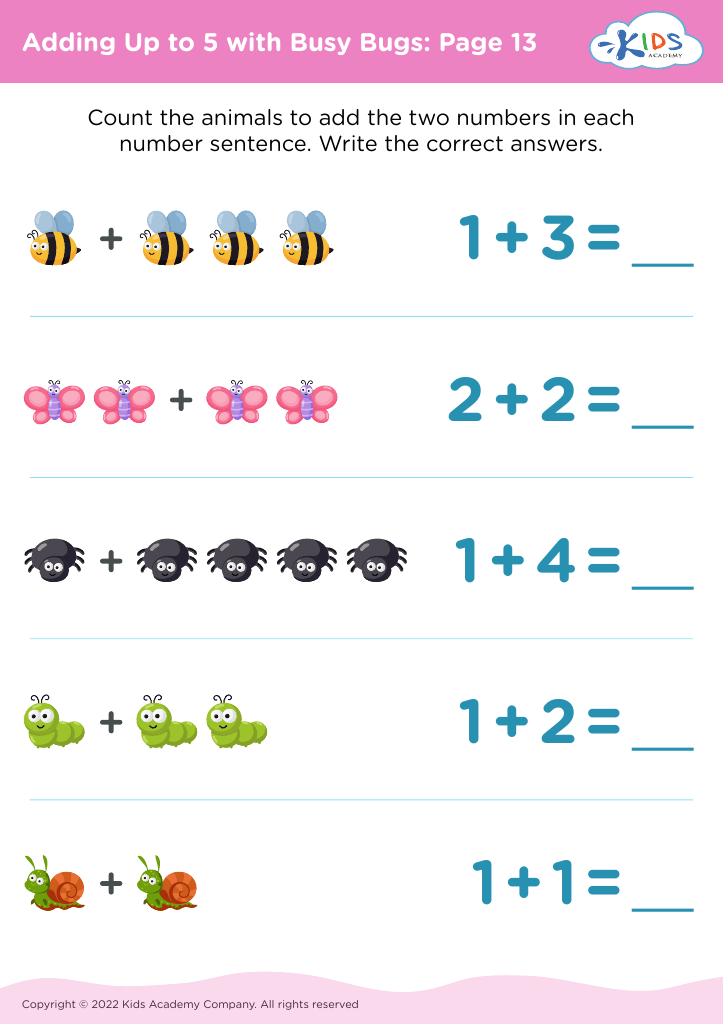
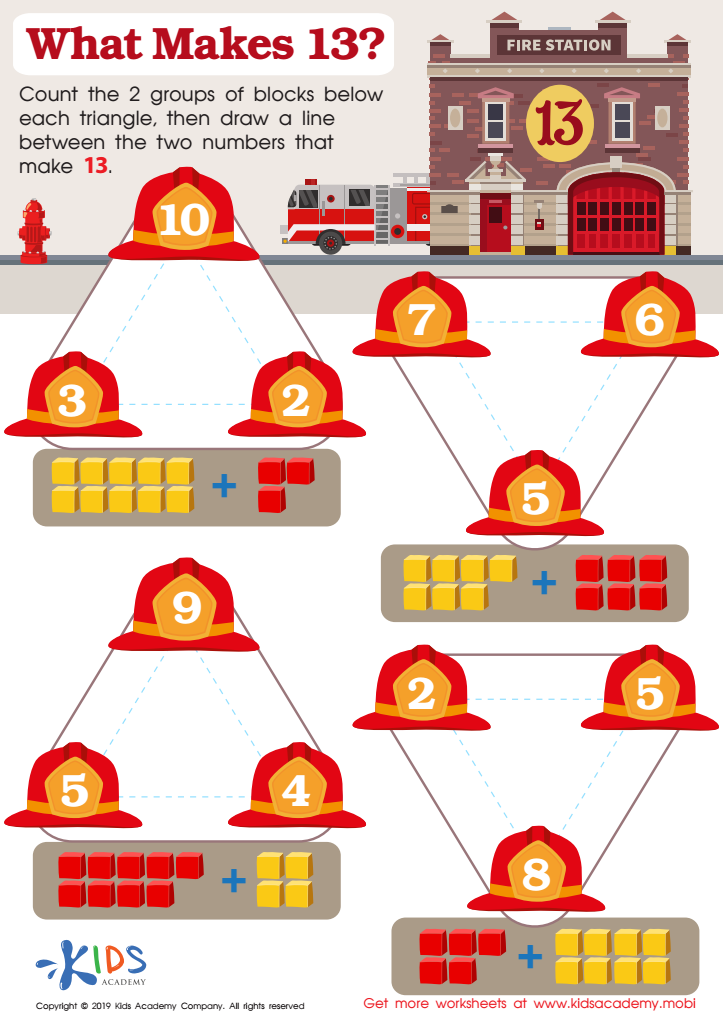
What Makes 13 Worksheet
Help your kids practice maths with this worksheet! With colourful images and simple equations, your kids will be more engaged in learning. Go through the four equations and help them add up the numbers. Then, draw a line between the numbers that make 13. Doing this will aid their learning and understanding.
 Assign to My Students
What Makes 13 Worksheet
Worksheet
Join Kids Academy for Free
Who is primarily going to use this learning content?







Understanding numbers in early childhood, especially for ages 3-4, is critical to a child's overall development and future academic success. At this age, children begin to form foundational math skills that influence their learning journey. Engaging with numbers helps them develop cognitive abilities, improve problem-solving skills, and enhance logical thinking.
Parents and teachers should recognize that early exposure to basic counting, simple additions, and number recognition is key to establishing a comfort level with mathematics. Activities like counting toys, singing number songs, or comparing quantities in everyday situations foster an intuitive understanding of how numbers work.
Moreover, early math skills are closely linked to later achievement in mathematics and even affect reading abilities. Children who grasp these concepts early tend to perform better in school, reducing the likelihood of math anxiety or difficulties later on.
Creating a supportive and encouraging environment where children explore numbers leads to a positive attitude towards learning. This foundational math knowledge not only prepares them academically but also builds perseverance and fosters an enthusiasm for exploration, problem-solving, and discovery that carries well beyond their early years. Therefore, prioritizing number understanding at this age is an investment in a child’s lifelong learning journey.








