Understanding patterns Math Worksheets for Ages 3-4
7 filtered results
-
From - To
Discover our "Understanding Patterns Math Worksheets for Ages 3-4" designed to build foundational math skills in young learners. These engaging activities help preschoolers recognize, create, and extend patterns, crucial for developing logic and critical thinking. Aligning with early education standards, our worksheets offer fun, hands-on practice with colorful visuals and simple exercises that capture a child's interest. Perfect for both classroom and home use, these resources support cognitive development and prepare children for future math challenges. Foster your child's love for learning and curiosity with our expertly crafted pattern worksheets, created to make early math both enjoyable and educational.
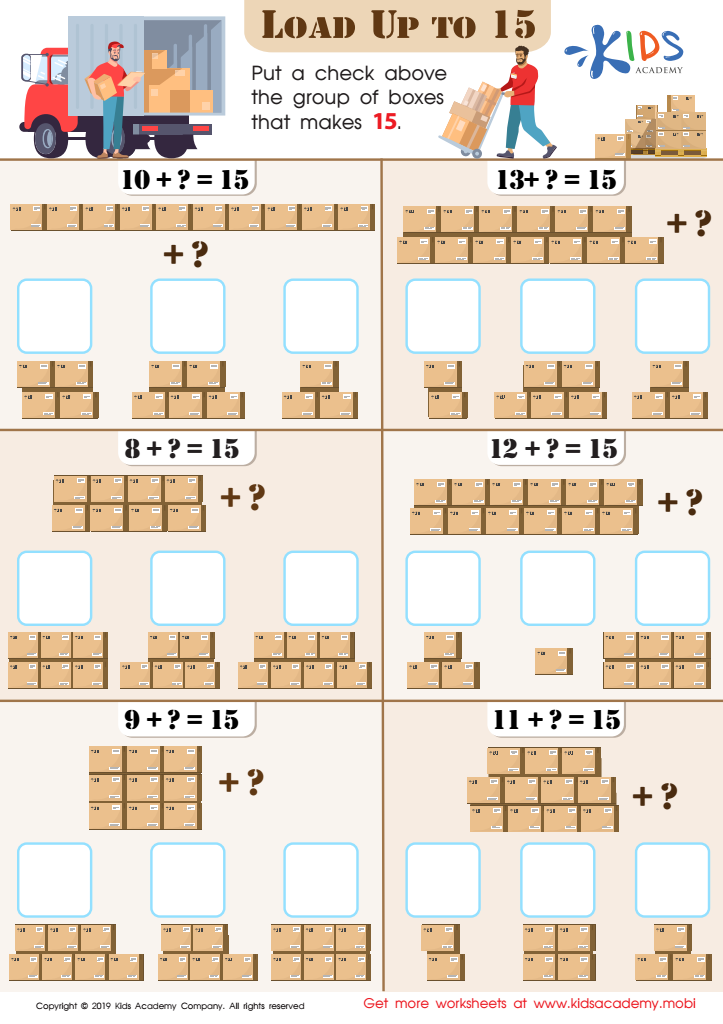
Load up to 15 Worksheet
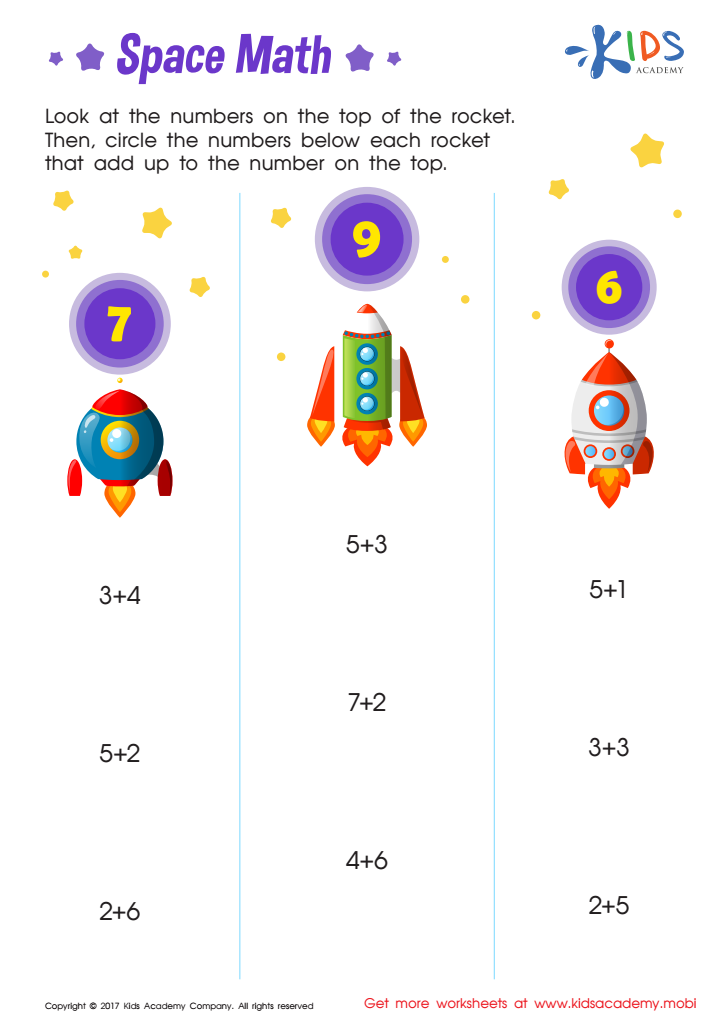
Addition: Space Math Worksheet
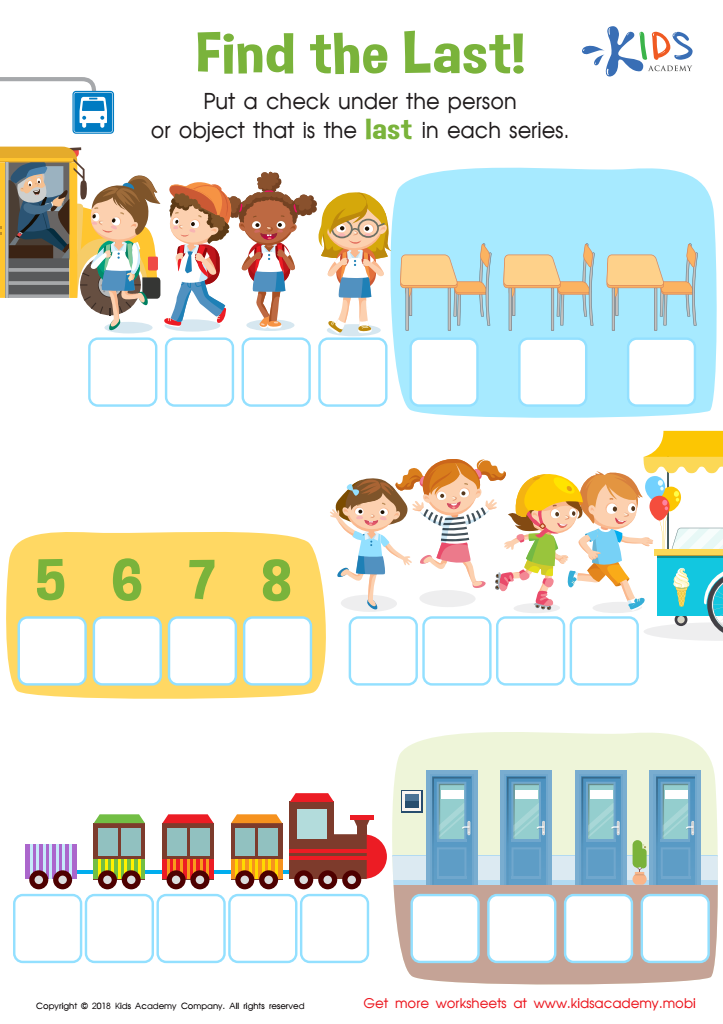
Find the Last! Worksheet
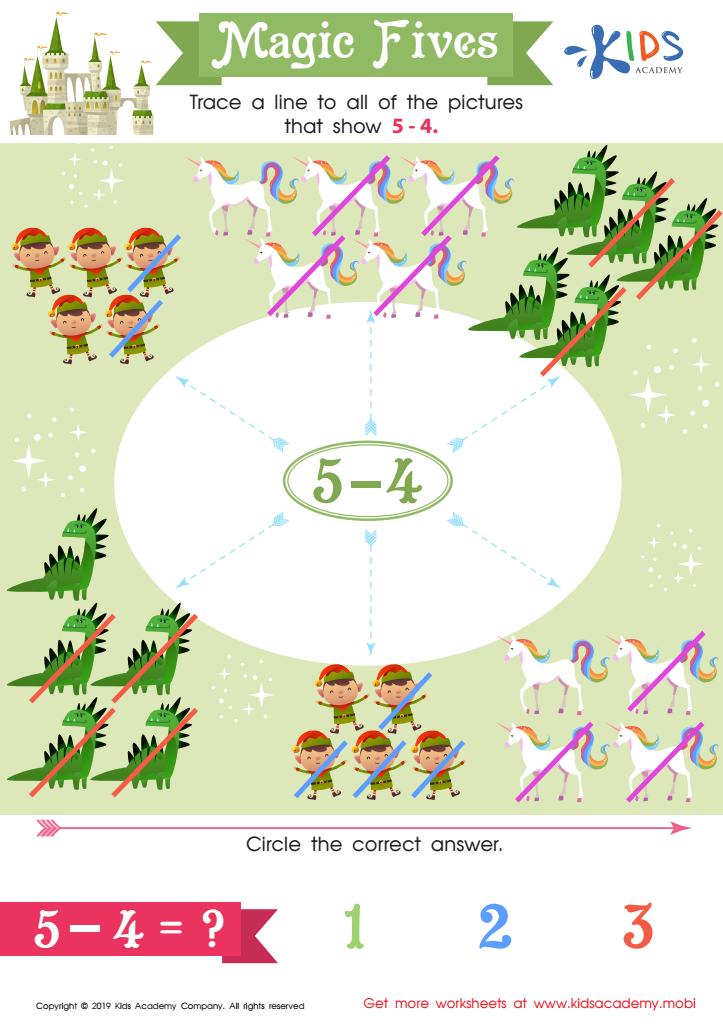
Magic Fives Worksheet
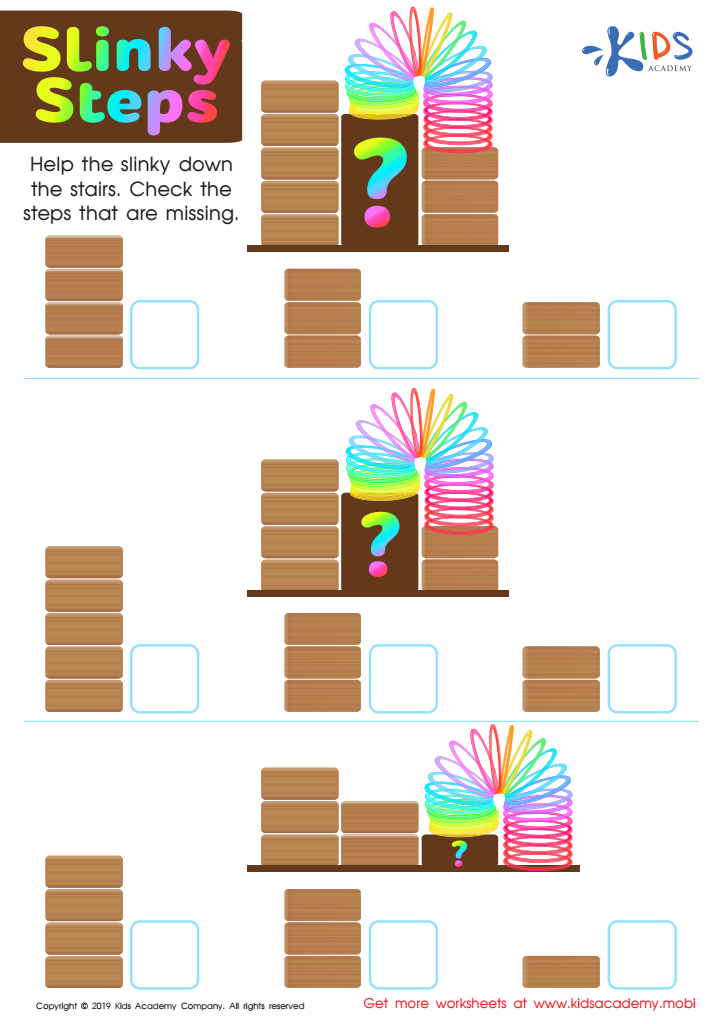
Slinky Steps Worksheet
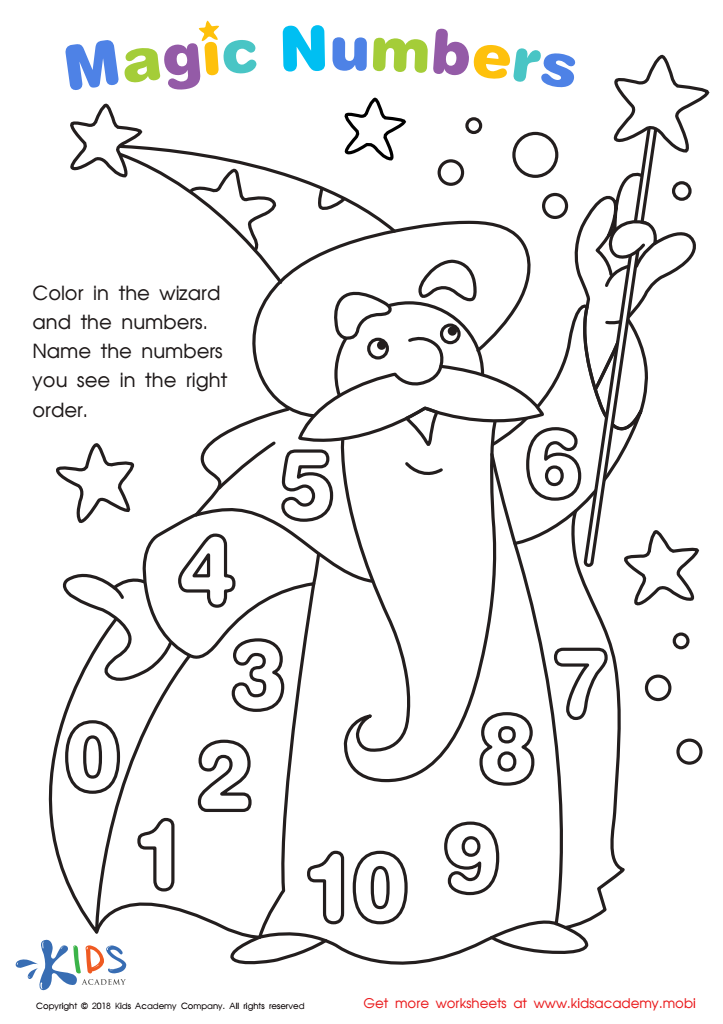
Magic Numbers Worksheet
 Assign to My Students
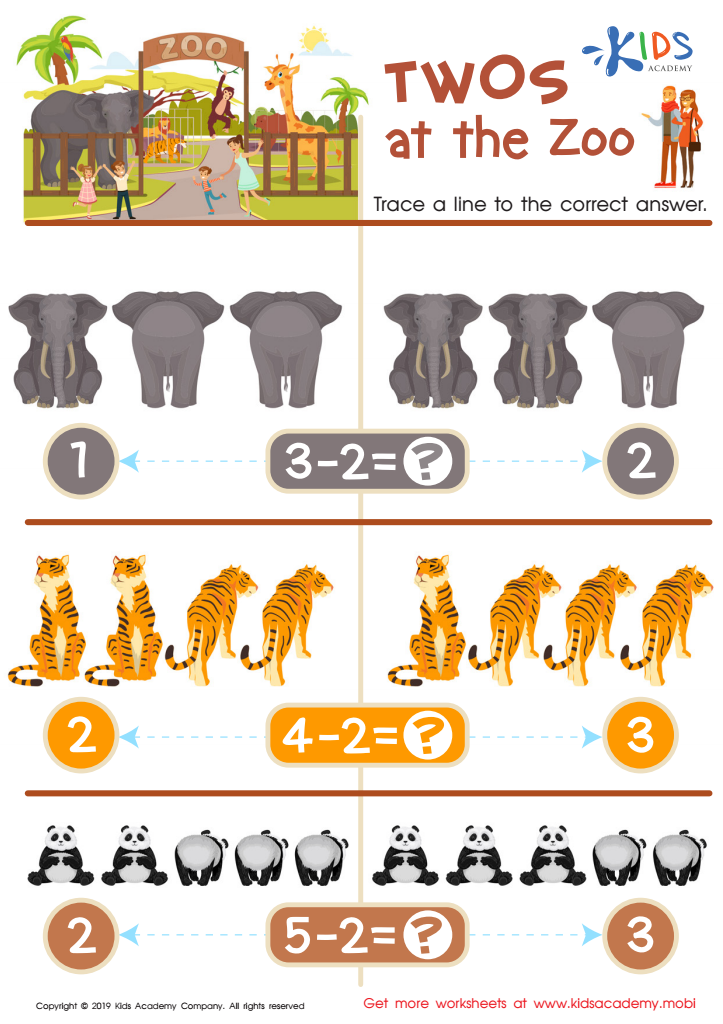
Twos at the Zoo Worksheet





Understanding patterns in math at a young age is crucial for several developmental reasons. For children aged 3-4, recognizing patterns helps lay the foundational cognitive skills necessary for more complex mathematical concepts later on. Patterns foster critical thinking and problem-solving skills, allowing children to predict and create sequences based on logic. This early exposure not only assists in understanding numbers but also aids in grasping relationships between objects and events.
Moreover, identifying patterns enhances observational skills and memory. When children discern patterns, they learn to observe details attentively and remember sequences of colors, shapes, or actions. This mnemonic skill is transferrable across various educational domains and everyday life activities.
Patterns also assist in language development. Describing patterns encourages the use of descriptive words and complex sentences, refining a child's communication skills. They learn to articulate what comes next and express their thoughts clearly and logically.
Engaging with patterns is fun and engaging for young learners, motivating them to participate and enjoy their educational experiences. By focusing on teaching patterns at an early age, parents and teachers provide a strong cognitive and emotional base, positioning children for future academic success and curiosity-driven learning.








