
Visual comprehension Math Worksheets for Ages 3-4
7 filtered results
Difficulty Level
Grade
Age
-
From - To
Subject
Activity
Standards
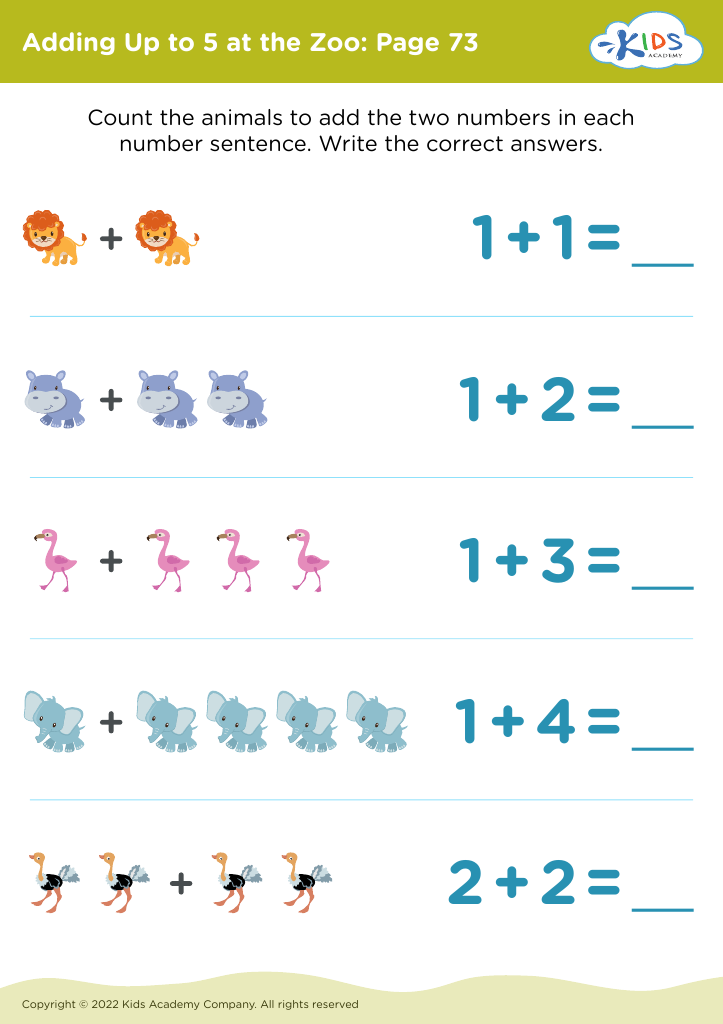
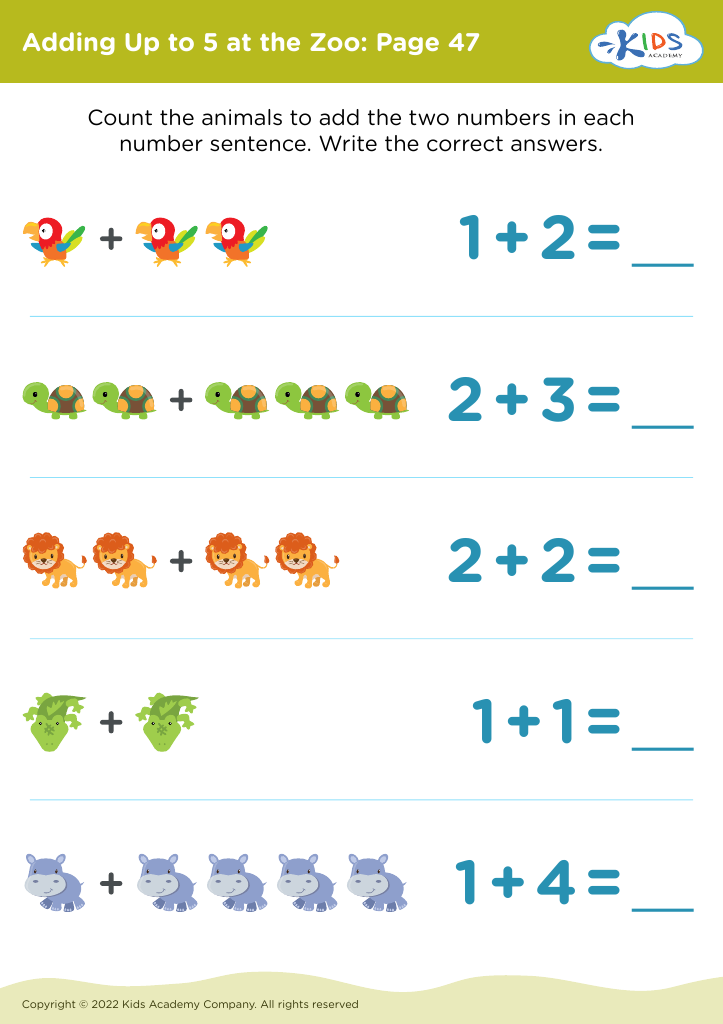
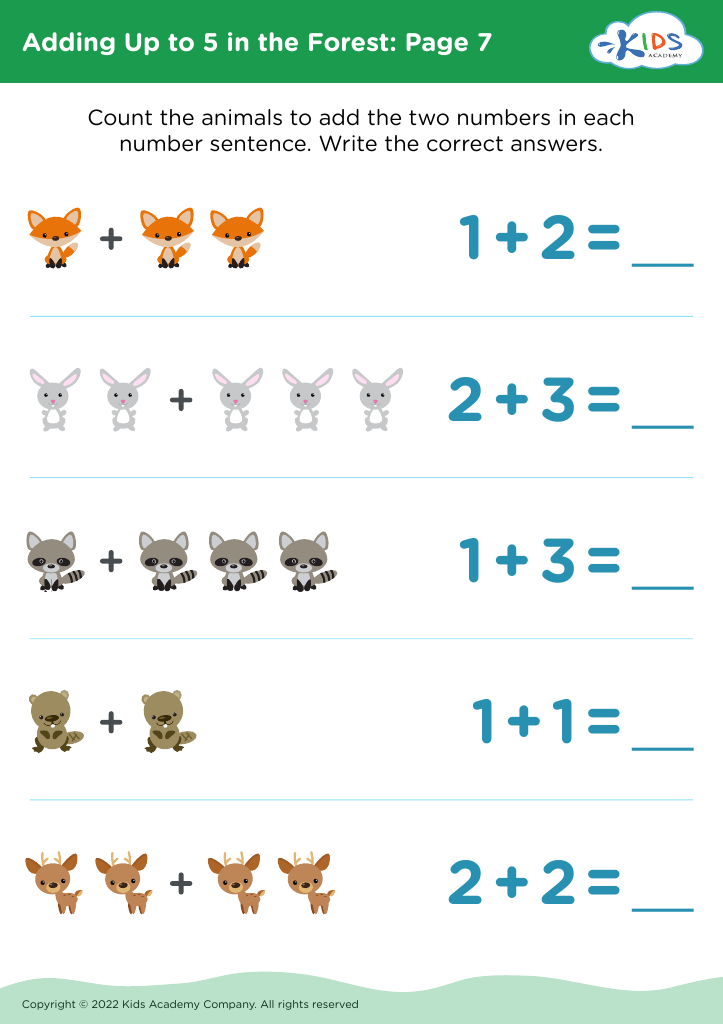
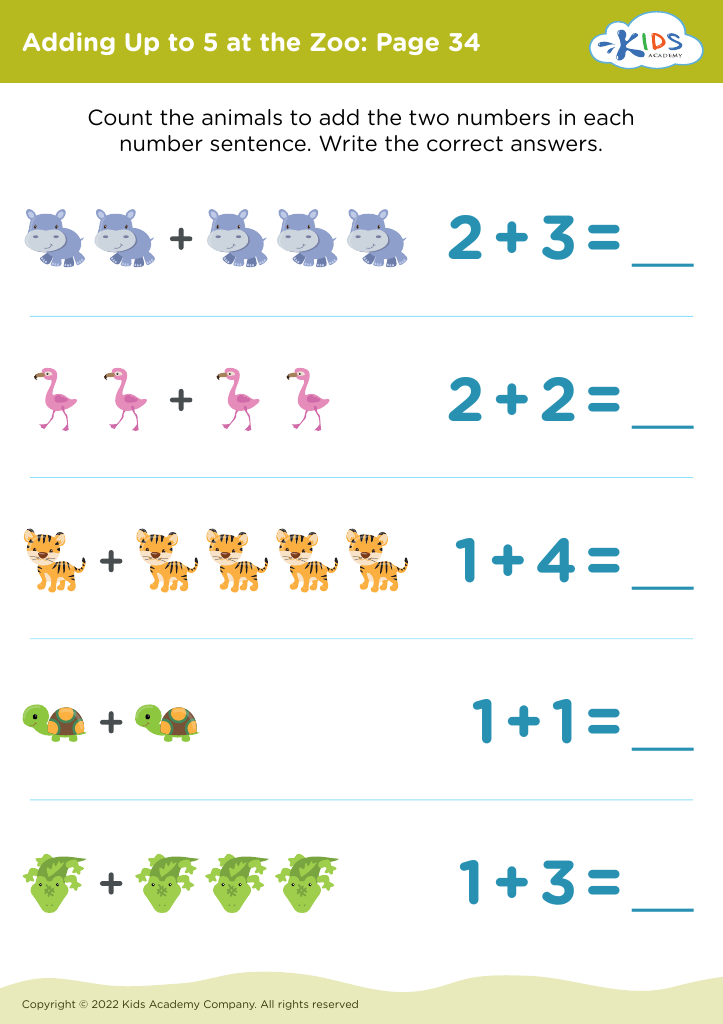
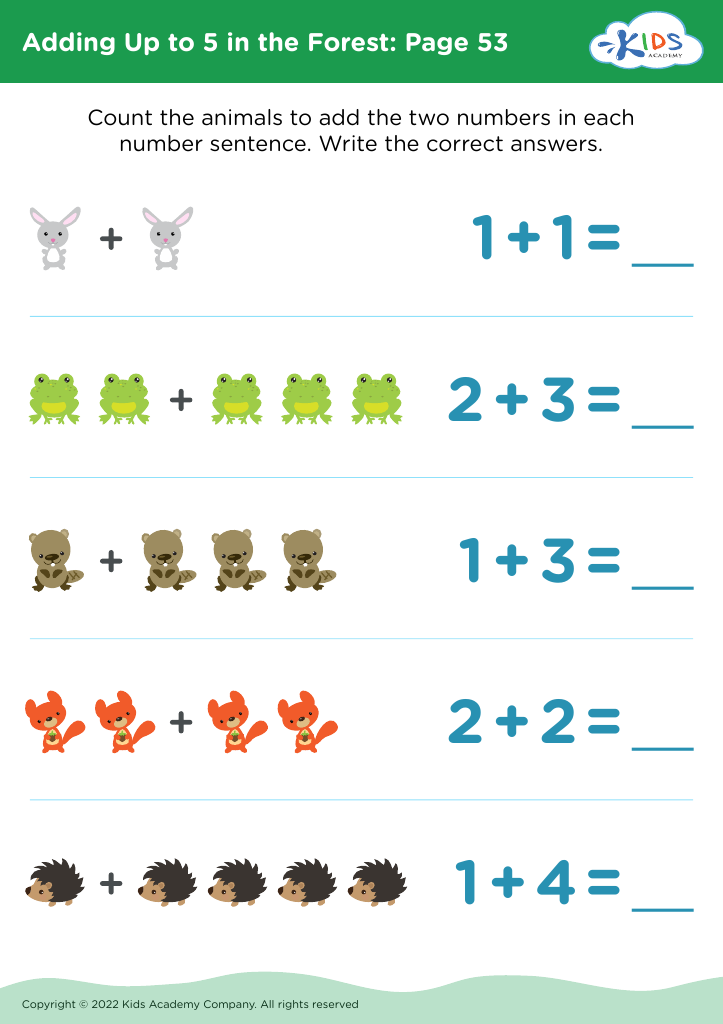
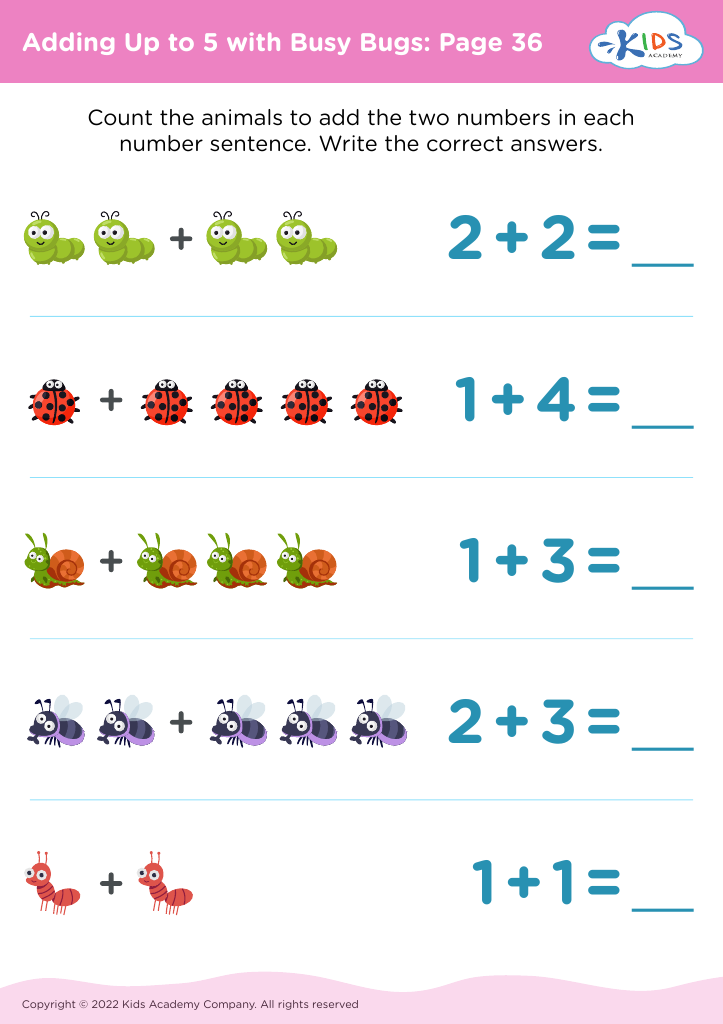
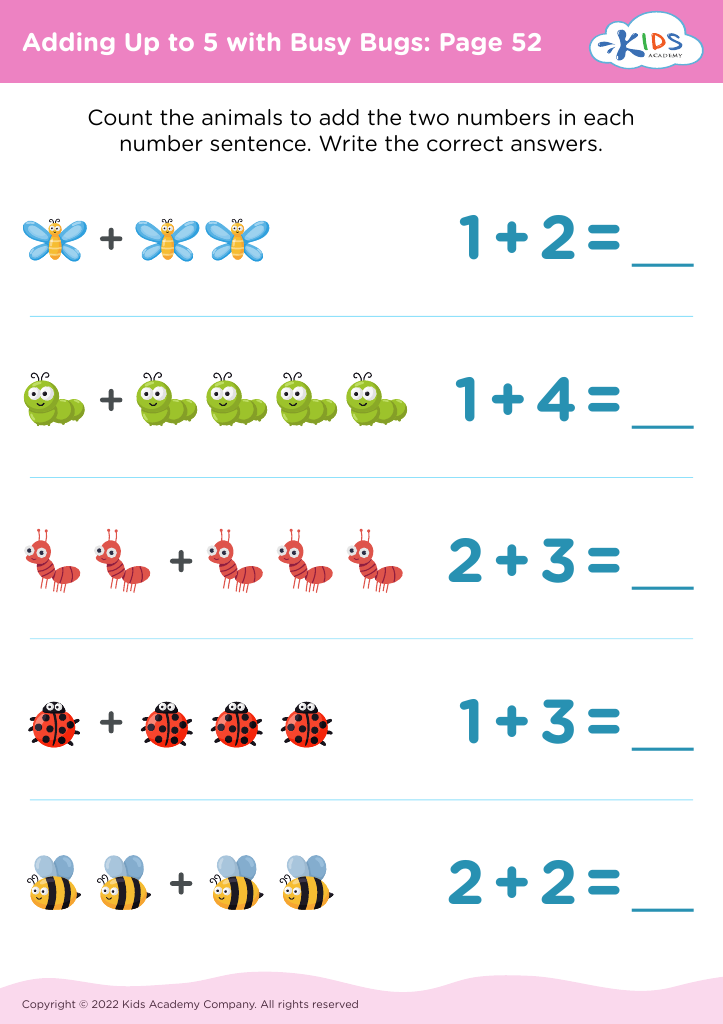
Enhance your child's early math skills with our Visual Comprehension Math Worksheets designed specifically for ages 3-4. These engaging worksheets help little learners develop essential visual understanding by introducing shapes, patterns, and spatial awareness in a fun and interactive way. Our resources are carefully crafted to cater to young minds, ensuring they grasp foundational concepts through bright colors and relatable activities. As your child participates, they will strengthen their observational skills and boost their confidence in mathematical thinking. Download our worksheets today and watch your child's love for learning grow! Perfect for home or classroom use!
Favorites
With answer key
Interactive
Join Kids Academy for Free
Who is primarily going to use this learning content?







Visual comprehension in math is crucial for children ages 3-4 as it lays the foundation for their early mathematical skills and cognitive development. During this formative stage, children are naturally curious and eager to explore their environment. Engaging them in visual math activities, such as counting objects, recognizing shapes, or comparing sizes, cultivates their ability to visualize concepts, which is vital for later mathematical reasoning.
Parents and teachers should care because strong visual comprehension skills help children develop spatial awareness and improve problem-solving abilities. For example, when children learn to recognize patterns or sort objects, they strengthen their ability to think logically and analytically. These skills not only support math learning but also enhance their overall cognitive development.
Moreover, early experiences with visual math promote engagement and enjoyment in learning. Positive early interactions with math can foster a lifelong interest in the subject, helping to counteract potential negative attitudes towards math as they grow. By incorporating visual math activities into daily routines, parents and teachers can create a supportive learning environment that encourages exploration and curiosity, preparing children for future educational success. Ultimately, investing in visual comprehension at this age sets the foundation for lifelong learning and achievement in mathematics and beyond.








