Word Recognition Math Worksheets for Ages 3-4
5 filtered results
-
From - To
Introduce your child to the foundational skills of math and literacy with our engaging Word Recognition Math Worksheets for Ages 3-4. Designed to blend fun with learning, these age-appropriate worksheets help young learners identify, trace, and match math-related words to simple visuals. Each activity supports cognitive development and language skills, ensuring a smooth transition to more advanced math concepts. Perfect for early learners, these worksheets provide a valuable resource for parents and educators looking to encourage a love for learning through interactive and hands-on tasks. Build confidence and competency in your child with these essential early math tools.
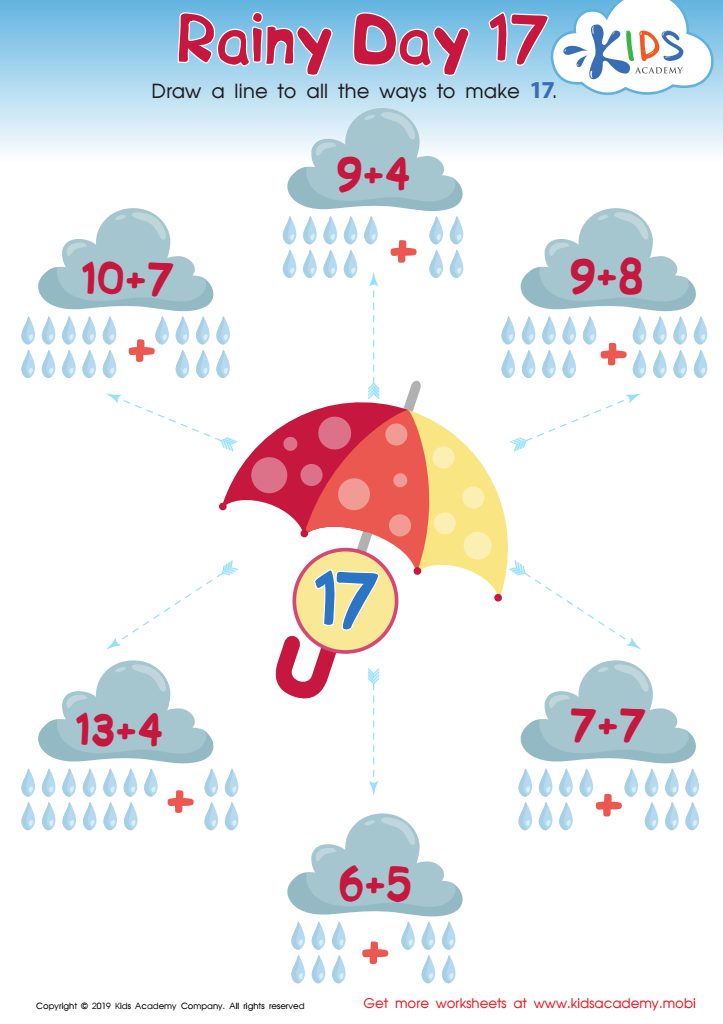
Rainy Day 17 Worksheet
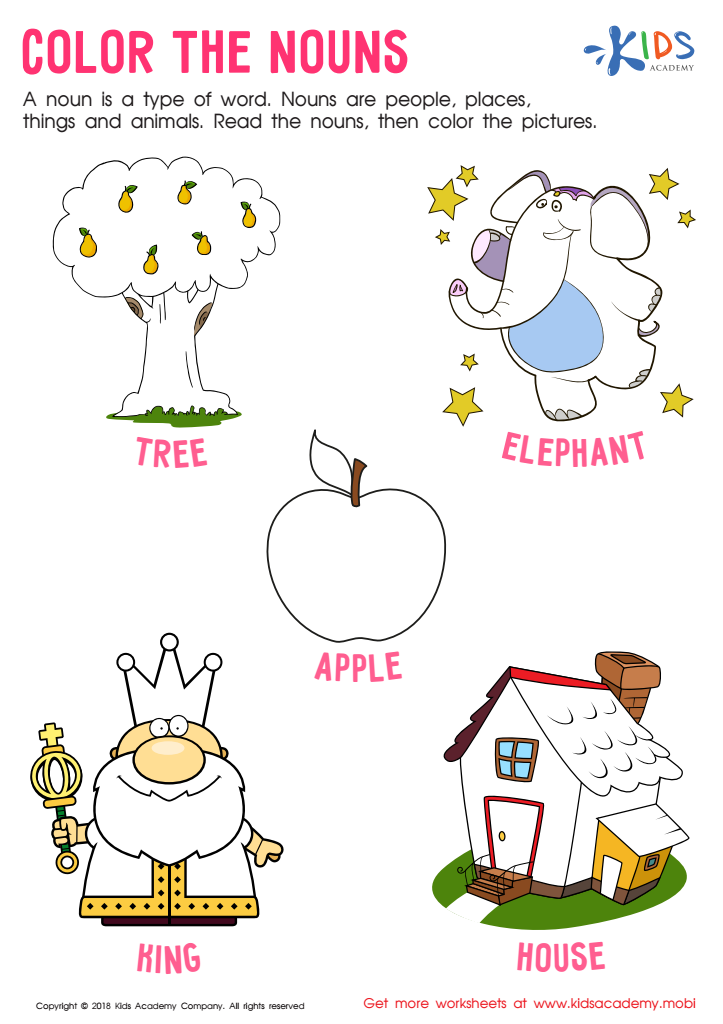
Color the Nouns Worksheet
 Assign to My Students
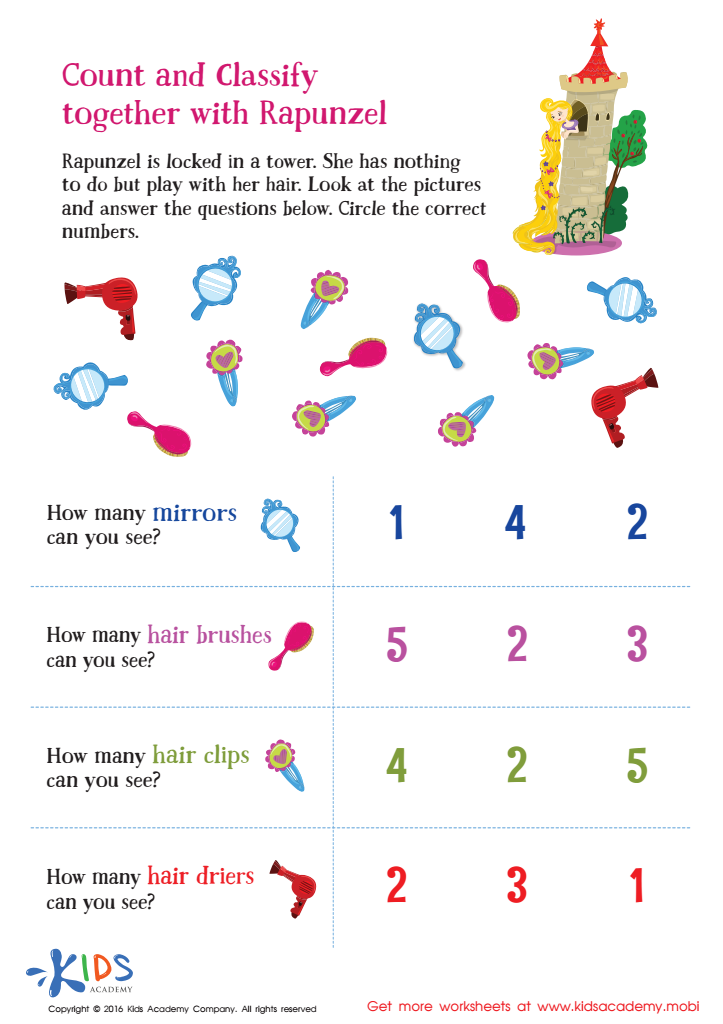
Fairy Tale Worksheet: Count and Classify with Rapunzel
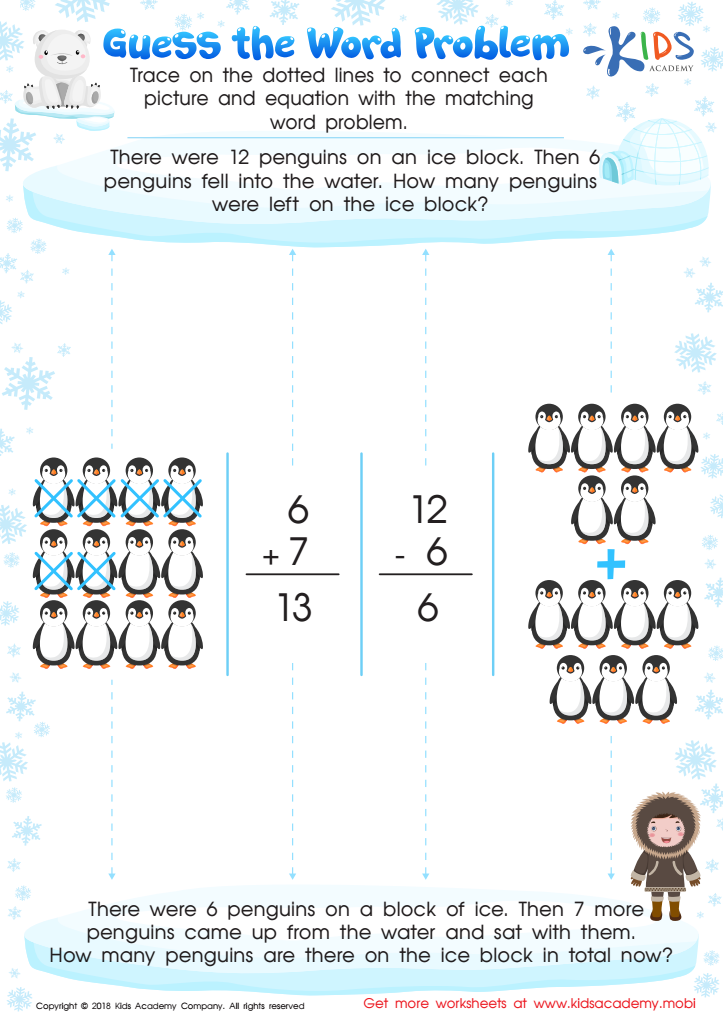
Guess the Word Problem Worksheet
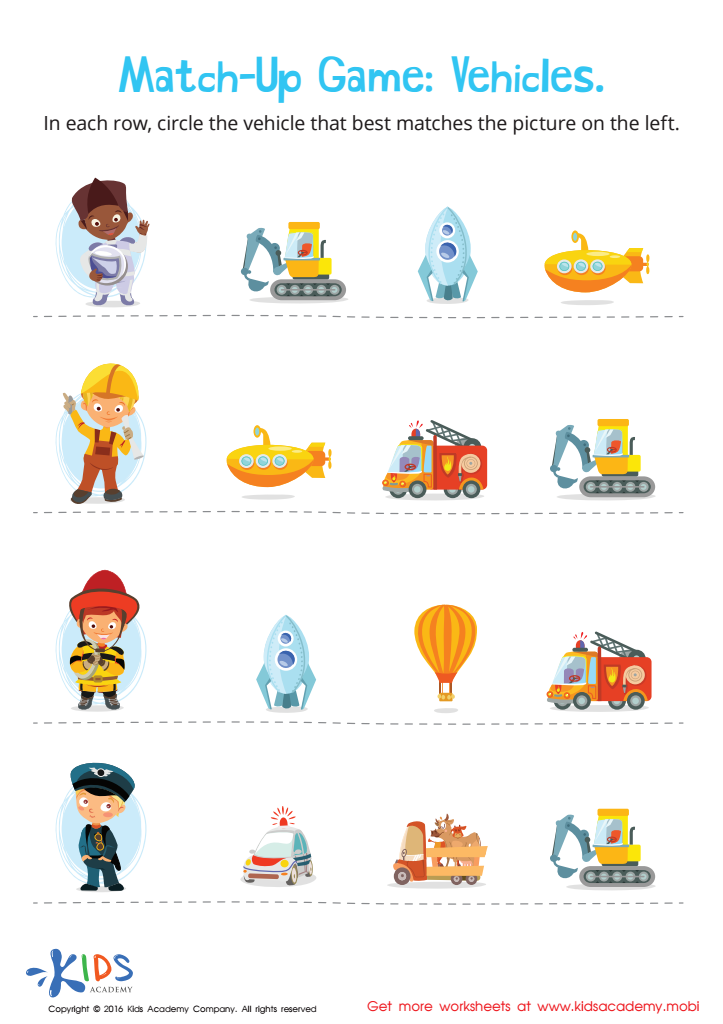
Vehicles Worksheet






.jpg)

Parents and teachers should care about Word Recognition Mathematics for children aged 3-4 because it serves as a foundational building block for both literacy and numeracy development. Integrating word recognition with math at an early age helps children make connections between visual symbols (letters and numbers) and their meanings. This interdisciplinary approach fosters cognitive skills that are critical for overall academic success.
At this age, children are naturally curious and absorb information quickly. Introducing them to concepts like counting, basic shapes, and simple math-related vocabulary enhances their understanding of the world around them. Through interactive activities such as counting objects, recognizing number words, and matching numbers to quantities, children develop essential skills like pattern recognition, logical thinking, and problem-solving.
Moreover, early exposure to word recognition in math can boost a child's confidence and interest in learning more complex concepts later on. It also prepares them for formal education by enhancing their language skills, which are crucial for following instructions and comprehending new information across different subjects.
In summary, integrating word recognition with early math education cultivates a well-rounded cognitive foundation, ensuring that young learners are equipped with the necessary tools to succeed in kindergarten and beyond. This holistic approach contributes to a more seamless transition into structured schooling, setting the stage for a lifelong love of learning.








