Visual discrimination Matching Worksheets for Ages 3-4
3 filtered results
-
From - To
Introduce your child to the essential skill of visual discrimination with our engaging Matching Worksheets for Ages 3-4. Designed to boost their ability to recognize differences and similarities in shapes, sizes, and patterns, these worksheets make learning both fun and impactful. Each activity fosters critical thinking, attention to detail, and pre-math skills through playful challenges suited for early learners. Let your little one explore the world of matching and sorting. Watch them develop vital cognitive skills foundational to their future academic success. Ideal for toddlers and preschoolers, our visual discrimination worksheets bring excitement to early learning.\
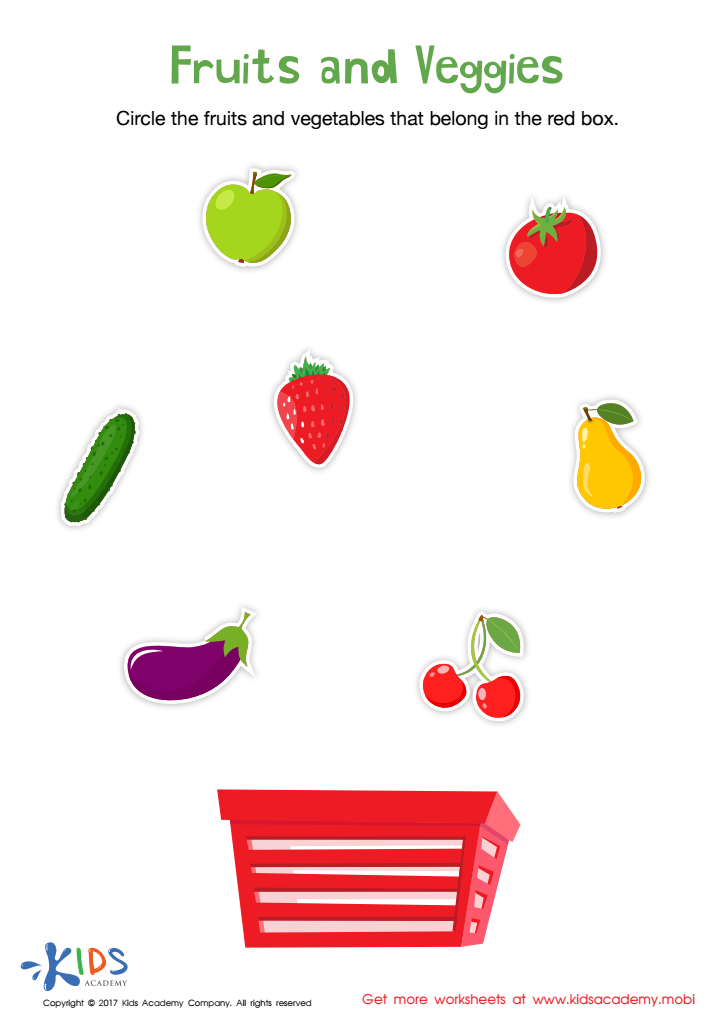
 Assign to My Students
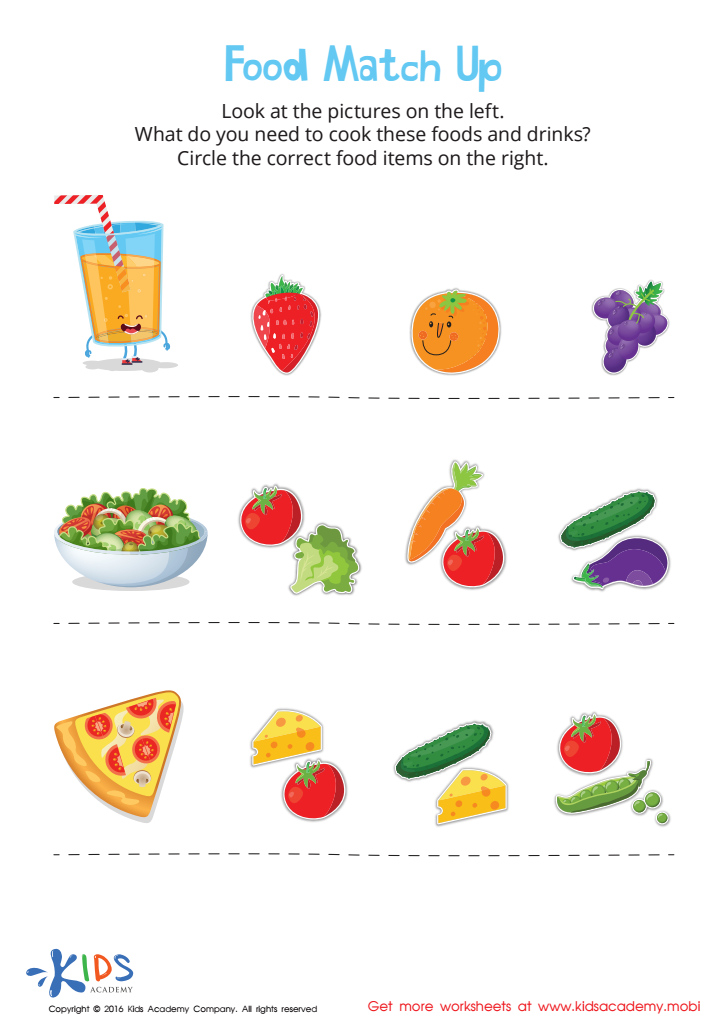
Food Match Up Worksheet
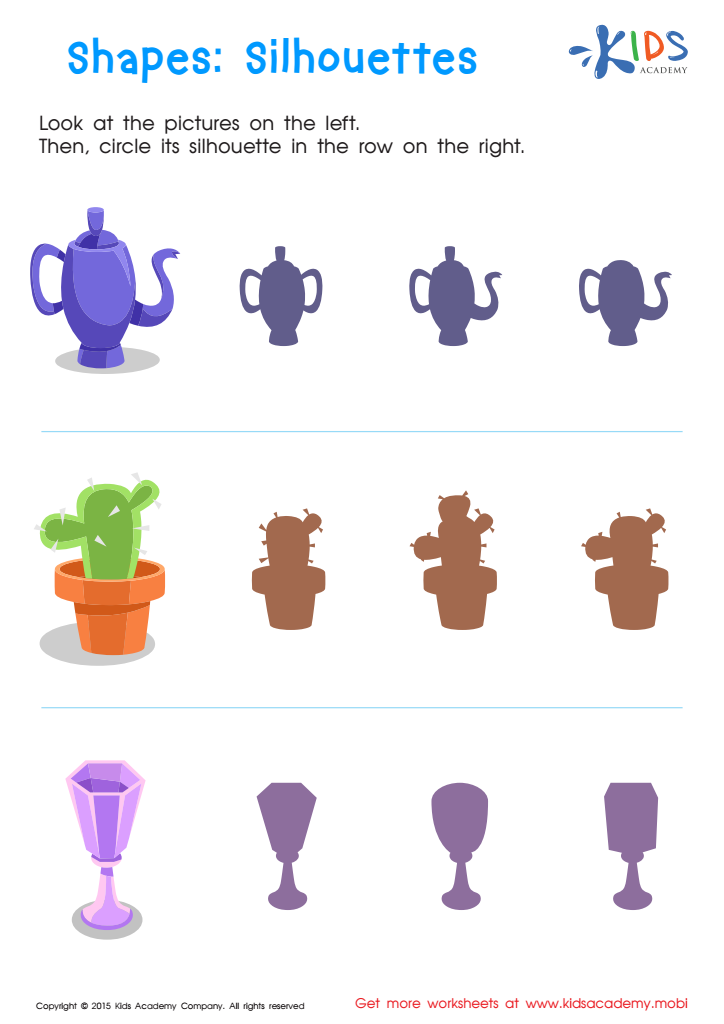
Silhouettes – Shapes Worksheet








Visual discrimination matching is an essential cognitive skill development activity for children aged 3-4. Parents and teachers should care about these activities because they lay the foundation for many critical aspects of a child's learning journey.
Firstly, visual discrimination helps children recognize differences and similarities in shapes, colors, sizes, and patterns. This foundational ability translates directly to early literacy and numeracy skills. For example, distinguishing between letters like 'b' and 'd' or numbers like '6' and '9' relies heavily on visual discrimination.
Secondly, these activities also enhance cognitive abilities such as attention to detail, memory, and concentration. When children engage in matching exercises, they practice focused observation and effective cognitive comparisons—skills that are crucial for problem-solving and logical reasoning.
Additionally, participating in visual discrimination exercises can improve fine motor skills. As children match pieces and manipulate objects, they fine-tune their hand-eye coordination and dexterity.
Lastly, successful engagement in these activities builds confidence and encourages a sense of achievement. Children gain positive reinforcement through correct matches, fostering a love for learning early in life.
In summary, visual discrimination matching activities for ages 3-4 are more than just busy work; they are critical exercises that support visual, cognitive, motor, and emotional development in young learners.








