Visual perception Matching Worksheets for Ages 3-4
5 filtered results
-
From - To
Welcome to our Visual Perception Matching Worksheets for Ages 3-4! These engaging worksheets are designed to enhance young children's visual discrimination skills, critical for early learning. Perfect for preschoolers, our worksheets invite kids to match corresponding images, strengthening their ability to observe differences and similarities. As they enjoy vibrant illustrations, children will develop essential cognitive skills, boosting their preparation for more complex tasks ahead. Easy to print and use, these worksheets make learning fun and interactive. Encourage your little ones to explore the world of visual perception while promoting creativity and focus. Start their educational journey today!
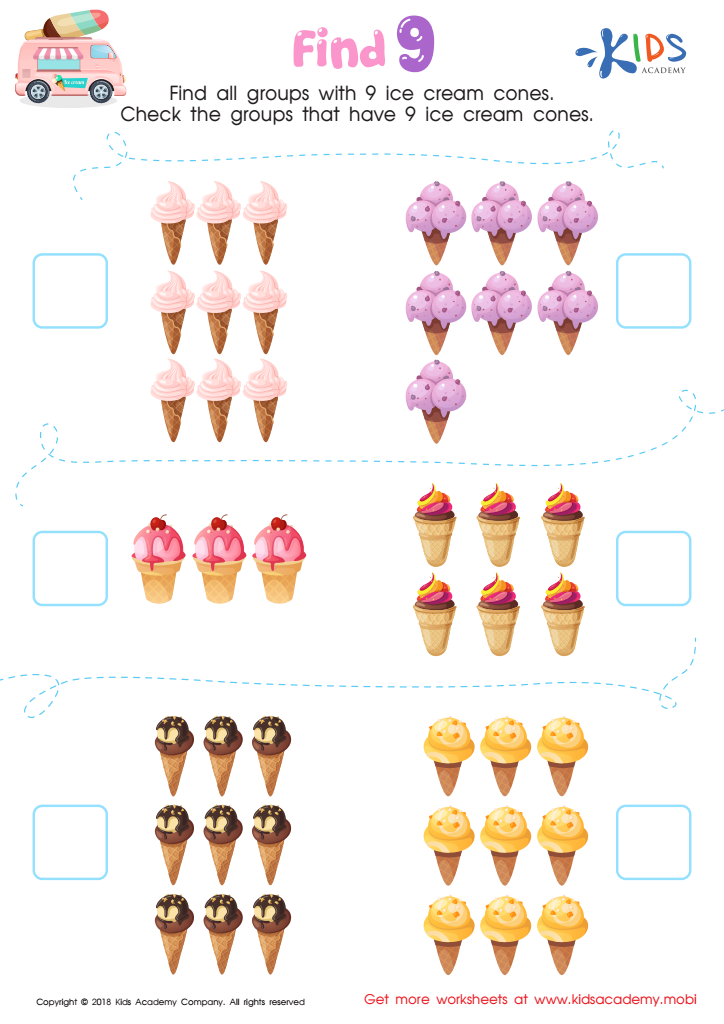
Find 9 Worksheet
 Assign to My Students
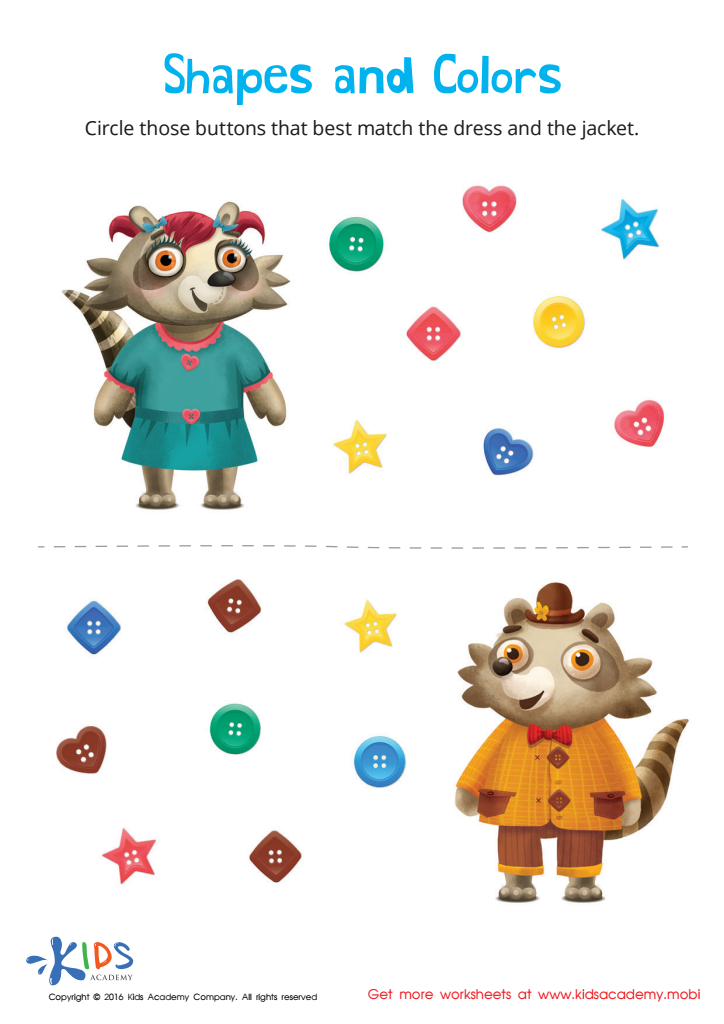
Matching: Shapes and Colors Worksheet
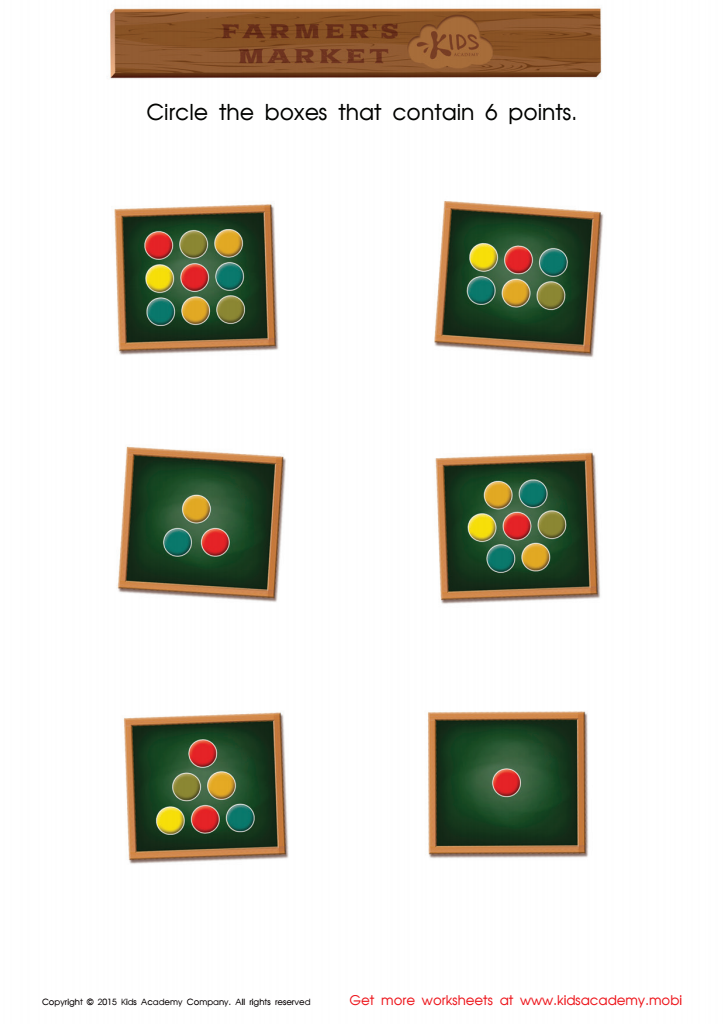
Count and Match Points 6 Math Worksheet
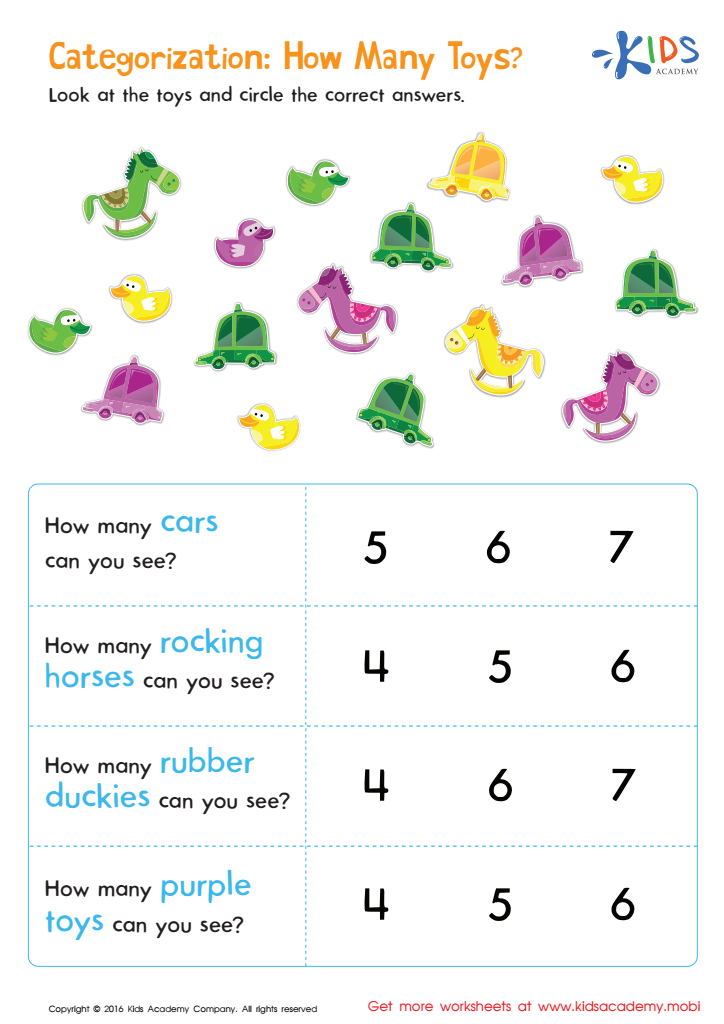
Classifying Toys by Type and Color Sorting Worksheet
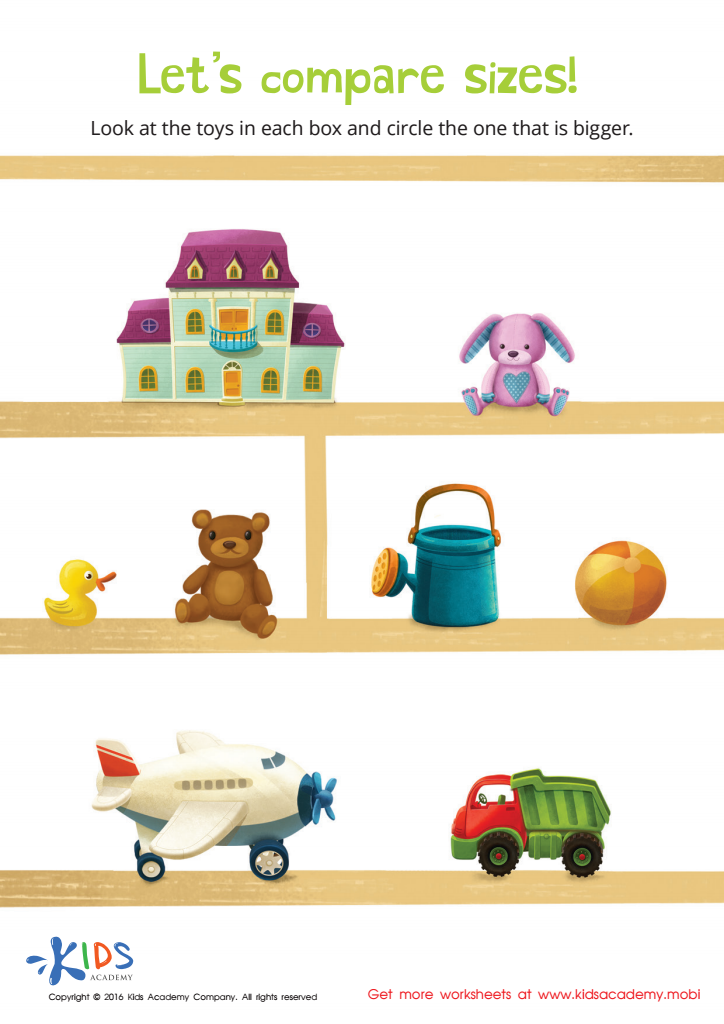
Classifying by Size Sorting Worksheet




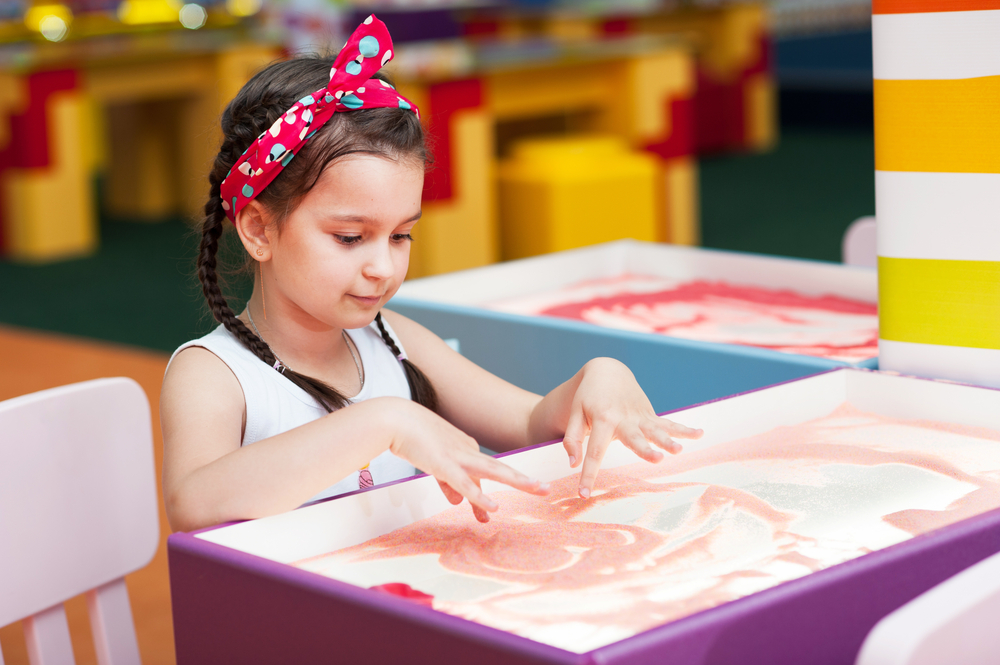



Visual perception matching is a crucial developmental skill for children aged 3-4 years, and both parents and teachers should prioritize it for several reasons. At this formative age, children learn to interpret and understand visual information, which lays the groundwork for future academic success.
Firstly, visual perception matching helps children recognize patterns, shapes, and colors, fostering foundational skills essential in reading, writing, and math. For instance, children who can match shapes are more likely to succeed in recognizing letters later on.
Furthermore, engaging in matching activities boosts cognitive development. It encourages critical thinking and problem-solving skills, stimulating mental processes that enhance overall learning abilities.
Socially and emotionally, matching games can promote collaboration and communication amongst peers. Children often play these activities in groups, learning to share, take turns, and express themselves, which is vital for developing interpersonal skills.
Lastly, working on visual perception matching can identify areas where a child may need extra support. Early detection of difficulties aids in timely interventions, ensuring that all children start their educational journey on solid footing. In summary, recognizing the importance of visual perception matching in early childhood can significantly impact a child’s overall development and future academic endeavors.








