Filters

192 filtered results

Clear all filters
Favorites
With answer key
Interactive

192 filtered results

Difficulty Level

Grade


Subject

    Check out this FREE Trial Lesson on Building Vocabulary for age 3-4!

    Distinguish Between Similarly Spelled Words

    Favorites
    With answer key
    Interactive
    • 3-4
    • Building Vocabulary
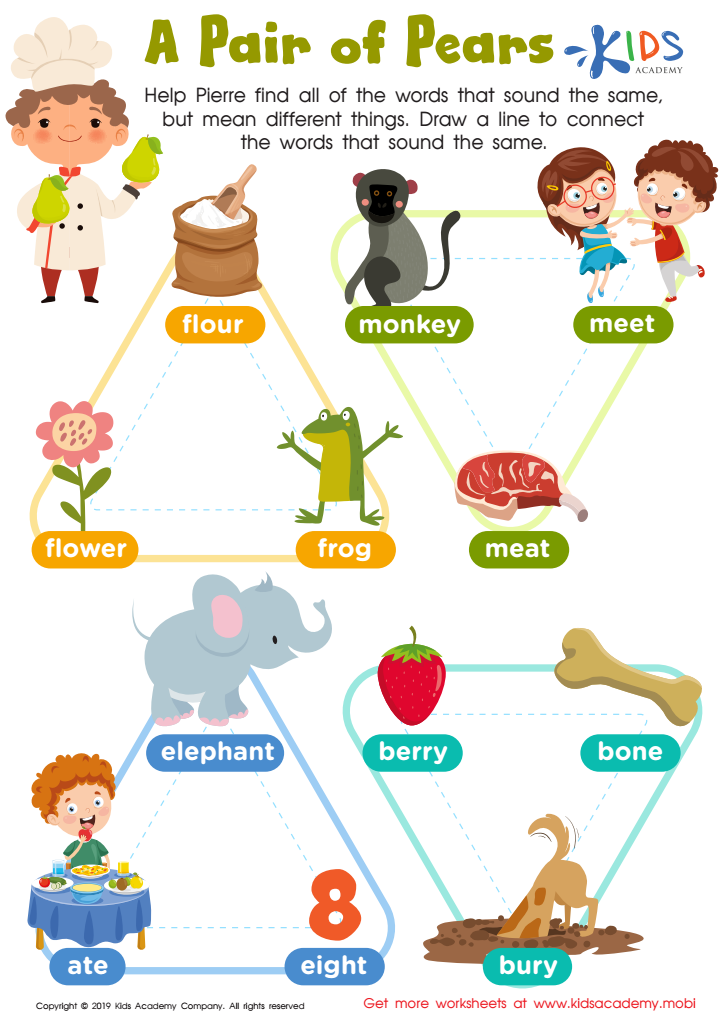
    Pair Pears Worksheet
    Pair Pears Worksheet

    Pair Pears Worksheet

    Young readers can have difficulty knowing when to use the right homophone. This free worksheet helps them use familiar imagery to understand better by connecting words that sound similar but are spelled and mean different things. Students will trace the lines to form a picture and have a reference image to differentiate between the different homophones.
    Pair Pears Worksheet
    Worksheet
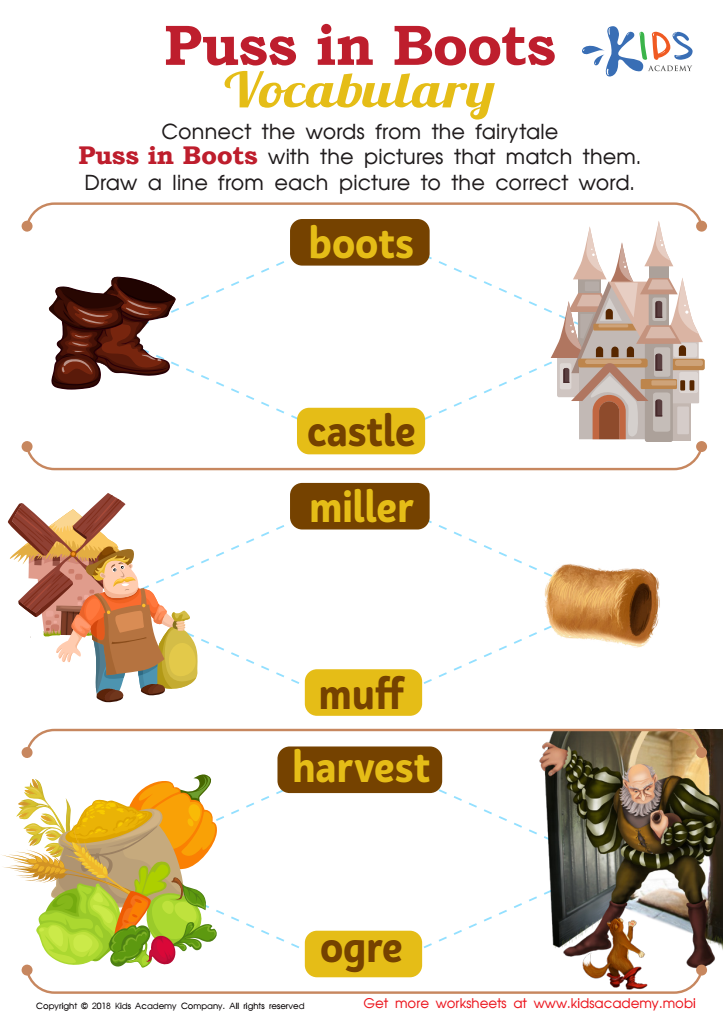
    Puss in Boots Vocabulary Worksheet
    Puss in Boots Vocabulary Worksheet

    Puss in Boots Vocabulary Worksheet

    Let your kids enjoy story-telling while learning at the same time. Help them learn from the fairytale, Puss in Boots, by connecting words from the worksheet with the matching pictures. Ask them to draw a line between each picture and corresponding word to build their vocabulary.
    Puss in Boots Vocabulary Worksheet
    Worksheet
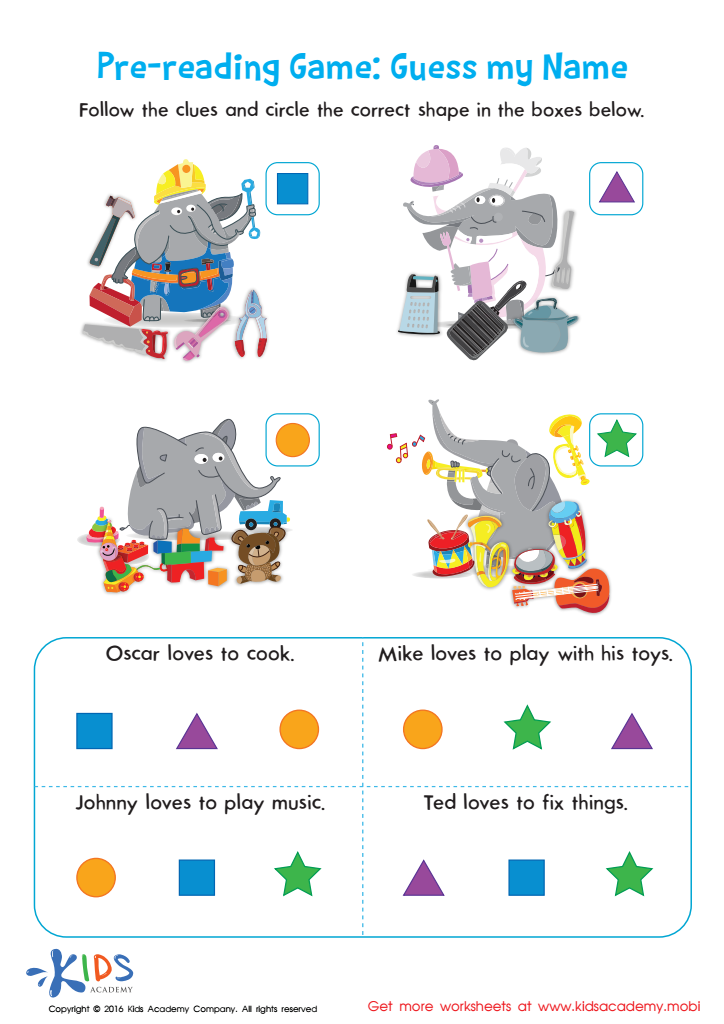
    Pre reading worksheet guess my name
    Pre reading worksheet guess my name

    Pre Reading Worksheet Guess My Name

    Guess My Name is a fun way to practice inference skills. Guess My Name is a fun pre-reading game to help your child practice drawing inferences from clues. With colorful illustrations, they'll use clues to match each elephant with its sentence and sharpen their inference skills.
    Pre Reading Worksheet Guess My Name
    Worksheet
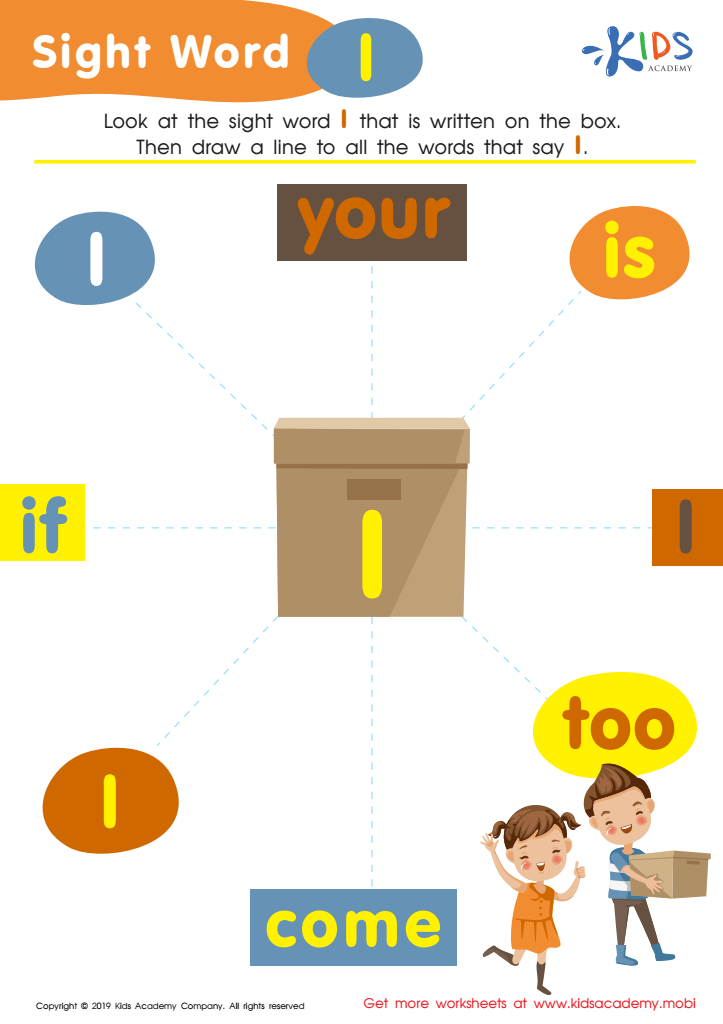
    Sight Word I Worksheet
    Sight Word I Worksheet

    Sight Word I Worksheet

    Recognizing the sight word 'I' is harder than it looks! When kids are learning to read, they understand 'I' by its sound, not as a word. This free worksheet gives them practice with 'I', letting them work on their fine motor skills too. They'll join 'I' to shapes containing the same letter. It's a great way to give kids confidence in their reading skills!
    Sight Word I Worksheet
    Worksheet
    Princess and the Pea Questions Worksheet
    Princess and the Pea Questions Worksheet
    Princess and the Pea Questions Worksheet
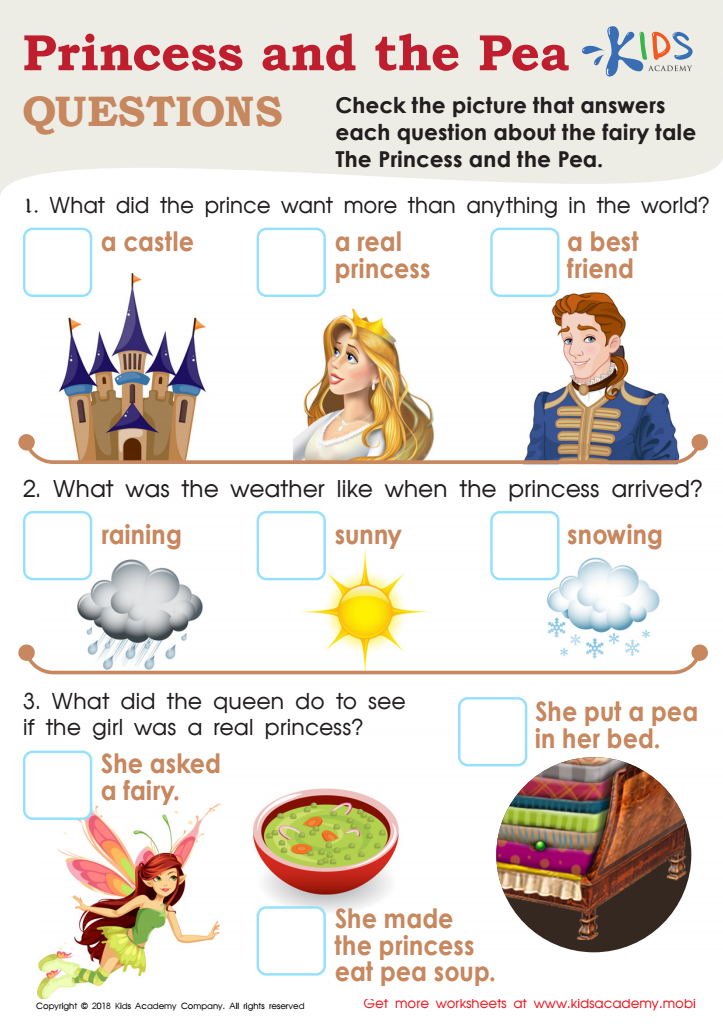
    Your kid knows The Princess and the Pea inside-out? Test their knowledge with this worksheet. Ask your little one to read the questions and match each one to the picture. It's a fun way to see just how much attention they've paid to their bedtime story.
    Princess and the Pea Questions Worksheet
    Worksheet
    Above or Below? Worksheet
    Above or Below? Worksheet

    Above or Below? Worksheet

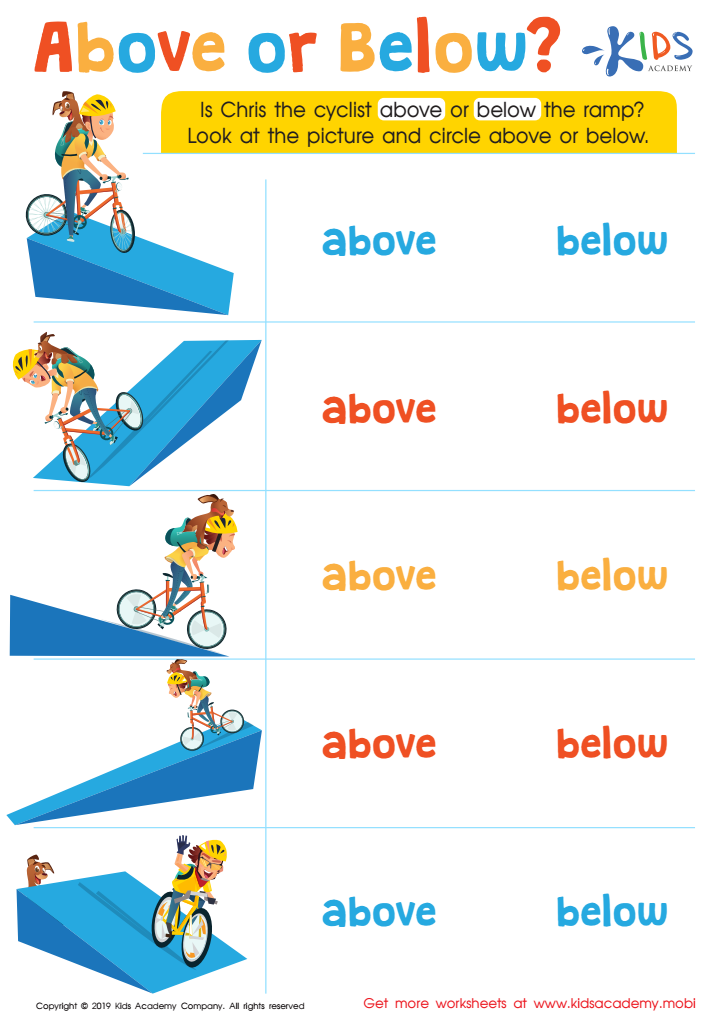
    Do your kids cycle? Chris is a cyclist practicing on a ramp. Look at the pictures with them and decide if Chris is above or below the ramp. It's an important skill to help your kids become fluent speakers and writers - using the right words to describe something. Cycling is a fun sporting event.
    Above or Below? Worksheet
    Worksheet
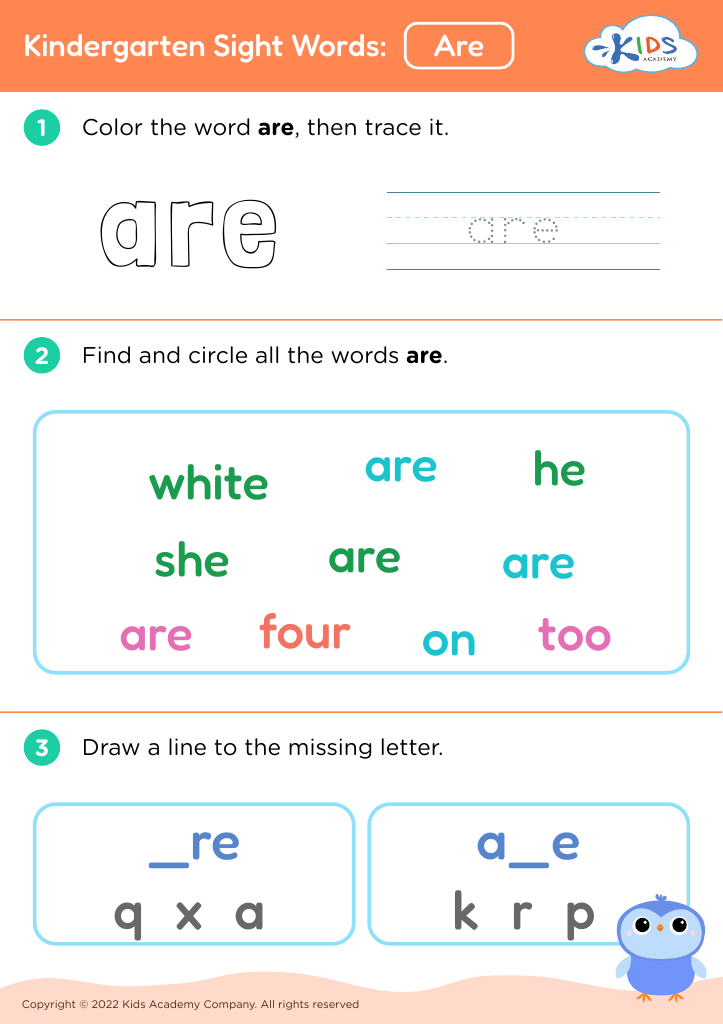
    Kindergarten Sight Words: Are
    Kindergarten Sight Words: Are

    Kindergarten Sight Words: Are

    Kindergarten Sight Words: Are
    Worksheet
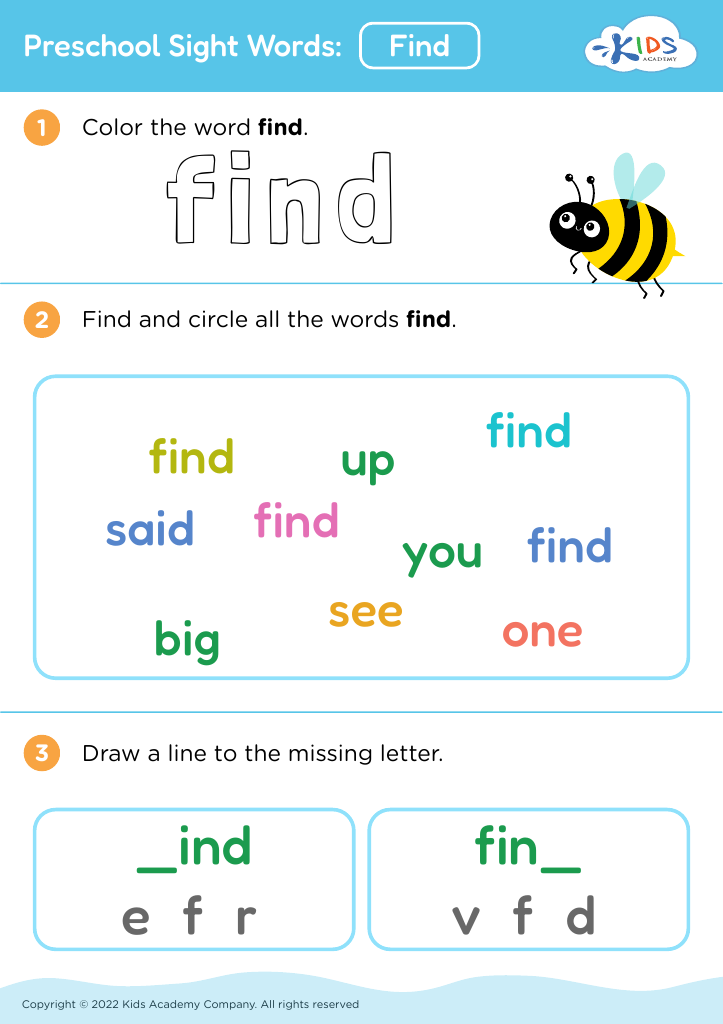
    Preschool Sight Words: Find
    Preschool Sight Words: Find

    Preschool Sight Words: Find

    Preschool Sight Words: Find
    Worksheet
    Kindergarten Sight Words: Did
    Kindergarten Sight Words: Did

    Kindergarten Sight Words: Did

    Kindergarten Sight Words: Did
    Worksheet
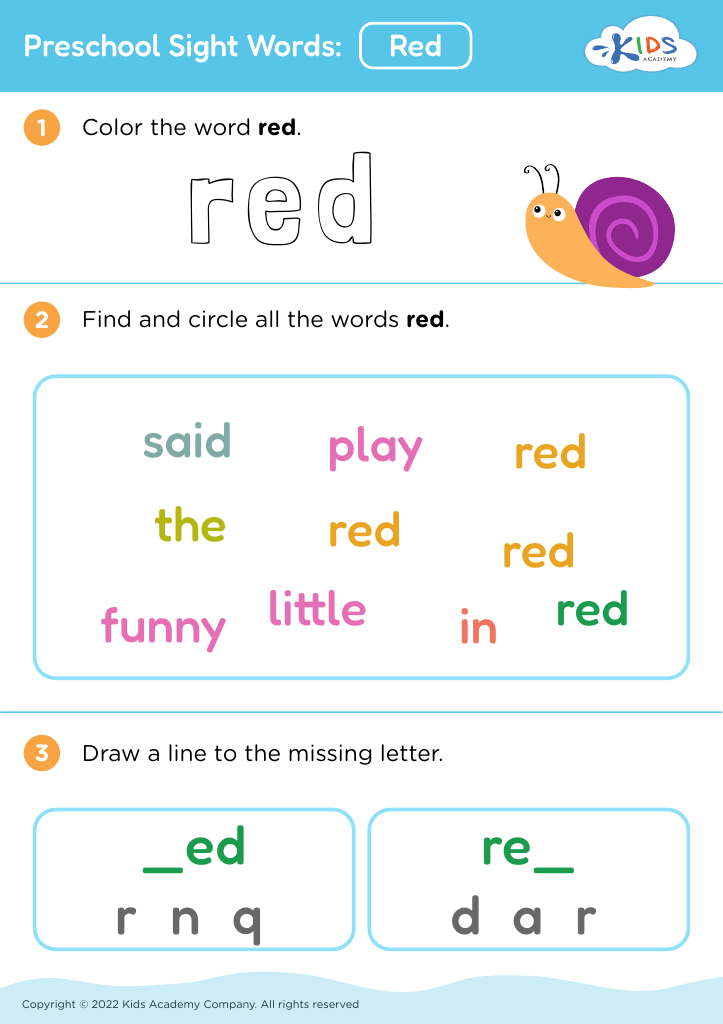
    Preschool Sight Words: Red
    Preschool Sight Words: Red

    Preschool Sight Words: Red

    Preschool Sight Words: Red
    Worksheet
    Kindergarten Sight Words: Am
    Kindergarten Sight Words: Am

    Kindergarten Sight Words: Am

    Kindergarten Sight Words: Am
    Worksheet
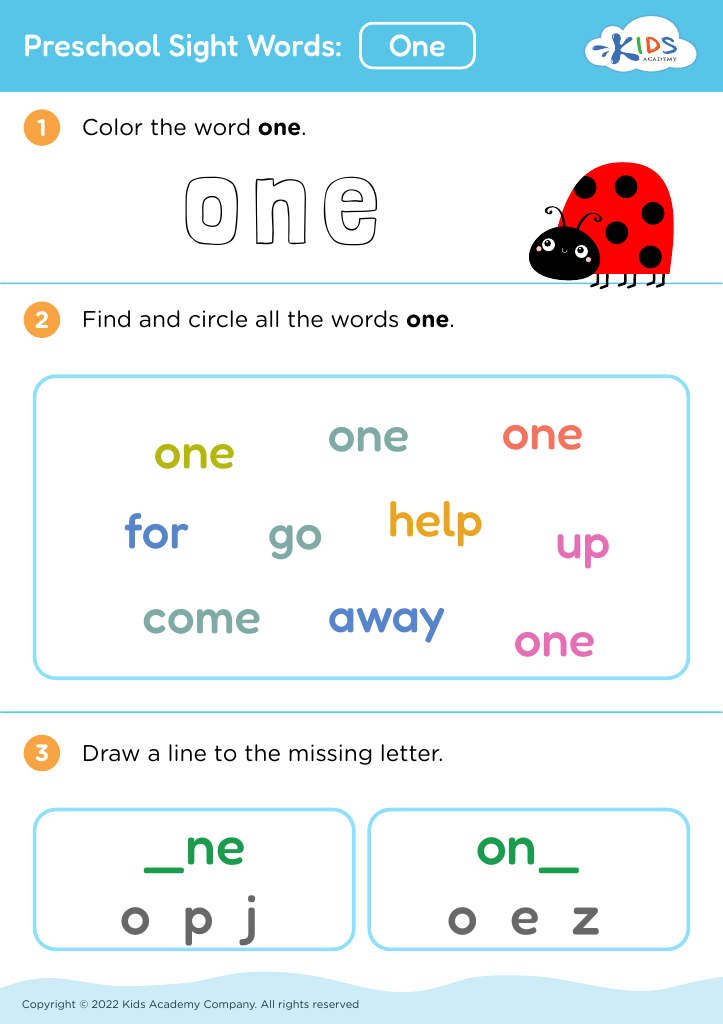
    Preschool Sight Words: One
    Preschool Sight Words: One

    Preschool Sight Words: One

    Preschool Sight Words: One
    Worksheet
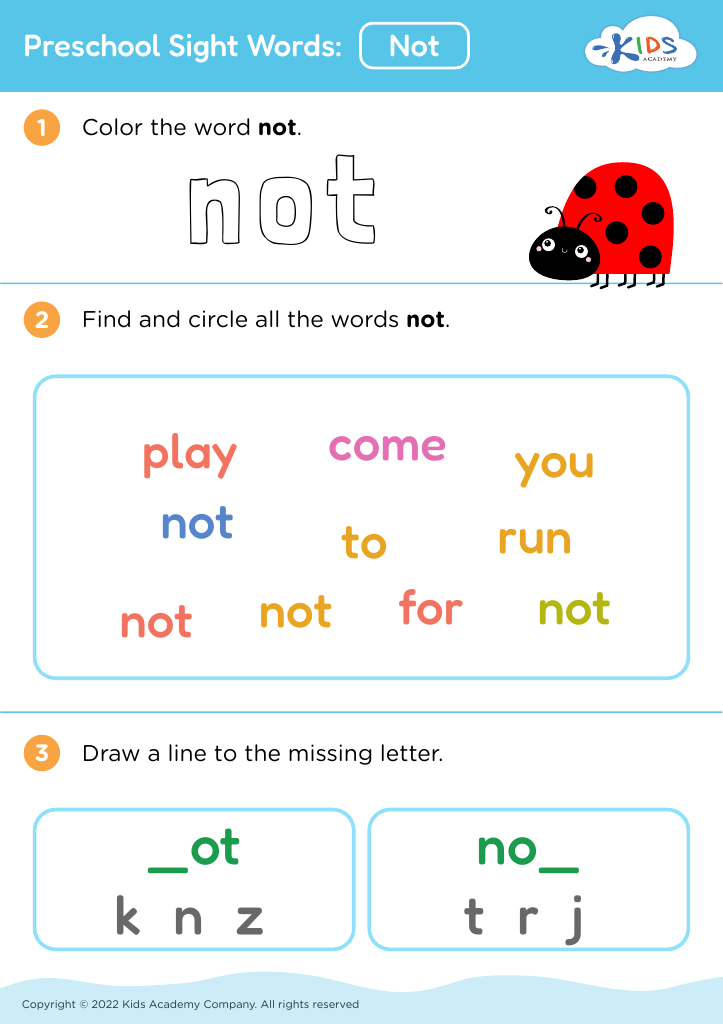
    Preschool Sight Words: Not
    Preschool Sight Words: Not

    Preschool Sight Words: Not

    Preschool Sight Words: Not
    Worksheet
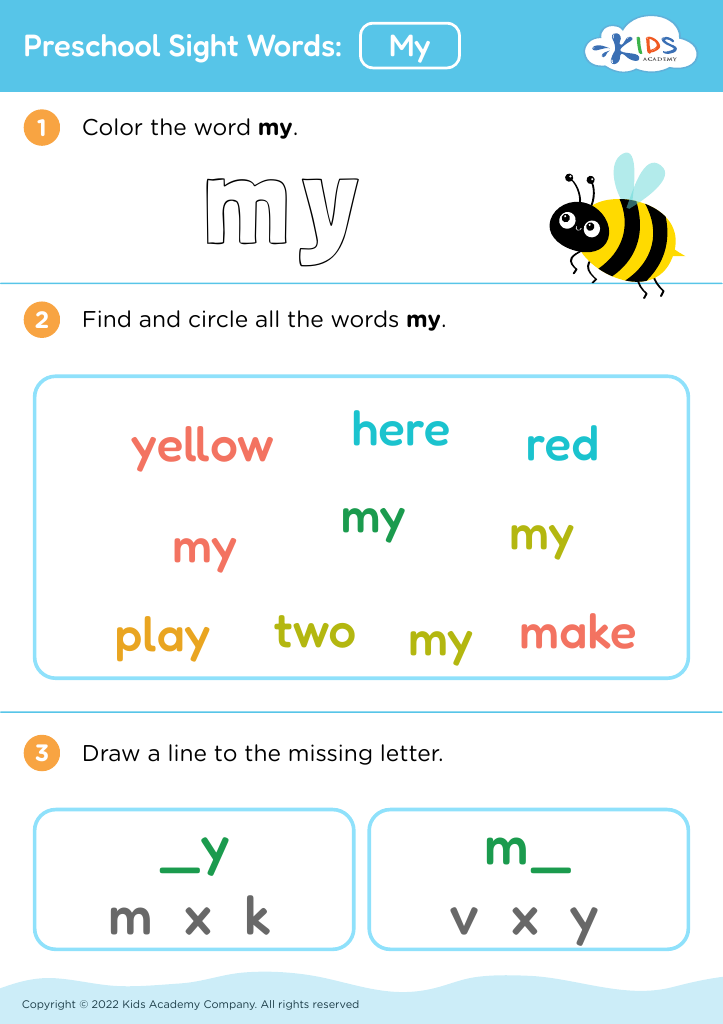
    Preschool Sight Words: My
    Preschool Sight Words: My

    Preschool Sight Words: My

    Preschool Sight Words: My
    Worksheet
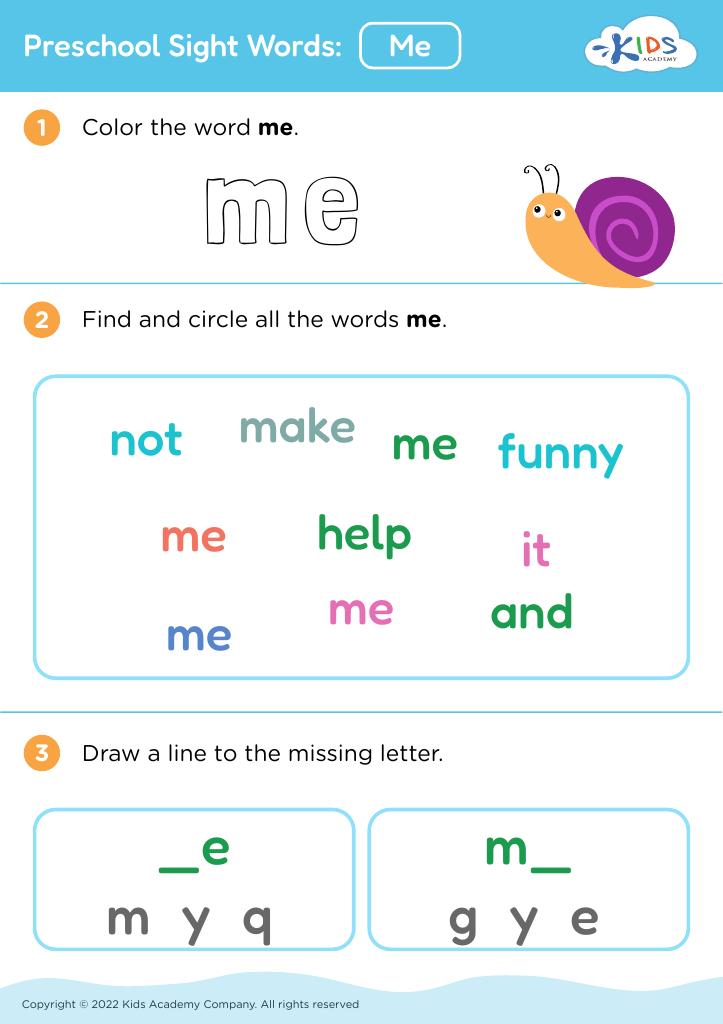
    Preschool Sight Words: Me
    Preschool Sight Words: Me

    Preschool Sight Words: Me

    Preschool Sight Words: Me
    Worksheet
    Preschool Sight Words: Make
    Preschool Sight Words: Make

    Preschool Sight Words: Make

    Preschool Sight Words: Make
    Worksheet
    Preschool Sight Words: Look
    Preschool Sight Words: Look

    Preschool Sight Words: Look

    Preschool Sight Words: Look
    Worksheet
    Preschool Sight Words: Little
    Preschool Sight Words: Little

    Preschool Sight Words: Little

    Preschool Sight Words: Little
    Worksheet
    Preschool Sight Words: Jump
    Preschool Sight Words: Jump

    Preschool Sight Words: Jump

    Preschool Sight Words: Jump
    Worksheet
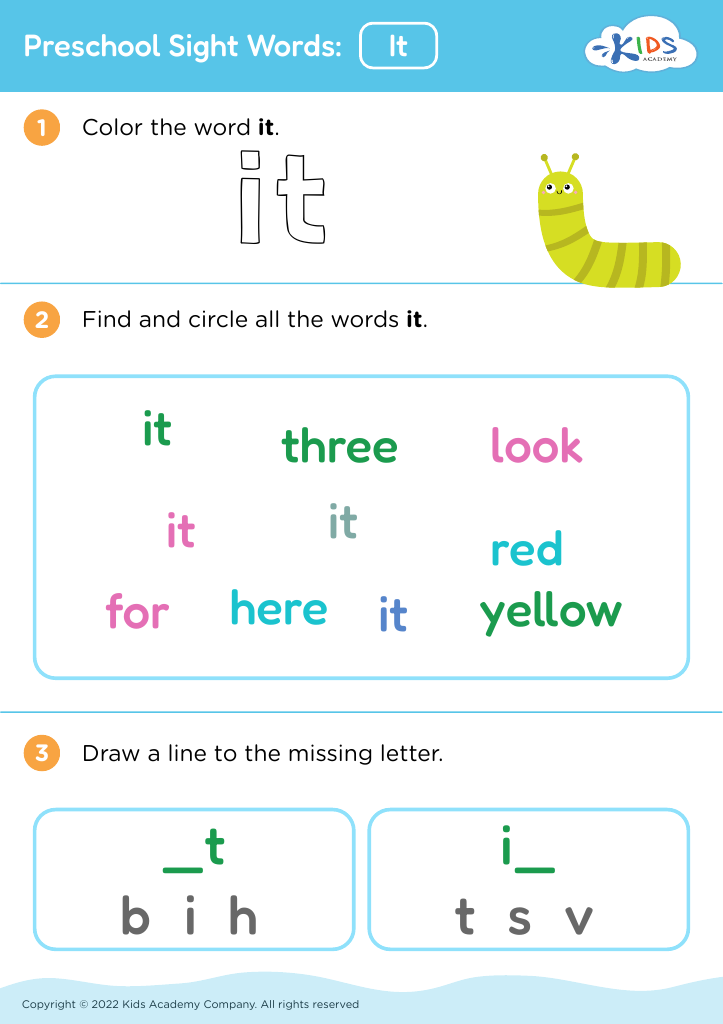
    Preschool Sight Words: It
    Preschool Sight Words: It

    Preschool Sight Words: It

    Preschool Sight Words: It
    Worksheet
    Preschool Sight Words: Is
    Preschool Sight Words: Is

    Preschool Sight Words: Is

    Preschool Sight Words: Is
    Worksheet
    Preschool Sight Words: In
    Preschool Sight Words: In

    Preschool Sight Words: In

    Preschool Sight Words: In
    Worksheet
    Preschool Sight Words: Here
    Preschool Sight Words: Here

    Preschool Sight Words: Here

    Preschool Sight Words: Here
    Worksheet
    Preschool Sight Words: Help
    Preschool Sight Words: Help

    Preschool Sight Words: Help

    Preschool Sight Words: Help
    Worksheet


    Building Vocabulary for Ages 3-4 is not just an educational goal; it's a foundational step towards unlocking a world of understanding, communication, and literacy. For parents and educators, worksheets dedicated to Building Vocabulary for Ages 3-4 serve as an invaluable tool in this developmental stage. Here's why they are so useful:

    Firstly, these worksheets are specifically designed to match the learning capacity of children aged 3 to 4 years. At this age, children are naturally curious and eager to explore the world around them. Building Vocabulary worksheets tap into this innate curiosity by introducing new words in engaging and contextually relevant ways.

    Moreover, these worksheets employ various methods such as picture-word association, simple puzzles, and matching exercises that not only introduce new vocabulary but also enhance cognitive skills like memory and pattern recognition. This multifaceted approach ensures that learning is not just effective but also enjoyable for young minds.

    Furthermore, Building Vocabulary worksheets for Ages 3-4 lay the groundwork for future academic success. A robust vocabulary is closely linked to reading comprehension and overall communication skills. By starting early, children develop a strong foundation that supports their educational journey, making them more confident and proficient learners as they progress through school.

    In essence, Building Vocabulary worksheets for Ages 3-4 are more than just educational tools; they are stepping stones towards a lifelong love for learning and a pathway to academic and personal growth.