
Following instructions Building Vocabulary Worksheets for Ages 3-4
8 filtered results
Difficulty Level
Grade
Age
-
From - To
Subject
Activity
Standards
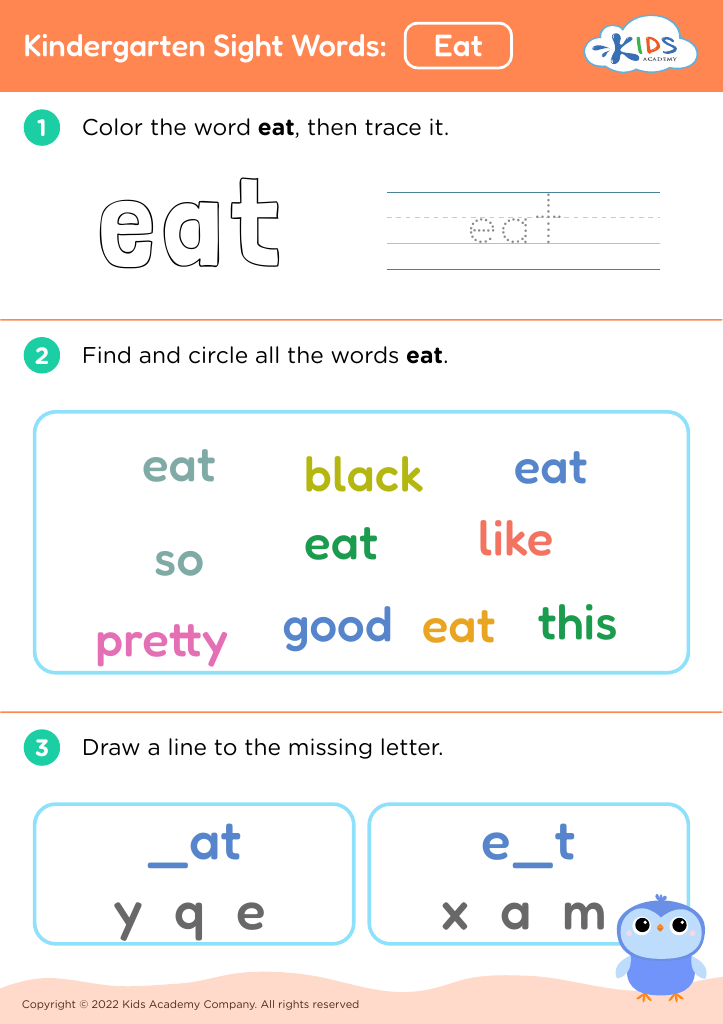
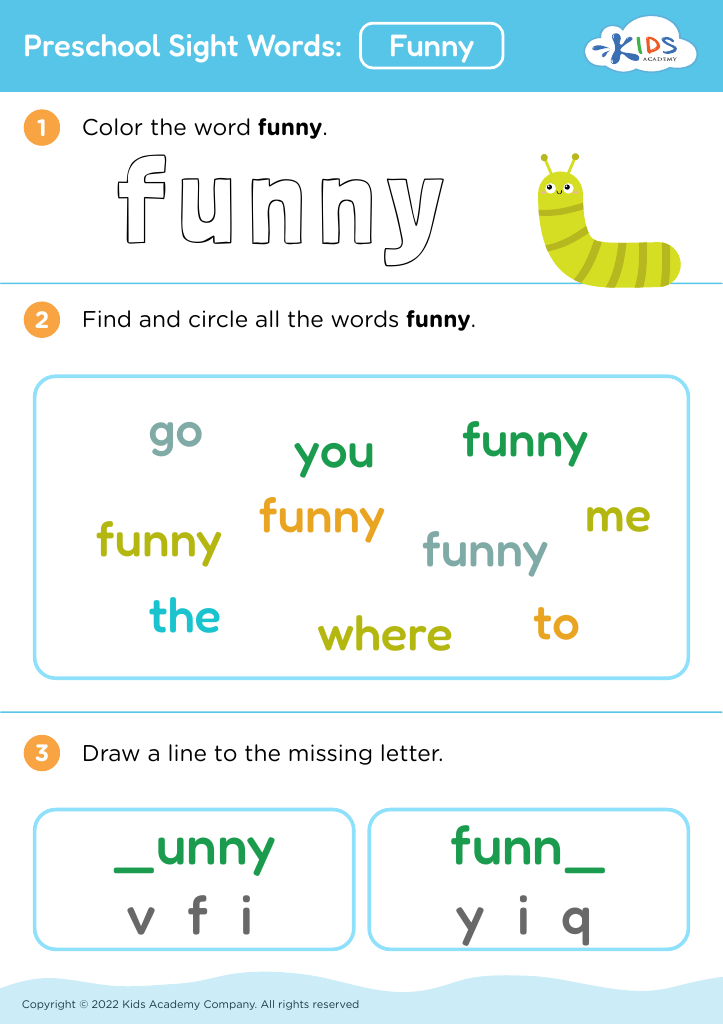
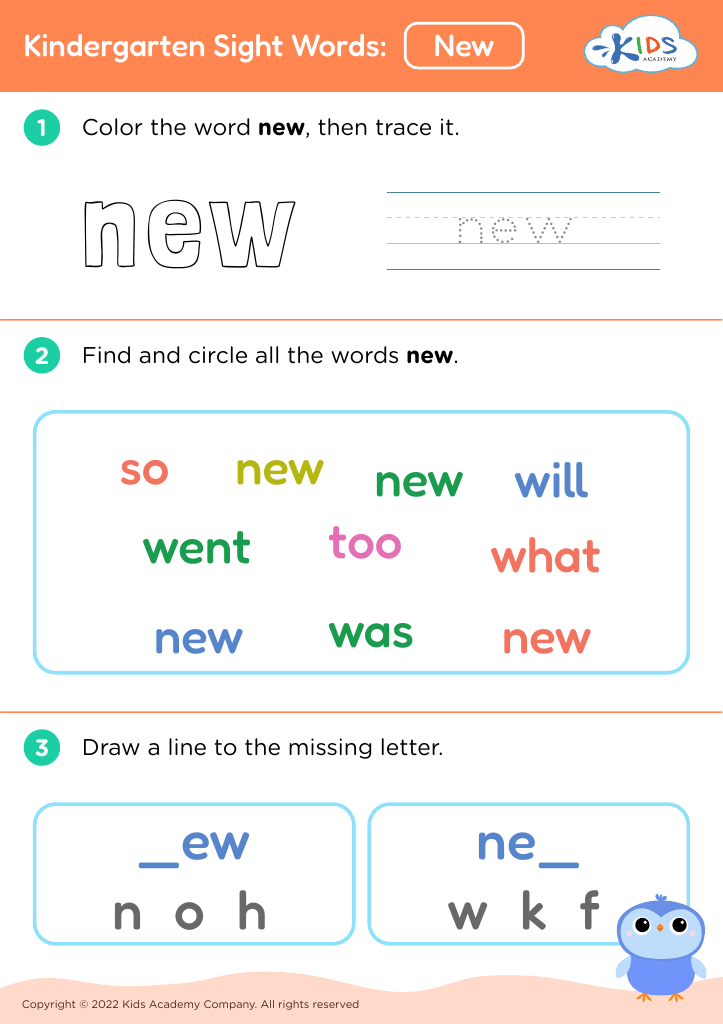
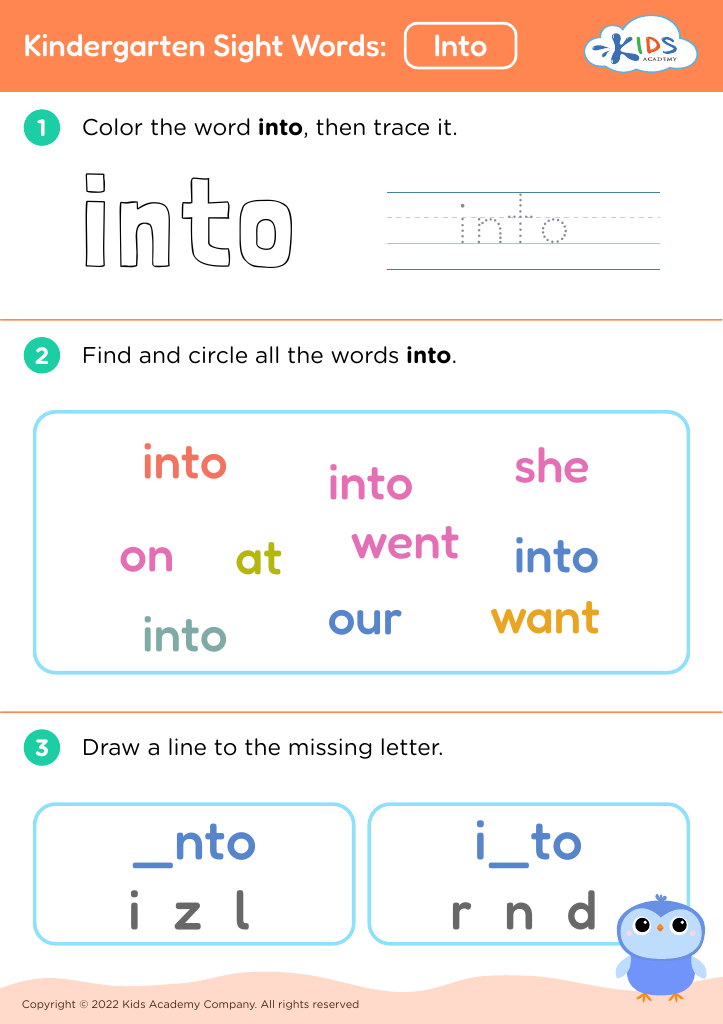
Introduce your little ones to the exciting world of words with our "Following Instructions Building Vocabulary Worksheets for Ages 3-4"! These engaging and educational worksheets are specially designed to introduce early learners to new vocabulary while honing their listening and comprehension skills. By following simple, clear instructions, children not only expand their word knowledge but also develop their ability to understand and execute tasks independently. Perfect for preschoolers, this collection offers a blend of fun and learning, ensuring young minds are well-prepared for future academic adventures. Visit our page at [Kids Academy link] to download and start building a solid vocabulary foundation today!
Favorites
With answer key
Interactive
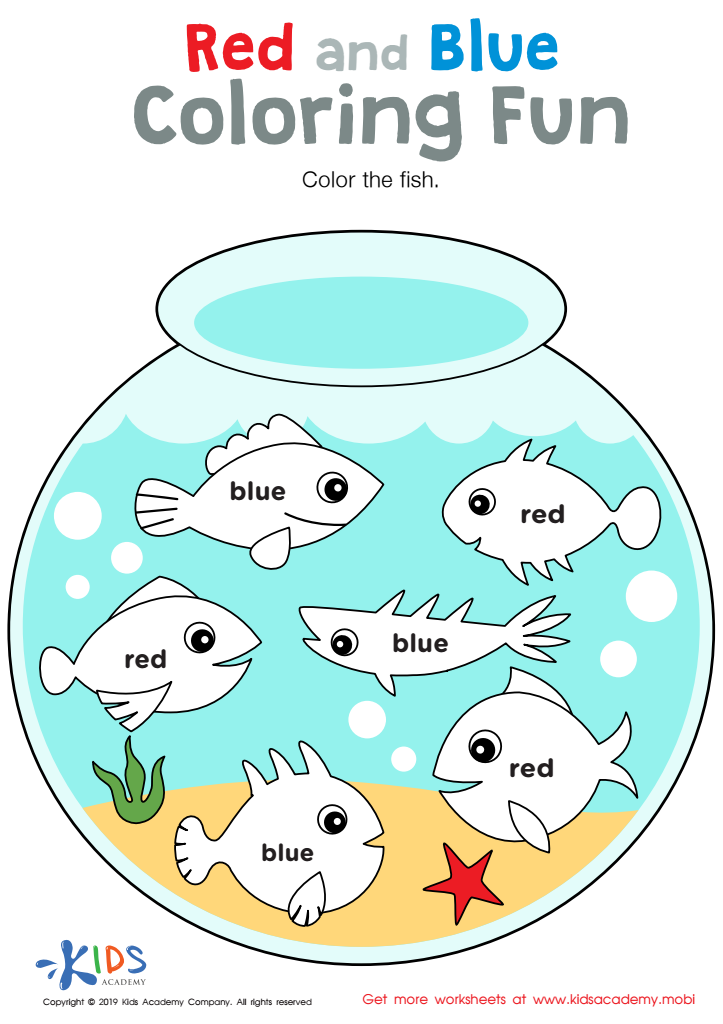
Red and Blue Coloring Fun Worksheet
Kids know colors like red and blue. But can they read these words? Give them practice with this fun fish bowl coloring sheet. They'll look at the fish, then color them the corresponding hue. Home or classroom, they'll be sure to get a kick out of learning colors in this creative way!
Download (PDF)
 Assign to My Students
Assign to My Students
Red and Blue Coloring Fun Worksheet
Worksheet











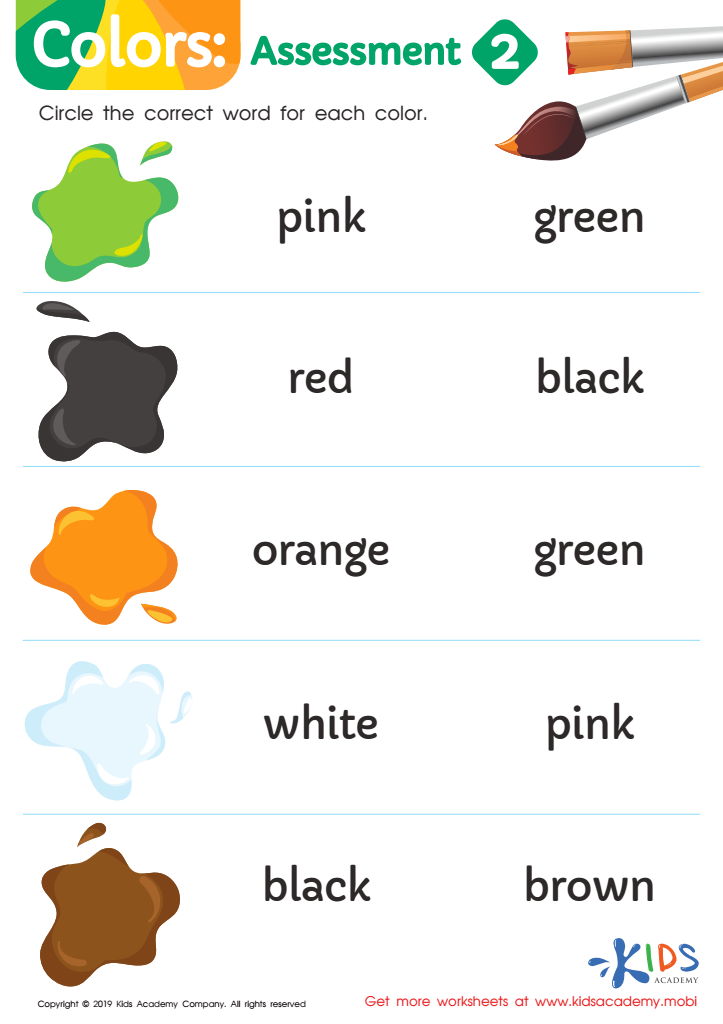
Colors: Assessment 2 Worksheet
Teach color words to young students to build fluency and confidence. Check knowledge with an assessment worksheet. Have students look at paint samples and circle the correct color word. This assessment helps parents and teachers measure a child’s accuracy when reading color words.
Colors: Assessment 2 Worksheet
Worksheet
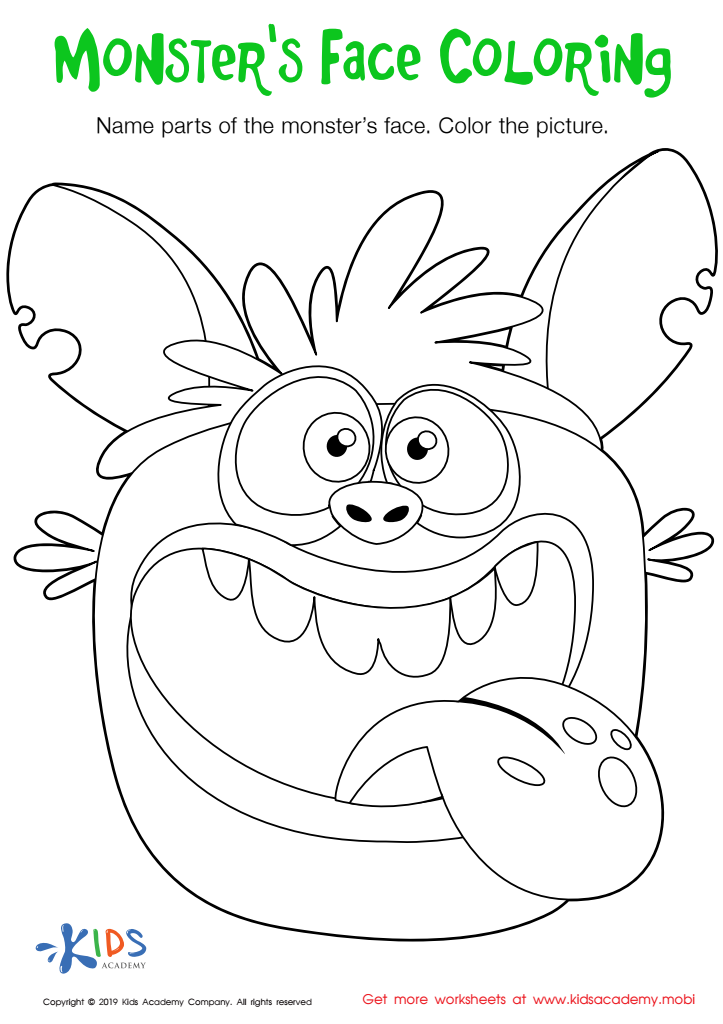
Monster's Face Coloring Worksheet
Have your students practice identifying face parts with this fun worksheet. Teach them how to say eyes, nose, mouth, and ears. Help them master these words so they can express themselves better. And have some fun with the monster coloring page too!
Download (PDF)
Assign to My Students
Assign to My Students
Monster's Face Coloring Worksheet
Worksheet
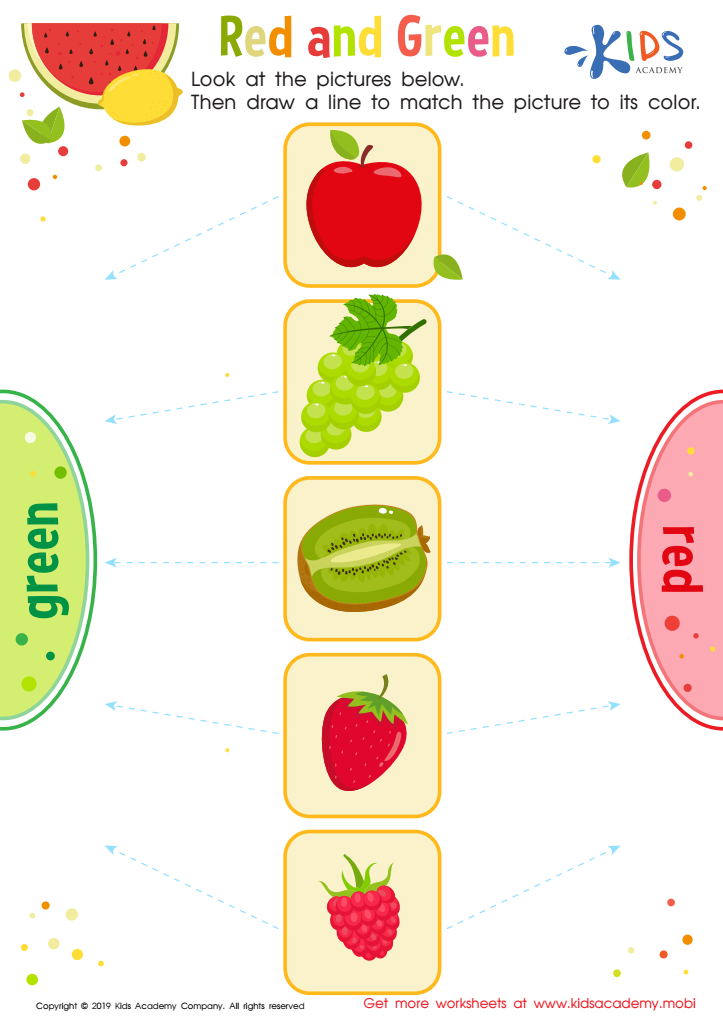
Red and Green Worksheet
Engage your kids in fun exercises and colorful pictures to help build their vocabulary. Start with a colorful worksheet - can they identify the colors? Guide them to draw a line from each picture in the middle to the correct color. It's a great way to boost their vocabulary and have fun at the same time!
Red and Green Worksheet
Worksheet
Join Kids Academy for Free
Who is primarily going to use this learning content?








Parents and teachers play a crucial role in the early development of children, particularly around ages 3-4 when rapid growth in cognitive and language skills takes place. It's vital to prioritize the development of skills like following instructions and building a robust vocabulary during this formative stage.
Firstly, following instructions is essential for young children as it lays the foundation for lifelong learning and discipline. It helps kids understand and process information, fostering better comprehension and communication skills. When children can follow simple instructions, they gain confidence and a sense of independence, which enhances their ability to participate actively and safely in various activities.
Secondly, building vocabulary at an early age is paramount for effective communication. A rich vocabulary allows children to express their thoughts and emotions more clearly and interact proficiently with peers and adults. It also facilitates academic success, as language proficiency is directly linked to literacy skills. By expanding their vocabulary, children can better understand stories, follow conversations, and engage in imaginative play, which fuels cognitive growth.
In essence, nurturing skills in following instructions and building a robust vocabulary early on equips children with critical tools for successful social interactions, academic achievements, and cognitive development, setting a strong foundation for their future endeavors.








