Reading skills improvement Building Vocabulary Worksheets for Ages 3-4
3 filtered results
-
From - To
Boost your child's early literacy with our Reading Skills Improvement Building Vocabulary Worksheets designed specifically for ages 3-4. These fun and engaging printables are crafted to enhance your preschooler's vocabulary, ensuring a strong foundation for future reading success. Each worksheet combines vibrant illustrations with interactive activities to captivate young learners while focusing on word recognition, phonetics, and comprehension. Tailored for little ones, these worksheets support both independent play and guided learning with parents or educators. Visit Kids Academy to download and print these essential resources, and watch your child's vocabulary and confidence grow each day.
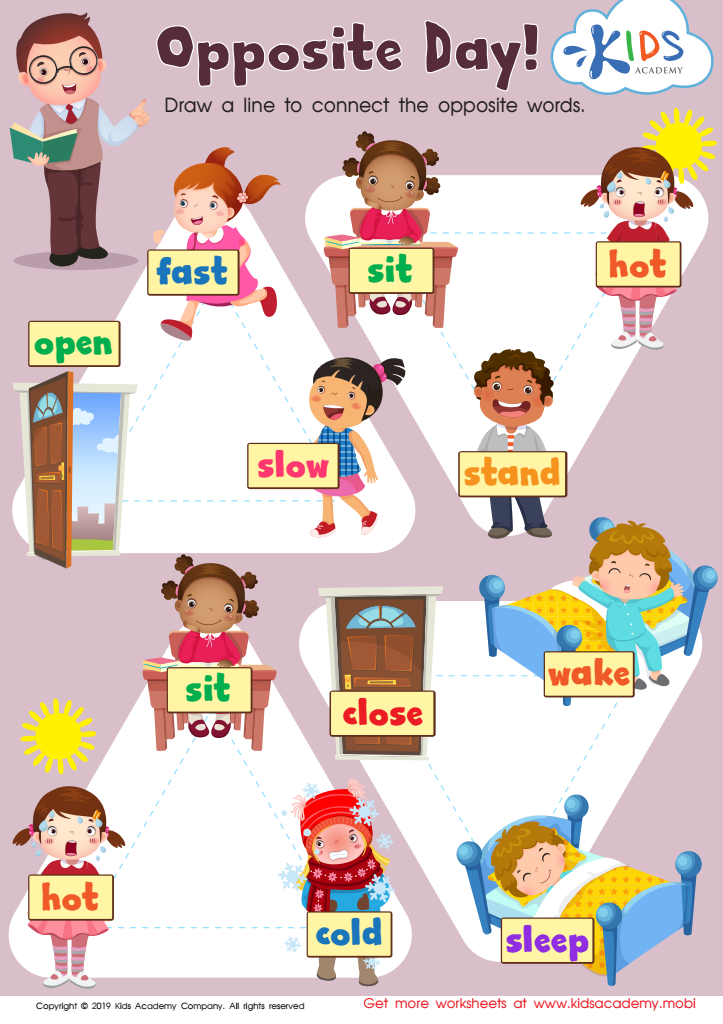
Opposite Day Worksheet
 Assign to My Students











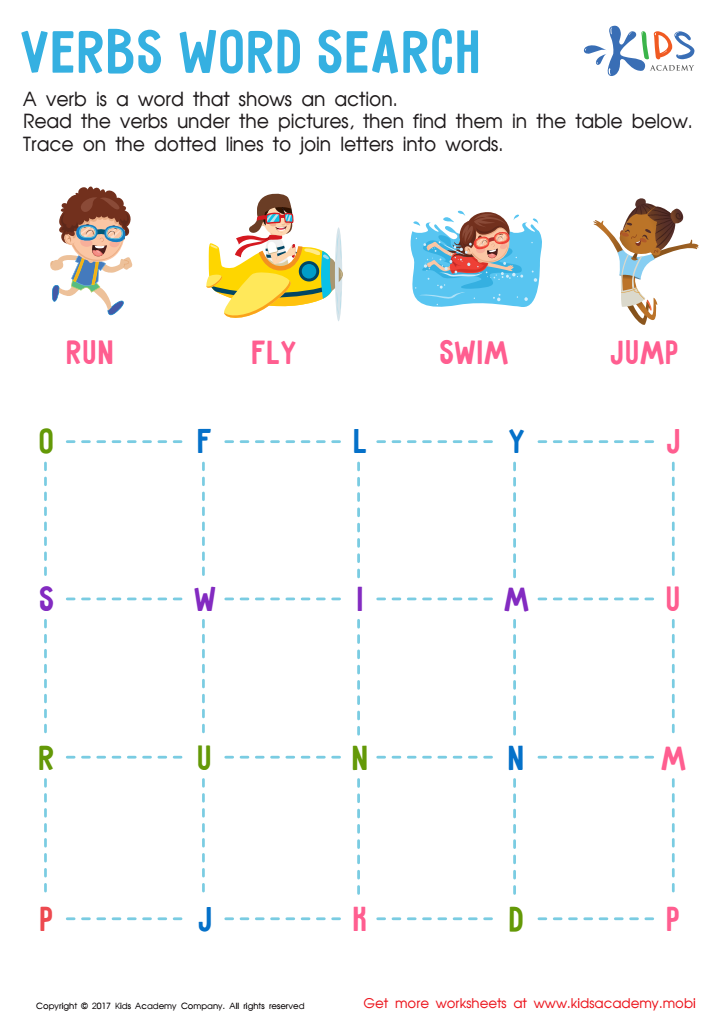
Verbs Word Search Worksheet
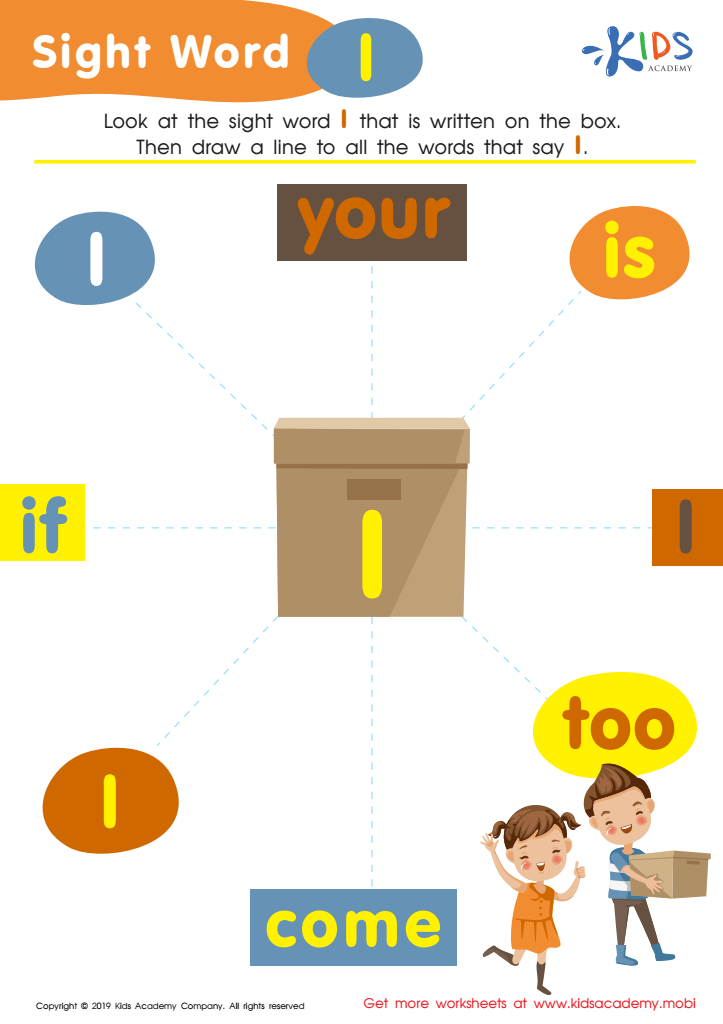
Sight Word I Worksheet





.jpg)


Parents and teachers should prioritize improving reading skills and building vocabulary for children ages 3-4 because this foundational work establishes crucial academic and cognitive skills. Early vocabulary acquisition is strongly linked to literacy development, long-term academic success, and effective communication abilities. By enriching a child's vocabulary, they expand their ability to understand new words, concepts, and content within books, driving better comprehension and critical thinking skills.
During these formative years, children are extraordinarily receptive to learning new words and developing phonological awareness, which is the ability to recognize and manipulate the sounds in words. Engaging with rich and varied language through reading activities helps children develop these keen listening and decoding skills. This sets the groundwork for reading fluency, which enables smoother transitions into structured school learning environments.
Moreover, shared reading experiences between parents, teachers, and children foster stronger emotional bonds and instill a lifelong love for reading. These activities can also improve attention spans, promote curiosity, and stimulate imagination.
Therefore, investing time in reading activities and vocabulary-building enhances children’s overall cognitive development and opens the door to a world of learning opportunities, early success in school, and a continual relationship with learning and literacy.








