Basic Addition Skills Reading Worksheets for Ages 3-4
4 filtered results
-
From - To
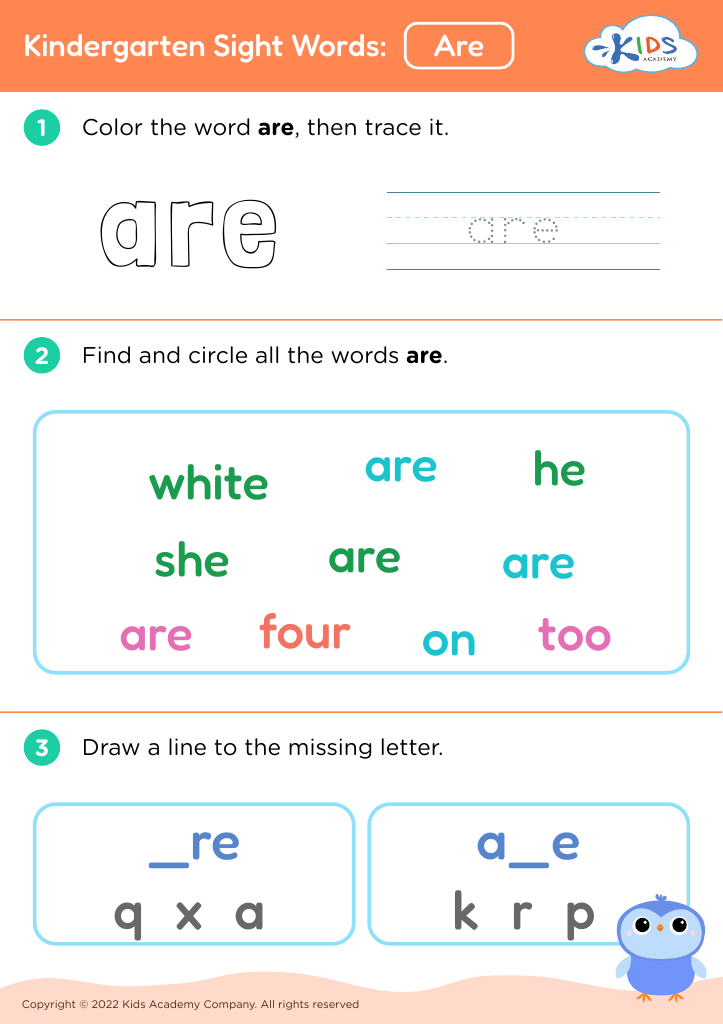
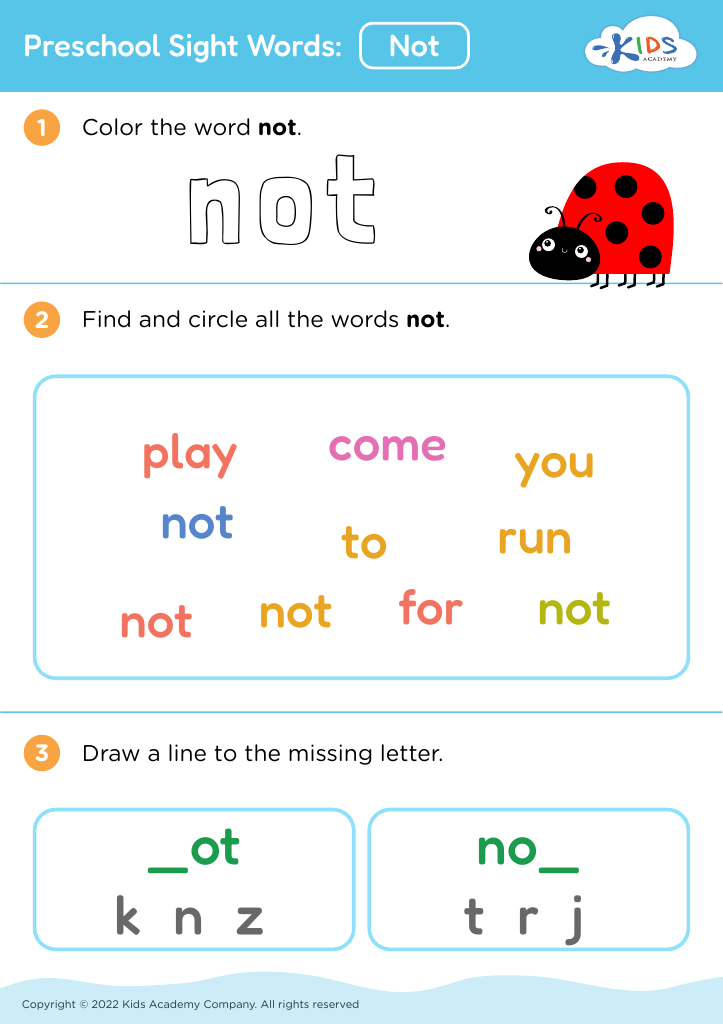
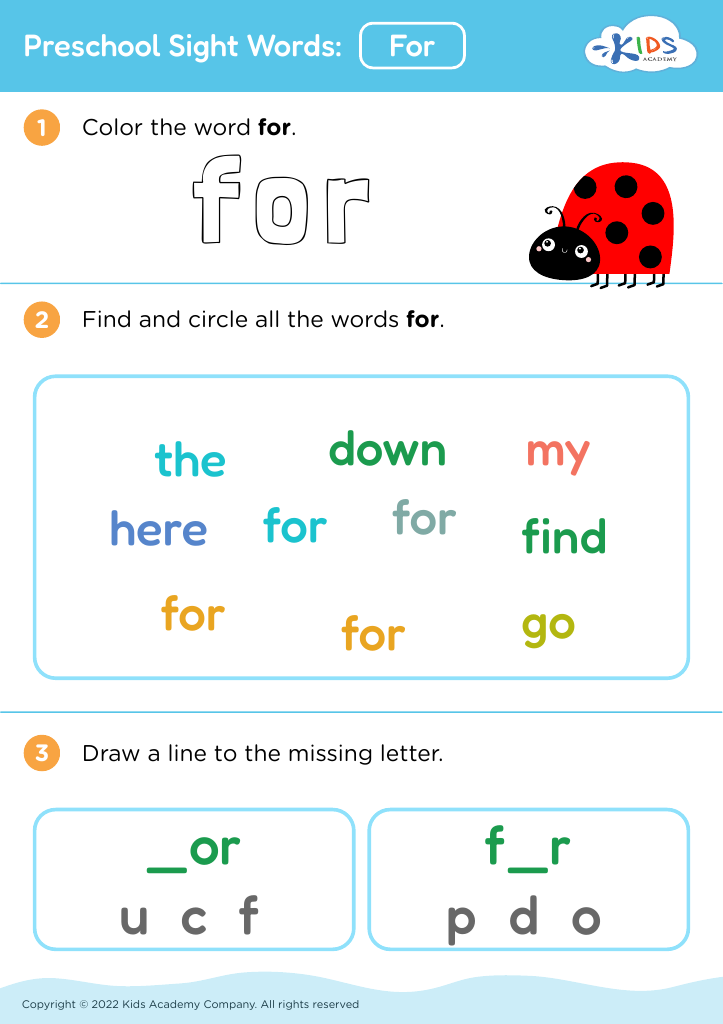
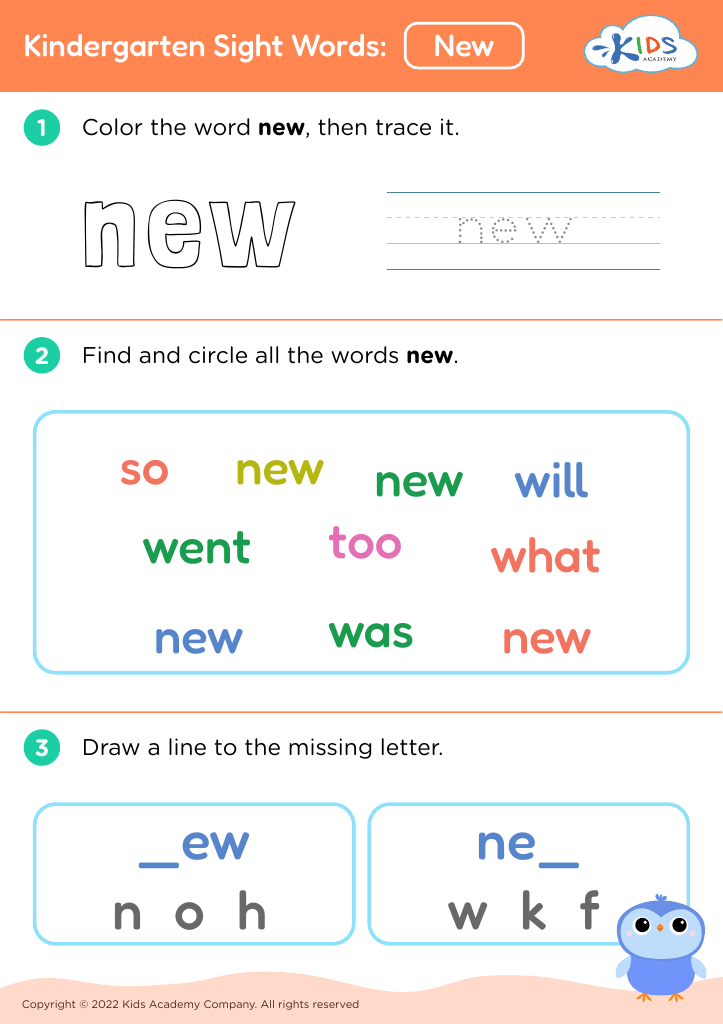
Unlock your child's math potential with our "Basic Addition Skills Reading Worksheets for Ages 3-4" at Kids Academy! Tailored for young learners, these engaging worksheets introduce early math concepts through fun, interactive activities. Designed to build foundational math skills, each worksheet combines colorful graphics and simple addition problems to make learning delightful and effective. Perfect for home or classroom use, these worksheets help kids develop their counting, number recognition, and basic arithmetic skills. Start your child’s journey to math success with Kids Academy's resources, fostering a love for learning from the very beginning!







Basic addition skills for children aged 3-4 are crucial for several reasons, playing a foundational role in overall math proficiency and cognitive development. During these formative years, children’s brains are quite malleable and receptive to new information. Introducing basic addition helps develop their number sense, which is the ability to understand and categorize numbers intuitively. This foundational understanding paves the way for more advanced math concepts encountered later in school.
For parents and teachers, emphasizing basic addition skills nurtures a child’s logical thinking and problem-solving abilities. These skills are not confined to math alone; they enhance critical thinking necessary for tackling real-life challenges. Simple addition exercises also improve children’s memory and concentration, which are beneficial in multiple learning domains.
Furthermore, cultivating an early interest and confidence in math sets a positive attitude towards the subject. Children who experience early success in math are more likely to feel competent and continue to engage with higher mathematical concepts enthusiastically. Early exposure to math also aligns well with academic standards and supports classroom learning, ensuring children are well-prepared when they enter formal schooling.
Thus, parents and teachers who prioritize basic addition skills are investing in their children’s long-term academic success and overall intellectual development.








