Critical Thinking Reading Worksheets for Ages 3-4 - Page 2
28 filtered results
-
From - To
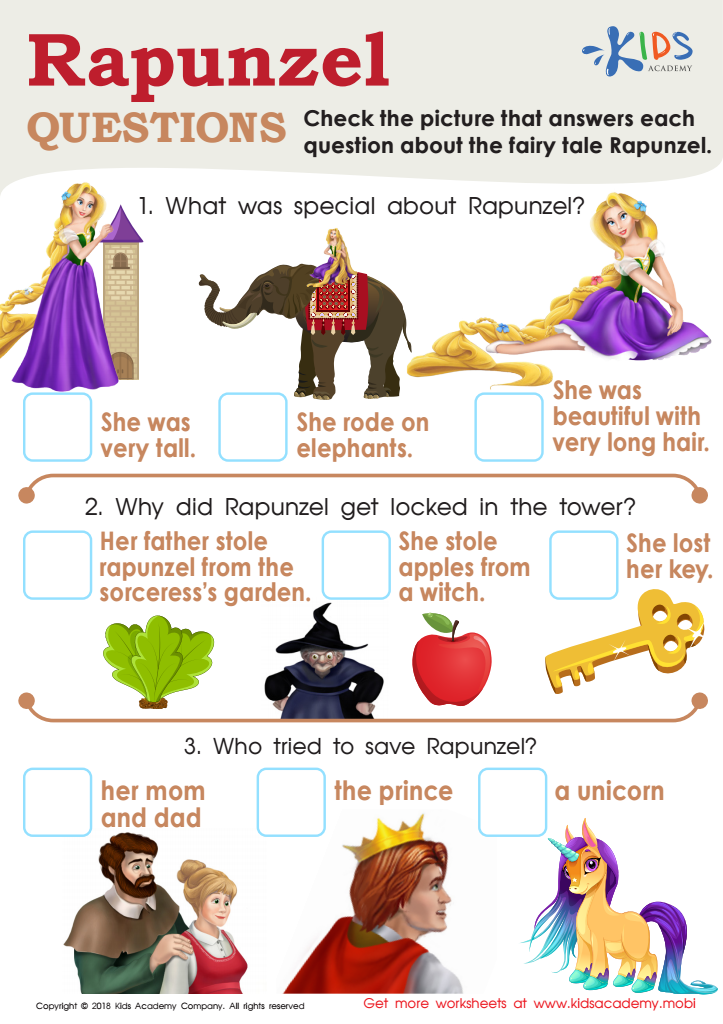
Rapunzel Questions Worksheet
 Assign to My Students
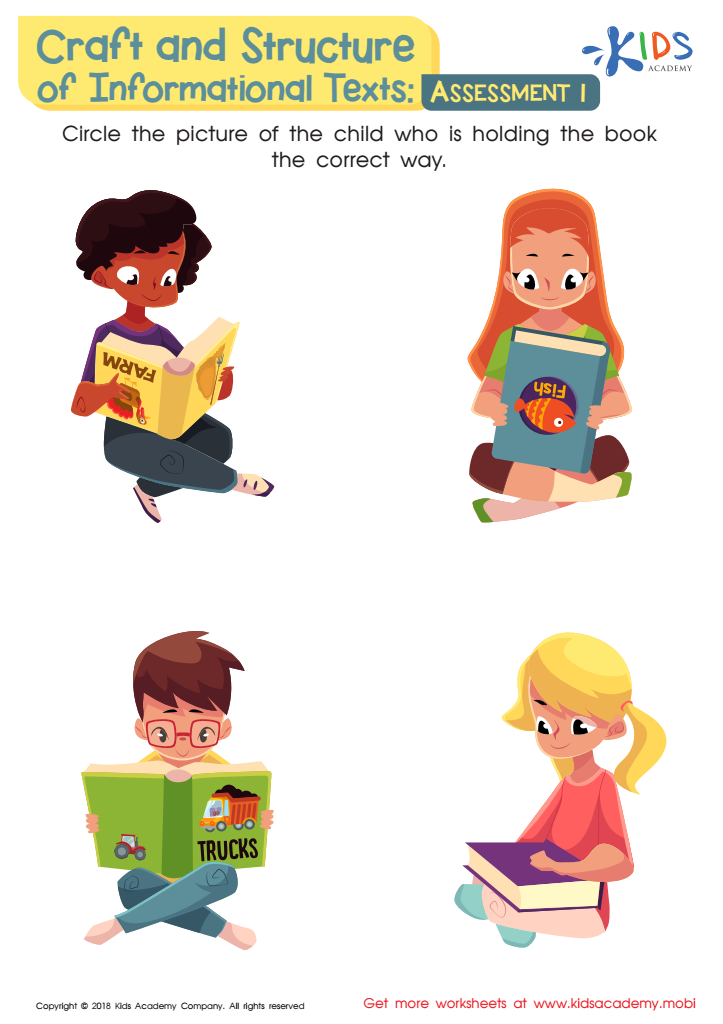
Craft and Structure of Informational Texts: Assessment 1 Worksheet
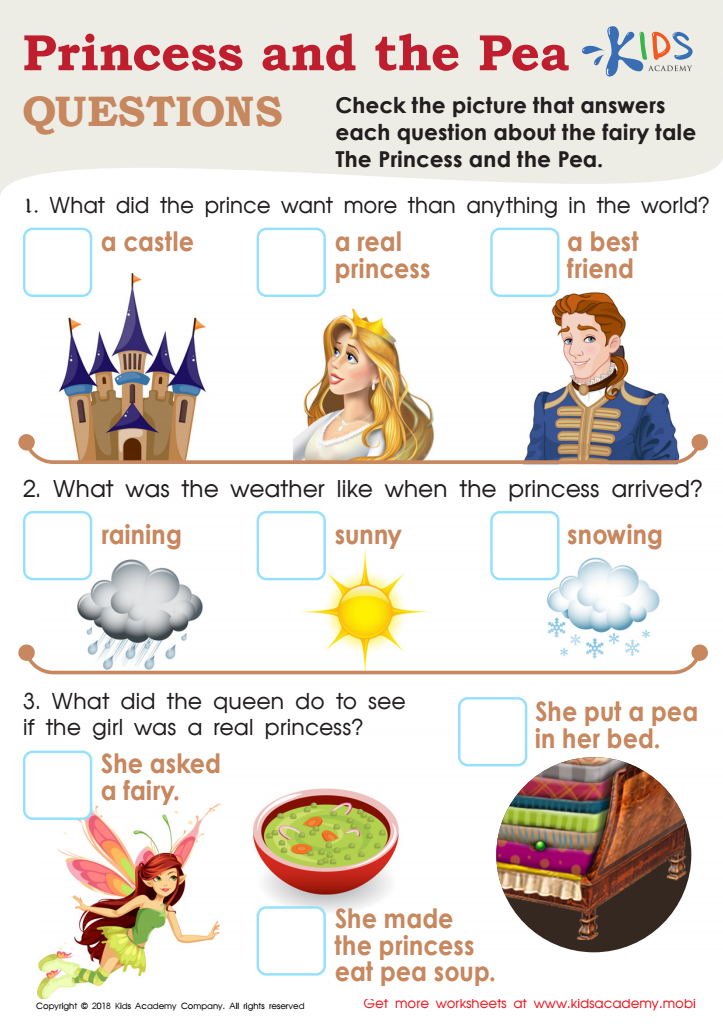
Princess and the Pea Questions Worksheet
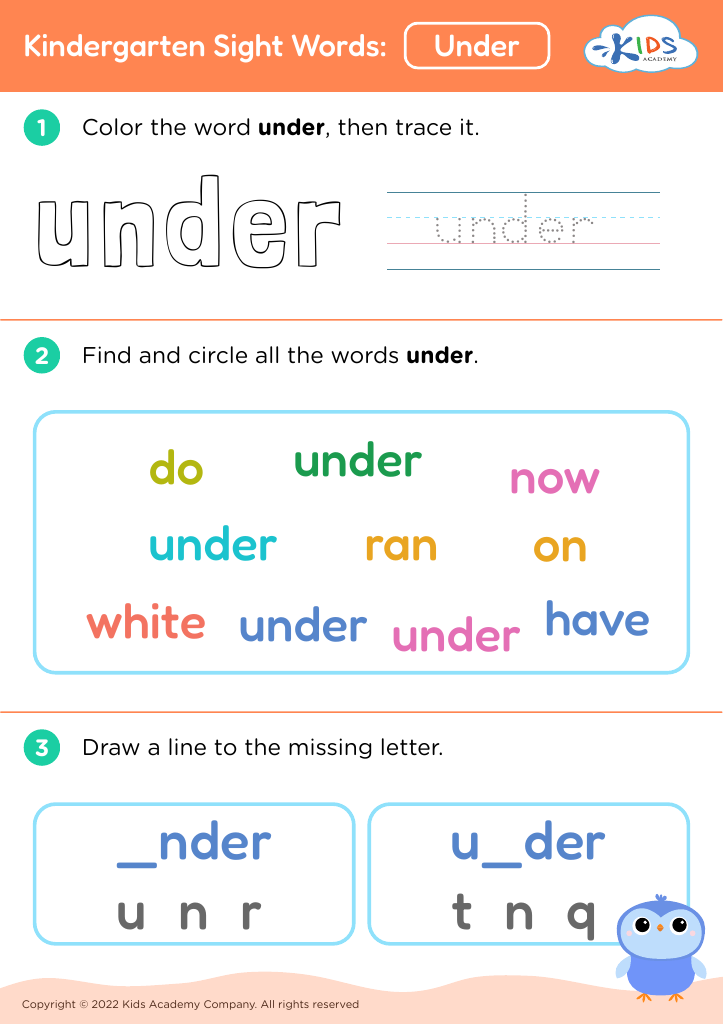






.jpg)
Critical Thinking Reading for Ages 3-4 is essential for laying a strong foundation for early literacy and cognitive skills. During these formative years, children are naturally curious, and engaging with literature can foster their analytical abilities. By introducing parents and teachers to critical thinking reading strategies, they can help children learn to ask questions, make inferences, and connect ideas — all vital components of critical thinking.
Encouraging critical thinking through reading at such a young age not only enhances comprehension skills but also cultivates creativity and problem-solving abilities. When children engage with stories, they can explore different perspectives, judge characters’ motivations, and evaluate plot resolutions, promoting a deeper understanding of the narratives. Furthermore, these skills are transferrable; as children develop critical analytical skills in reading, they apply the same thinking processes across various subjects and life experiences.
In addition, fostering critical thinking helps build confidence in young learners, encouraging them to express their opinions and thoughts. This can lead to rich discussions and a love for reading that lasts a lifetime. Thus, both parents and teachers should prioritize critical thinking reading as an engaging and vital tool for nurturing well-rounded, thoughtful children.








