Enhancing Reading Comprehension Reading Worksheets for Ages 3-4
5 filtered results
-
From - To
Unlock the power of early literacy with our "Enhancing Reading Comprehension" worksheets for ages 3-4! Designed for young learners, these engaging resources foster critical thinking and comprehension skills through fun activities. Each worksheet helps children identify main ideas, make predictions, and answer questions based on story elements. Our colorful, interactive formats capture children's interest while promoting essential vocabulary development and language skills. Encourage a love for reading and pave the way for academic success with these thoughtfully crafted worksheets. Perfect for home study or classroom use, they empower early learners to become confident readers. Explore our collection today!
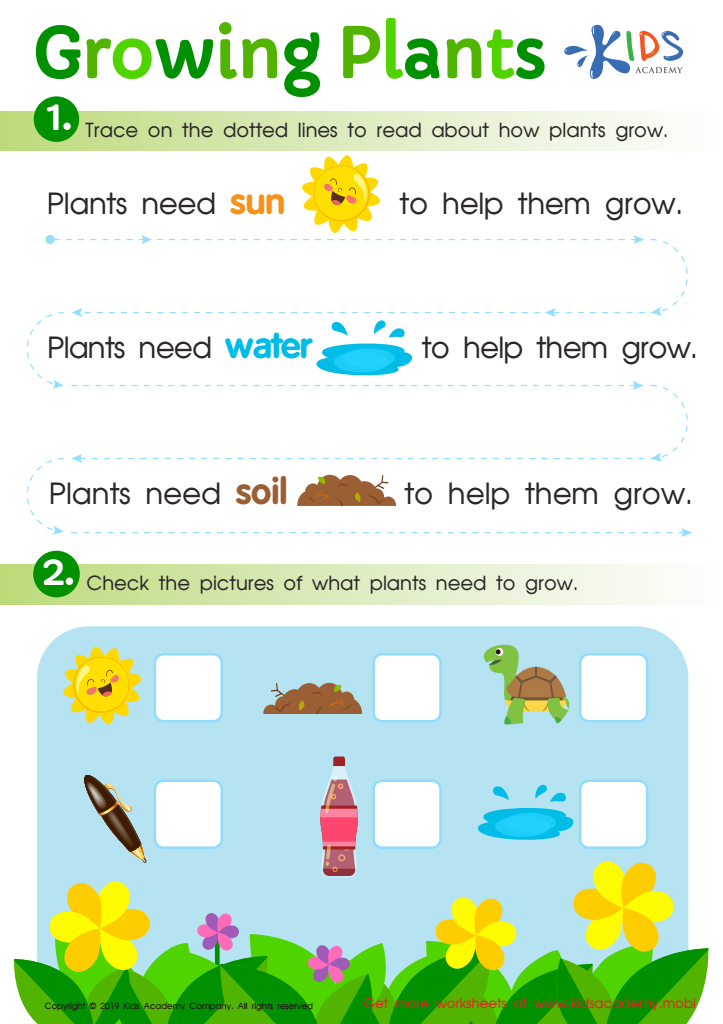
Growing Plants Worksheet
 Assign to My Students
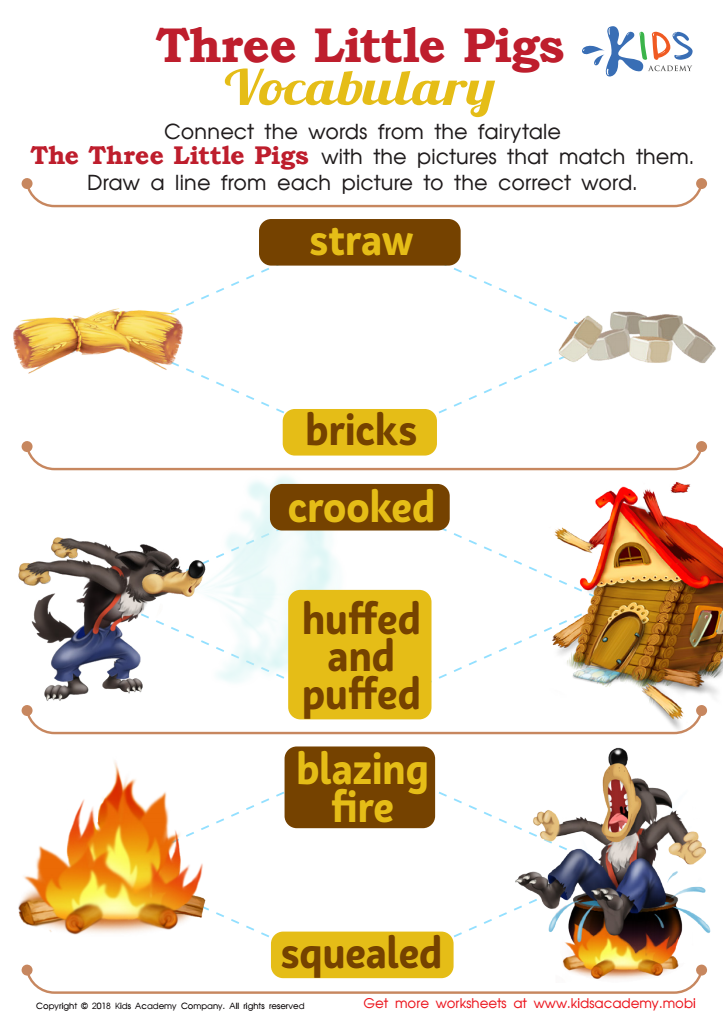
Three Little Pigs Vocabulary Worksheet
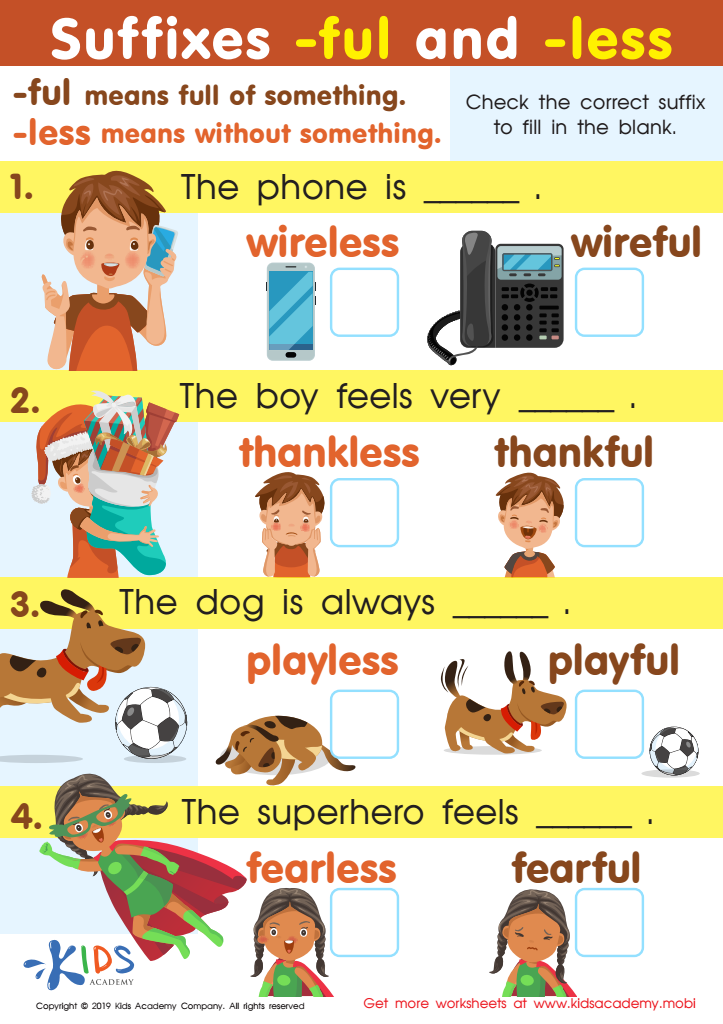
Suffixes –ful and –less Worksheet
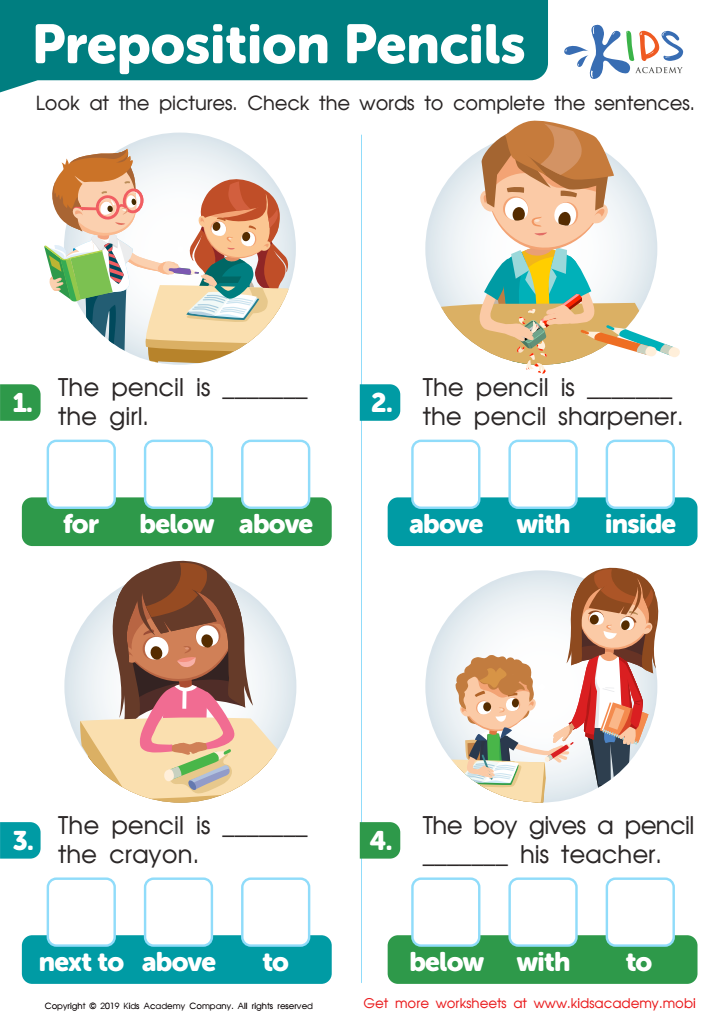
Preposition Pencils Worksheet
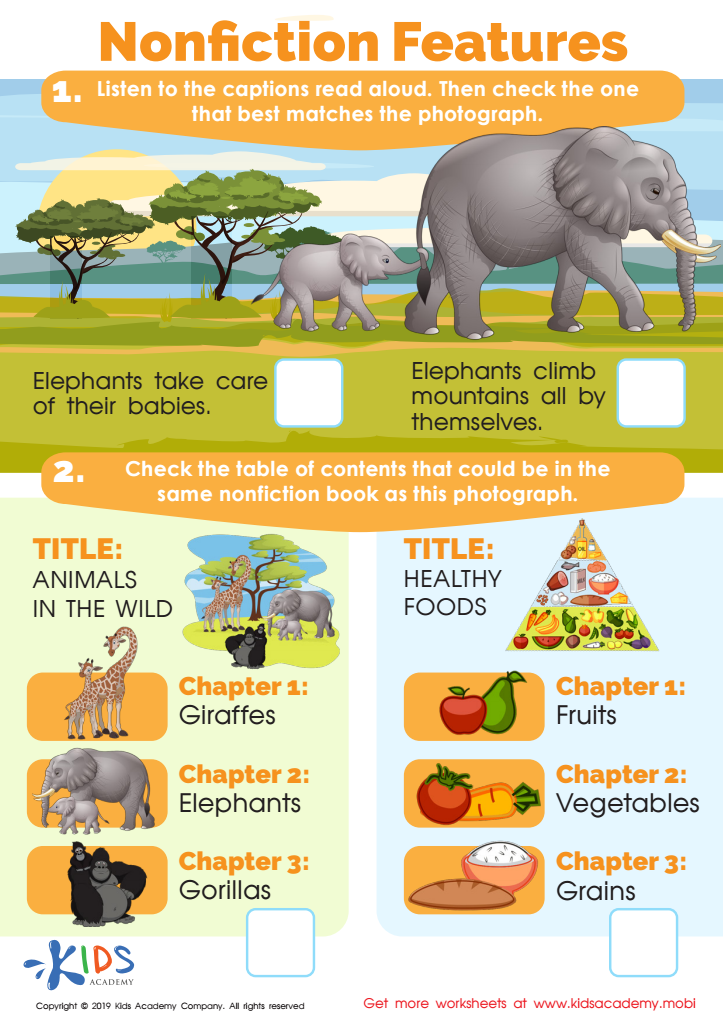
Nonfiction Features Worksheet







Enhancing reading comprehension for children aged 3-4 is crucial for several reasons. At this early developmental stage, children are laying the foundation for future learning. Reading comprehension goes beyond merely recognizing words; it involves understanding and engaging with the text. When parents and teachers focus on improving reading comprehension, they are helping children to develop critical thinking skills and encouraging a love for literature.
At ages 3-4, kids are naturally curious and open to discovering new concepts. Engaging them in books enhances vocabulary, promotes language development, and strengthens cognitive skills, laying the groundwork for effective communication. Activities such as asking questions about the story or discussing illustrations can dramatically improve narrative understanding.
Additionally, children's reading and comprehension skills are linked to their overall academic success. Early comprehension abilities often predict later reading proficiency, which influences performance in school. By investing time and resources into this essential skill, parents and teachers contribute to building a stronger educational foundation that fosters self-confidence and motivates children to read independently. In short, enhancing reading comprehension at this formative age supports not only immediate understanding but also long-term intellectual growth and emotional well-being.








